Easy Measurement Worksheets for Ages 4-7 - Page 2
43 filtered results
-
From - To
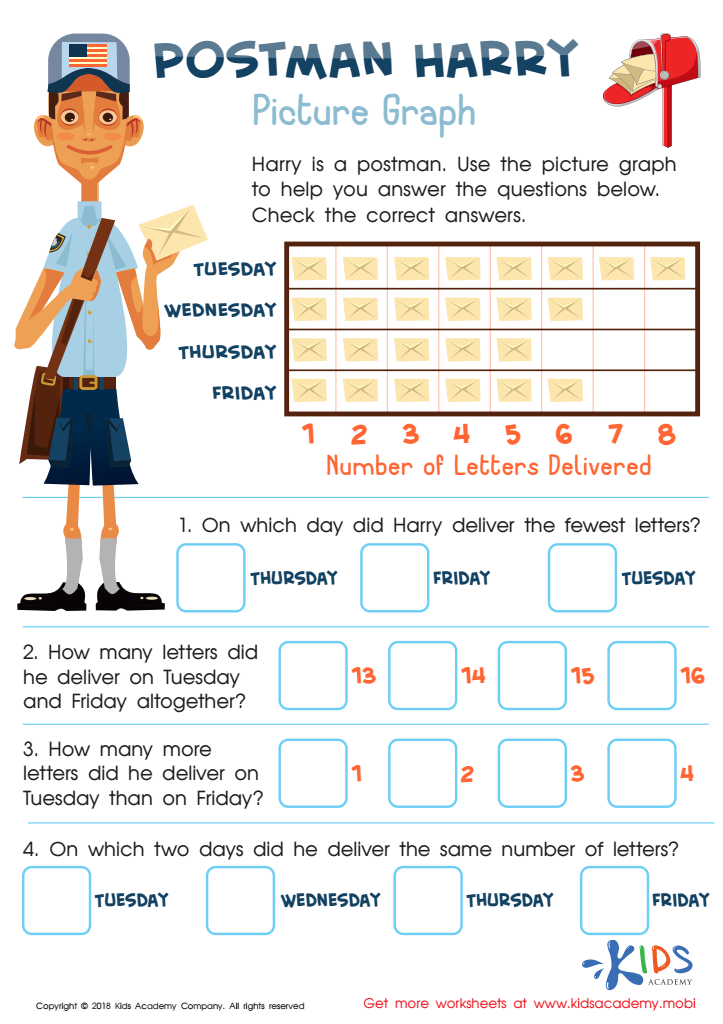
Postman Harry: Picture Graph Worksheet
 Assign to My Students
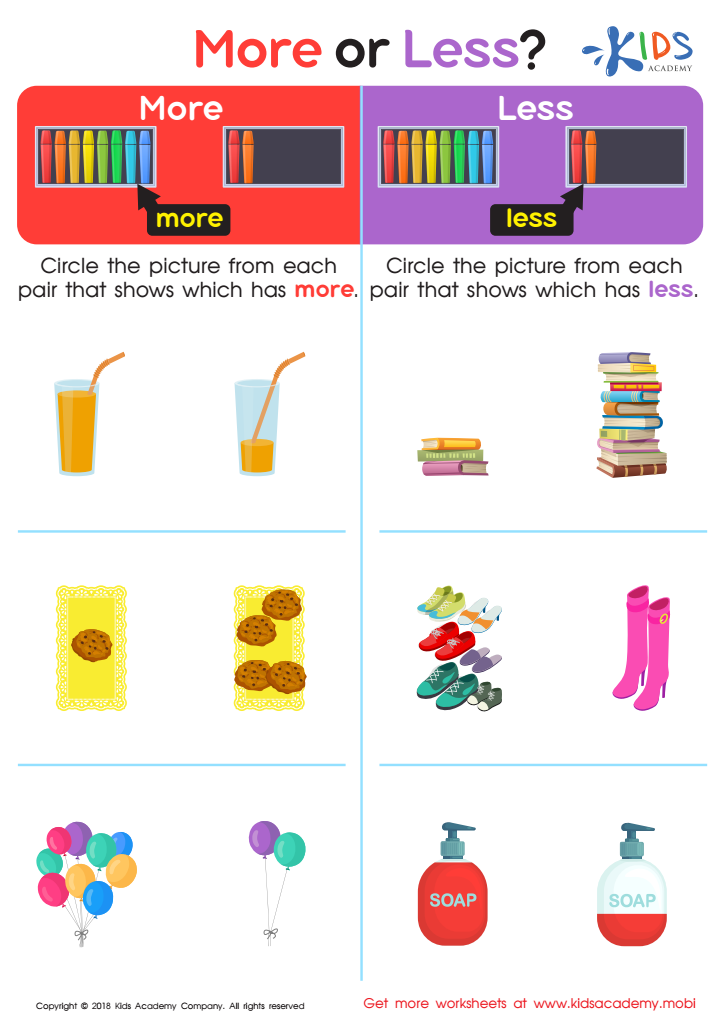
More or Less? Worksheet
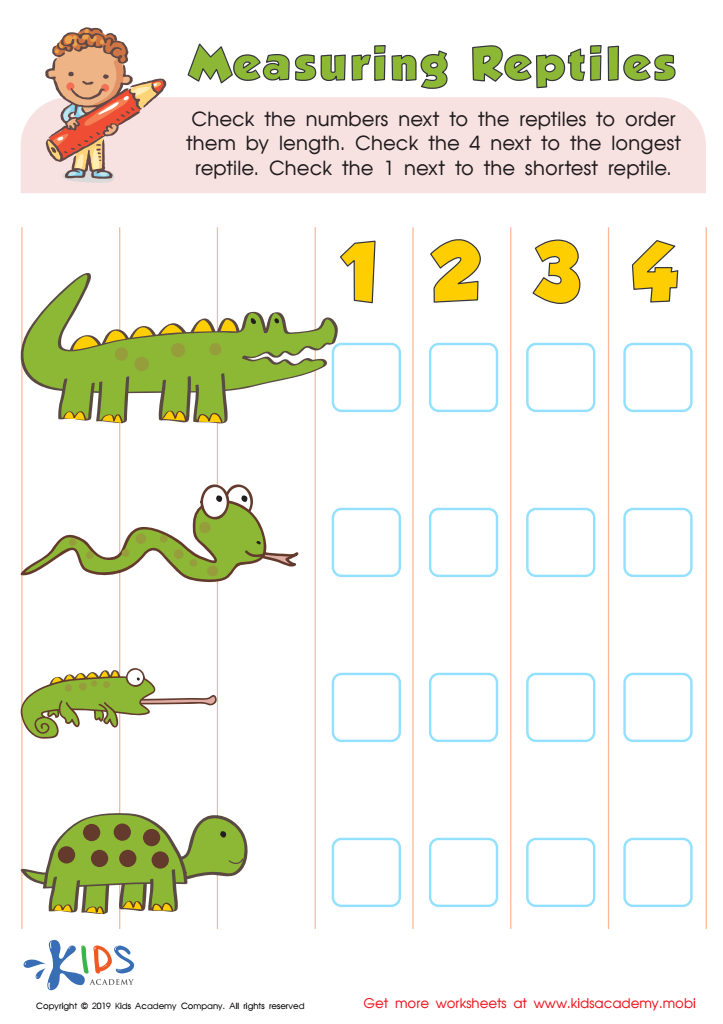
Measuring Reptiles Worksheet
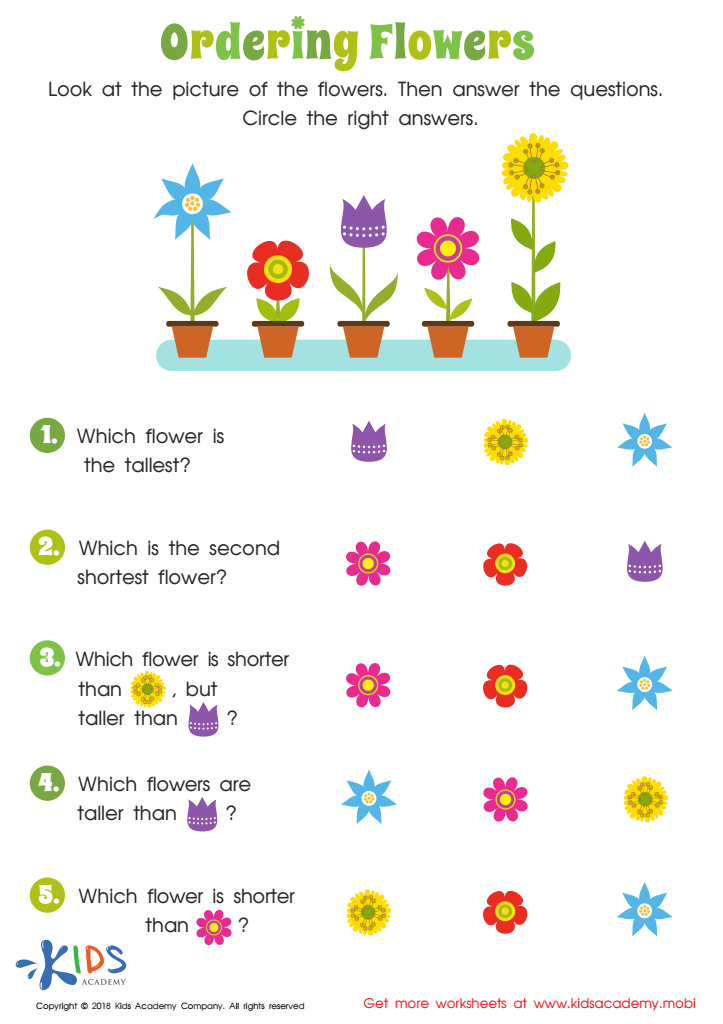
Ordering Flowers Worksheet
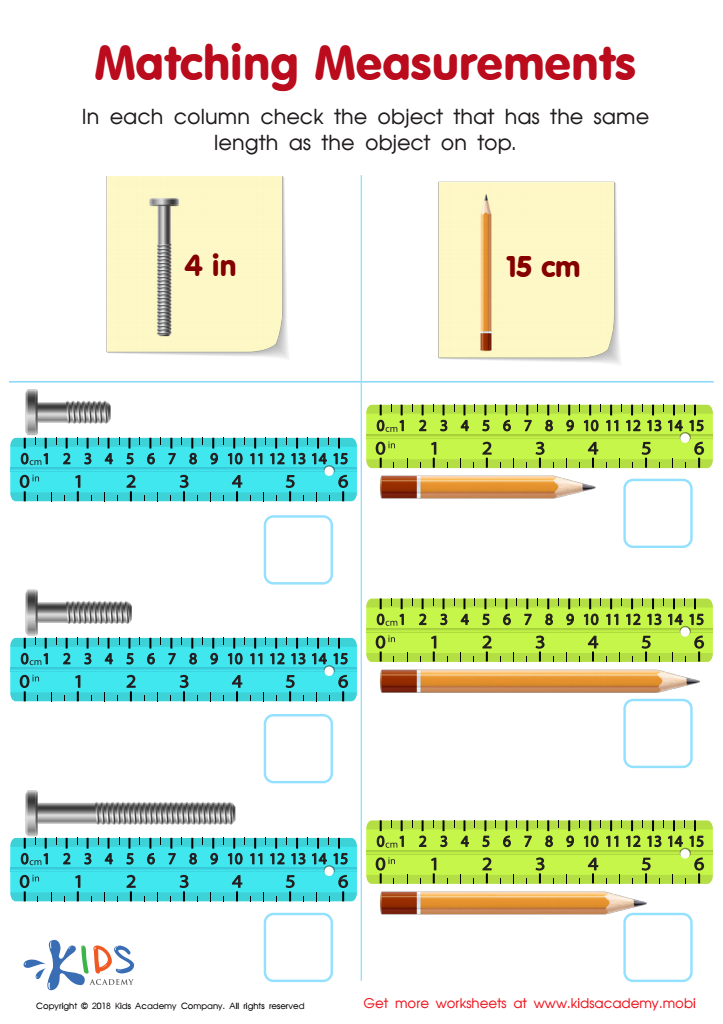
Matching Measurements Worksheet
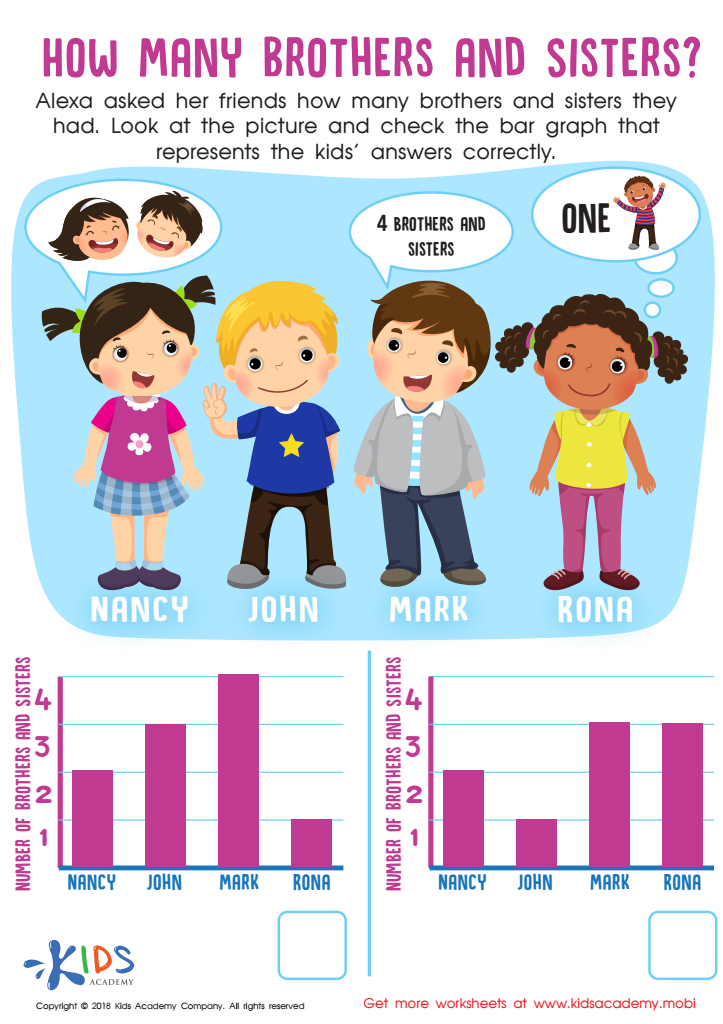
How Many Brothers and Sisters? Worksheet
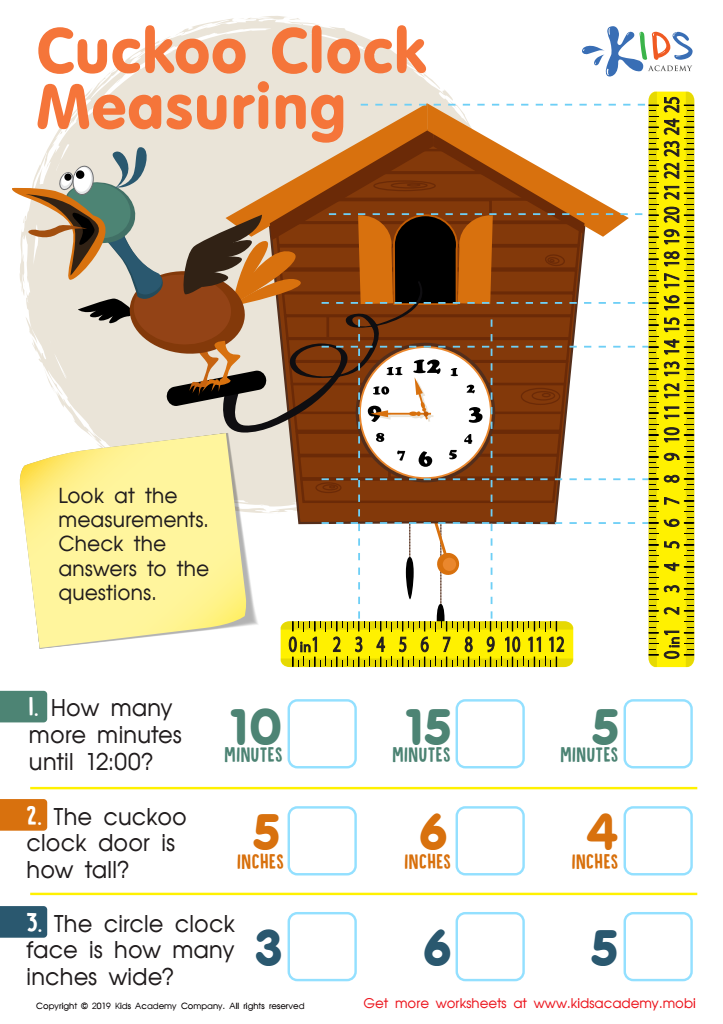
Cuckoo Clock Measuring Worksheet
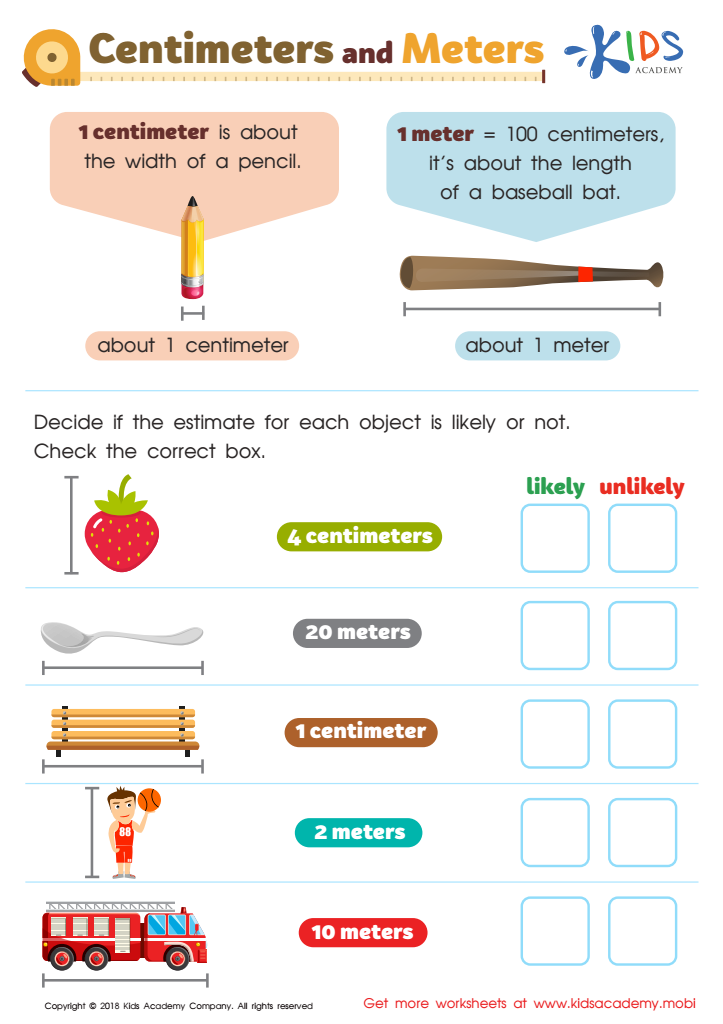
Centimeters and Meters Worksheet
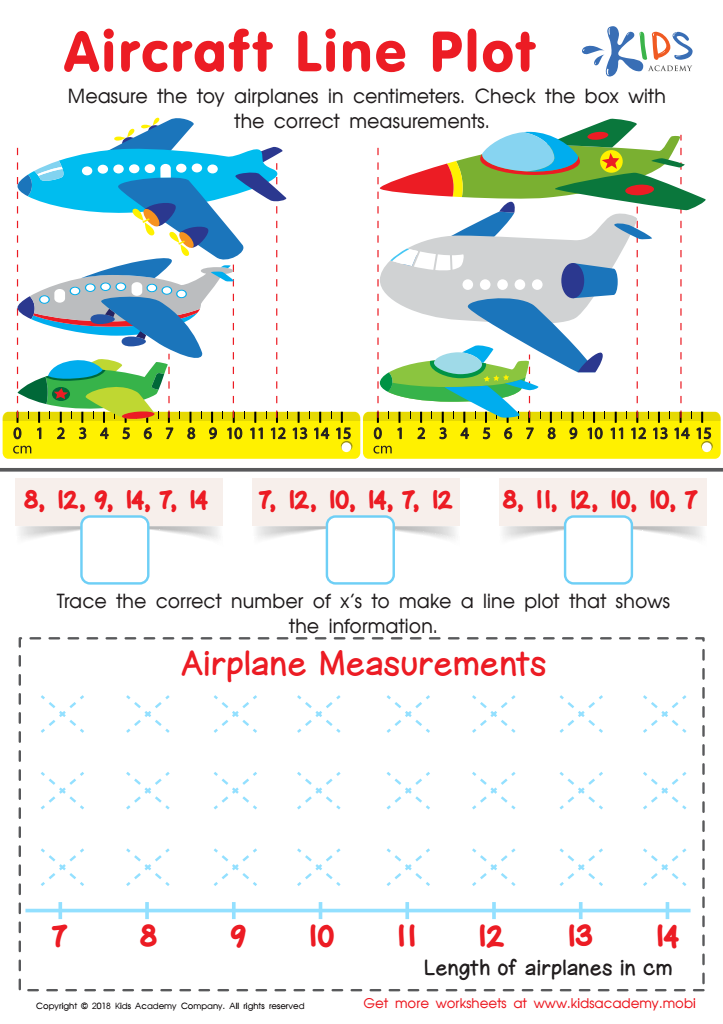
Aircraft Line Plot Worksheet
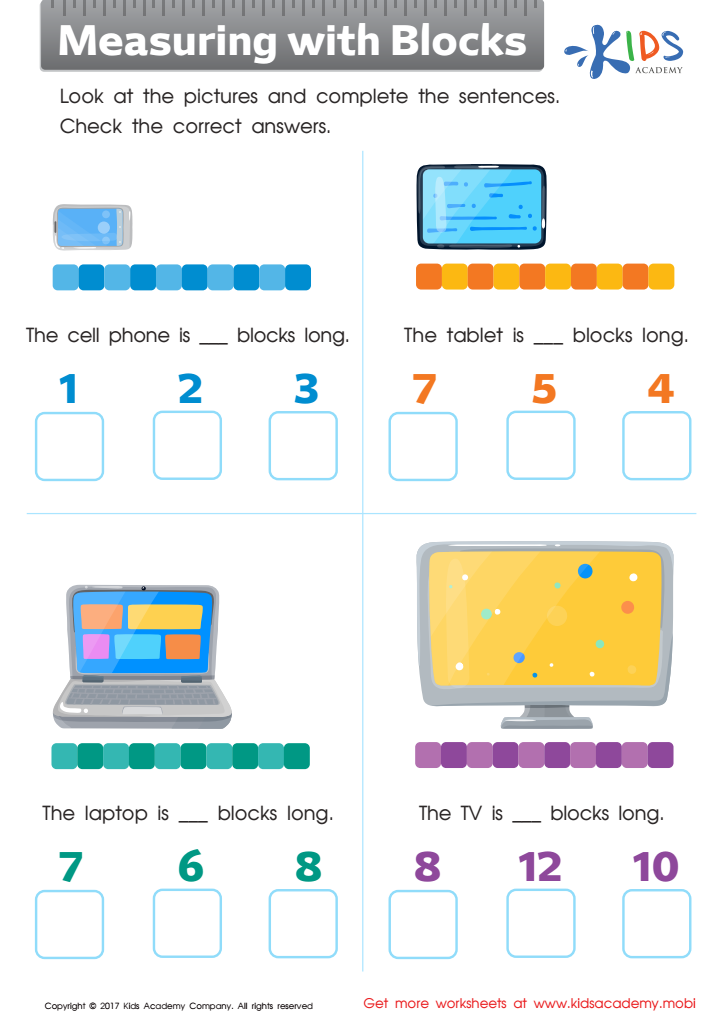
Measuring with Blocks Worksheet
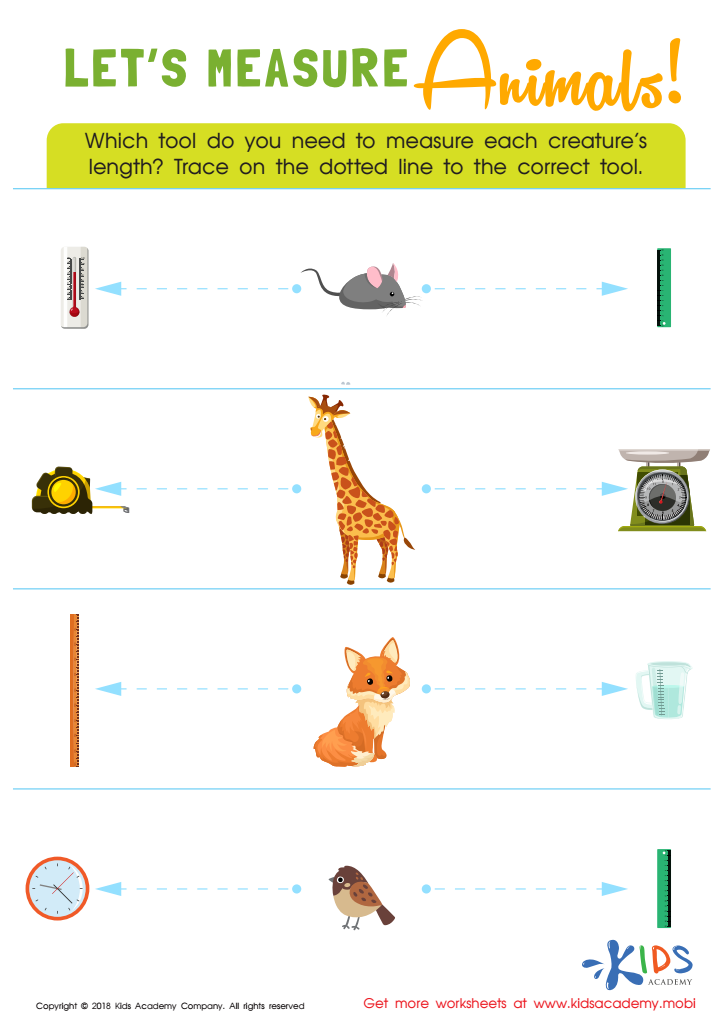
Let's Measure Animals! Worksheet
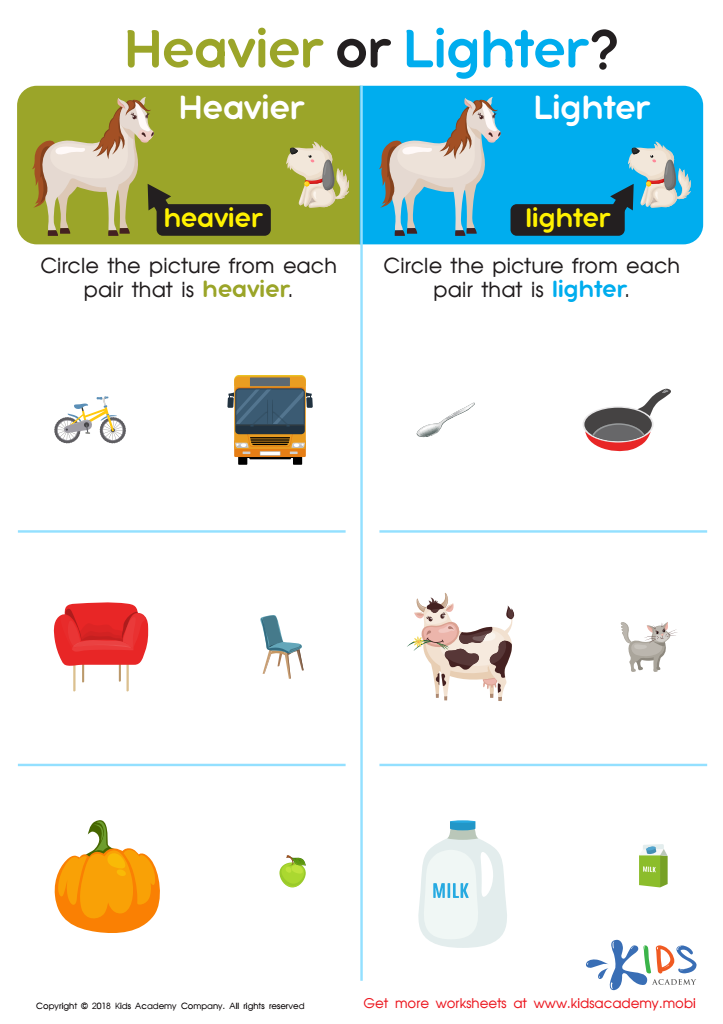
Heavier or Lighter? Worksheet
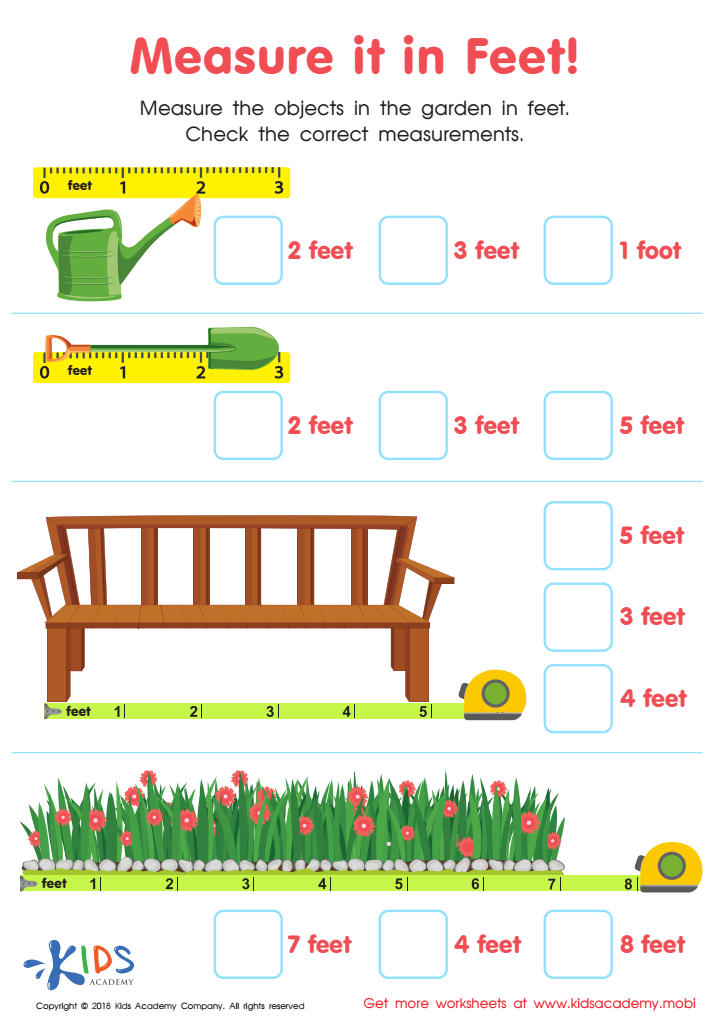
Measure it in Feet Worksheet
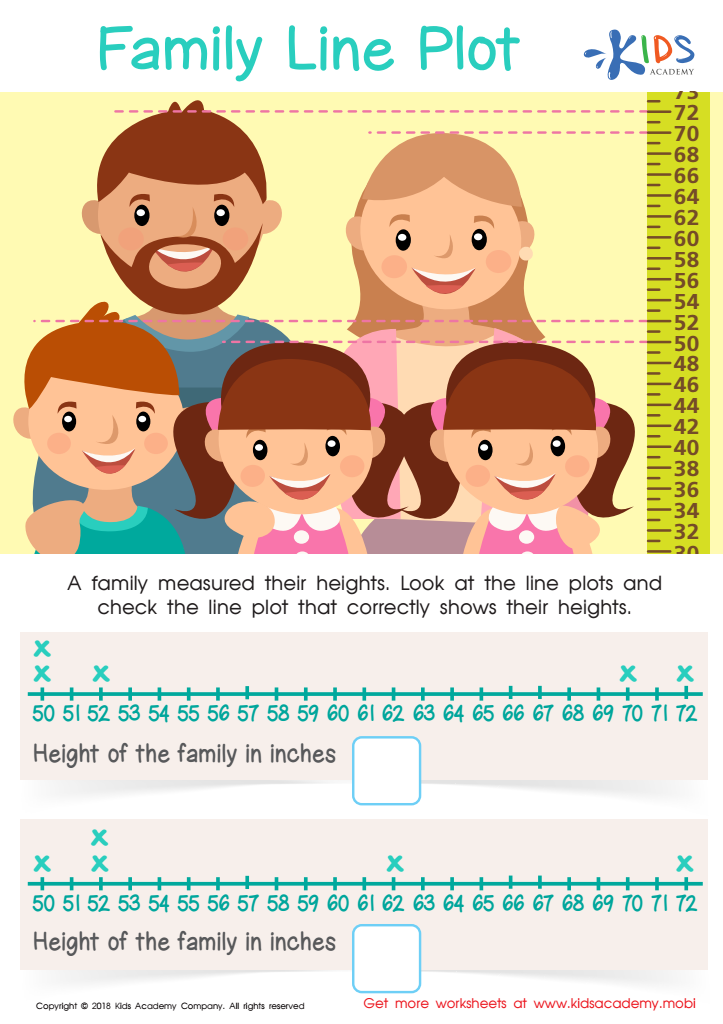
Family Line Plot Worksheet
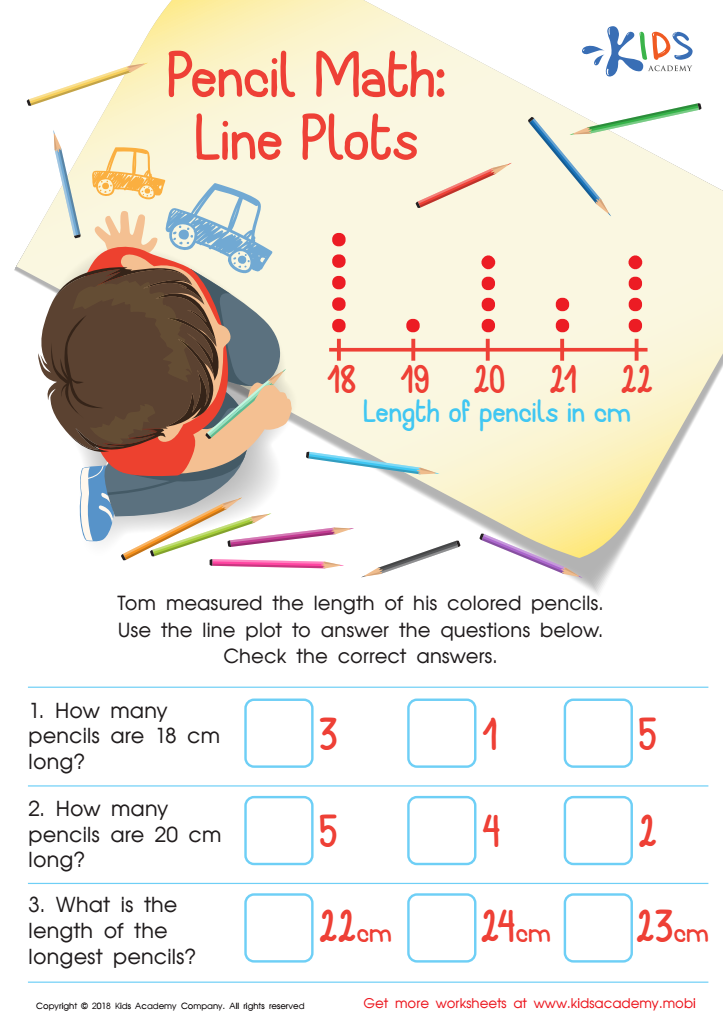
Pencil Math: Line Plots Worksheet
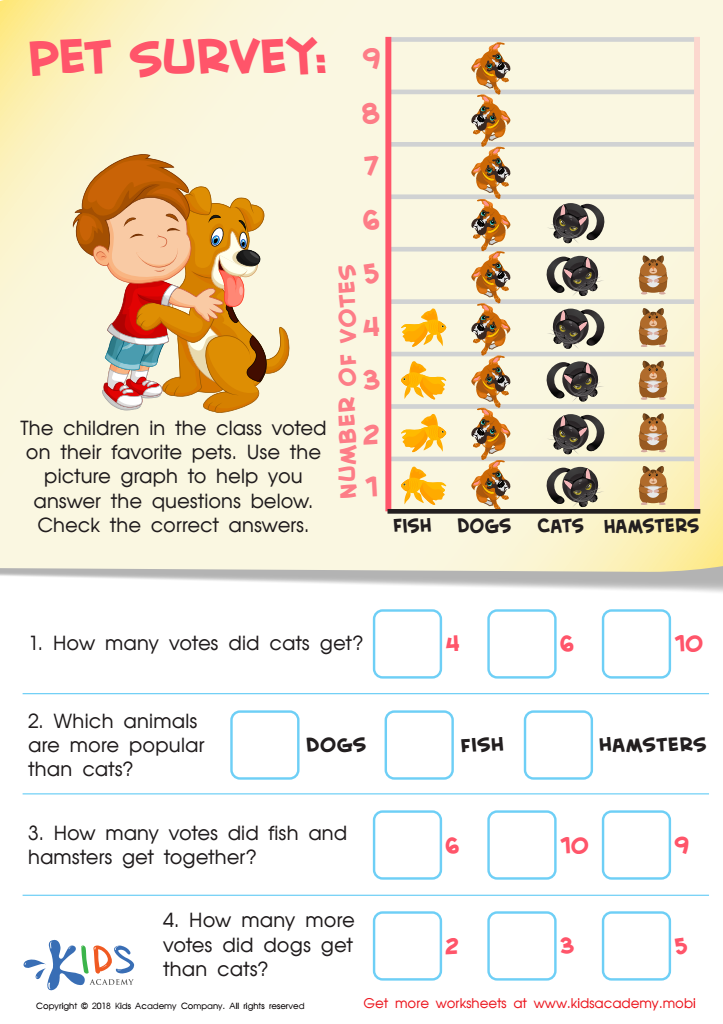
Pet Survey Worksheet
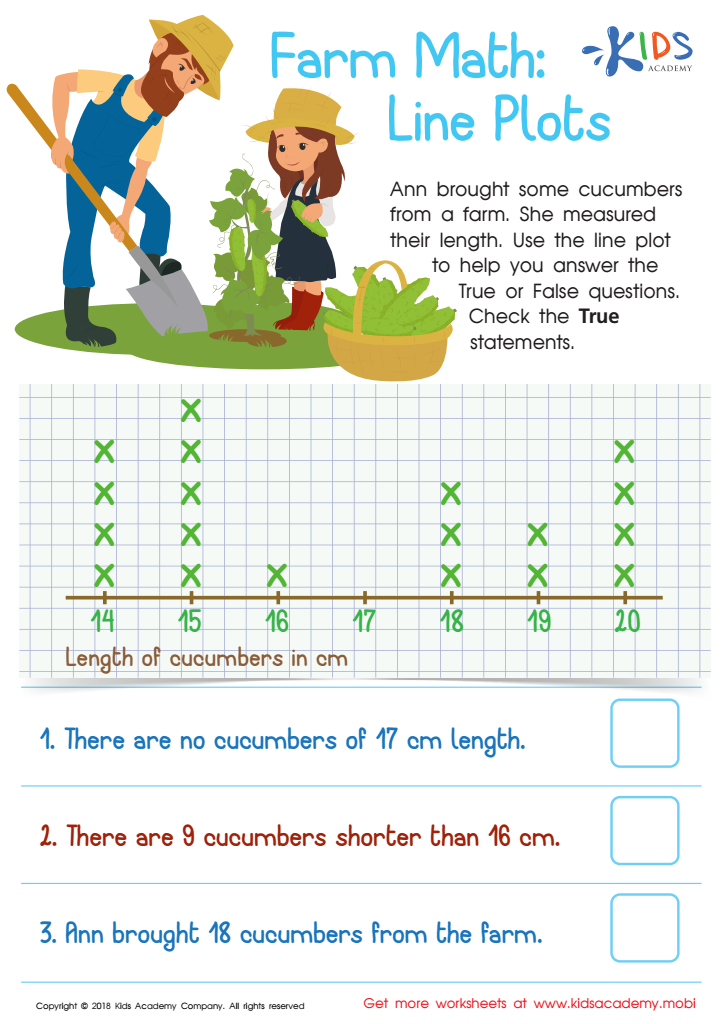
Farm Math: Line Plots Worksheet
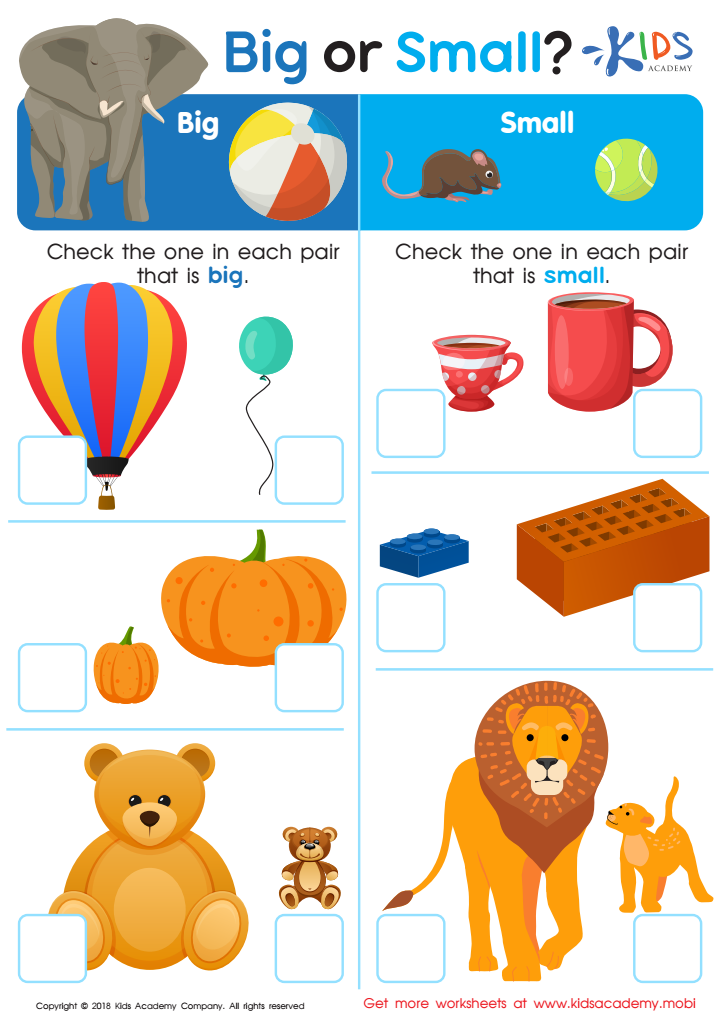
Big or Small? Worksheet
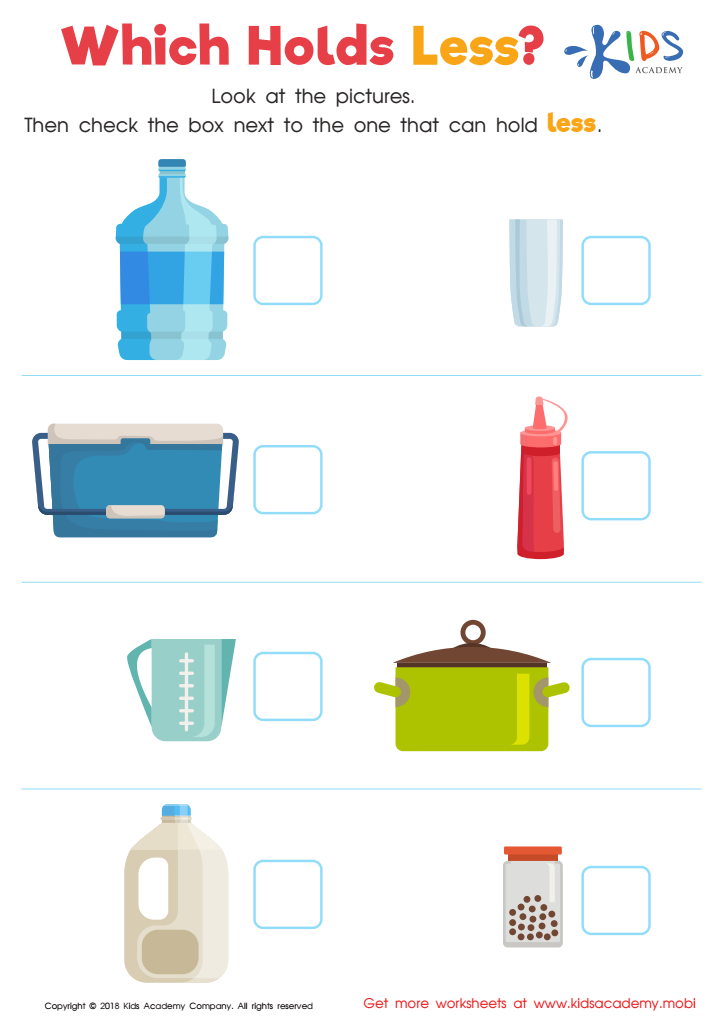
Which Holds Less? Worksheet








Introducing easy measurement concepts to children aged 4-7 is crucial for their overall development and sets the foundation for future learning. At this impressionable age, kids are naturally curious and receptive to new information. Understanding measurement helps them grasp basic mathematical concepts that are relevant to everyday life. For instance, learning about length, weight, and capacity strengthens their cognitive abilities and enhances problem-solving skills.
Additionally, measurement activities serve as an excellent way to develop fine motor skills when they use rulers, scales, or measuring cups. These activities can be both fun and educational, holding the child's interest while promoting learning. Measurement also integrates well with other subjects like science, where children can measure plant growth or explore differences in materials.
Moreover, early measurement activities foster key social skills when done in group settings, encouraging teamwork and communication. Setting up simple measurement tasks helps children gain confidence and develop independence, as they learn to compare objects and understand the basic principles of estimation and accuracy.
In summary, teaching easy measurement concepts during these formative years lays a strong foundational framework that benefits broader educational development, fosters essential motor and social skills, and enhances everyday problem-solving abilities.








