Easy Beginning Sounds Worksheets for Ages 6-9
3 filtered results
-
From - To
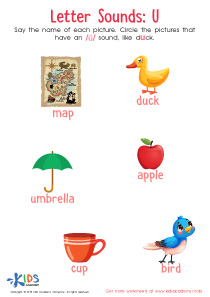
Our "Easy Beginning Sounds Worksheets for Ages 6-9" offer a fun and engaging way for young learners to develop essential phonics skills. Designed specifically for children aged 6-9, these printable worksheets help students identify and match beginning sounds with the corresponding letters. With a variety of activities including coloring, matching, and writing, kids build confidence and improve their reading readiness. Perfect for both classroom settings and at-home practice, these worksheets aim to foster a love for learning while providing a strong foundation in early literacy. Give your child a head start in reading with our easy and exciting beginning sounds resources.
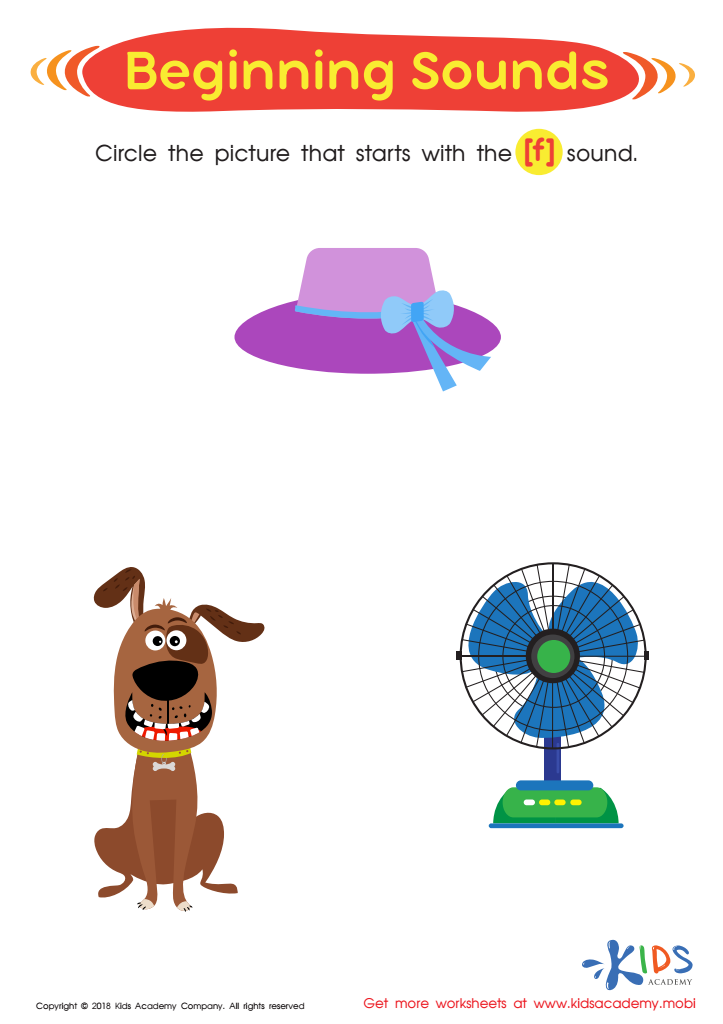
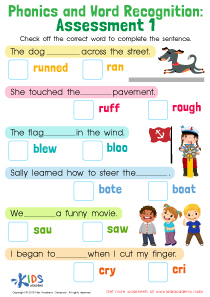
Beginning Sounds Assessment Printable
 Assign to My Students
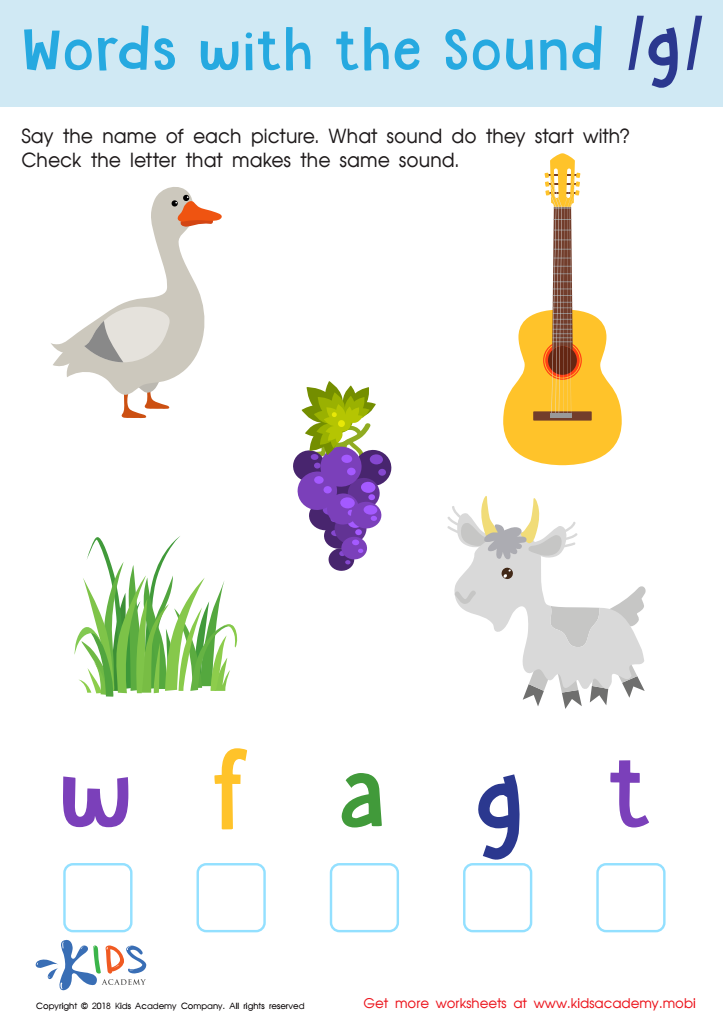
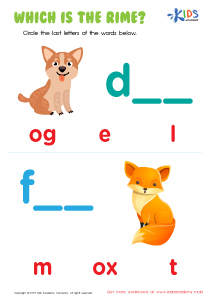
Words with sound g Reading Worksheet
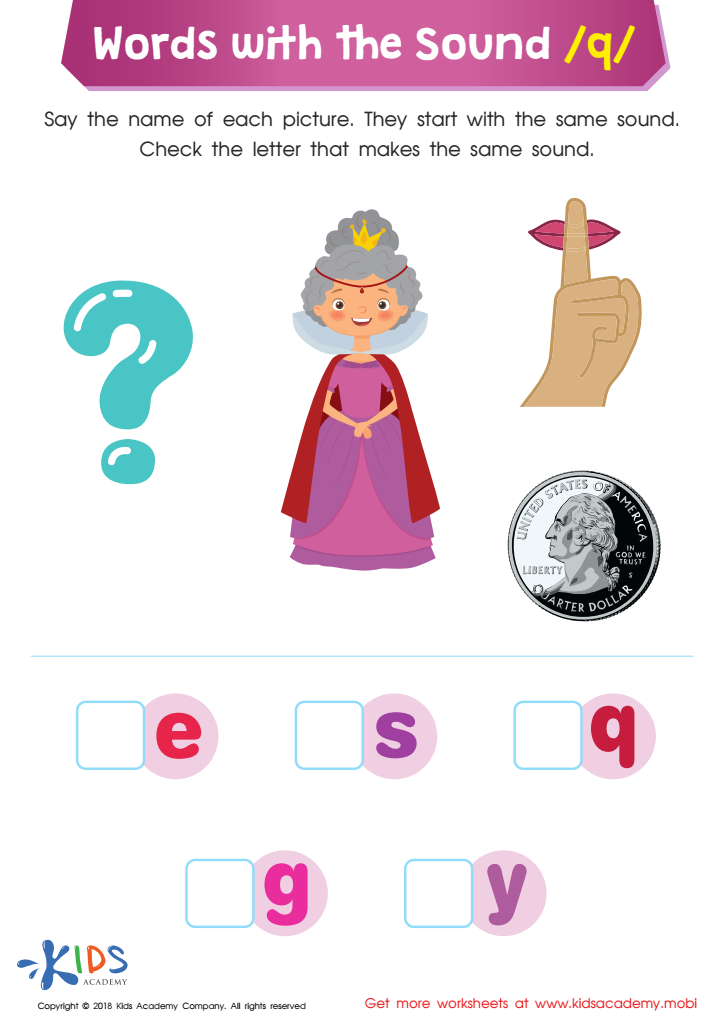
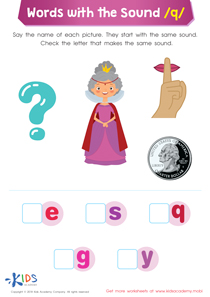
Words with Sound Q Reading Worksheet








Parents and teachers should care about teaching Easy Beginning Sounds to children aged 6-9 because it lays a fundamental foundation for reading and writing. This age range encompasses crucial developmental years when kids are transitioning from recognizing letters to forming words and understanding sentence structure. Mastering beginning sounds equips children with the essential skills to decode words, a key aspect of reading, which in turn enhances their comprehension abilities.
Phonemic awareness, particularly the ability to recognize and produce beginning sounds, directly relates to future reading success. Children who easily grasp beginning sounds tend to excel in spelling and writing because they can break down words into smaller sound units. This skill also boosts their confidence, instilling a love for reading and learning.
Moreover, early intervention in developing these skills can bridge learning gaps. Children who struggle with phonemic awareness are at risk of falling behind in literacy. By focusing on Easy Beginning Sounds, parents and teachers can provide targeted support to ensure every child reaches their potential.
In summary, paying attention to this aspect of literacy education early on fosters a strong, positive trajectory for children's overall academic journey, making it crucial for parents and teachers to prioritize it.