Normal Consonants Worksheets for Ages 6-9 - Page 2
26 filtered results
-
From - To
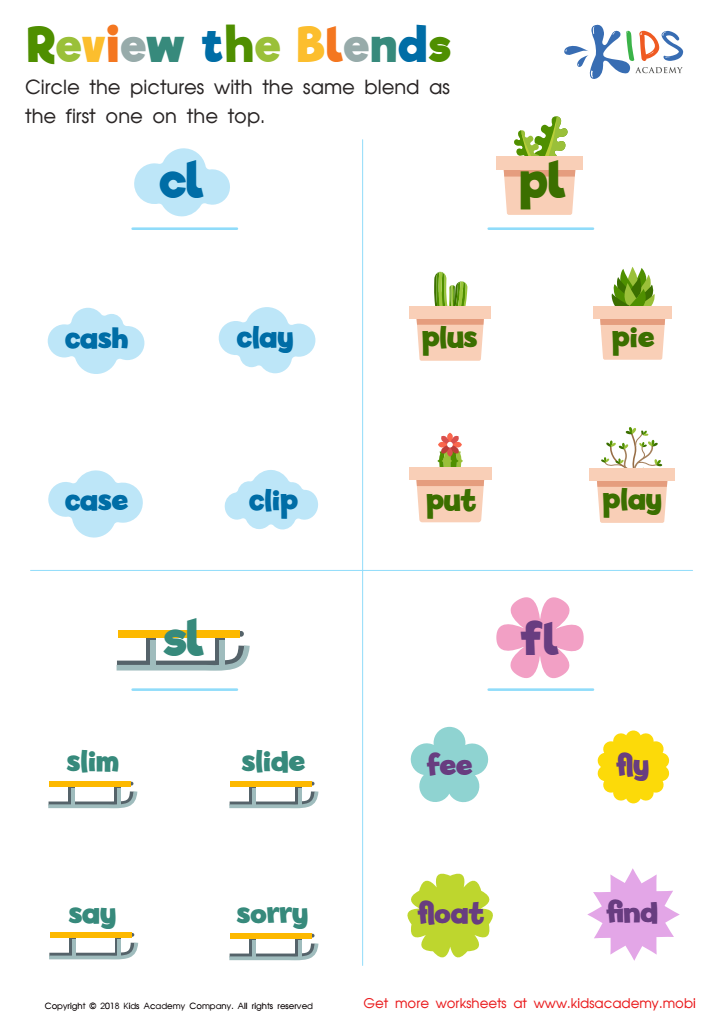
Review the Blends Worksheet
 Assign to My Students
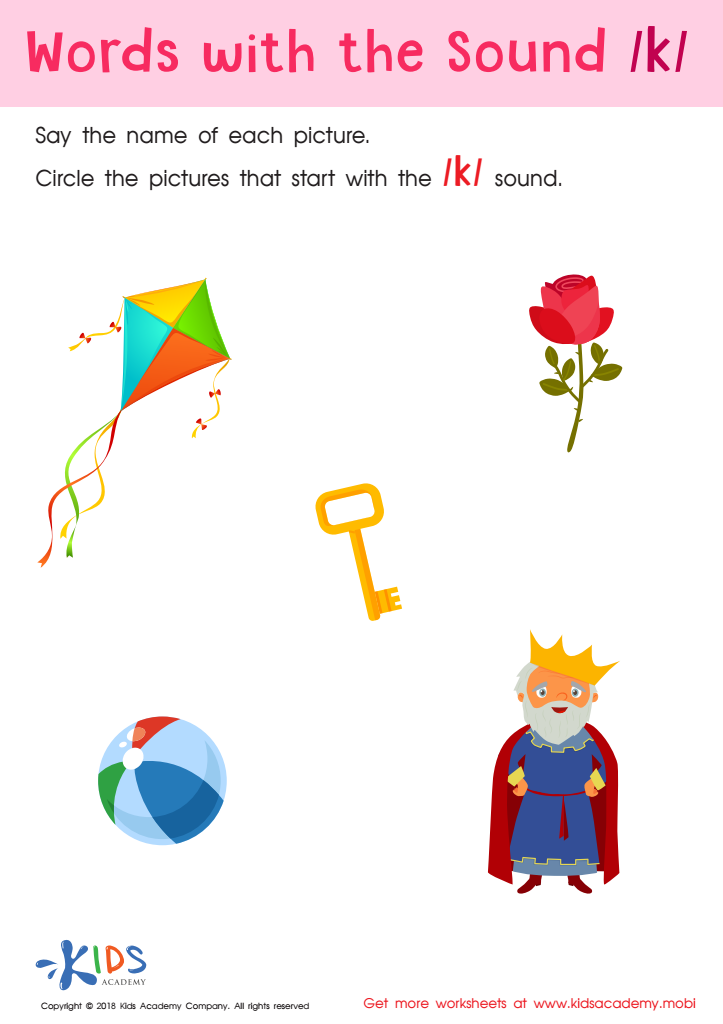
Words with sound k Reading Worksheet



Parents and teachers should prioritize understanding Normal Consonants for children aged 6-9 because these foundational phonetic elements are crucial for literacy development. At this age, children are typically learning to read and write, and having a strong grasp of consonant sounds aids in decoding words. Mastery of consonants enables children to blend sounds, which is essential for reading fluency and comprehension.
Fostering phonemic awareness through normal consonant recognition enhances vocabulary growth. Children who are familiar with how consonants function can better tackle unfamiliar words and expand their language skills. Additionally, this knowledge supports spelling proficiency, as many spelling rules are built around consonant sounds.
Moreover, Instilling confidence and competence in language skills during these formative years sets the stage for a positive attitude towards education. Kids who struggle with language can develop frustration, which may lead to aversions to reading and writing. By emphasizing consonants in lessons and home practice, parents and teachers can create engaging learning experiences that cater to children's developmental stages.
Ultimately, investing time in consonant mastery not only cultivates essential literacy skills but also nurtures a lifelong love for reading and communication. A well-rounded language foundation is key to academic success and personal growth.