Reading Skills Easy Elementary Phonics Worksheets for Ages 3-4
3 filtered results
-
From - To
Discover our engaging Easy Elementary Phonics Worksheets designed specifically for children ages 3-4, perfect for building essential reading skills! Our interactive worksheets incorporate fun activities that help young learners recognize letters, sounds, and word formation. Each worksheet is crafted to spark interest and promote phonemic awareness, making early reading a joyful experience. Whether at home or in the classroom, these resources are ideal for enhancing foundational literacy skills in a playful manner. Encourage your child's love for reading while ensuring they develop the confidence needed for future learning adventures. Dive into our collection today and watch your little one's reading journey begin!
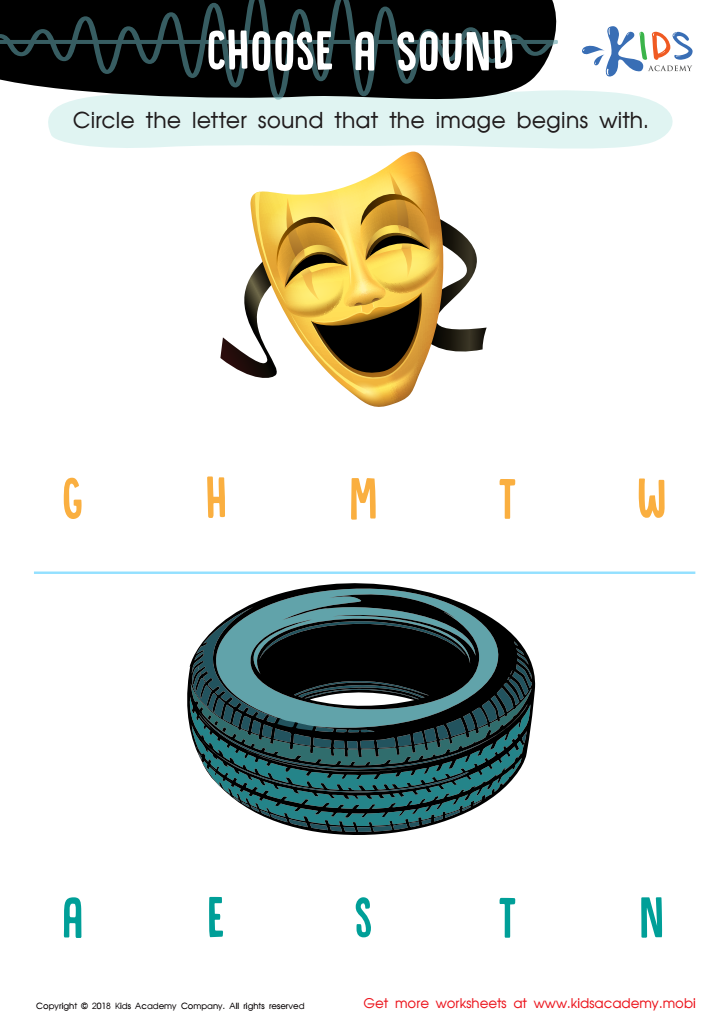
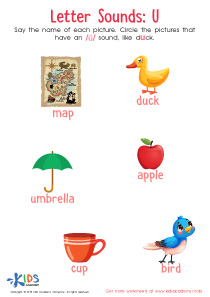
Choose a Sound Worksheet
 Assign to My Students
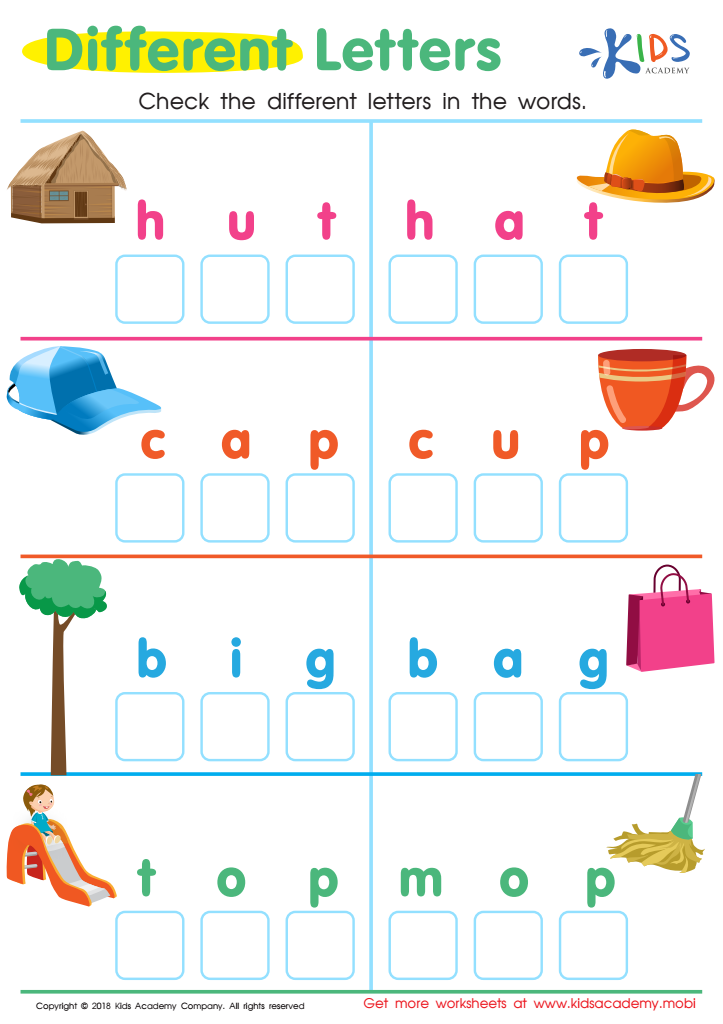
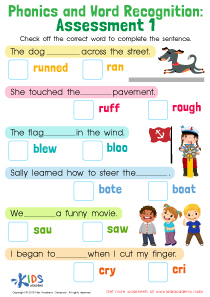
Different Letters Reading Worksheet
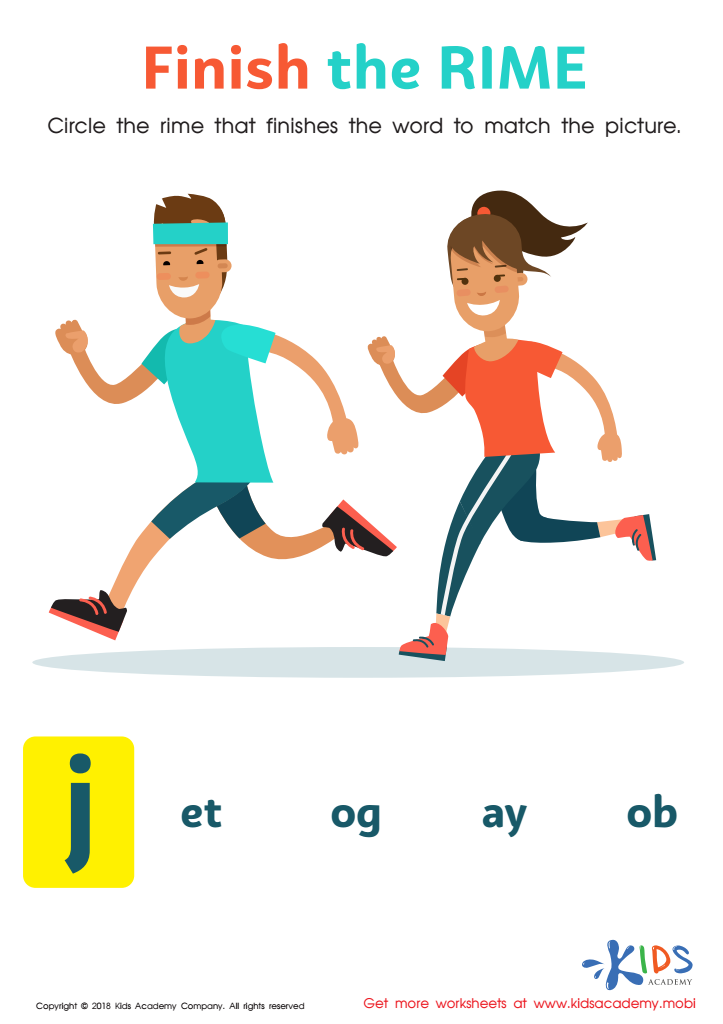
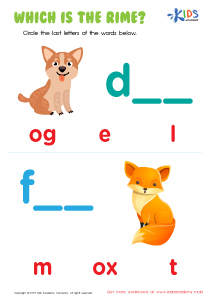
Finish the Rime Worksheet




Reading skills are crucial for young learners, and the "Easy Elementary Phonics for Ages 3-4" program provides a foundational framework that is essential for their literacy development. Parents and teachers should care because this stage is critical for language acquisition; phonics instruction equips children with the ability to understand the relationship between letters and sounds, facilitating reading and writing.
Moreover, early exposure to phonics has been shown to enhance vocabulary, listening skills, and overall communication abilities, laying the groundwork for later academic success. By engaging children in fun and interactive phonics activities, caregivers can nurture a love for reading, making learning enjoyable and memorable. When children acquire these essential skills at a young age, they gain confidence and independence in their reading abilities, boosting their self-esteem and encouraging lifelong learning.
Furthermore, strong reading skills in early childhood are linked to better performance in later grades. Therefore, investing time and resources into phonics programs not only supports children’s immediate learning but also fosters long-term educational development. By prioritizing early literacy through phonics, parents and teachers create a strong, supportive pathway that encourages curiosity, critical thinking, and a passion for reading throughout life.