Writing practice Easy Alphabet Worksheets for Ages 3-4
3 filtered results
-
From - To
Introduce your little ones to the world of writing with our "Writing Practice Easy Alphabet Worksheets for Ages 3-4." Featuring intuitive, easy-to-follow exercises, these worksheets are perfect for fostering early literacy and fine motor skills in preschoolers. Each activity is designed to make learning fun, engaging, and effective by combining playful elements with educational content. Focused on one alphabet letter per sheet, children can practice tracing, writing, and recognizing letters at their own pace. Encourage a lifelong love for learning by helping your child master the basics of writing with these expertly crafted resources.
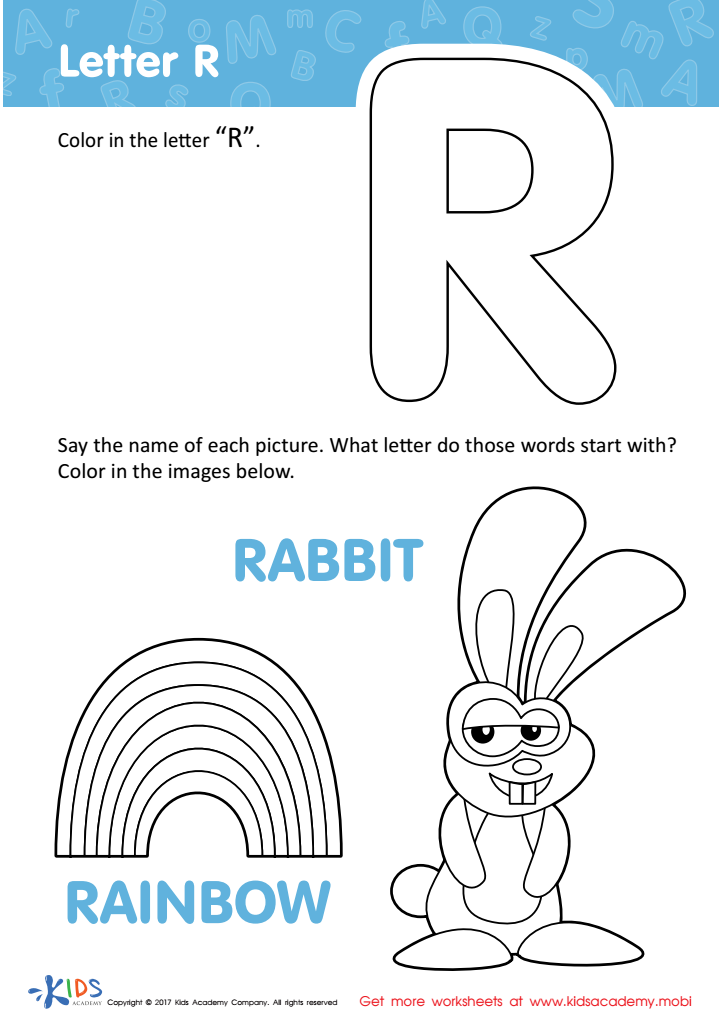
Letter R Coloring Sheet
 Assign to My Students
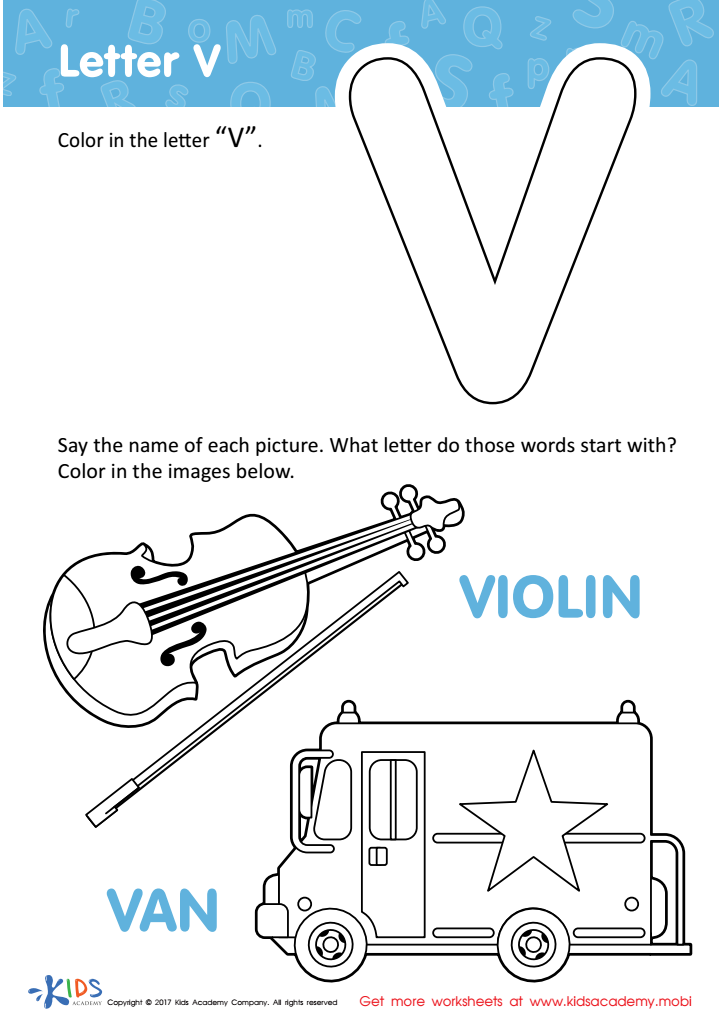
Letter V Coloring Sheet
Assign to My Students
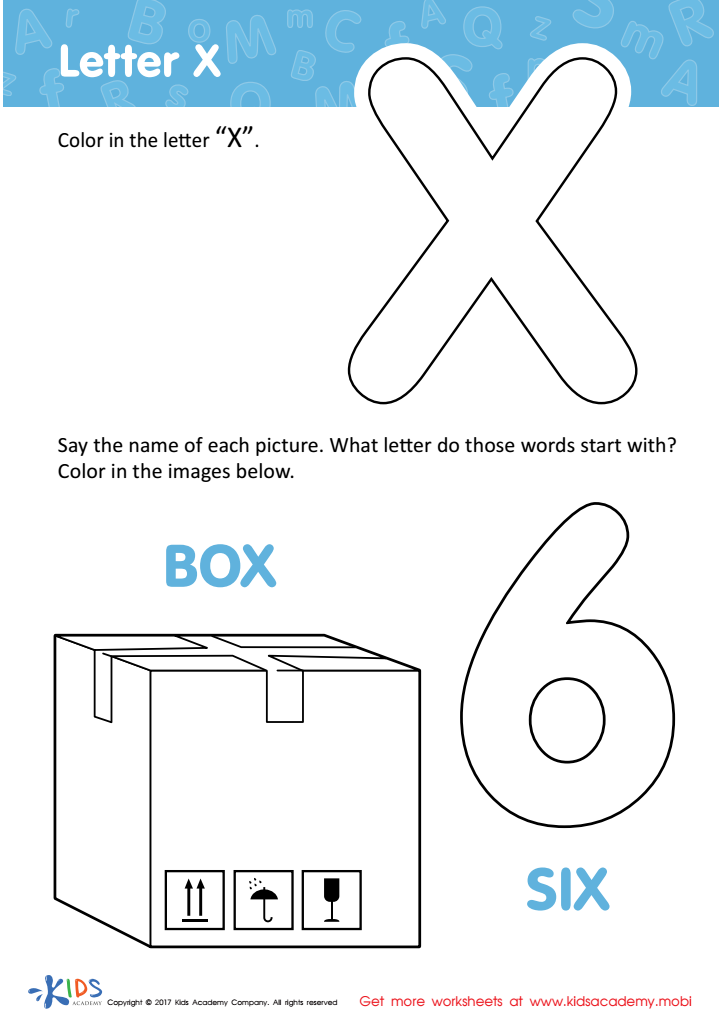
Letter X Coloring Sheet
Assign to My Students








Parents and teachers should prioritize "Writing Practice Easy Alphabet" for children aged 3-4 because early writing skills are foundational for later academic success and cognitive development. At this tender age, children's brains exhibit remarkable neuroplasticity, meaning that they can form new neural connections more easily. Engaging in writing practice helps fine-tune their motor skills by developing hand-eye coordination and improving dexterity. This is crucial not just for writing but for other daily tasks and activities.
Learning to write the alphabet also builds language skills. It encourages letter recognition, phonemic awareness, and eventually, reading readiness. When children repeatedly practice writing letters, they start to understand the relationship between sounds and symbols, which is a key step in becoming literate. Additionally, writing practice fosters attention span and concentration, skills that are beneficial across all areas of learning.
On a psychological level, mastering the basics of writing allows young children to experience a sense of accomplishment and boosts their self-esteem. It is an opportunity for meaningful interaction with adult caregivers, reinforcing social bonds and communication skills. Ultimately, investing time in writing practice equips children with essential tools for more complex educational endeavors and lifelong learning.