Addition skills Easy Addition and Subtraction Word Problems Worksheets for Ages 3-4
3 filtered results
-
From - To
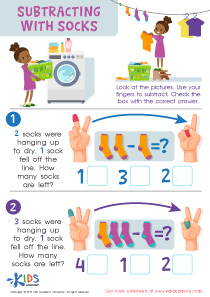
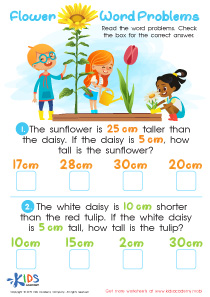
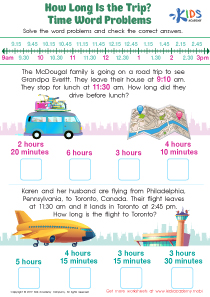
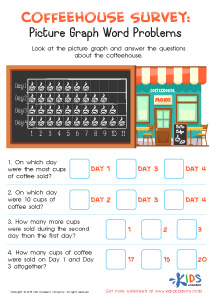
Unlock your child's math potential with our engaging addition and subtraction word problems worksheets specifically designed for ages 3-4. These easy-to-understand activities introduce foundational math concepts through fun scenarios that relate to everyday life, fostering critical thinking and problem-solving skills. Each worksheet encourages kids to practice their addition and subtraction skills in a playful way, making learning enjoyable and effective. Perfect for parents and educators, these resources aim to build confidence and mastery in early math. Begin your child’s journey to becoming a math whiz with our interactive worksheets that combine learning with creativity! Explore now for a brighter mathematical future!
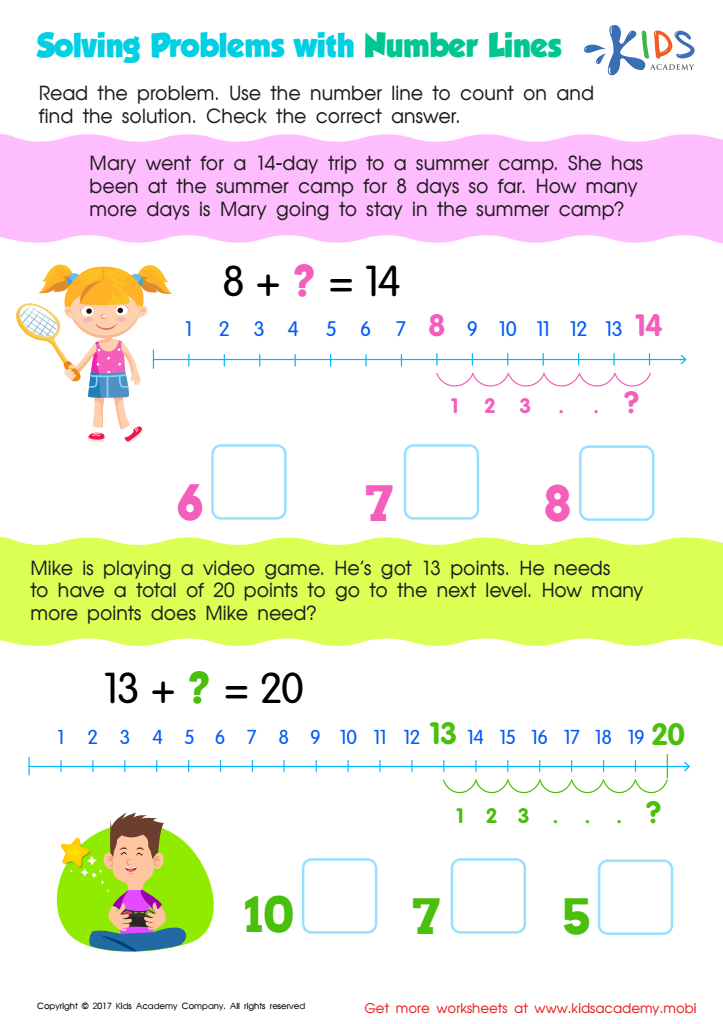
Solving Problems: Number Lines Worksheet
 Assign to My Students
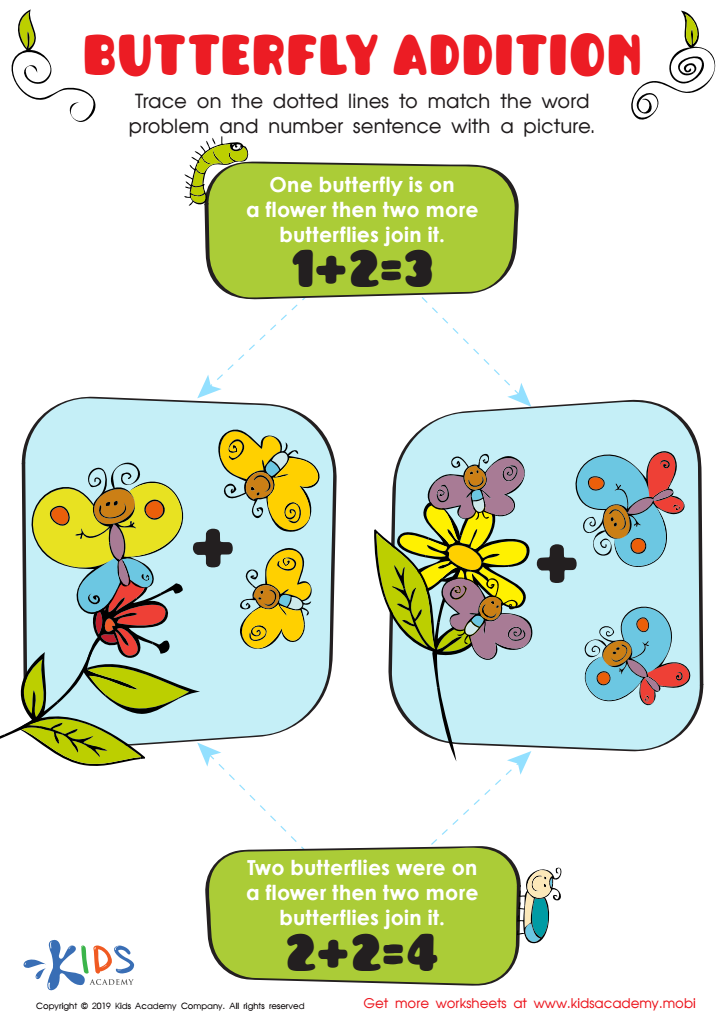
Butterfly Addition Worksheet
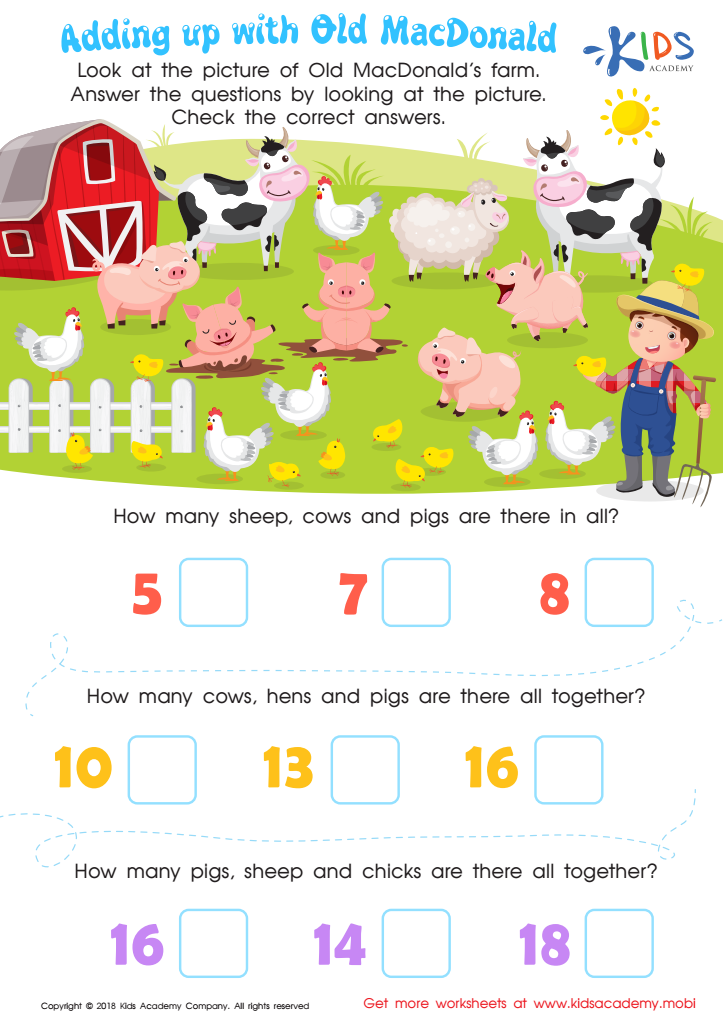
Adding Up with Old MacDonald Worksheet








Parents and teachers should prioritize teaching easy addition and subtraction word problems to children ages 3-4 for several compelling reasons. Firstly, these foundational math skills enhance cognitive development, fostering critical thinking and problem-solving abilities. When children engage with simple math scenarios incorporated into stories, they learn to visualize concepts, making abstract numbers more concrete and relatable.
Additionally, early exposure to addition and subtraction helps cultivate a positive attitude toward math. By making learning enjoyable and interactive, children associate math with playful experiences rather than stress. This early enthusiasm can lead to a lifelong love for learning and increased confidence in their abilities.
Moreover, word problems encourage verbal skills as children learn to articulate their thought processes. This dual focus on language and math not only strengthens their understanding of basic operations but also enhances communication skills.
Finally, developing these skills early on sets a strong foundation for future math learning. As children progress in their educational journey, a solid grasp of addition and subtraction prepares them for more complex math concepts and real-world applications they will encounter throughout their lives. Building these skills now ensures children are equipped to navigate both academic challenges and everyday situations effectively.