Categorization skills Easy Math Worksheets for Ages 3-4
5 filtered results
-
From - To
Discover our engaging "Categorization Skills Easy Math Worksheets" designed specifically for children aged 3-4. These worksheets help young learners develop critical thinking and organizing skills by categorizing objects, shapes, and colors. Featuring vibrant, age-appropriate illustrations, our resources make learning fun and interactive. Each worksheet encourages creativity and enhances problem-solving abilities, providing a solid foundation for early math concepts. Perfect for both the classroom and at-home learning, our worksheets are easy to print and use. Support your child's cognitive growth and make learning exciting with our categorization skills activities today!
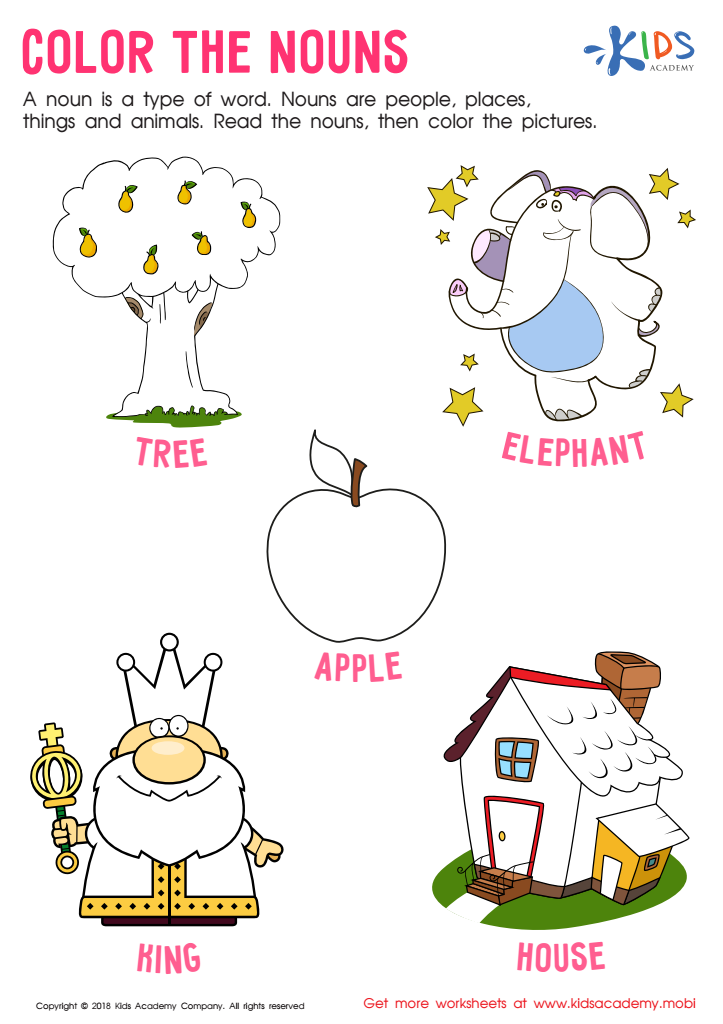
Color the Nouns Worksheet
 Assign to My Students
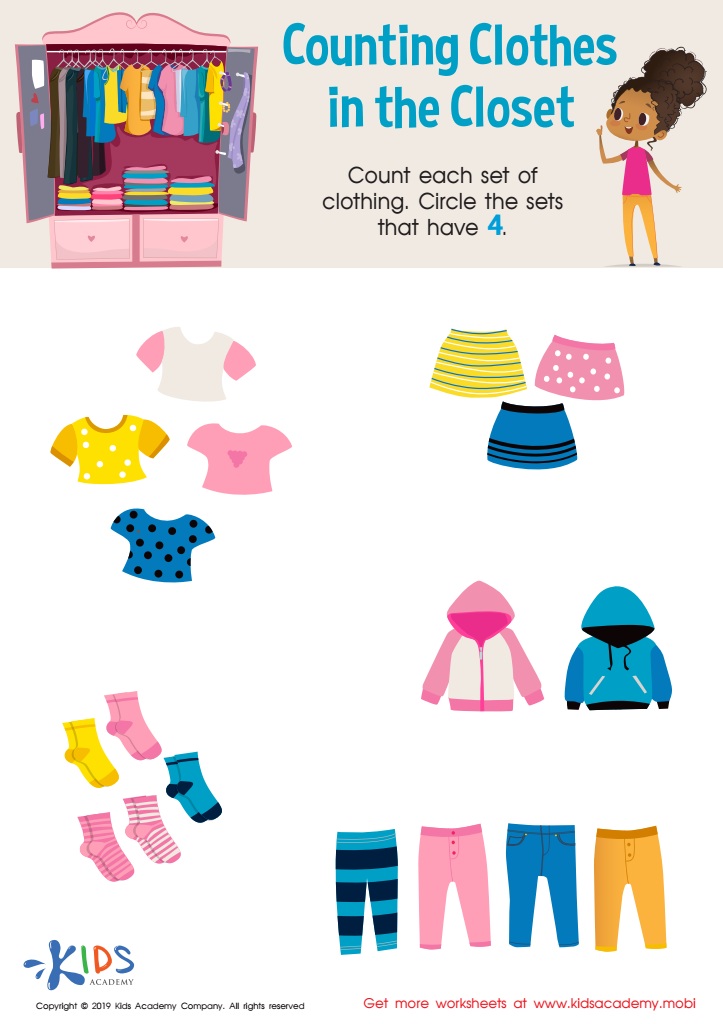
Counting Clothes Worksheet
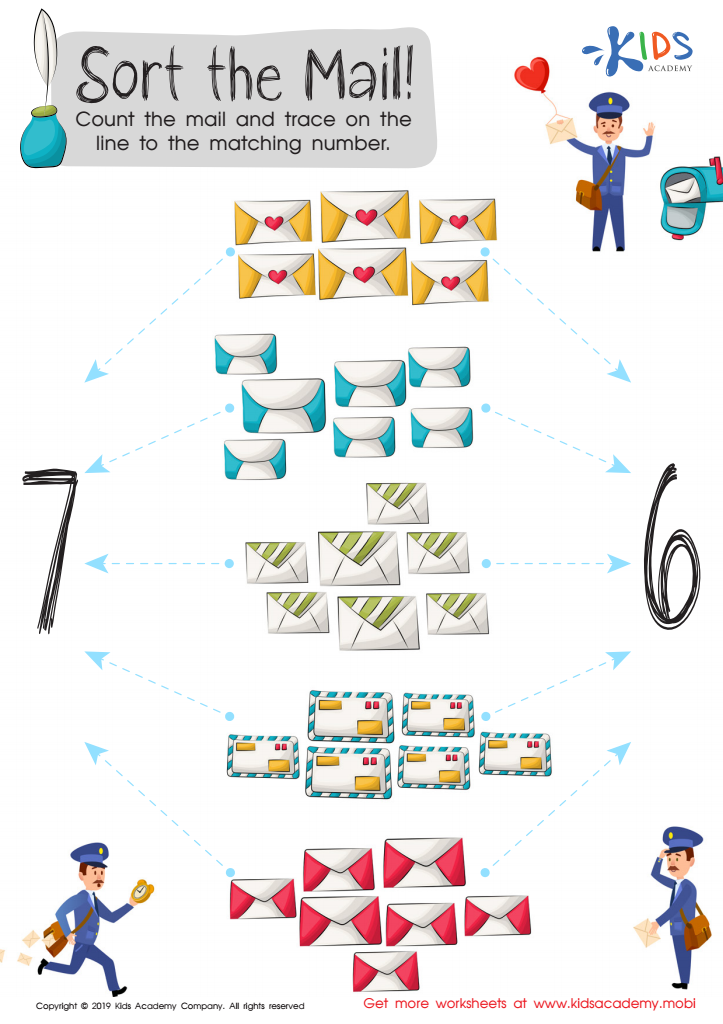
Sort the Mail Worksheet
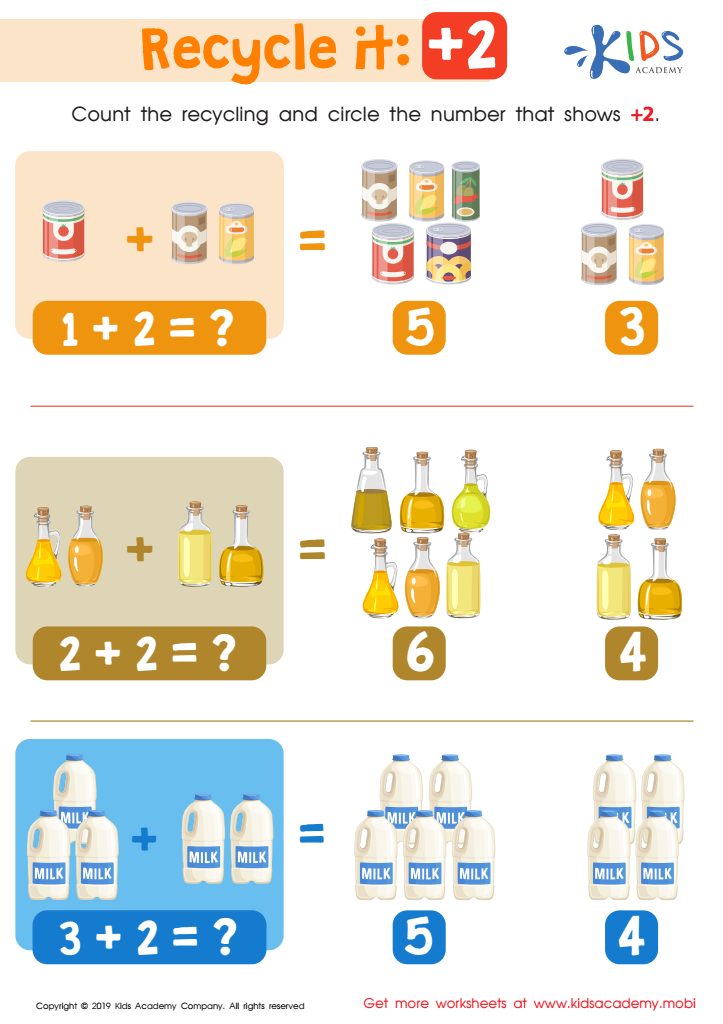
Recycle It: +2 Worksheet
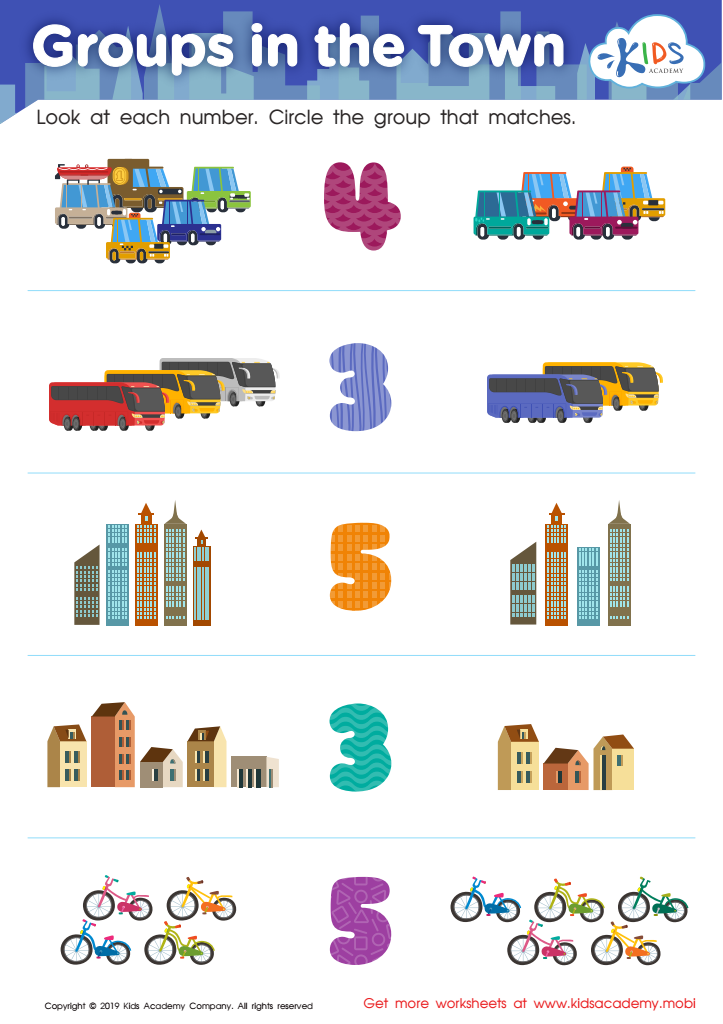
Groups in the Town Worksheet



.jpg)


Categorization skills are vital for children aged 3-4 as they lay the groundwork for critical thinking and problem-solving abilities. Parents and teachers should care about fostering these skills as they are foundational to early math learning. At this age, children are naturally curious and begin to explore the world around them by grouping objects based on characteristics such as color, shape, size, and function.
Engaging children in activities that encourage categorization helps enhance their observational skills and cognitive development. For instance, sorting toys by color or classifying animals by habitat introduces concepts of similarity and differences, promoting logical reasoning. These early experiences provide opportunities for vocabulary building and conceptual understanding, which are essential for future learning in math and other subjects.
Moreover, mastering categorization can boost a child’s confidence and independence in learning. As they categorize objects, they develop the ability to recognize patterns, which is crucial for advanced mathematical concepts like addition and subtraction later on. Ultimately, caring about and nurturing categorization skills prepares children for a successful academic journey and fosters a love for learning that can last a lifetime. It also empowers them to become more organized thinkers in everyday life.








