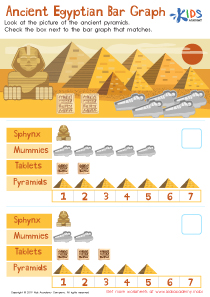
Sorting skills Easy Math Worksheets for Ages 3-4
5 filtered results
-
From - To
Enhance your child's early math development with our "Sorting Skills Easy Math Worksheets for Ages 3-4." These engaging worksheets are designed to introduce basic sorting concepts through fun and interactive activities. Children will explore sorting by colors, shapes, and sizes, promoting essential cognitive skills while fostering creativity. Each worksheet is crafted to simplify learning, ensuring children enjoy the process of organizing and categorizing objects. Perfect for parents and educators, our resources support early childhood education at home or in the classroom. Discover a variety of colorful, easy-to-use worksheets that help little learners build a solid foundation in sorting and categorization skills today!
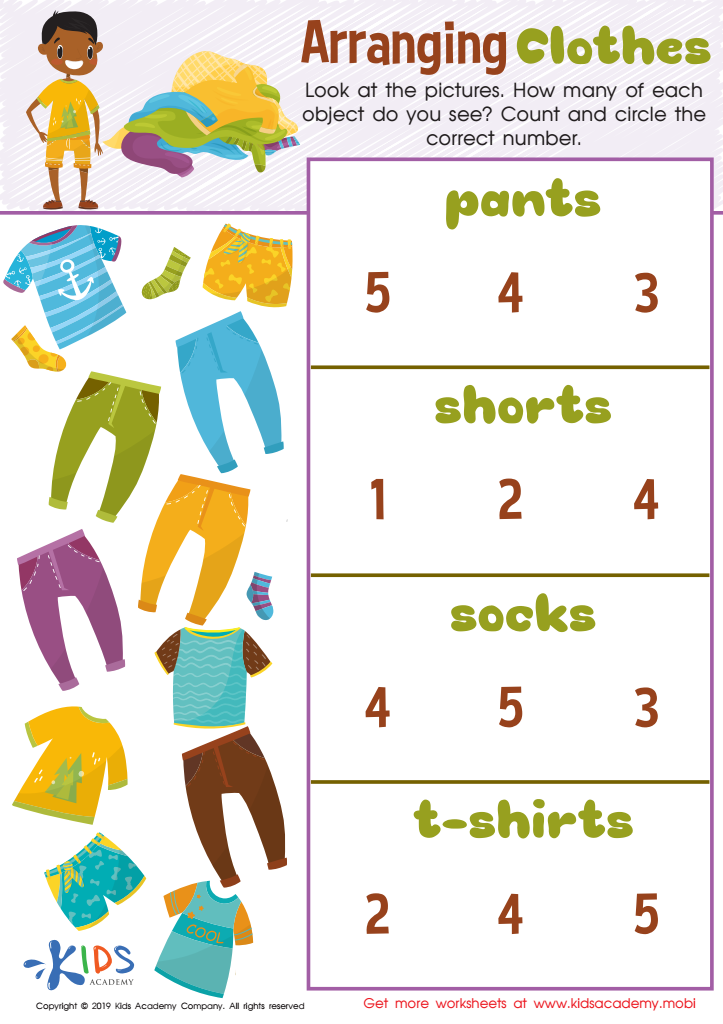
Arranging Clothes Worksheet
 Assign to My Students
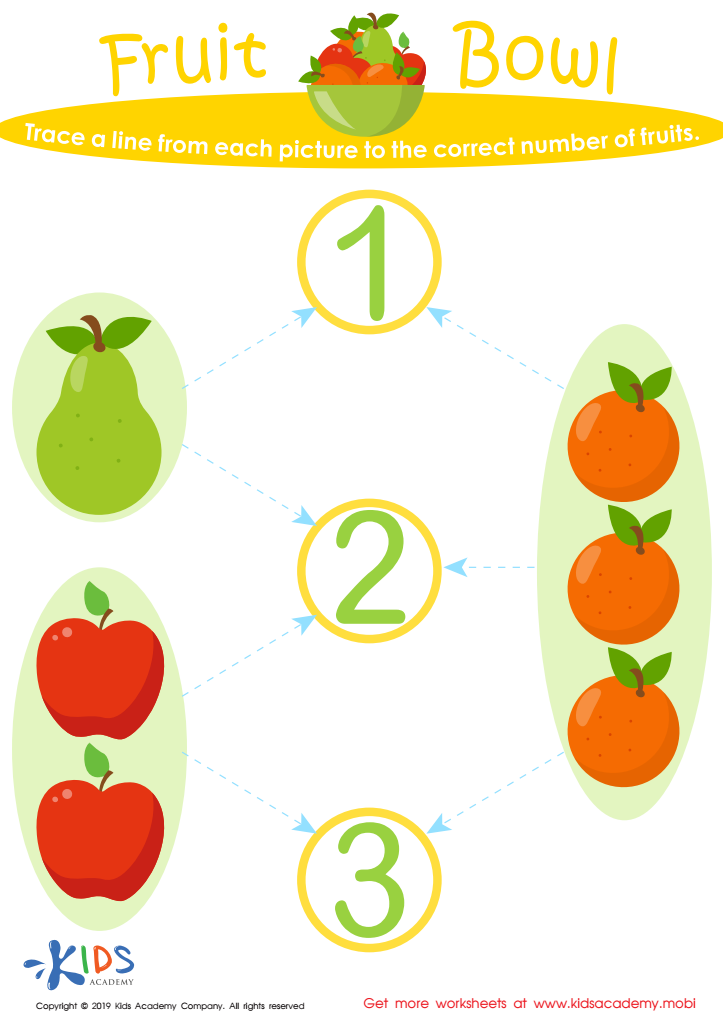
Fruit Bowl Worksheet
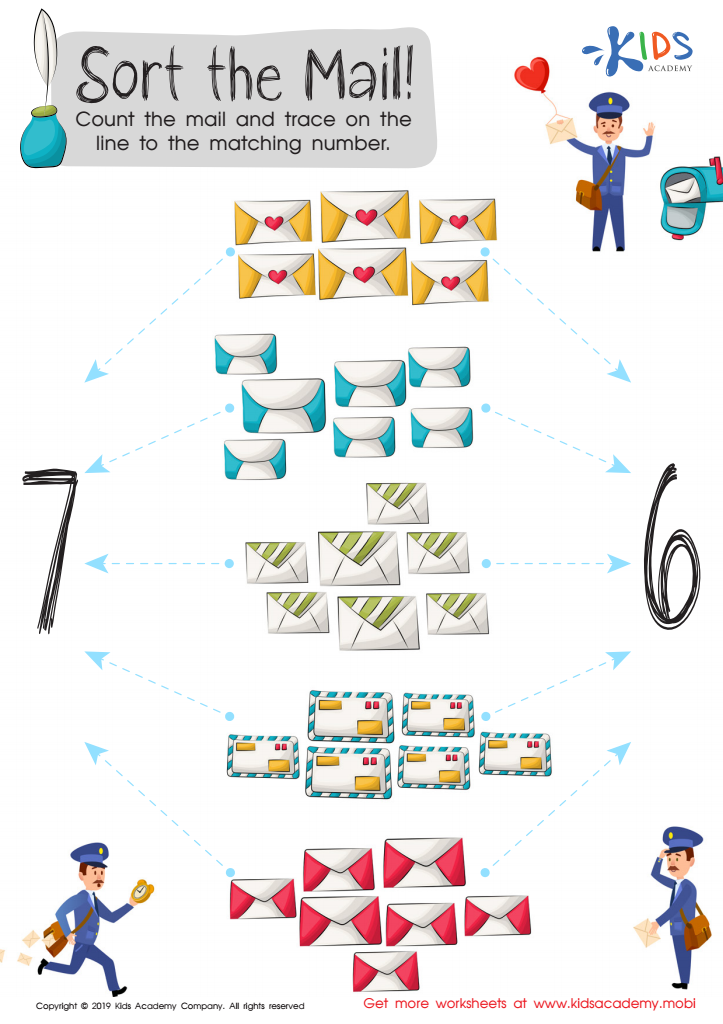
Sort the Mail Worksheet
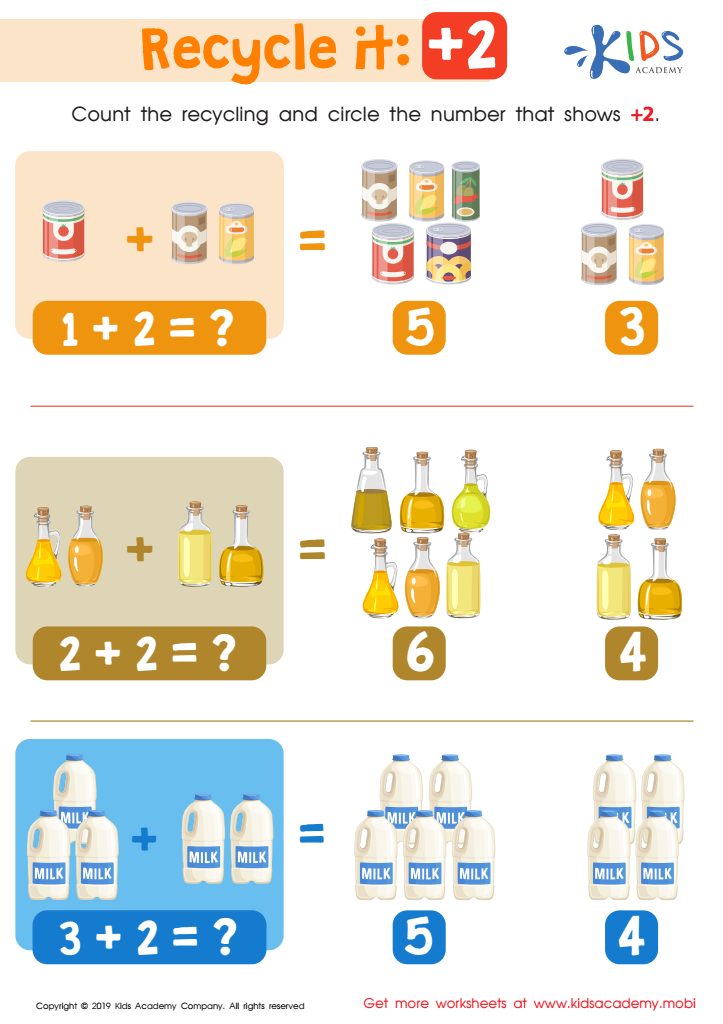
Recycle It: +2 Worksheet
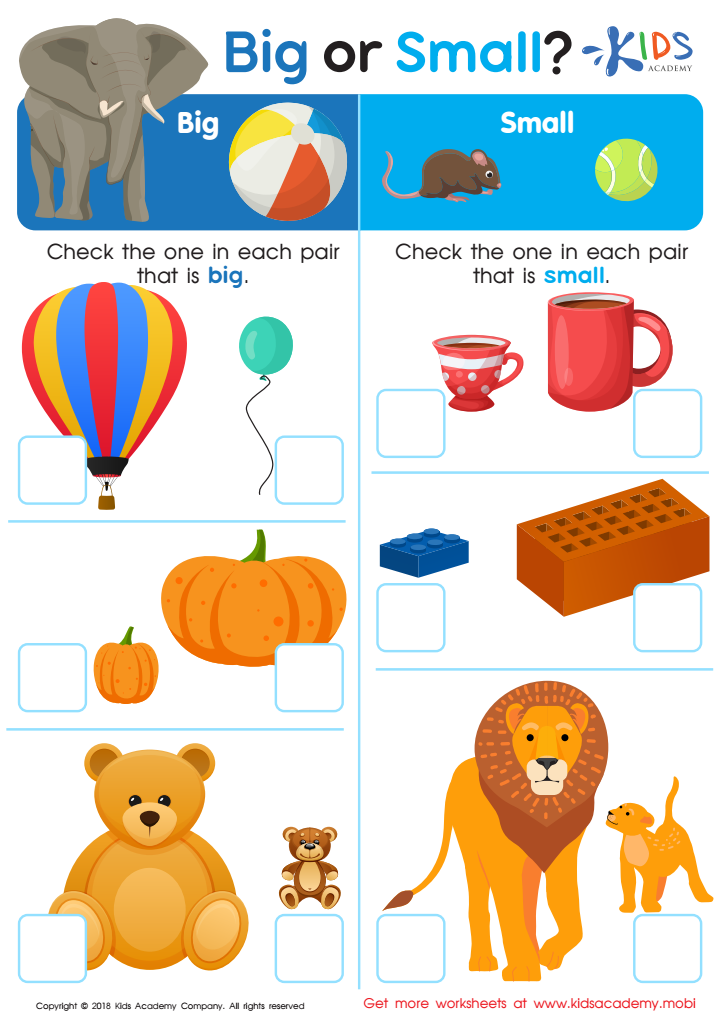
Big or Small? Worksheet








Sorting skills are foundational in early childhood development, particularly in math comprehension for children ages 3-4. Parents and teachers should care about these skills for several reasons. Firstly, sorting strengthens cognitive abilities by helping children categorize objects based on attributes like color, shape, or size. This type of critical thinking lays the groundwork for more complex mathematical concepts, such as pattern recognition and classification.
Moreover, sorting engages fine motor skills as children manipulate various items, enhancing hand-eye coordination and dexterity. This not only supports their physical development but also boosts concentration and focus, essential for success in all areas of learning.
Socially, sorting activities foster collaboration among peers, encouraging communication and teamwork. Children learn to share their thoughts and respect others’ perspectives, which substantially contributes to their social-emotional growth.
Lastly, sorting can be a fun and interactive way to introduce foundational math vocabulary, equipping children with the language necessary for future math concepts. By fostering sorting skills, parents and teachers can create a nurturing environment that encourages exploration, curiosity, and a love for learning, setting the stage for academic success in later years.