Cognitive Development Easy Reading Worksheets for Ages 3-4
5 filtered results
-
From - To
Boost your child's cognitive abilities with our specially designed Worksheets for Ages 3-4 at Kids Academy! These easy reading worksheets promote essential learning skills through engaging exercises tailored for young minds. Perfect for early learners, our activities focus on enhancing memory, attention, problem-solving, and comprehension. Each worksheet incorporates colorful illustrations and interactive tasks to captivate and stimulate young readers' interest. Help your child develop a strong foundation in reading and cognitive skills effortlessly. Start the adventure towards successful learning today with our fun and educational worksheets designed to support your child's early growth and development!
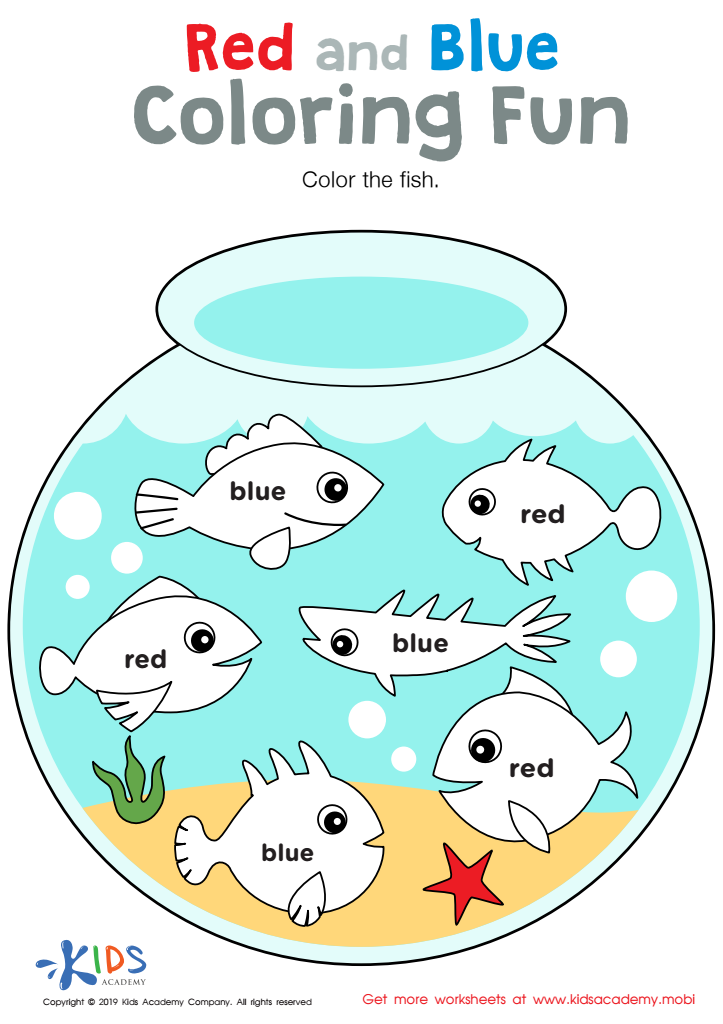
Red and Blue Coloring Fun Worksheet
 Assign to My Students
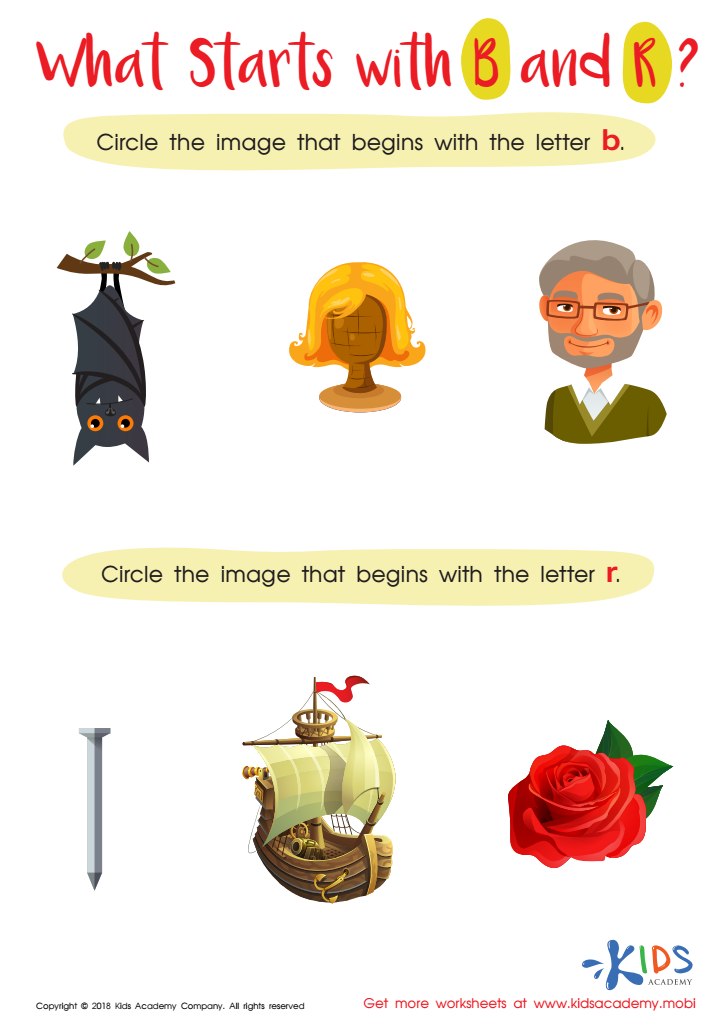
What Starts with B and R? Worksheet
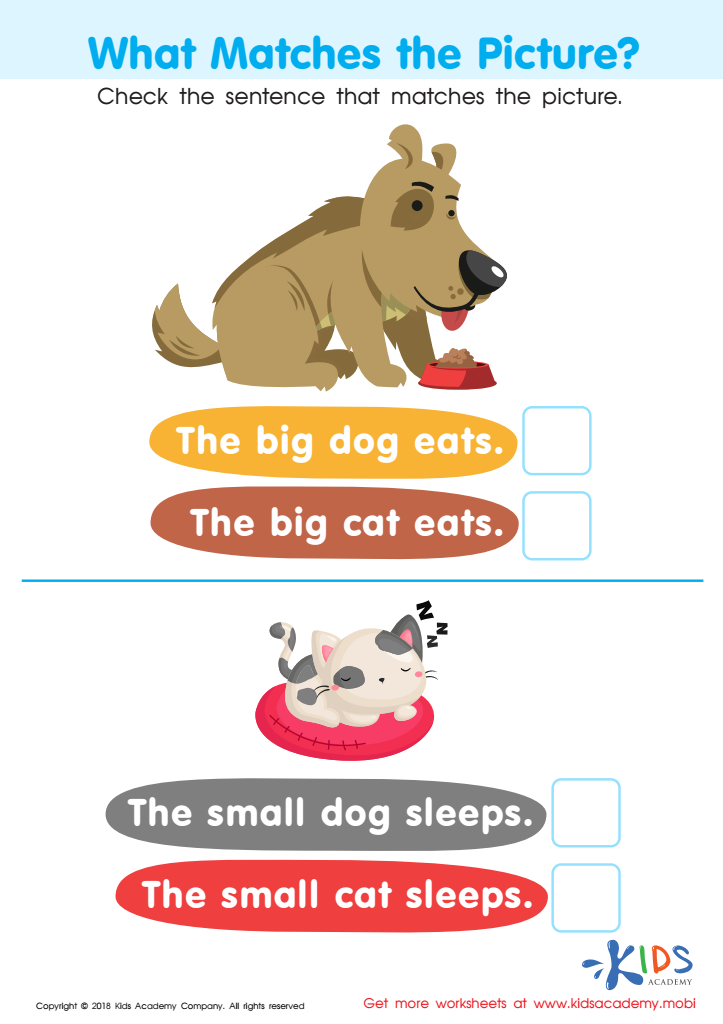
What Matches the Picture? Worksheet
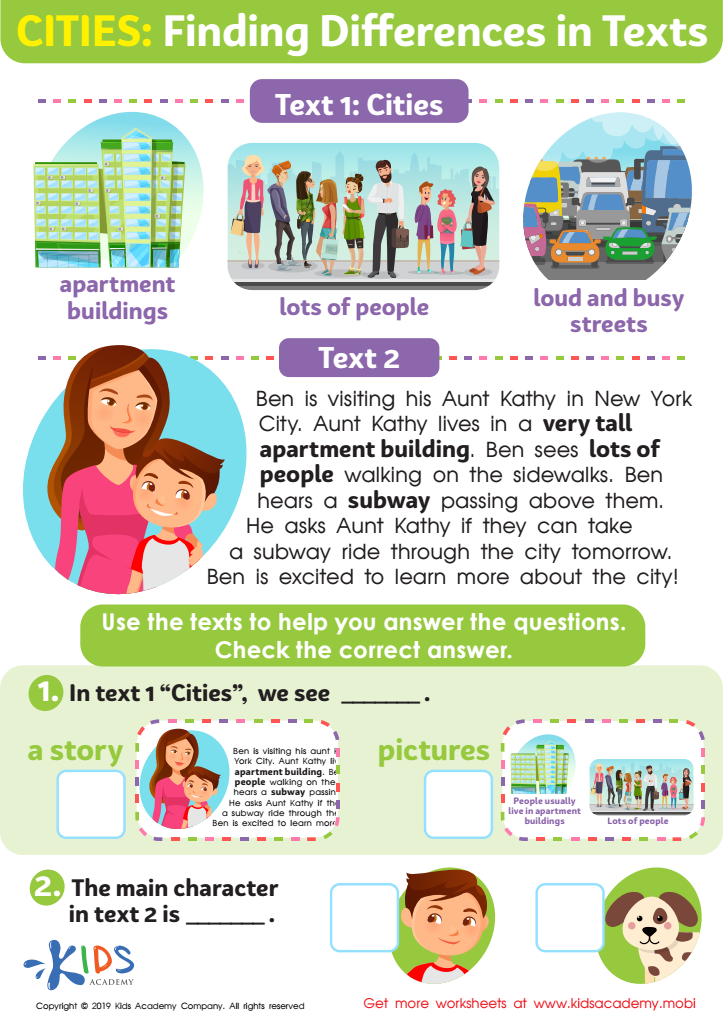
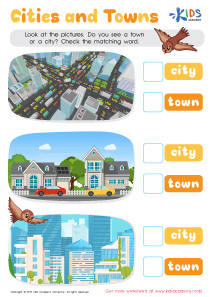
Cities: Finding Differences Worksheet
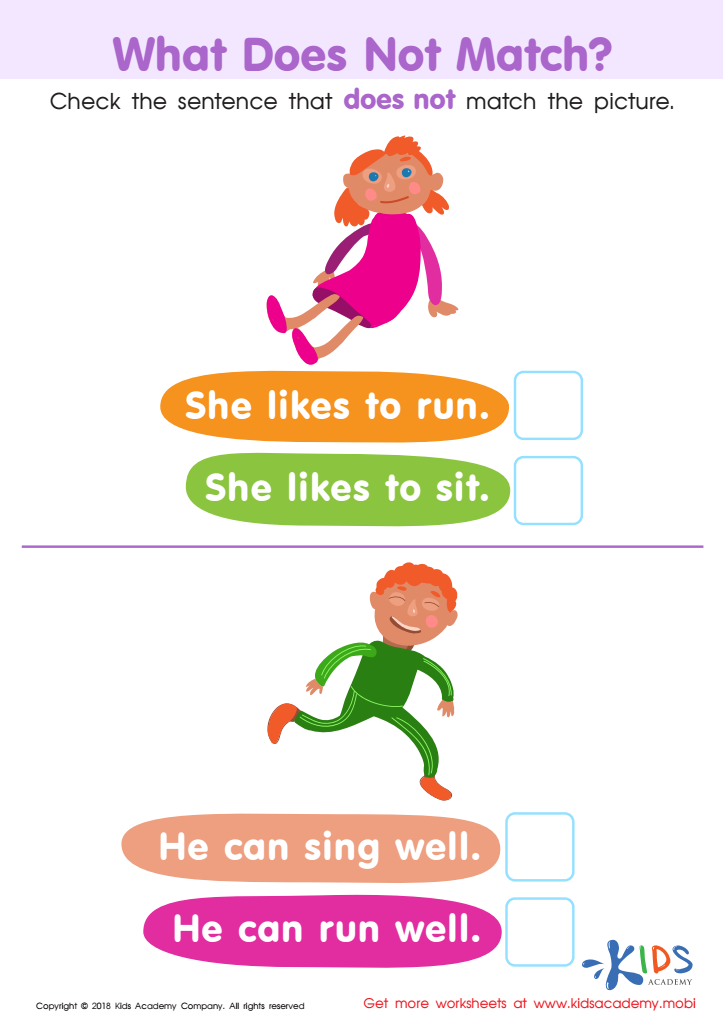
What Does Not Match? Worksheet





.jpg)
.jpg)

Cognitive development during early childhood is a crucial period where foundational skills are established that influence a child's future learning and development. Reading easy books with children ages 3-4 significantly contributes to this process. At this stage, children's brains are incredibly receptive to new information, and engaging with books stimulates their cognitive abilities. This interaction promotes attention span, memory, and problem-solving skills.
When parents or teachers read to children, it fosters language development by exposing them to new vocabulary and sentence structures. This can enhance their communication skills and prepare them for more complex literacy tasks as they grow. Additionally, reading stories encourages imagination and creativity, allowing children to visualize characters, settings, and events, which contributes to abstract thinking.
Shared reading sessions also cultivate listening skills, patience, and the ability to follow narratives, aiding both comprehension and the ability to focus. Moreover, the routine of reading together can strengthen the bond between adult and child, creating a warm, nurturing environment that associates learning with positive emotions.
In summary, easy reading for ages 3-4 is essential for cognitive development, helping to build a foundation for future academic success and instill a lifelong love of learning.Parents and teachers should prioritize this activity to support children's overall growth and development.