Categorization skills Easy Numbers Worksheets for Ages 3-6
4 filtered results
-
From - To
Boost your child's early math proficiency with our "Categorization Skills Easy Numbers Worksheets for Ages 3-6." These expertly designed worksheets focus on improving your little one's ability to categorize numbers, a foundational math skill. Engaging and easy-to-follow, our worksheets use fun themes and delightful illustrations to keep kids entertained as they learn. Perfect for preschool to kindergarten age, these activities support cognitive development by helping children recognize patterns and relationships among numbers. Give your child a head start in math with these easy, effective categorization skill-building resources from Kids Academy!
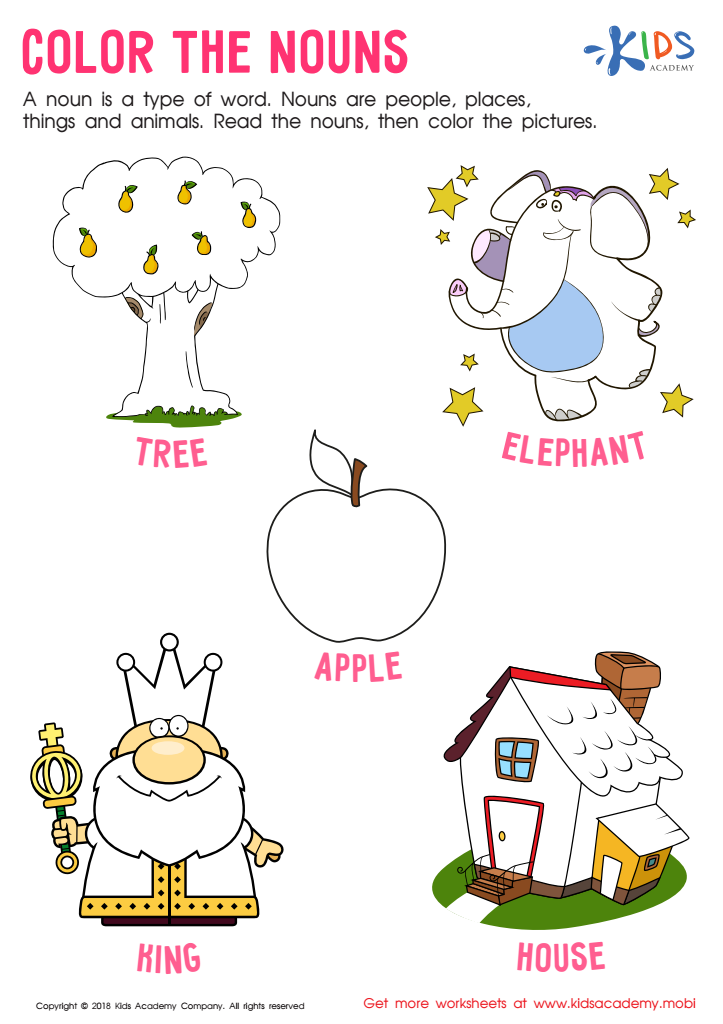
Color the Nouns Worksheet
 Assign to My Students
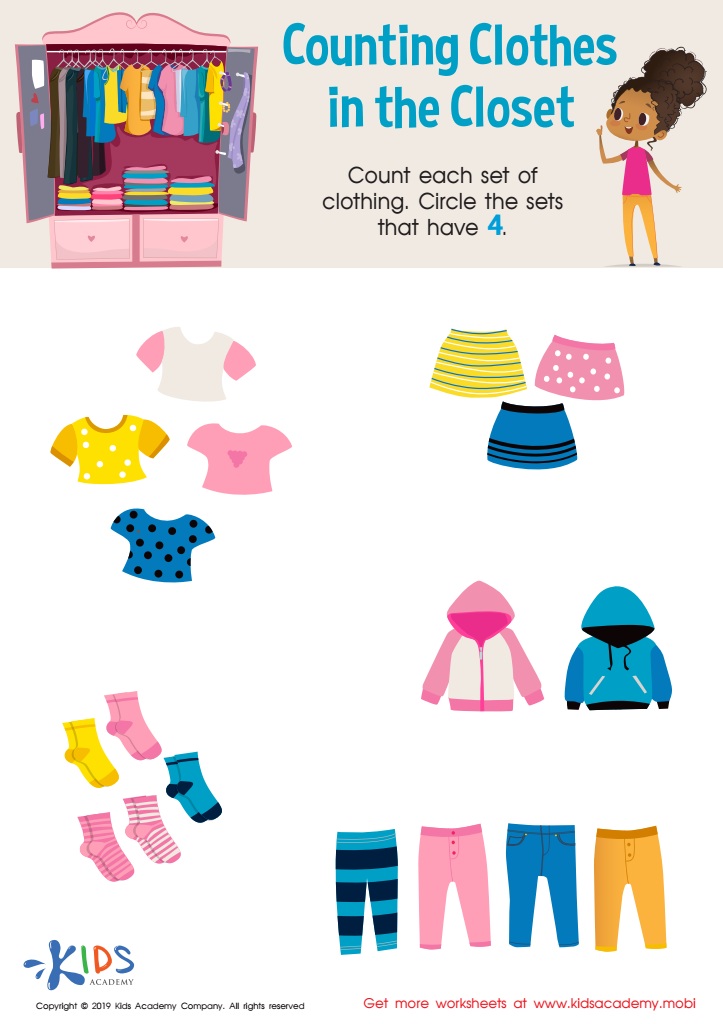
Counting Clothes Worksheet
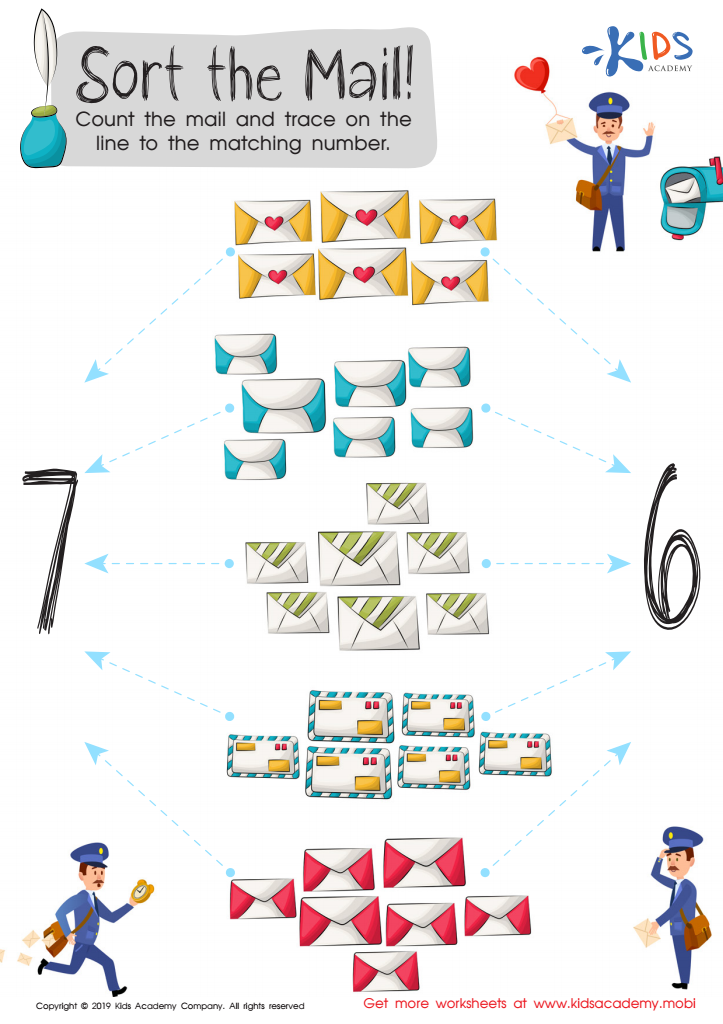
Sort the Mail Worksheet
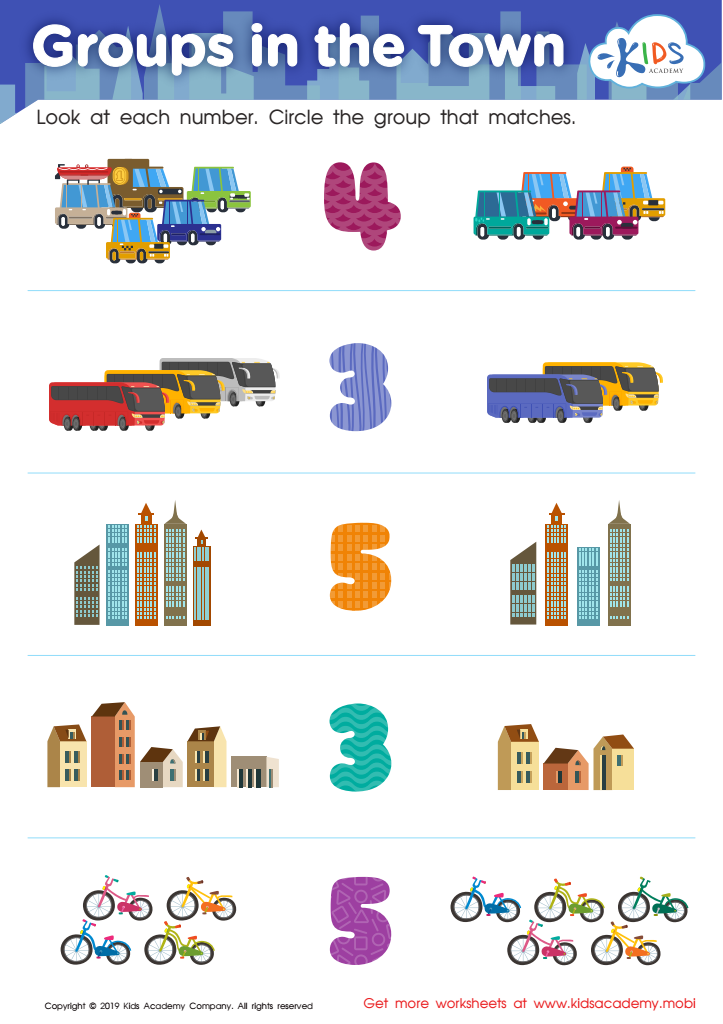
Groups in the Town Worksheet








Categorization skills and an understanding of easy numbers are fundamental building blocks for young children's cognitive development. For ages 3-6, these skills lay the groundwork for critical thinking, problem-solving, and mathematical reasoning, making them essential during this pivotal developmental stage.
First, categorization helps children make sense of the world by grouping objects, experiences, and ideas into understandable categories. This process enhances memory, because when children can classify items, they can recall and retrieve information more efficiently. For example, recognizing that both apples and bananas are fruits facilitates quicker and more consistent identification and memory of these items.
Understanding numbers is equally crucial. Early numeracy—or familiarity with basic numbers—sets the stage for more complex math skills. Counting, recognizing patterns, and performing basic arithmetic require an early familiarity with numbers. Activities that integrate numbers with categorization, such as sorting blocks by color and counting them, address both cognitive skills simultaneously. This also hones fine motor skills and introduces concepts of order and quantity.
By fostering these skills early, parents and teachers can support children’s academic readiness, social-emotional development, and logical reasoning abilities. These foundations promote a lifetime of learning and help children approach new and complex concepts with confidence and curiosity. In essence, nurturing categorization and number familiarity is investing in a child's future success and comprehensive development.








