Understanding Quantities Easy Numbers Worksheets for Ages 3-6
3 filtered results
-
From - To
"Understanding Quantities Easy Numbers Worksheets for Ages 3-6" offer an engaging way for young learners to grasp basic math concepts. Designed specifically for preschoolers and kindergarteners, these worksheets are a playful mixture of counting, number recognition, and quantity comprehension activities. They utilize fun illustrations and interactive tasks to enhance cognitive development and numerical skills. Perfect for parents and educators, these worksheets make learning effortless and enjoyable, laying a strong foundation for early math success. Watch your child confidently navigate numbers and understanding quantities with our thoughtfully crafted resources. Engage, learn, and grow with our easy math worksheets!
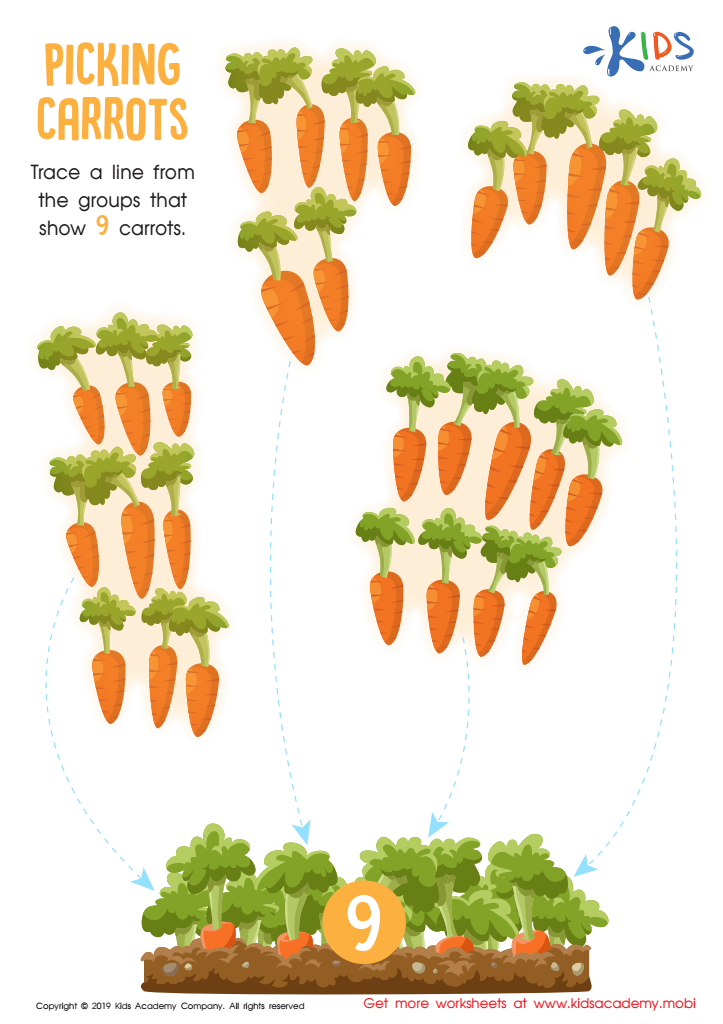
Picking Carrots Worksheet
 Assign to My Students
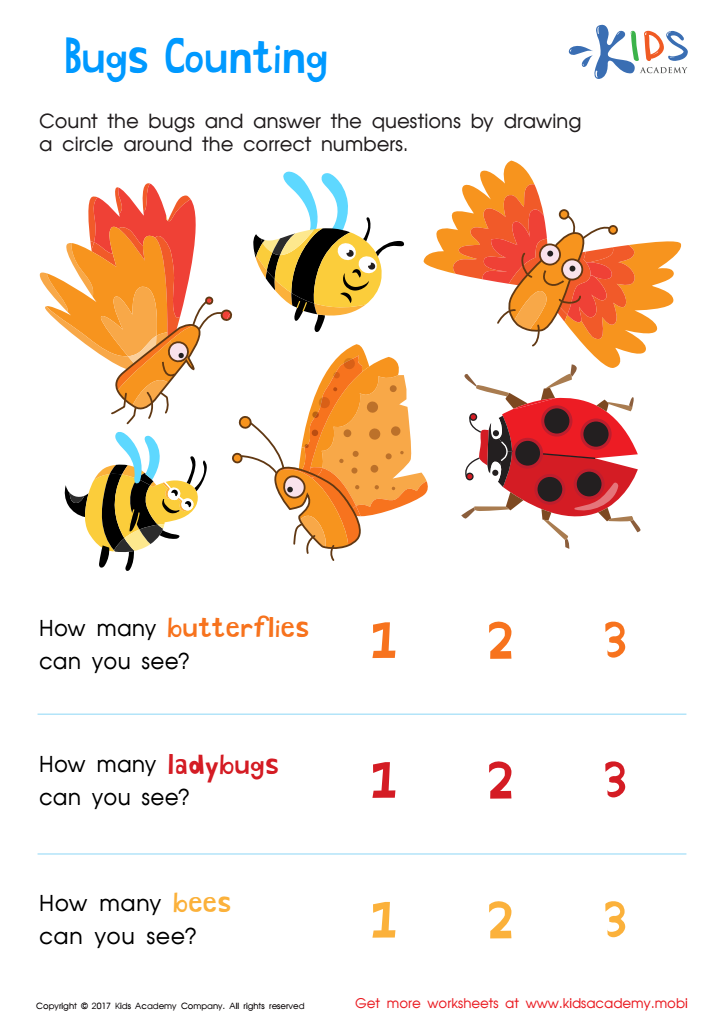
Bugs Counting Worksheet
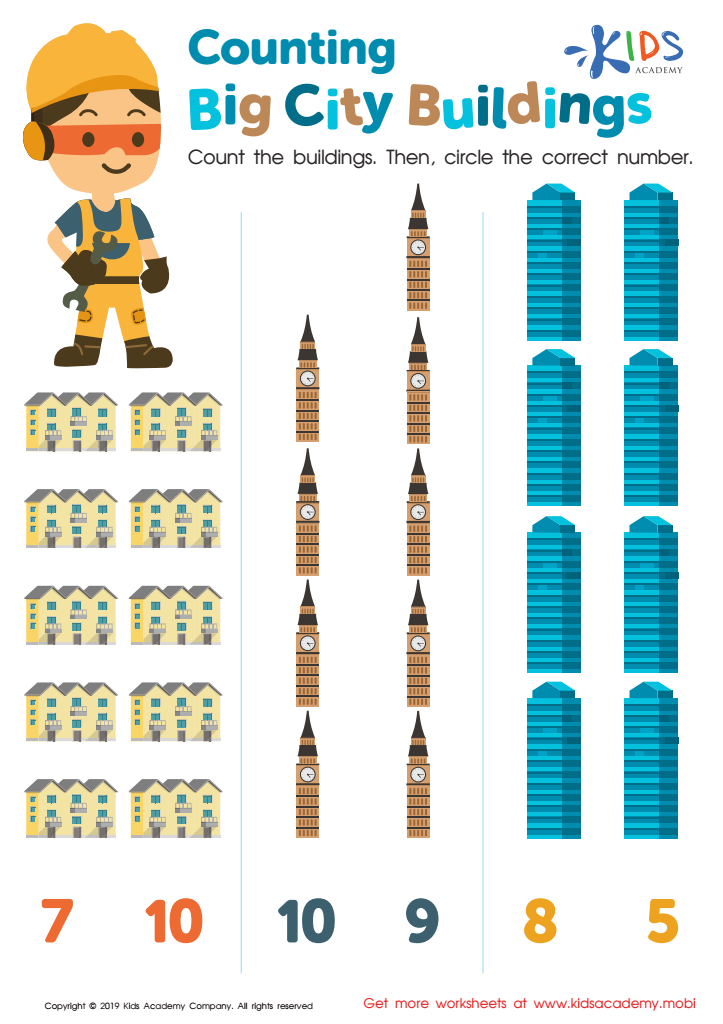
Counting Big City Buildings Worksheet





%20(1).jpg)
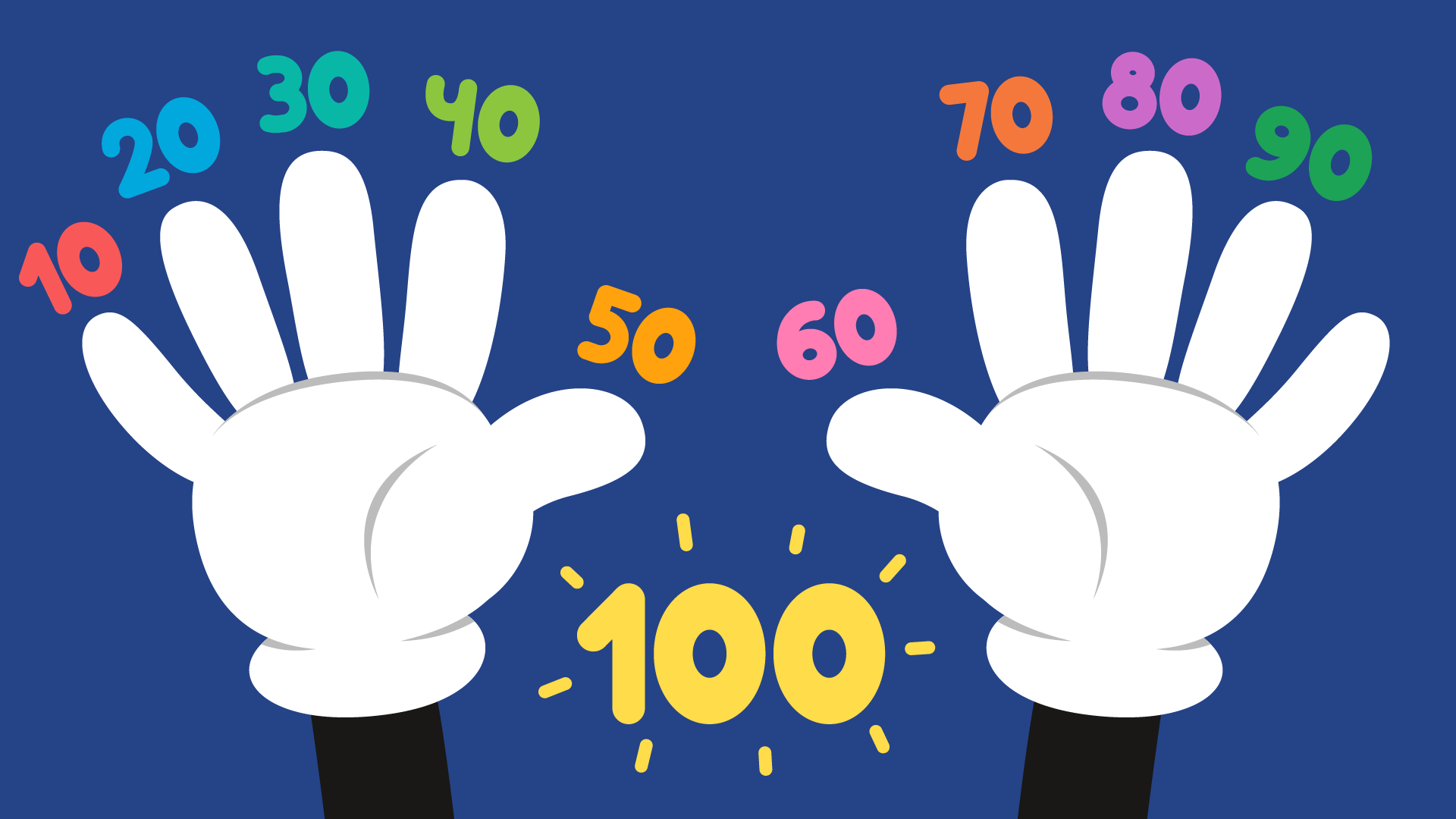
Parents and teachers should prioritize understanding quantities and easy numbers for children aged 3-6 because it lays the crucial groundwork for future mathematical understanding and cognitive development. At this developmental stage, children are naturally curious and they learn best through play and hands-on experiences. Introducing them to basic number concepts in a way that feels fun and engaging can foster a love for learning.
Understanding quantities helps young children grasp that numbers represent more than just a word – they symbolize a specific amount. It also aids in developing number sense, which is the ability to recognize, relate, and conceptualize numbers in different forms, such as dots on a dice or blocks in a tower. This early math skill is a vital predictor of later academic success, not only in mathematics but also in other subjects that require logical and spatial reasoning.
Additionally, incorporating easy numbers and counting activities in everyday scenarios – like counting toys during clean-up time or measuring out ingredients during cooking – strengthens their ability to apply math in real-life situations. This practical application both reinforces learning and enhances problem-solving abilities.
By nurturing these foundational skills, parents and teachers can ensure children gain confidence in their abilities, build a positive attitude towards math, and lay the essential blocks for higher-level math and critical thinking skills in the future.








