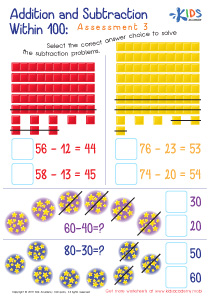
Subtraction practice Easy Numbers 0–10 Worksheets for Ages 3-6
5 filtered results
-
From - To
Welcome to our Subtraction Practice Worksheets page designed for children ages 3-6! Our easy-to-use worksheets focus on subtraction with numbers ranging from 0 to 10, providing young learners with a solid foundation in early math skills. Each printable worksheet features engaging visuals and fun, age-appropriate activities that make practicing subtraction enjoyable. Tailored for preschoolers and kindergarteners, these worksheets promote both number recognition and comprehension, ensuring that your child builds confidence in their math abilities. Explore our variety of interactive exercises and help your little ones embark on their subtraction journey today! Perfect for at-home practice or classroom activities.
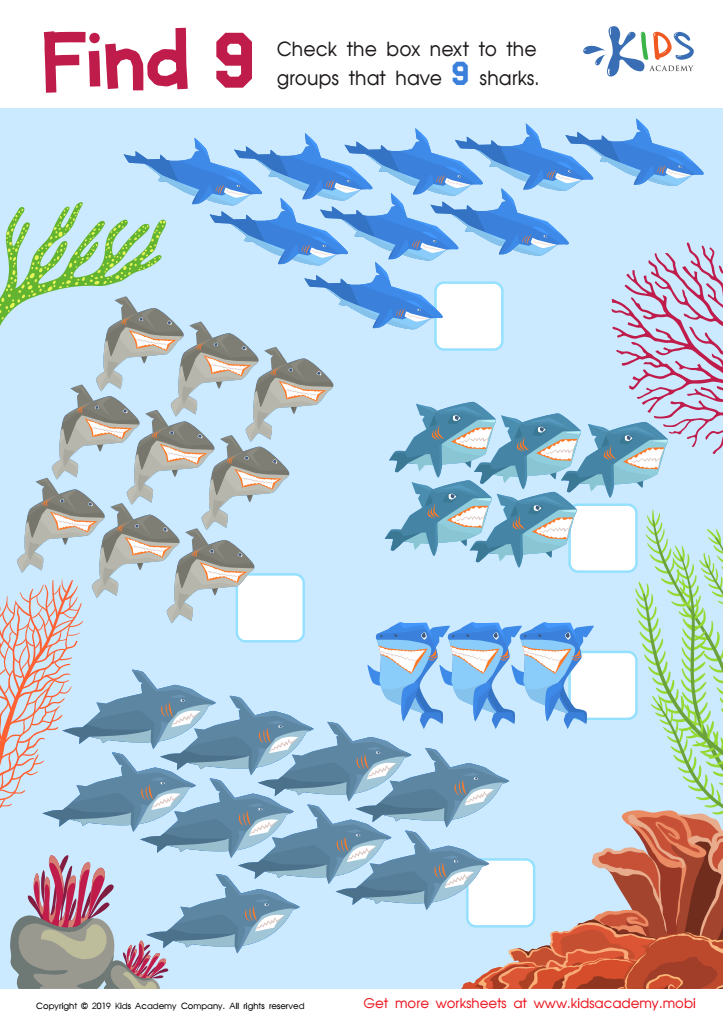
Find 9 Worksheet
 Assign to My Students
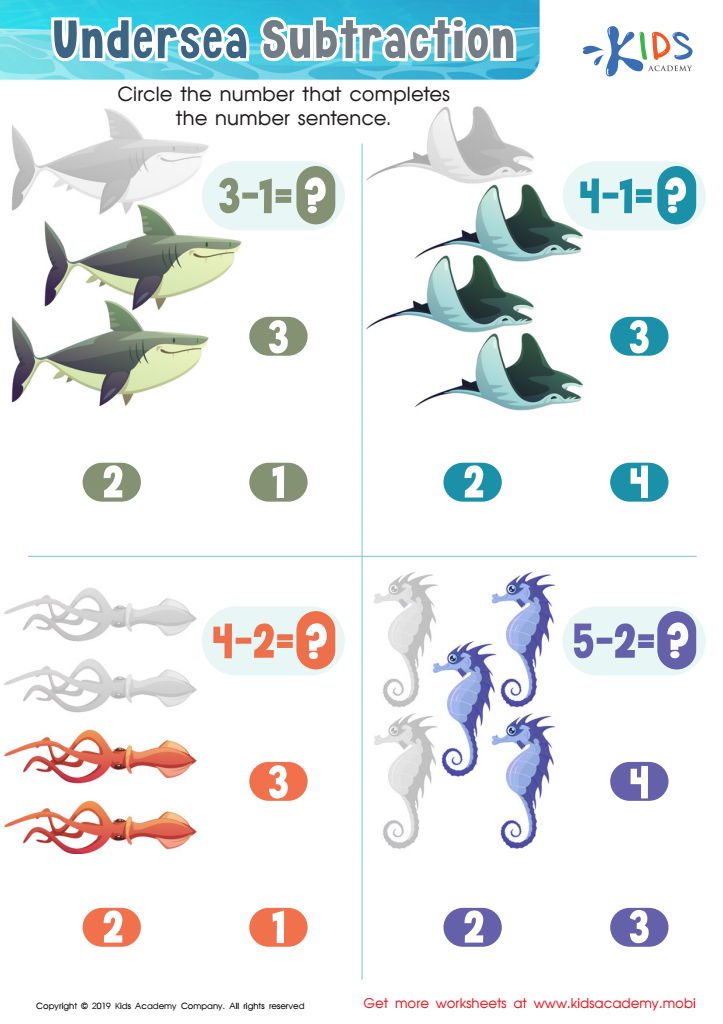
Undersea Subtraction Worksheet
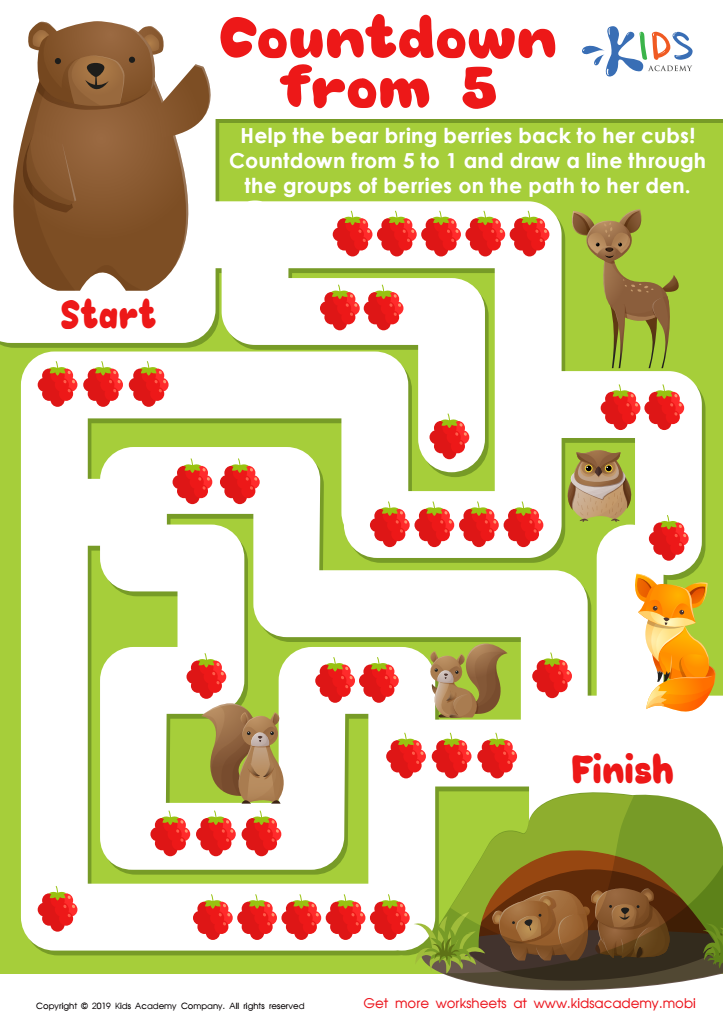
Countdown from 5 Worksheet
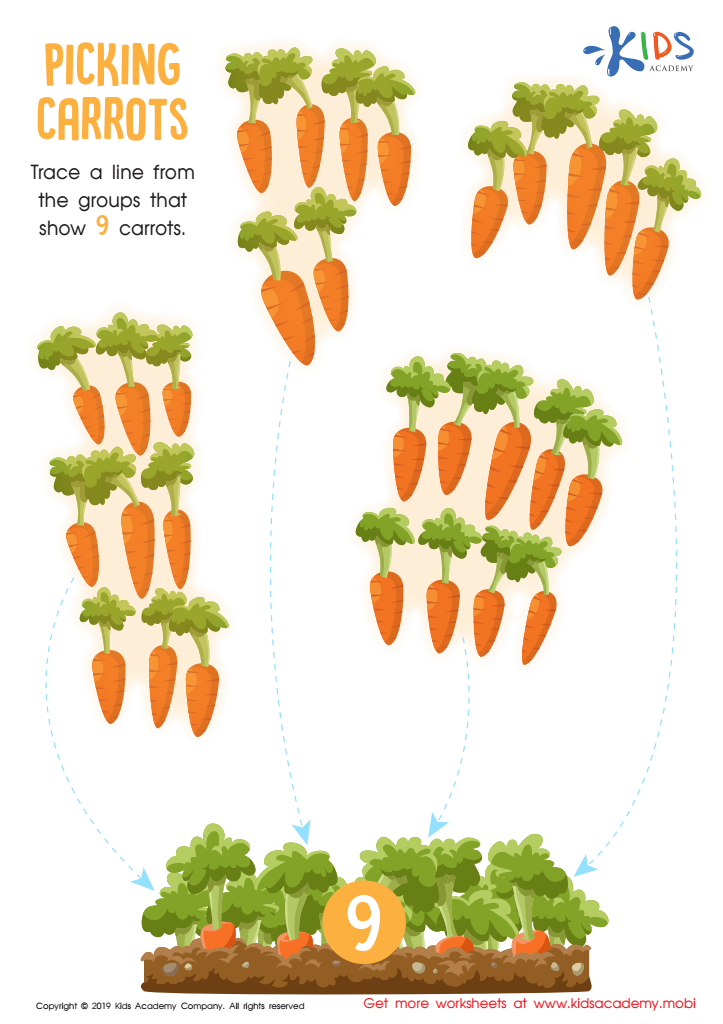
Picking Carrots Worksheet
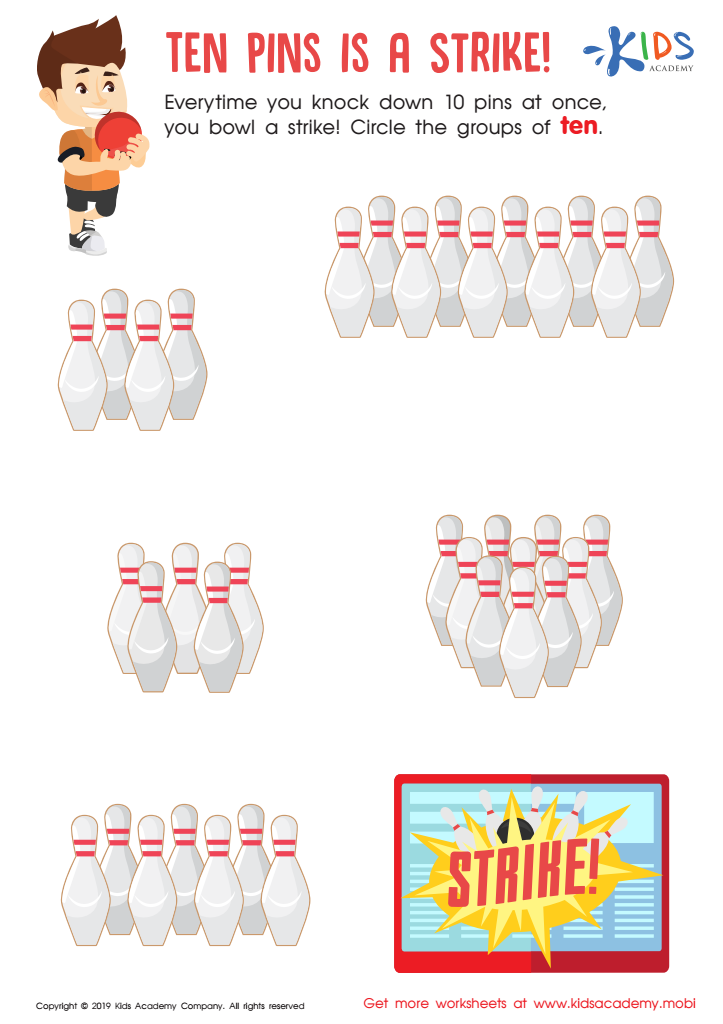
Ten Pins is a Strike Worksheet








Subtraction practice with easy numbers from 0–10 is crucial for children aged 3-6, as it lays the foundation for their mathematical understanding and cognitive development. At this stage, children are highly impressionable and eager to learn, making early exposure to mathematical concepts particularly effective. Mastering basic subtraction helps children develop critical thinking and problem-solving skills, essential for their overall academic success.
Practicing subtraction with simple numbers also enhances children's number sense, helping them understand relationships between quantities. It fosters essential skills such as counting backward, which aids in cognitive flexibility and prepares them for more complex math concepts in the future. Furthermore, incorporating fun and engaging activities surrounding subtraction, such as games and visuals, captures children's interest and nurtures a positive attitude toward math.
Moreover, consistent subtraction practice builds confidence, as children gain mastery over skills that will serve them throughout their education. Parents and teachers can bond over these learning activities, reinforcing family and educational relationships. Ultimately, early subtraction practice equips children with the tools they need to tackle challenges not only in math but across various learning domains.