Reading comprehension Easy Community Worksheets for Ages 3-6
5 filtered results
-
From - To
Unlock the joy of reading with our captivating "Reading Comprehension Easy Community Worksheets for Ages 3-6." Crafted to engage young minds, these worksheets group real-life community scenarios to aid early learners in enhancing their comprehension skills. Each activity features age-appropriate stories and questions to ignite curiosity and improve critical thinking. Designed by educators, these printable materials cater specifically to preschoolers and kindergarteners, ensuring a fun and educational experience. Perfect for at-home learning or classroom use, these worksheets are your go-to resource for building a solid reading foundation in young children. Explore now and watch your child flourish!
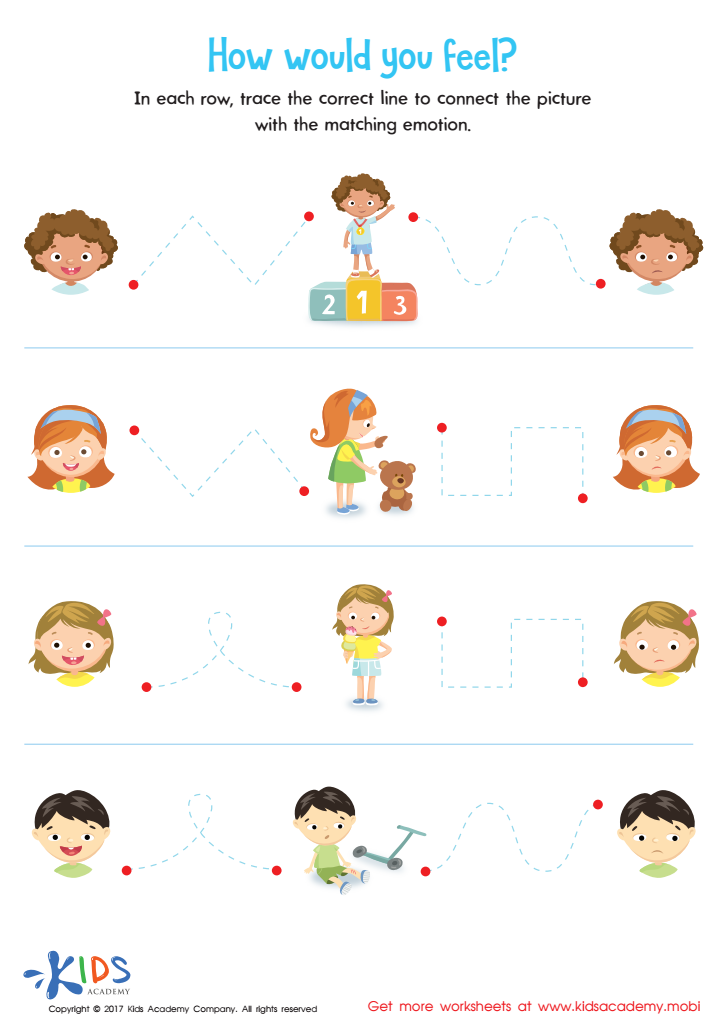
Feelings and Emotions Worksheet
 Assign to My Students
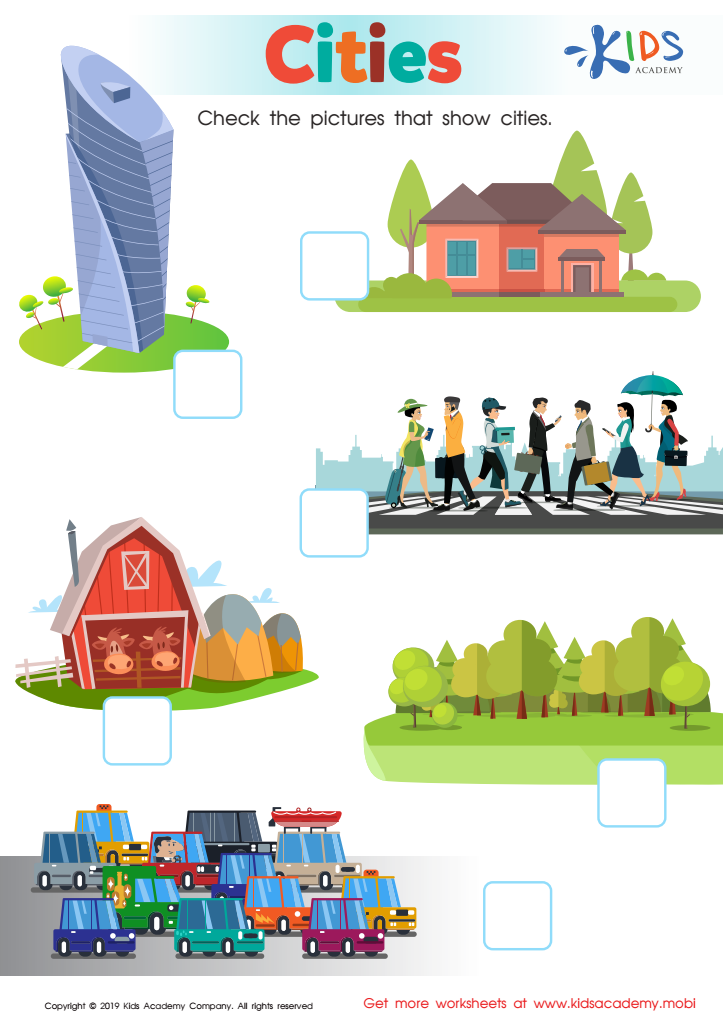
Cities Worksheet
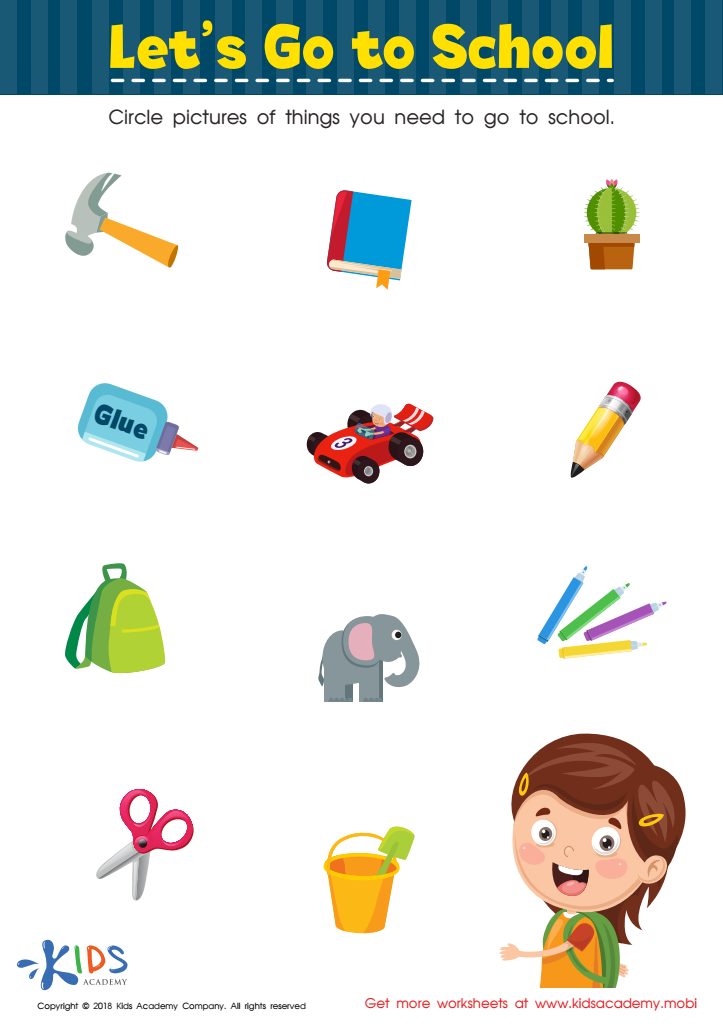
Let's Go to School! Worksheet
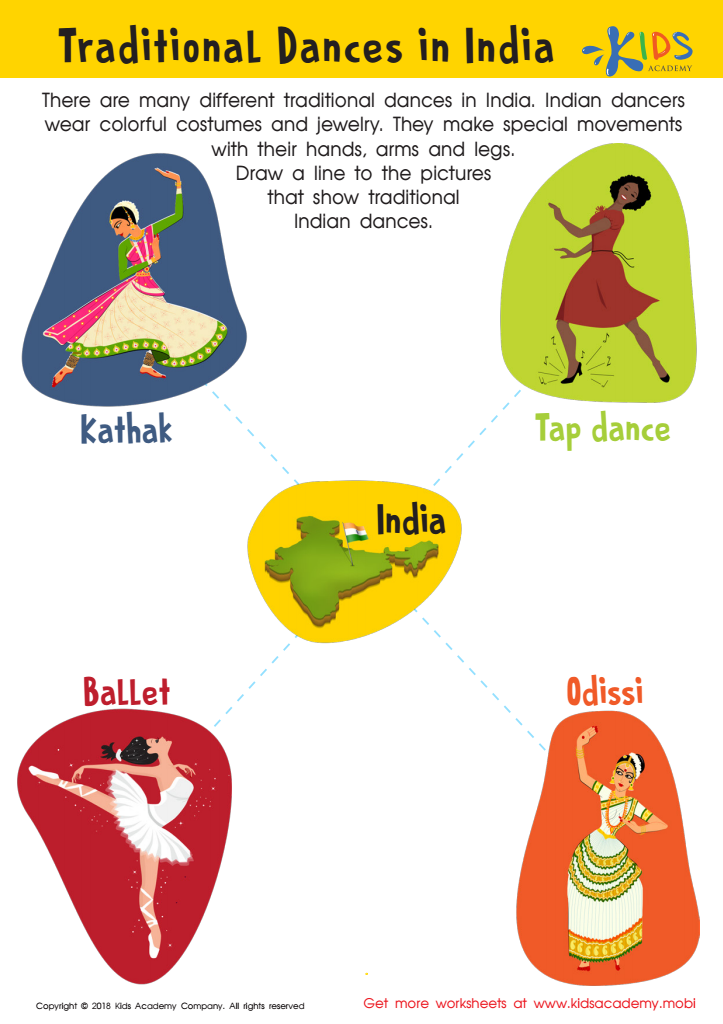
Traditional Dances in India Worksheet
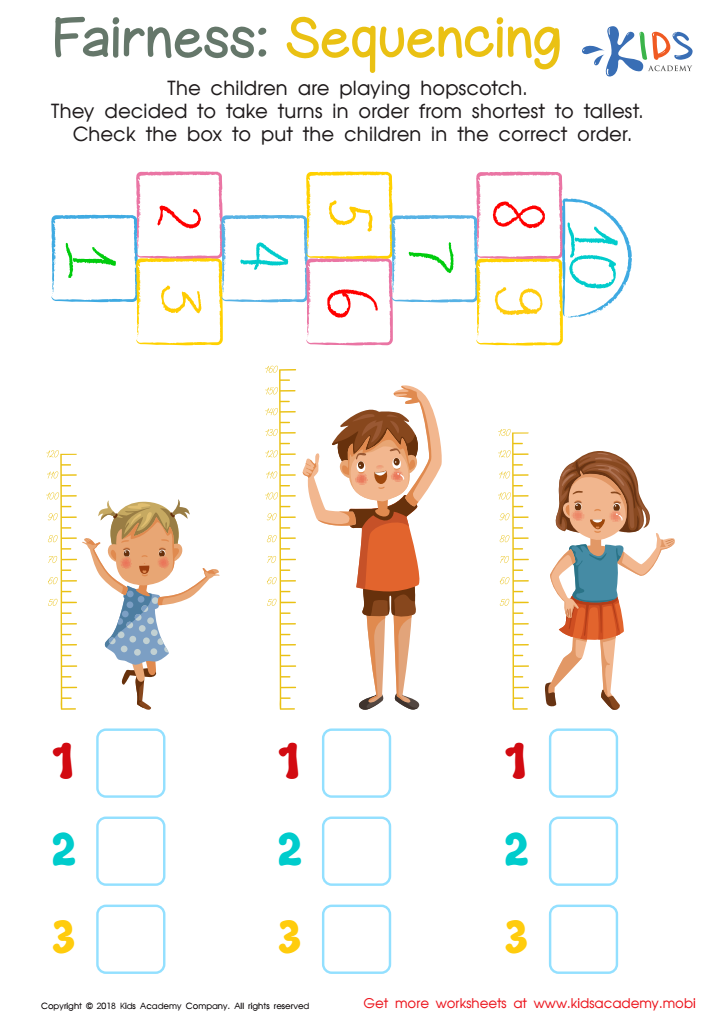
Fairness: Sequencing Worksheet







Parents and teachers should place high value on building reading comprehension skills in children ages 3-6 because it forms the bedrock of their future learning and cognitive development. At this early age, children's brains are incredibly receptive, making it the optimal time to instill foundational skills that will aid them in virtually every subject area as they progress through their education.
Reading comprehension goes beyond the ability to read words on a page; it involves understanding the meaning of those words and how they fit together to form coherent ideas and stories. Early comprehension skills foster critical thinking, enhance vocabulary, and ignite curiosity. These young learners start making connections between the text and the world around them, promoting cognitive development and cultural awareness.
By integrating an easy and engaging reading comprehension community for ages 3-6, children can benefit from a structured yet flexible avenue to nurture these skills. For example, through storytime, interactive activities, songs, and games, young learners can practice and reinforce their understanding in a joyful and pressure-free environment.
Moreover, reading comprehension lays the groundwork for effective communication skills. Being able to understand and process information boosts confidence and social interaction, empowering children to express their thoughts and ideas more clearly. This early academic and social advantage provides a crucial steppingstone toward long-term educational success and personal development.