Fine Motor Skills Easy Social Studies Worksheets for Ages 3-6
3 filtered results
-
From - To
Discover engaging and educational Fine Motor Skills Easy Social Studies Worksheets designed for children ages 3-6. From Kids Academy, these printable resources blend fun activities with essential social studies concepts, helping to develop fine motor skills while exploring topics like community, roles, and basic geography. Perfect for preschool and early learners, each worksheet encourages pencil control, cutting, and tracing, laying a strong foundation for later academic success. Parents and educators will find these tools invaluable in providing a balanced, hands-on learning experience that cultivates curiosity and fine motor proficiency in young children.
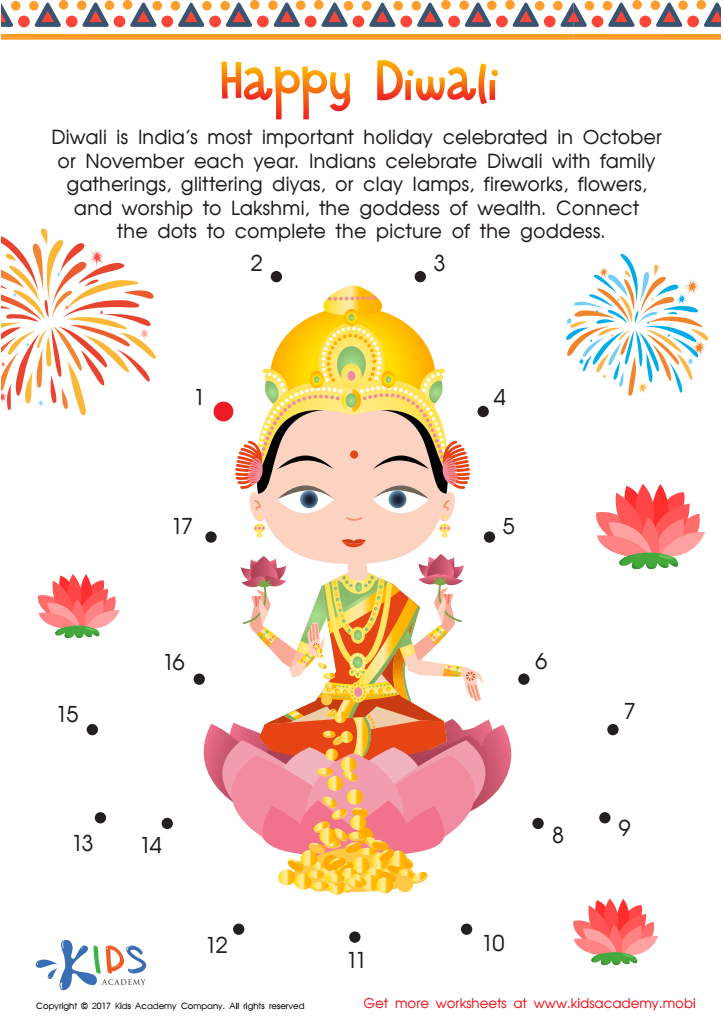
Happy Diwali Printable

Globe Coloring Page Worksheet
 Assign to My Students



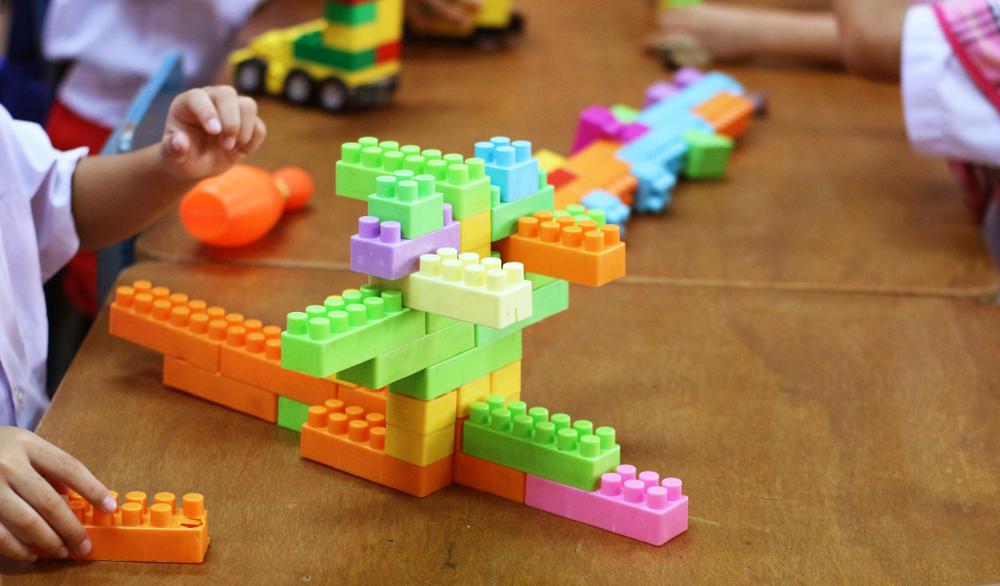



Fine motor skills are critically important for children aged 3-6 because they lay the foundation for various essential tasks and academic ventures. These skills involve the coordination of small muscles in movements—usually involving the synchronization of hands and fingers with the eyes. Developing fine motor skills at an early age is pivotal for activities like writing, buttoning clothes, using utensils, and even typing on a keyboard. Without strong fine motor abilities, children might struggle with these everyday tasks, leading to frustration and lower self-esteem.
Additionally, embedding easy social studies concepts can be just as significant. Introducing social studies topics such as community, family, and basic geography helps young children understand their world and their place in it. Learning about different roles in society, cultural diversity, and the importance of cooperation cultivates social awareness and empathy. It forms the early basis for good citizenship and social competence, qualities that are invaluable throughout their lives.
When parents and teachers prioritize these areas, they equip children with life skills that go beyond academics. Integrating fine motor skill activities, like puzzles and crafts, with social studies lessons through storytelling or role-playing games can make learning fun and impactful. This holistic approach ensures children develop both cognitively and socially, preparing them for future educational milestones and fostering well-rounded individuals.