Phonics recognition Easy Alphabet Worksheets for Ages 3-7
5 filtered results
-
From - To
Discover our engaging Phonics Recognition Easy Alphabet Worksheets, specially designed for children ages 3-7! These printable worksheets provide a fun and interactive way for young learners to master letter sounds and recognition. Each worksheet is crafted to enhance phonetic skills, improve reading readiness, and boost confidence in early literacy. With colorful illustrations and child-friendly activities, your preschoolers and kindergartners will enjoy exploring the alphabet while developing essential phonics knowledge. Ideal for use at home or in the classroom, these worksheets make learning phonics enjoyable and accessible. Start your child's reading journey with our delightful worksheets today!
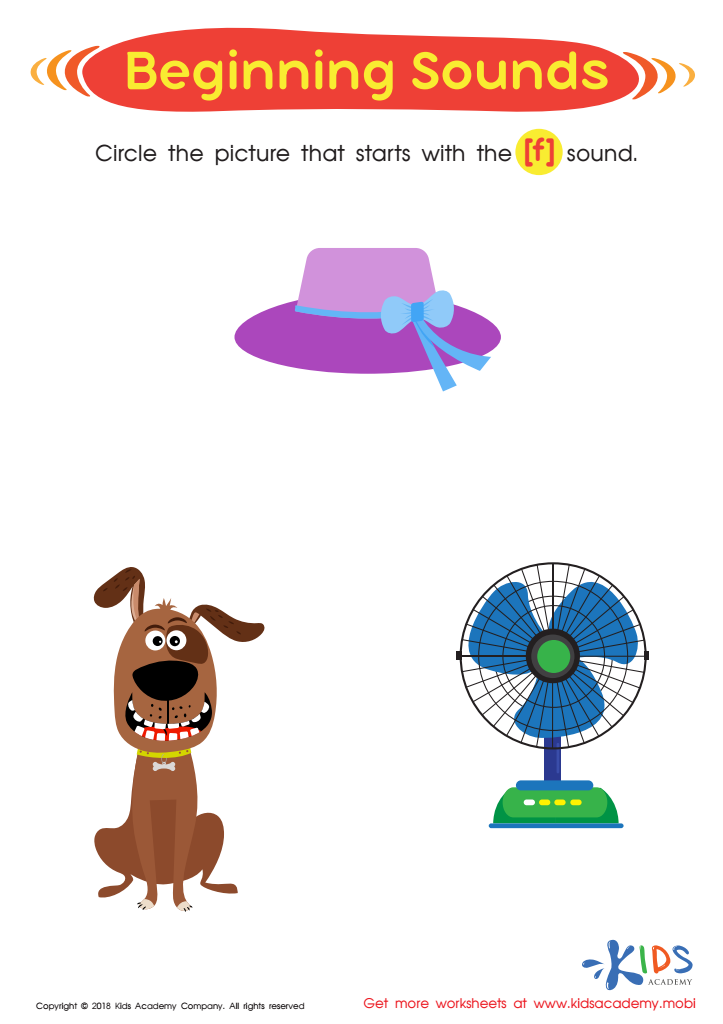
Beginning Sounds Assessment Printable
 Assign to My Students
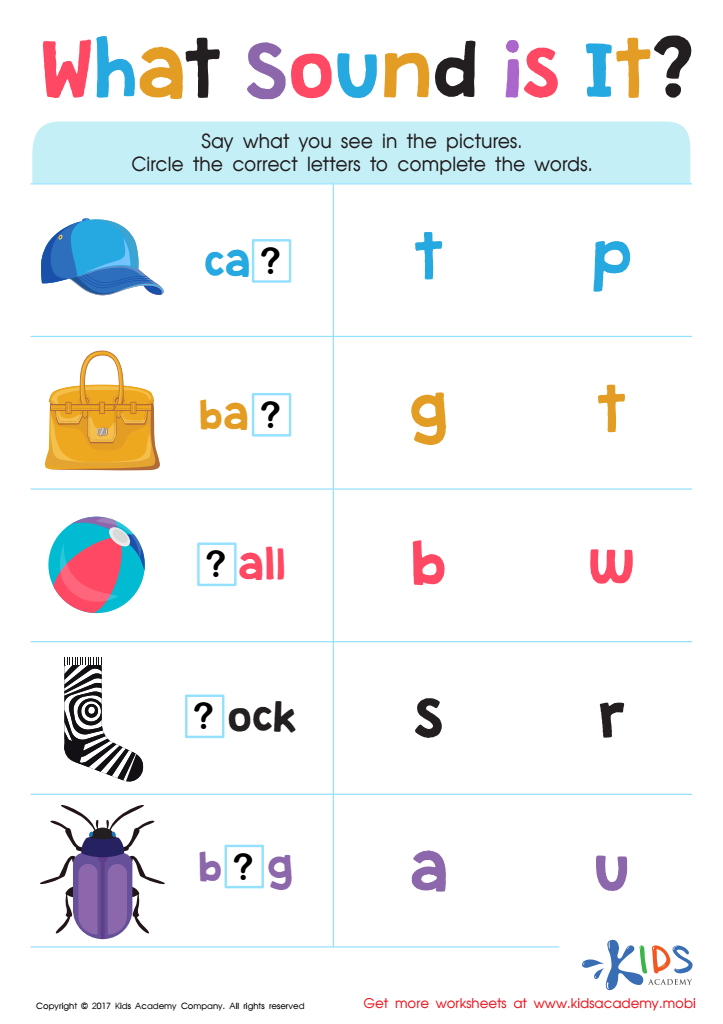
What Sound Is it? Worksheet
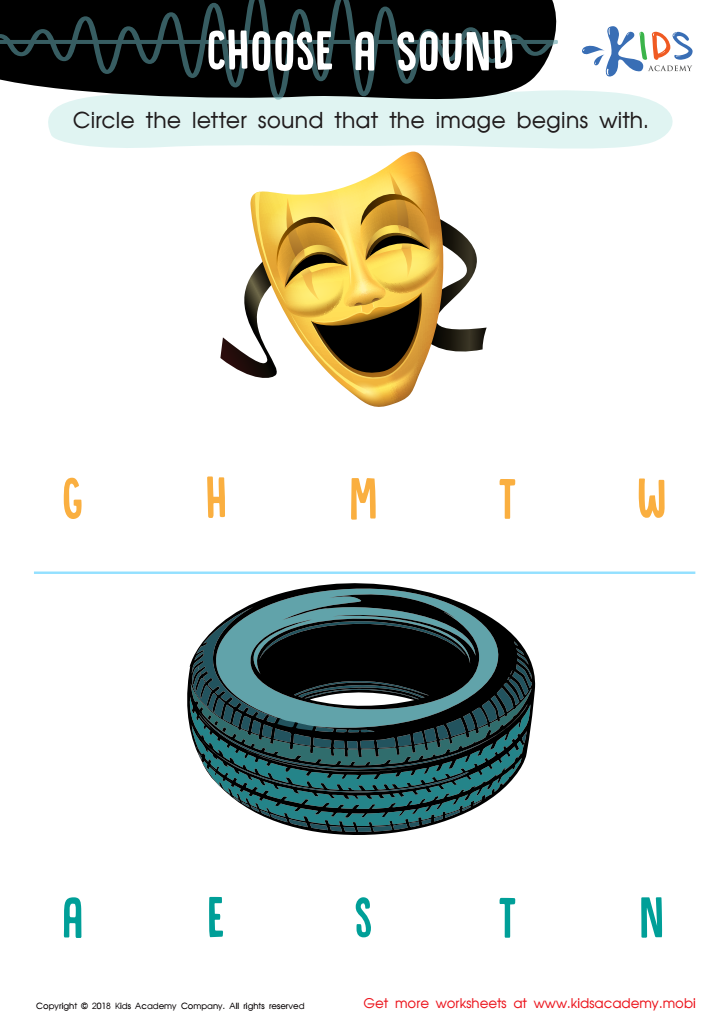
Choose a Sound Worksheet
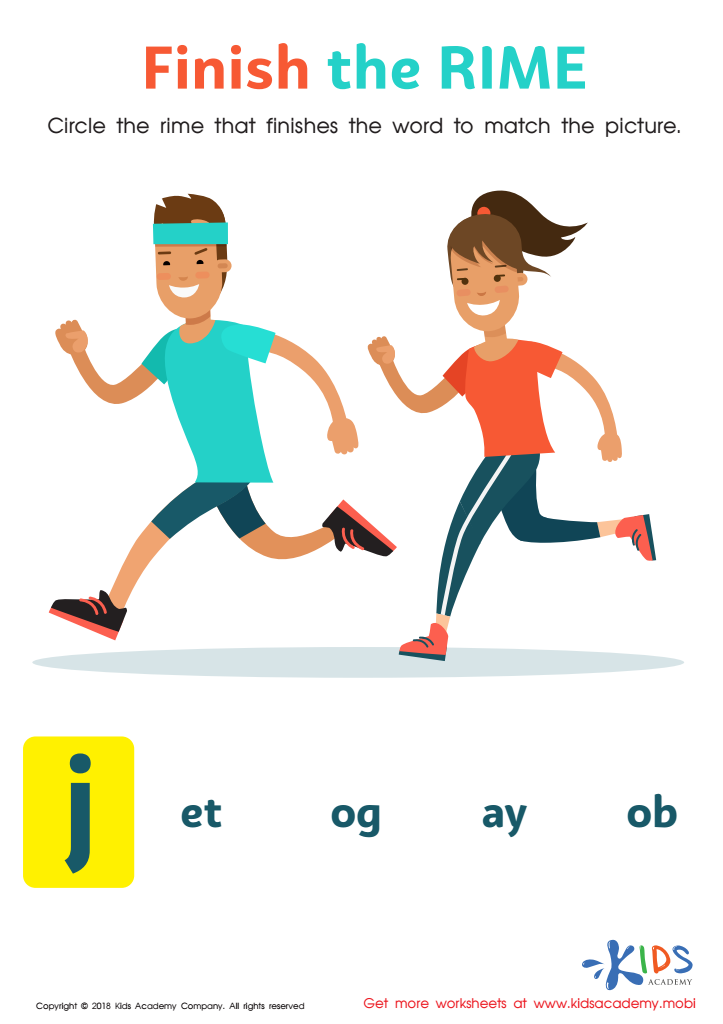
Finish the Rime Worksheet
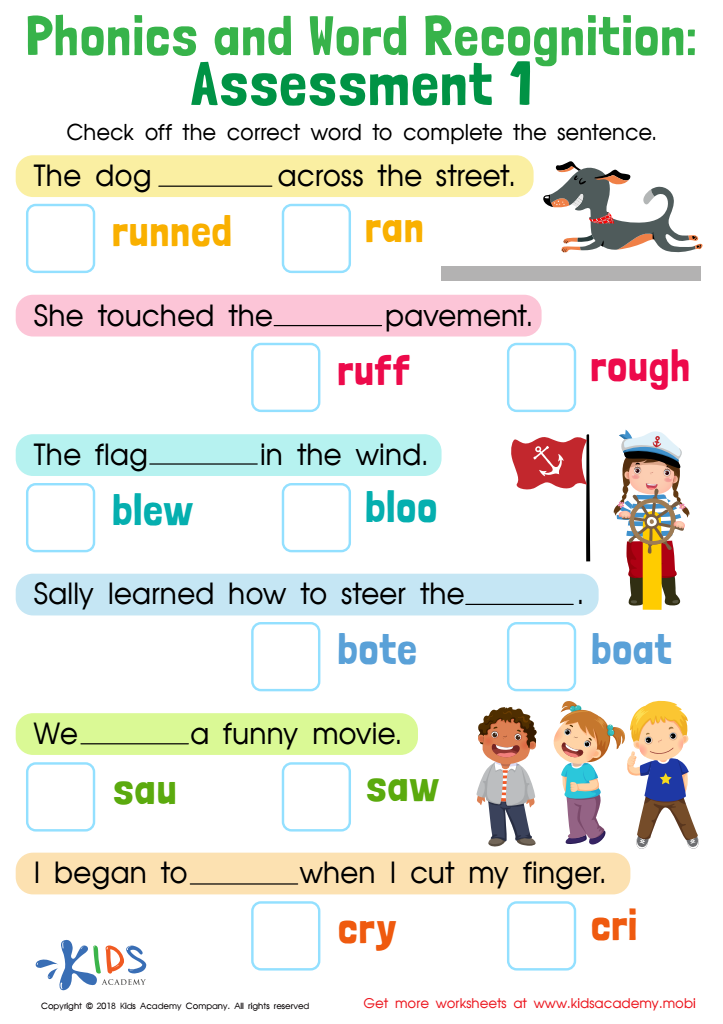
Phonics and Word Recognition: Assessment 1 Worksheet








Phonics recognition is a crucial component of early literacy, especially for children ages 3-7. Understanding phonics lays the foundation for reading and writing, enabling children to decode words accurately and develop strong language skills. Programs like Easy Alphabet engage young learners in a fun and interactive manner, fostering a love for reading from an early age.
For parents and teachers, investing time in phonics recognition promotes confidence in children's abilities. When kids grasp letter-sound relationships, they become more adept at recognizing words, which boosts their self-esteem and academic performance. Additionally, as young learners become proficient in phonics, they gain the tools they need to explore new vocabulary and engage in reading materials independently.
By incorporating phonics recognition into early education, parents and teachers can help prevent future reading difficulties and set a solid foundation for lifelong learning. The structured yet flexible approach of programs like Easy Alphabet supports diverse learning styles, making it accessible to all children. Ultimately, fostering phonics skills at a young age empowers children, allowing them to communicate effectively and thrive in their educational journeys. This investment in phonics knowledge pays off as children transition into more advanced reading and comprehension tasks later on.