Problem-Solving Skills Easy Addition & Subtraction Worksheets for Ages 3-7 - Page 2
28 filtered results
-
From - To
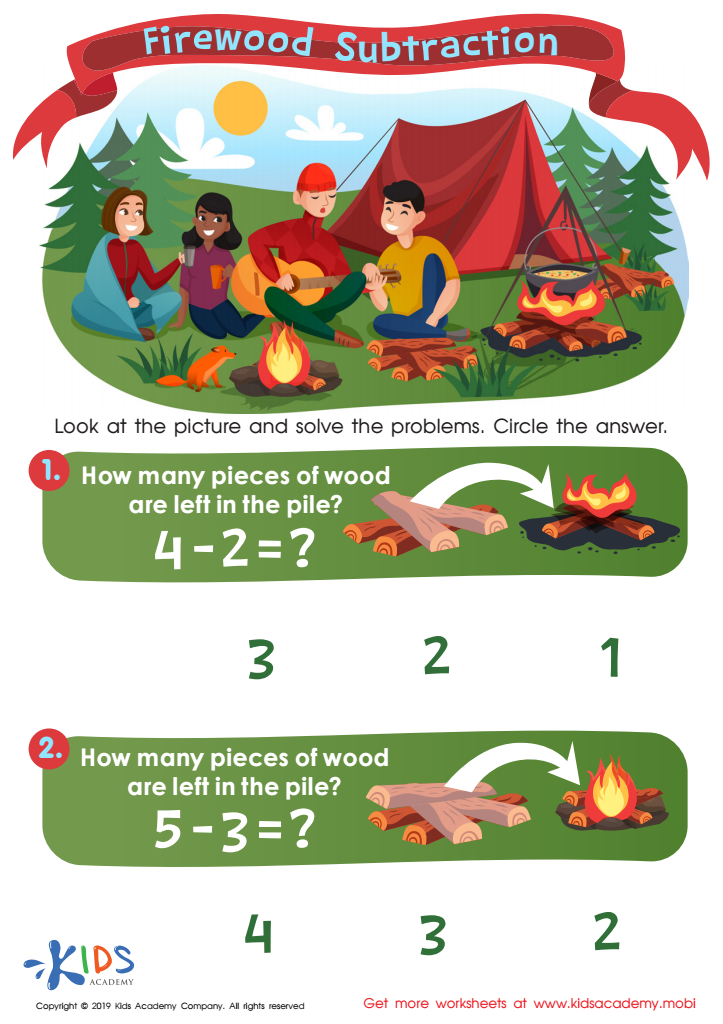
Firewood Subtraction Worksheet
 Assign to My Students
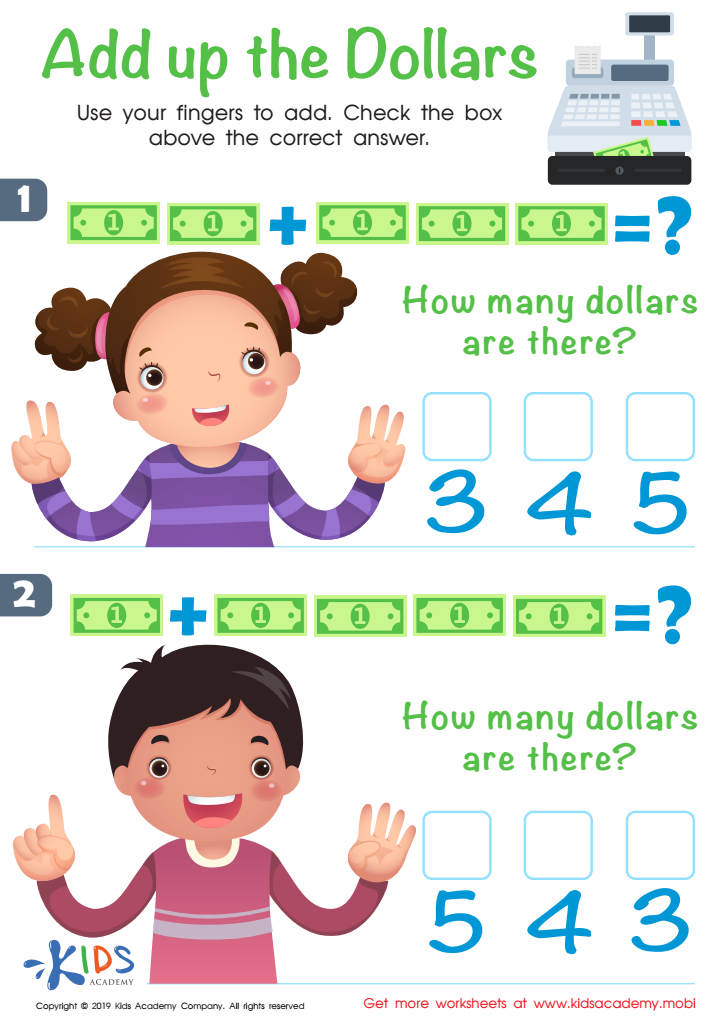
Add up the Dollars Worksheet
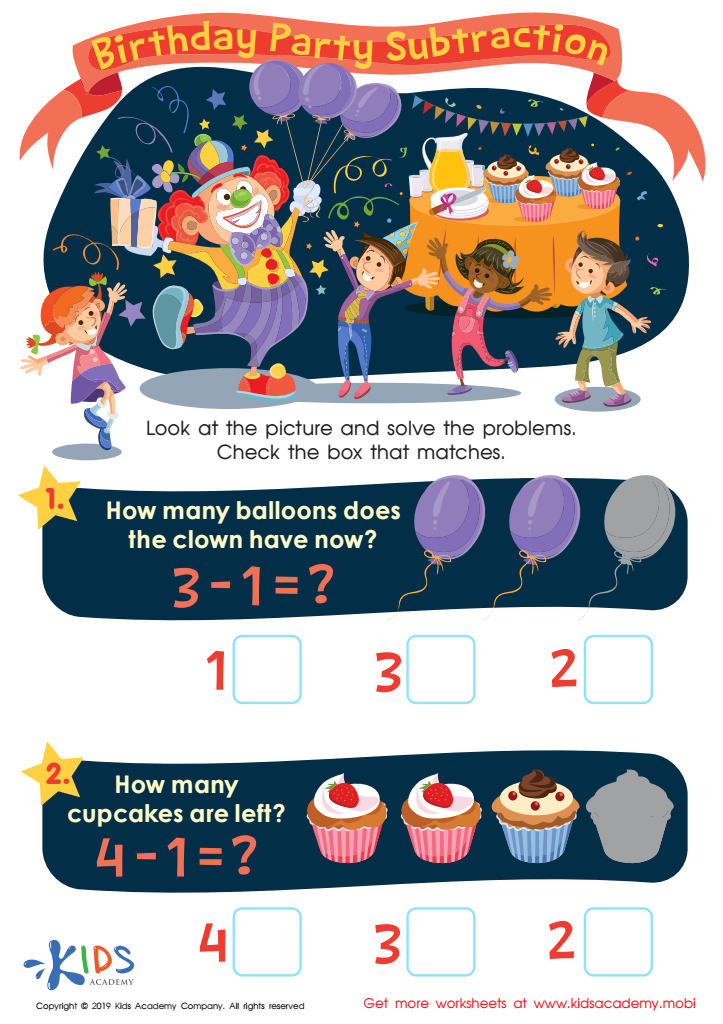
Birthday Party Subtraction Worksheet
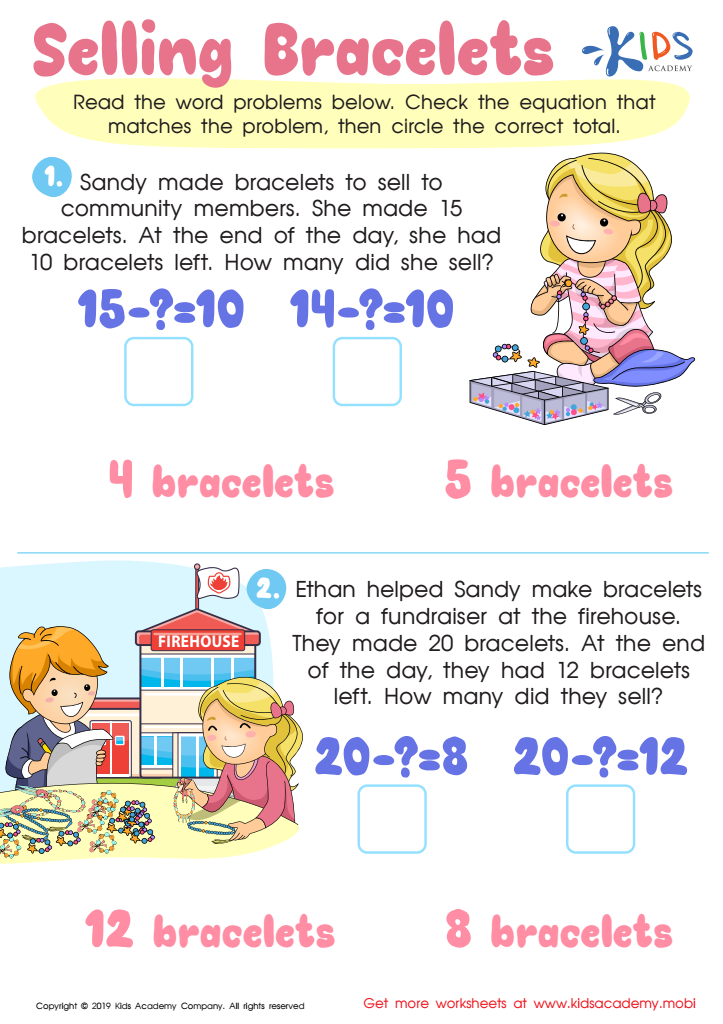
Selling the Bracelets Worksheet








Parents and teachers should emphasize problem-solving skills, specifically in easy addition and subtraction for children aged 3-7, for several compelling reasons. Early math skills form the foundation for future academic success. Introducing problem-solving in this context not only enhances numerical fluency but also fosters reasoning and critical thinking. When children tackle simple addition and subtraction problems, they learn to analyze situations, identify solutions, and apply different strategies—a process essential for coping with challenges throughout life.
Additionally, these skills contribute to children’s confidence and independence. Mastery of basic math equips children with the tools to tackle increasingly complex concepts as they progress in their education. Engaging in problem-solving exercises encourages a growth mindset, teaching them that perseverance can lead to successful outcomes.
Moreover, early exposure to mathematics not only strengthens cognitive abilities but also promotes social skills. Collaborative problem-solving activities encourage teamwork and communication, essential soft skills in both academic and social arenas. By nurturing these problem-solving abilities from a young age, parents and teachers are investing in their child's overall development, setting them on a path to become confident learners who can approach challenges with creativity and resilience.








