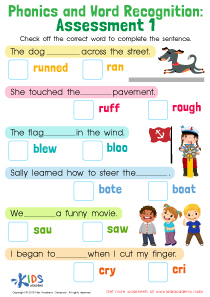
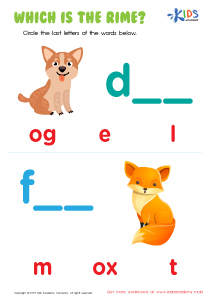
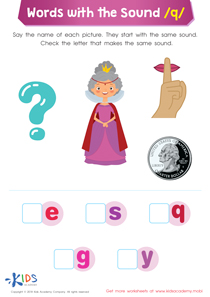
Letter-sound correlation Easy Letter Sounds Worksheets for Ages 3-9
3 filtered results
-
From - To
Discover engaging "Easy Letter Sounds Worksheets" designed for children ages 3-9 to boost their letter-sound correlation skills. Perfect for early learners, these worksheets offer fun and interactive activities that simplify the process of recognizing and matching sounds to their corresponding letters. Through colorful and educational exercises, kids can effortlessly build foundational literacy skills. Trusted by parents and educators, these worksheets help young minds connect letters with sounds, paving the way for successful reading and writing development. Visit our page today to explore a variety of printable resources that make learning enjoyable and effective!
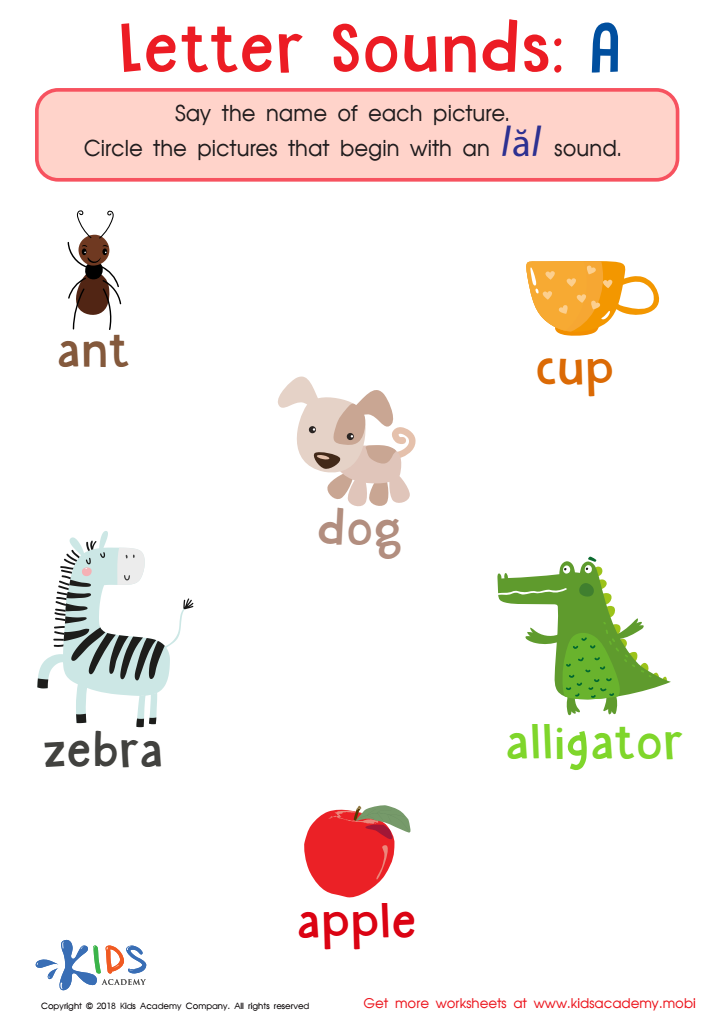
Letter A Sounds Worksheet
 Assign to My Students
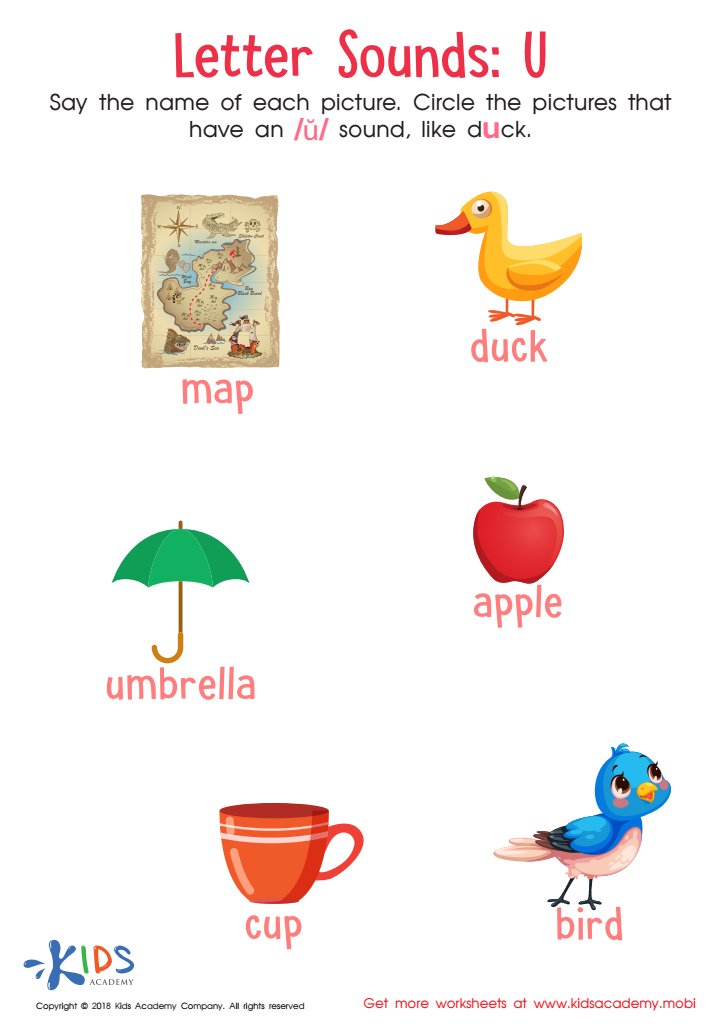
Letter U Sounds Worksheet
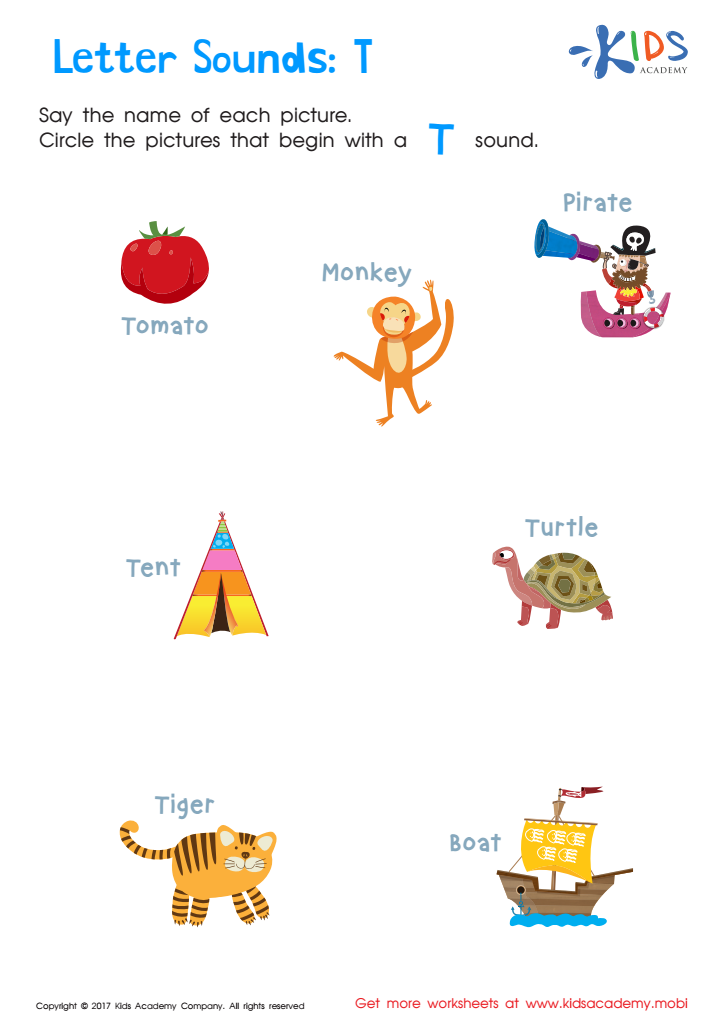
Letter T Sounds Worksheet








Understanding letter-sound correlation, often referred to as phonics, is crucial for young children, and parents and teachers should prioritize it during the early years. For children aged 3-9, learning how sounds correspond to letters forms the foundation for reading and writing. At this developmental stage, young minds are in a prime position to absorb and retain new information.
Phonics acts as the building blocks for literacy. When children grasp letter-sound relationships, they gain the tools needed to decode new words, enhancing their reading fluency and comprehension. This competency goes beyond language arts, influencing overall academic success and boosting self-esteem as they navigate their educational journey more confidently.
Early phonics instruction also helps prevent future reading difficulties. Studies show that early mastery of phonics correlates with smoother transitions into complex reading tasks. It creates a positive reading experience, promoting a lifelong love for reading and learning.
For parents and teachers, fostering a supportive, engaging, and interactive learning environment accentuates the enjoyment and effectiveness of phonics education. Activities like storytelling, letter games, and sing-alongs transform learning into a fun adventure.
In summary, guiding children through letter-sound correlation foundationally impacts their overall academic achievements, instills confidence, and fosters a lasting enthusiasm for learning.