Problem-Solving Skills Easy Addition & Subtraction Worksheets for Ages 3-9 - Page 2
29 filtered results
-
From - To
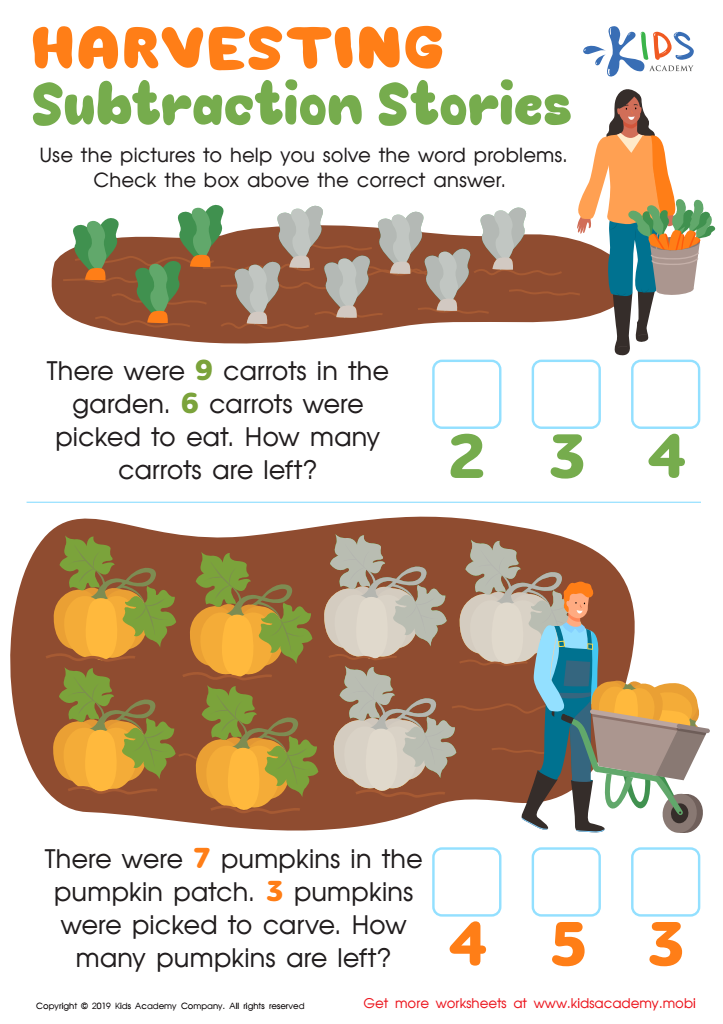
Harvesting Subtraction Stories Worksheet
 Assign to My Students
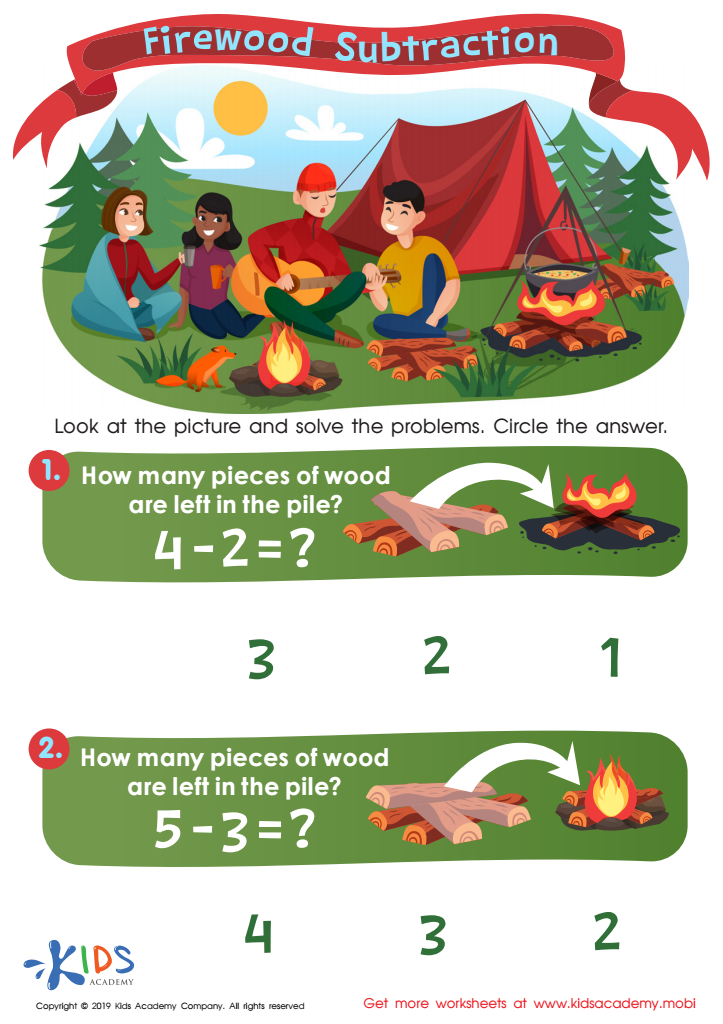
Firewood Subtraction Worksheet
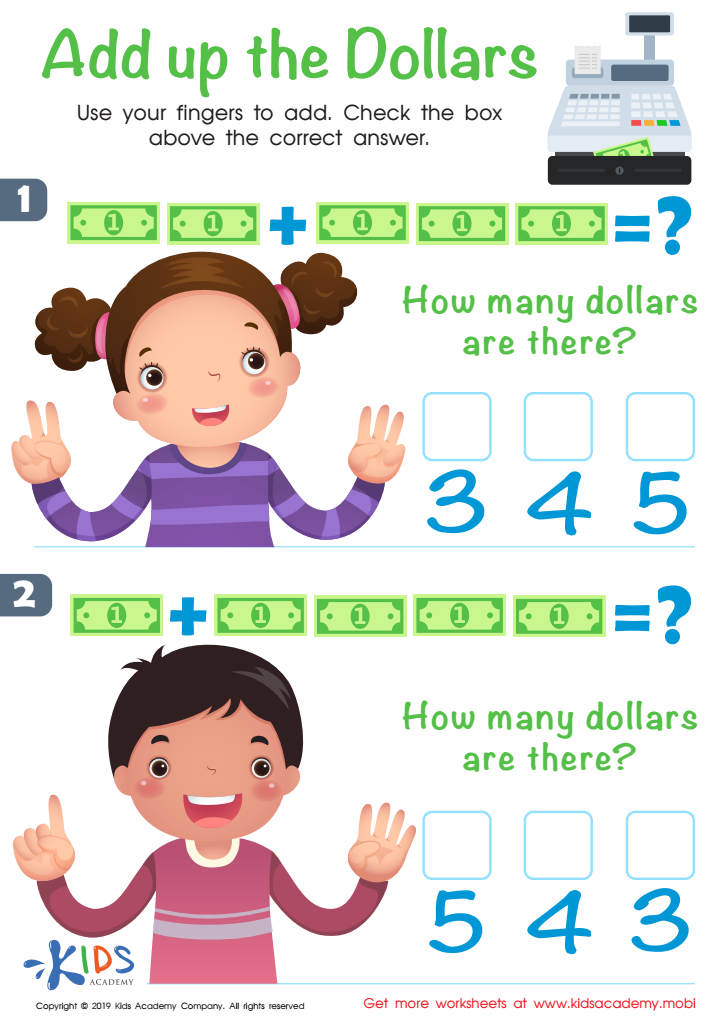
Add up the Dollars Worksheet
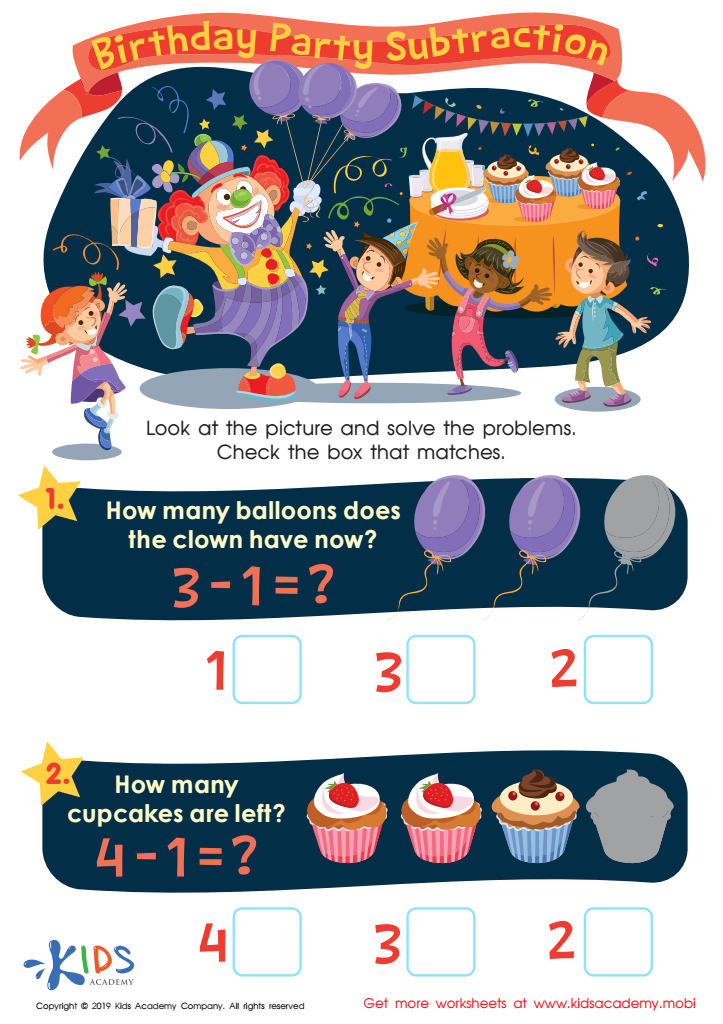
Birthday Party Subtraction Worksheet
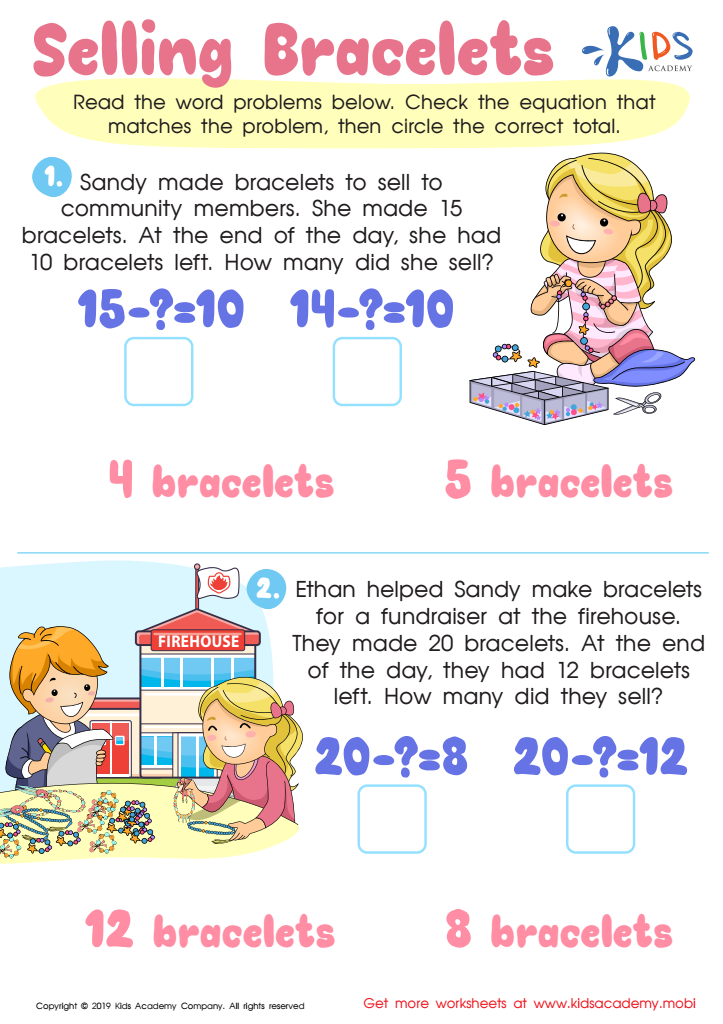
Selling the Bracelets Worksheet






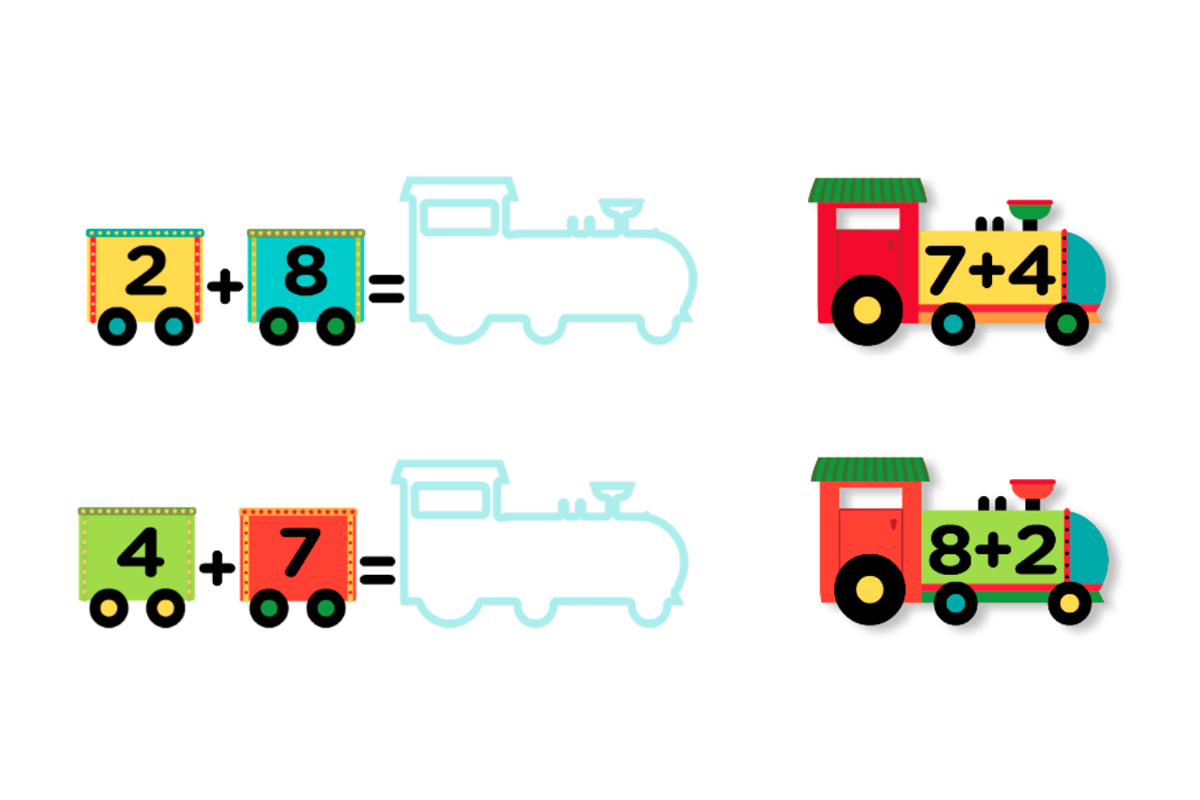

Parents and teachers should care about problem-solving skills in easy addition and subtraction for children aged 3-9 because these foundational skills greatly influence cognitive development and foster critical thinking. Mastering basic math concepts equips young learners with the tools to tackle more complex problems as they progress in their education. Early exposure to these skills enhances number sense and encourages logical reasoning, enabling children to recognize patterns and relationships.
Furthermore, problem-solving promotes a growth mindset, helping children understand that challenges can be overcome with persistence and effort. This mindset not only applies to mathematics but also to other academic disciplines and real-life situations, cultivating resilience and adaptability.
Engaging in problem-solving activities encourages collaboration and communication among peers, as children often work together to find solutions. This interaction supports social development alongside academic progress.
Finally, strengthening these math skills at an early age can prevent future difficulties in math, helping mitigate anxiety around the subject. Instilling confidence in young learners lays the groundwork for a positive attitude towards math, ultimately fostering a lifelong love for learning. By prioritizing easy addition and subtraction, parents and teachers empower children to develop essential skills for academic success and future problem-solving scenarios.








