Sorting skills Easy Math Worksheets for Ages 3-9
6 filtered results
-
From - To
Discover engaging "Sorting Skills Easy Math Worksheets for Ages 3-9" designed to make learning fun and effective. At Kids Academy, we specialize in creating age-appropriate, colorful, and interactive worksheets that help children develop crucial sorting skills. These activities enhance cognitive abilities by teaching kids how to categorize objects based on shapes, sizes, colors, and more. Perfect for preschool and elementary stages, our worksheets are tailored to support early math learning while keeping young minds captivated. Empower your child's foundational skills easily with our expertly crafted sorting worksheets today!
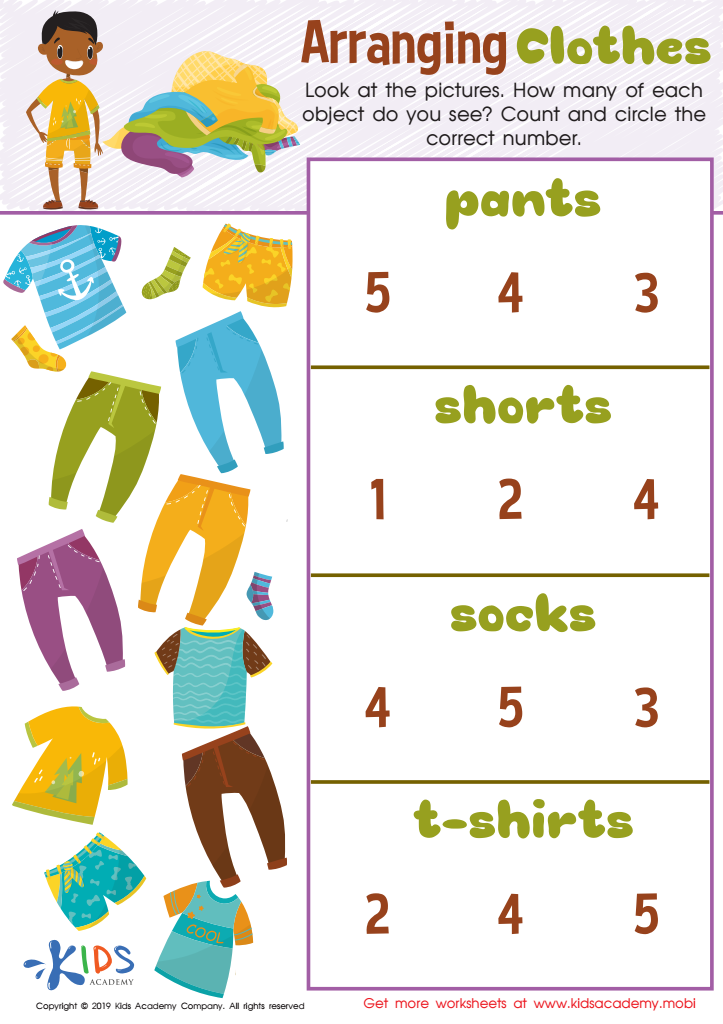
Arranging Clothes Worksheet
 Assign to My Students
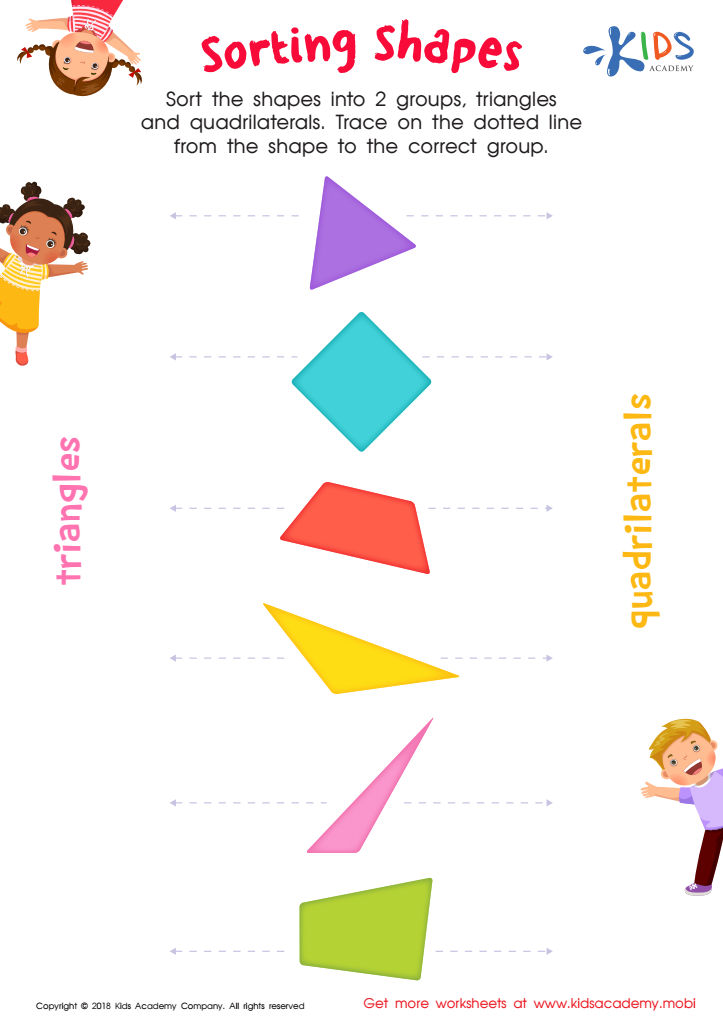
Sorting Shapes Worksheet
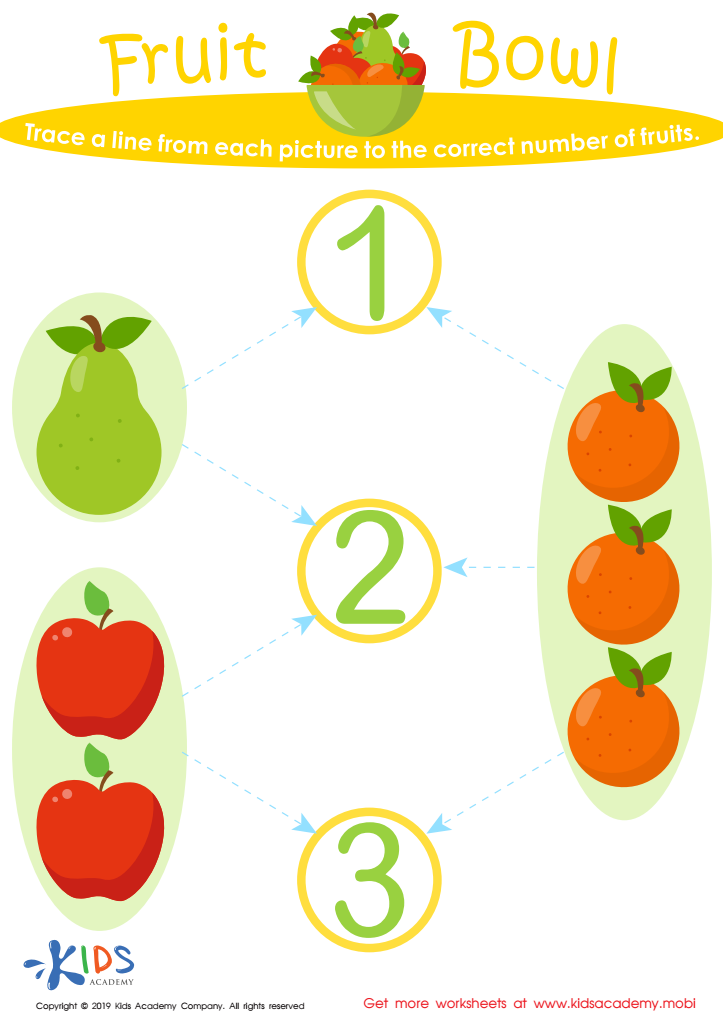
Fruit Bowl Worksheet
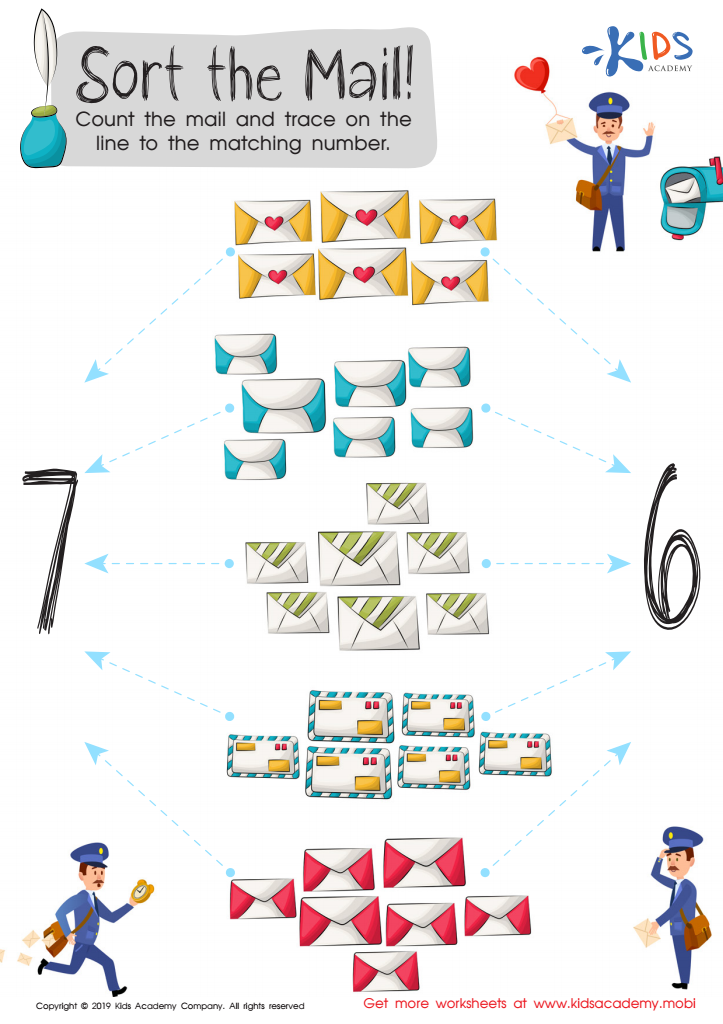
Sort the Mail Worksheet
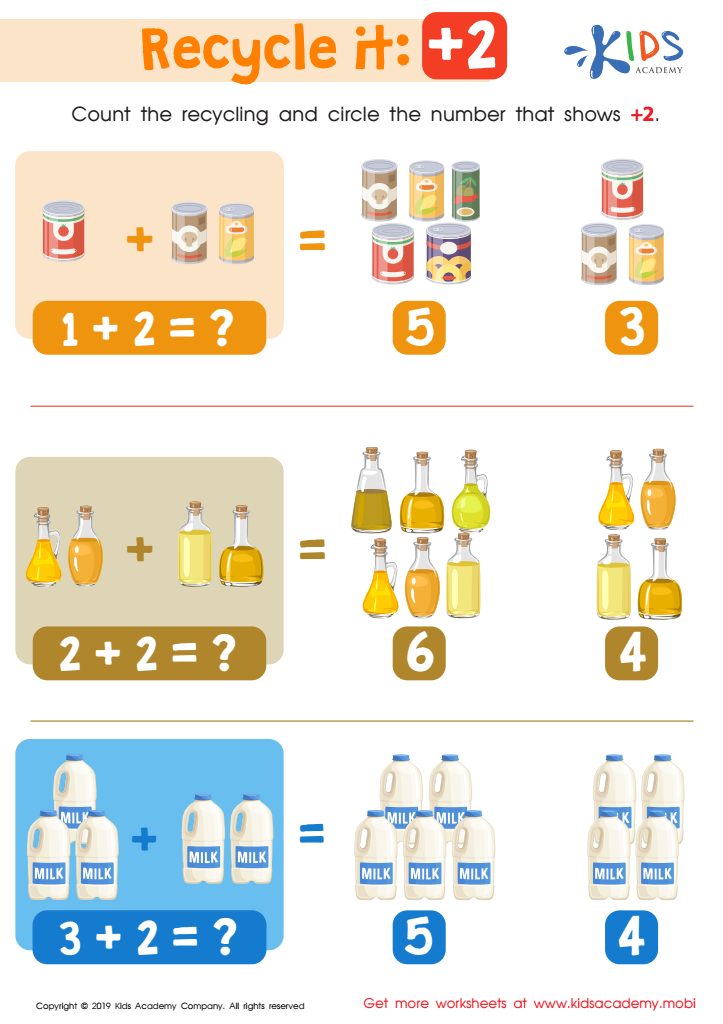
Recycle It: +2 Worksheet
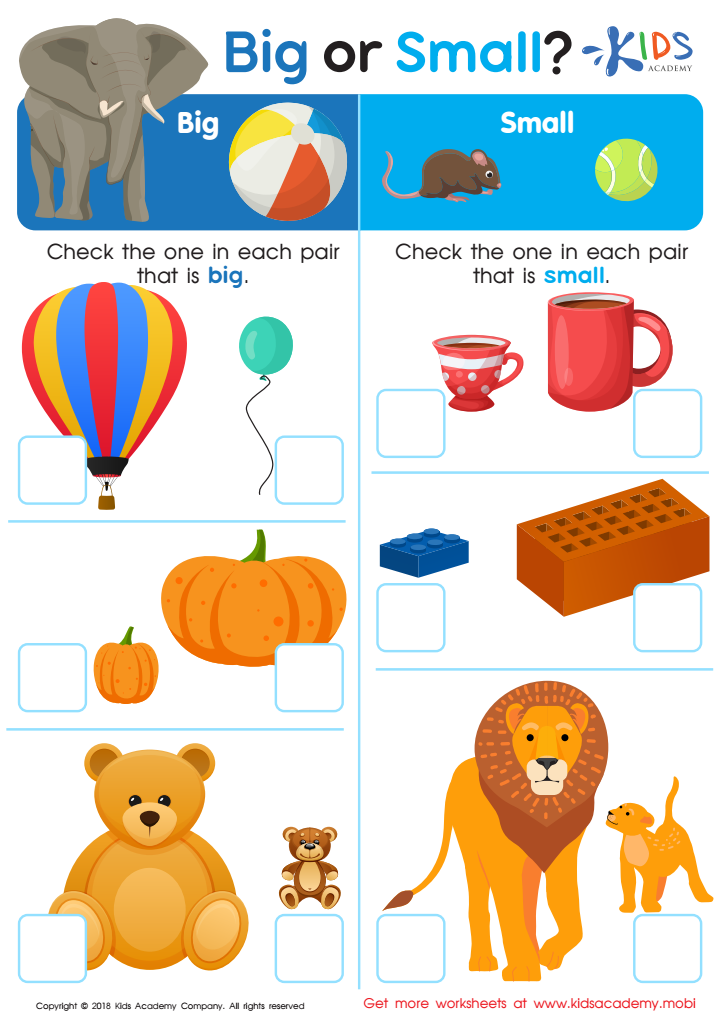
Big or Small? Worksheet








Sorting skills in early math lay a vital foundation for cognitive development, directly influencing children ages 3-9. This age group thrives on exploring and making sense of their world, and sorting activities – whether by size, shape, color, or type – are pivotal to this exploration. Parents and teachers should prioritize these skills for several reasons.
Firstly, sorting tasks enhance critical thinking by requiring children to analyze and categorize objects based on different attributes. This promotes logical reasoning and problem-solving abilities. Next, such activities support early mathematical concepts, such as counting, recognizing patterns, and understanding sequences. For instance, sorting objects by size directly correlates with understanding measurements.
Moreover, sorting enhances vocabulary and language skills. As children learn to describe the attributes of the objects they are sorting, they enrich their descriptive language and communication abilities. It also instills organizational skills, promoting a sense of order and method that can benefit other academic subjects and daily routines.
Lastly, sorting activities can be seamlessly integrated into playful interactions, making learning enjoyable and stress-free. This engagement fosters a positive attitude toward learning, setting a solid groundwork for future academic pursuits. Ensuring children develop sorting skills thus prepares them for more complex mathematical concepts and overall cognitive development.








