Writing practice Easy Letter Recognition Worksheets for 3-Year-Olds
3 filtered results
-
From - To
Enhance early literacy skills with our Writing Practice Easy Letter Recognition Worksheets for 3-Year-Olds. These engaging, age-appropriate worksheets are designed to introduce young children to the basics of writing and recognizing letters through fun and interactive activities. Each worksheet combines visual aids and straightforward exercises to help little learners develop fine motor skills and letter awareness, setting a solid foundation for future reading and writing success. Perfect for use at home or in a classroom setting, these easy-to-print resources make early learning enjoyable and accessible. Start your child's literacy journey today with our expertly crafted worksheets!
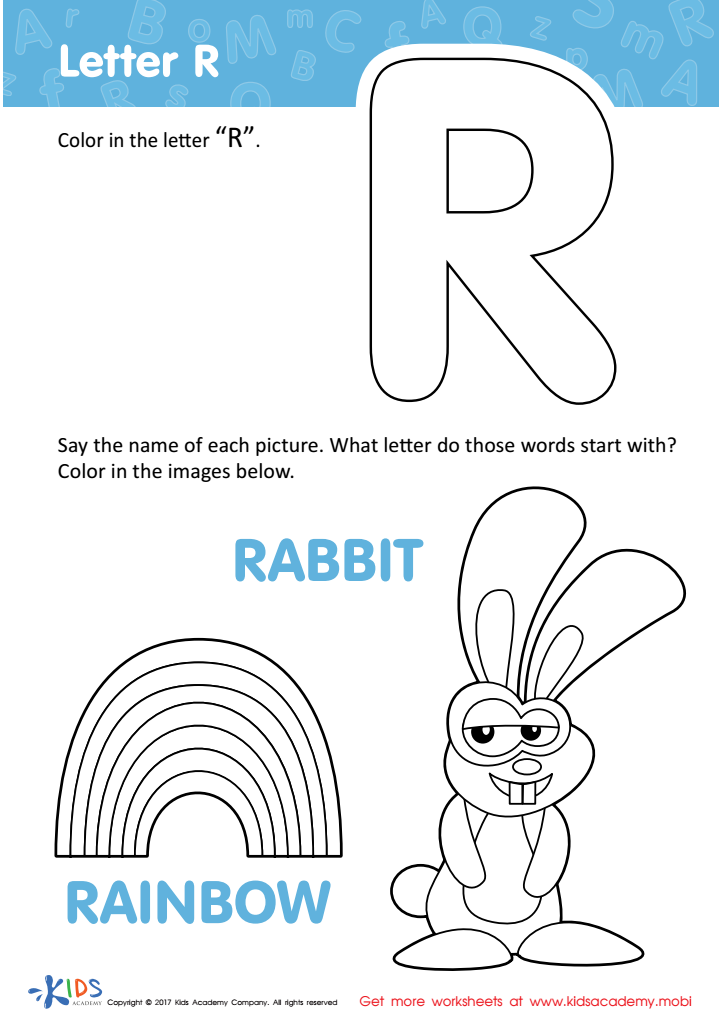
Letter R Coloring Sheet
 Assign to My Students
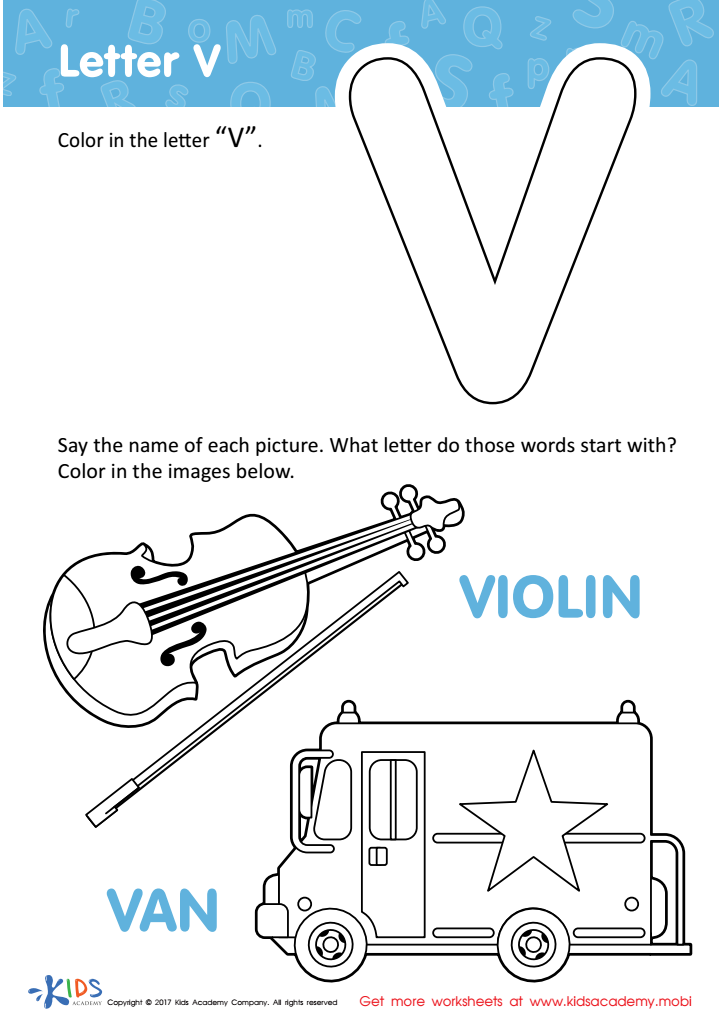
Letter V Coloring Sheet
Assign to My Students
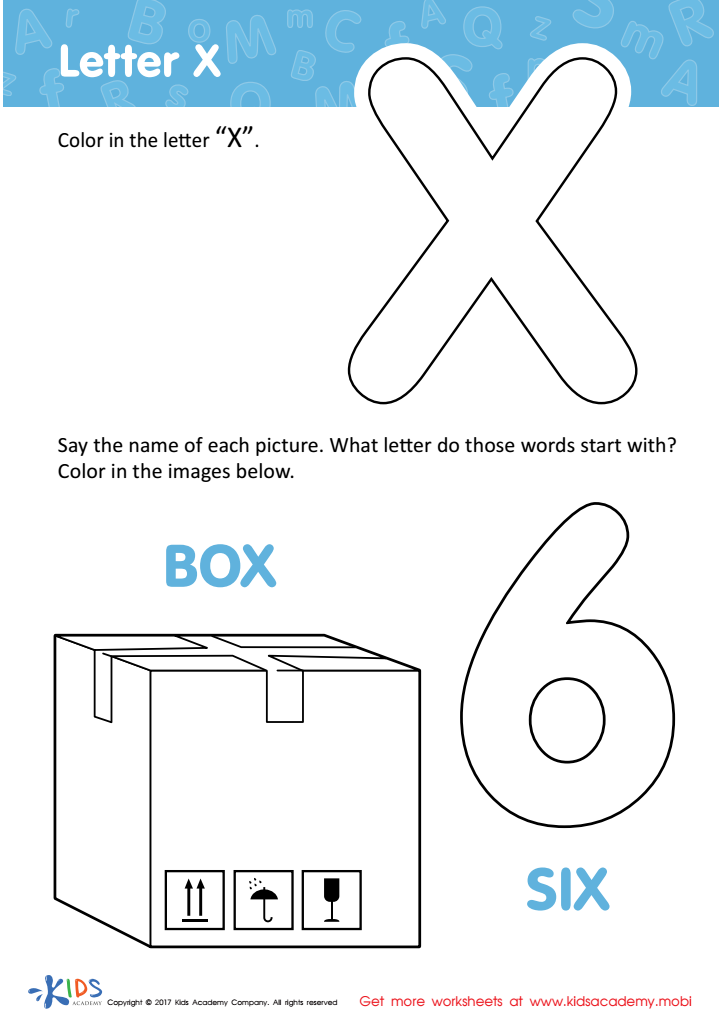
Letter X Coloring Sheet
Assign to My Students








Parents and teachers should value writing practice and easy letter recognition for 3-year-olds because these foundational skills are critical for early literacy development and future academic success. At this tender age, children’s brains are highly receptive to new information, making it an ideal period for introducing basic literacy concepts. Writing practice helps cultivate fine motor skills, which are essential for tasks such as holding a pencil, controlling hand movements, and eventually forming letters correctly.
Additionally, early letter recognition is a stepping-stone to reading. When children become familiar with the shapes and sounds of letters, they start understanding how words are formed and how phonics work. This makes the transition to reading smoother and less frustrating. Engaging in these activities also stimulates cognitive development, supports memory retention, and enhances concentration skills.
Moreover, early literacy activities foster a positive attitude towards learning and boost self-esteem. When children show signs of recognizing letters and attempting to write, they receive encouragement and praise, fueling their motivation to continue exploring language. Teachers and parents play an instrumental role by providing resources, practicing patience, and creating an engaging, supportive learning environment. In summary, prioritizing writing practice and letter recognition imbues children with essential skills that pave the way for future scholarly achievements and lifelong learning enthusiasm.