Visual perception Easy Numbers Worksheets for 3-Year-Olds
10 filtered results
-
From - To
Introducing our "Visual Perception Easy Numbers Worksheets" designed specifically for 3-year-olds! These engaging, age-appropriate worksheets help young learners develop crucial visual perception skills while they explore the world of numbers. Through fun activities and colorful visuals, children will enhance their ability to recognize, identify, and differentiate numbers. Our worksheets promote hands-on learning, ensuring that kids remain engaged as they practice counting, shape recognition, and visual matching. Perfect for both classroom and at-home learning, our resources support early childhood development while making numbers exciting and accessible. Nurture your child's mathematical foundation today with our easy and effective worksheets!
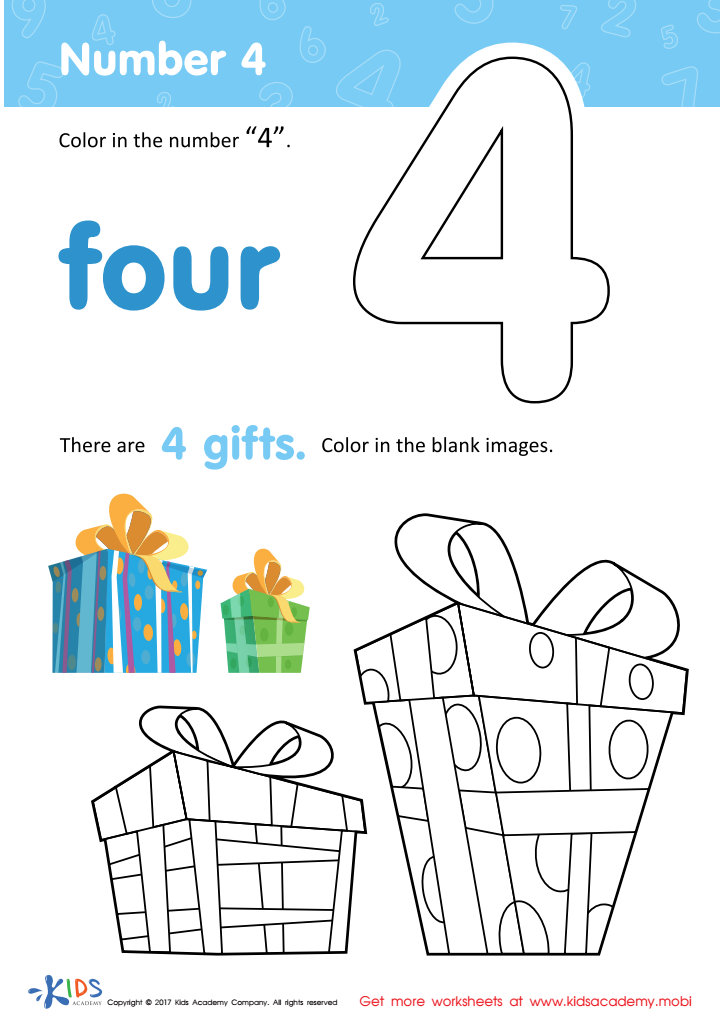
Number 4 Printable
 Assign to My Students
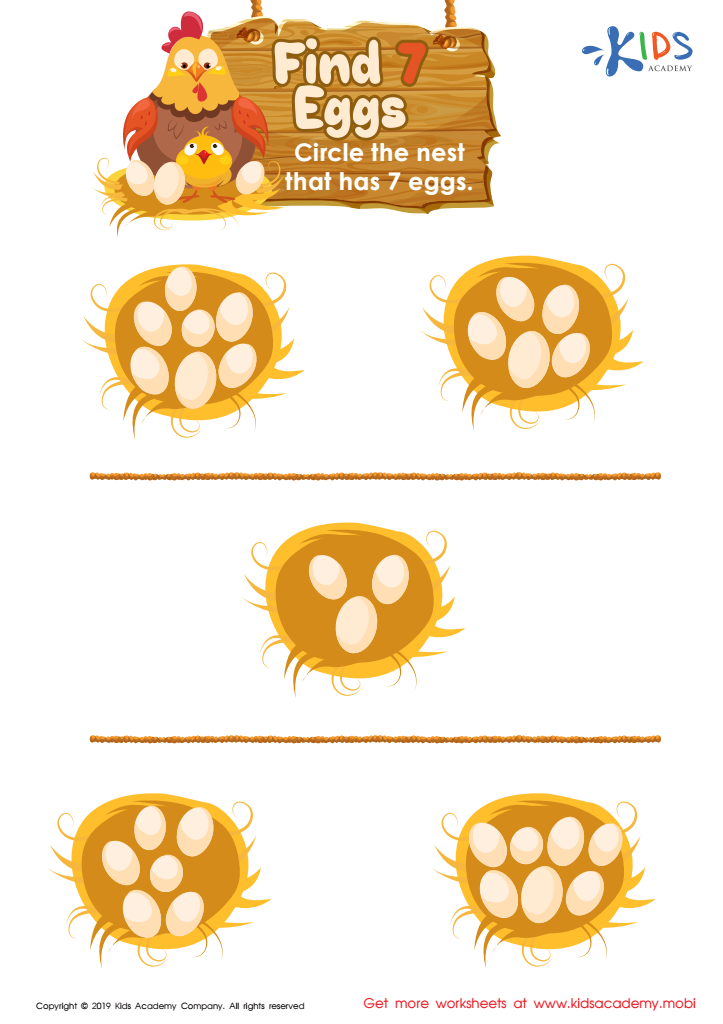
Find 7 Eggs Worksheet
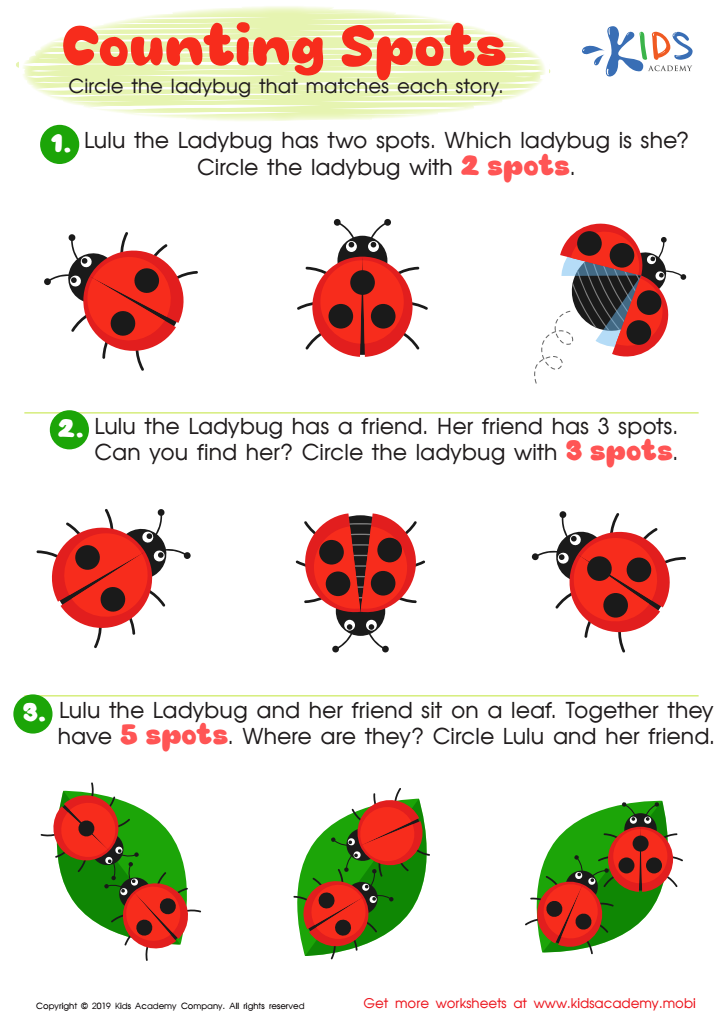
Counting Spots Worksheet
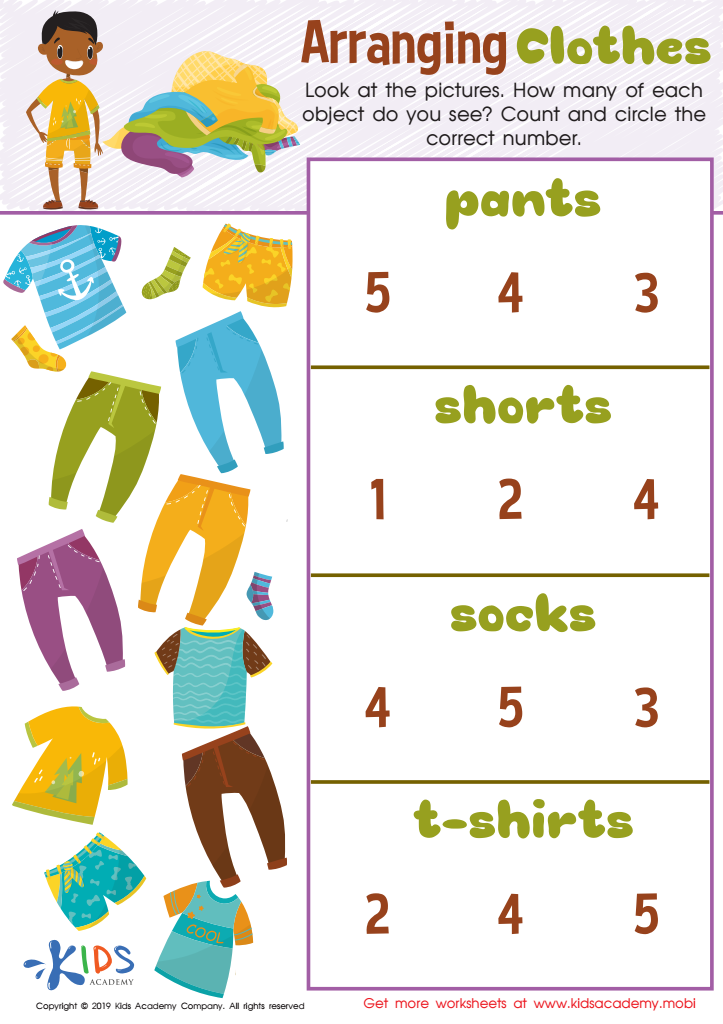
Arranging Clothes Worksheet
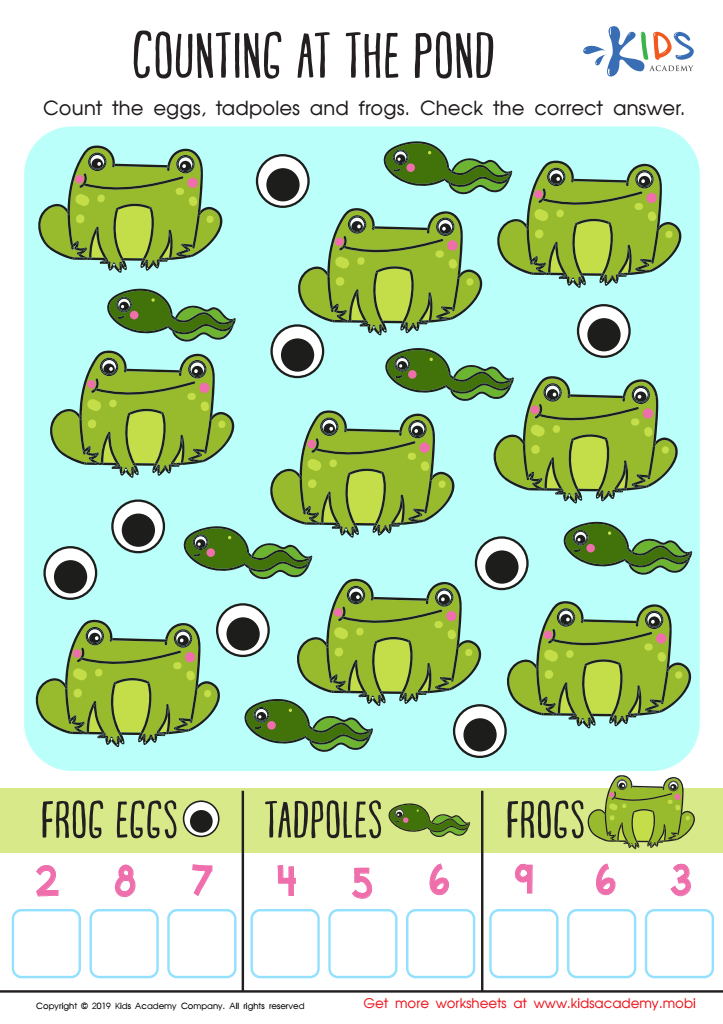
Counting at the Pond Worksheet
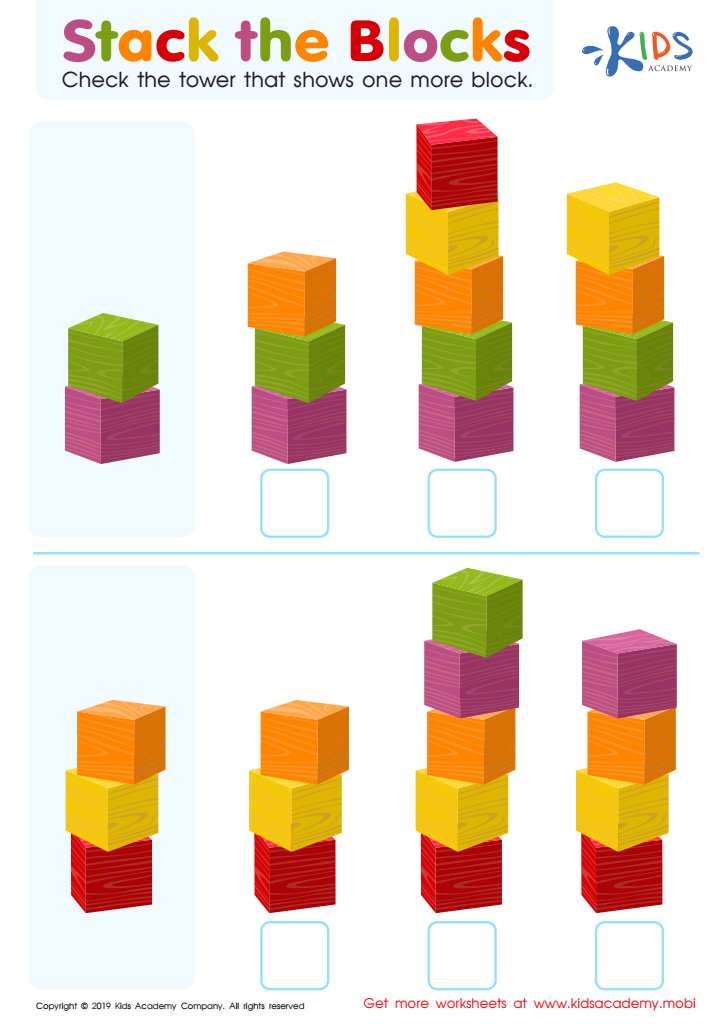
Stack the Blocks Worksheet
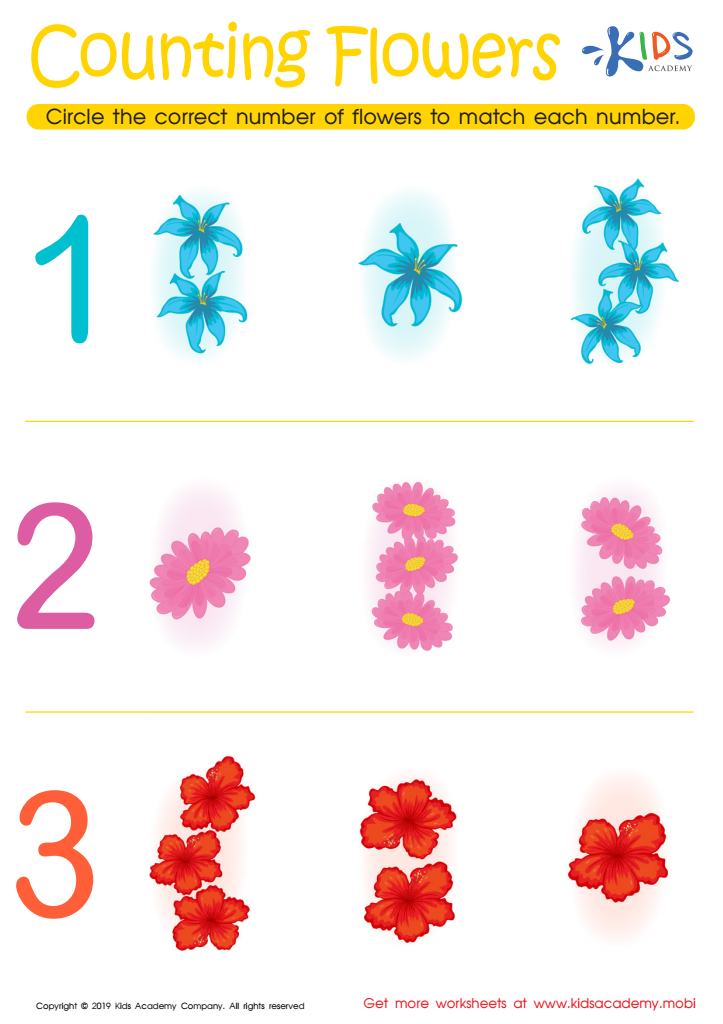
Counting Flowers Worksheet
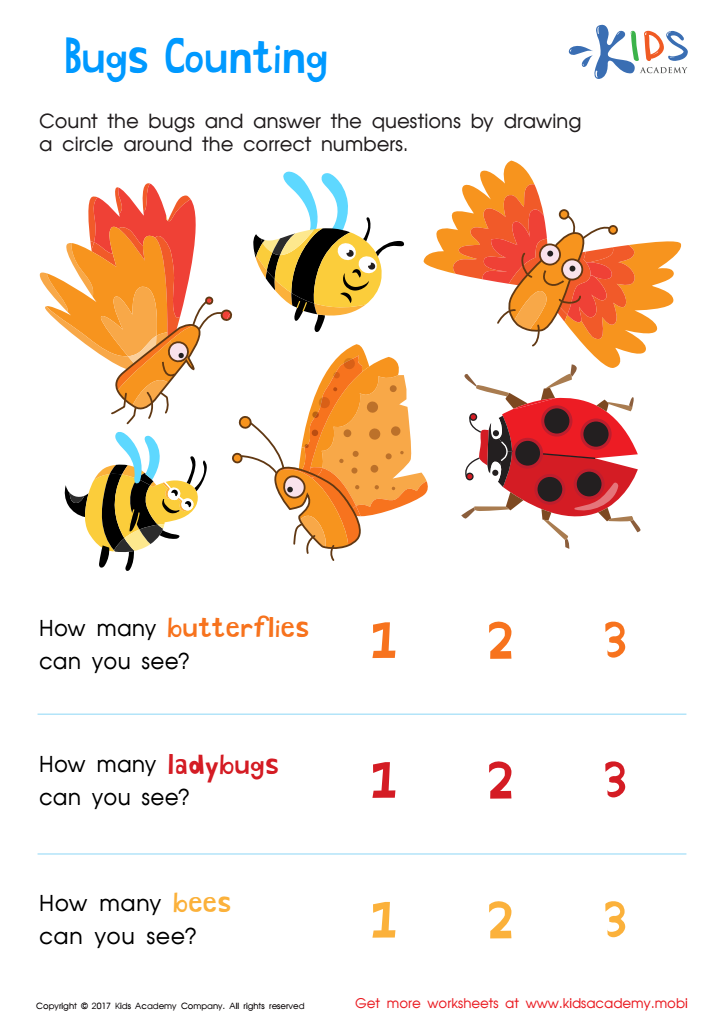
Bugs Counting Worksheet
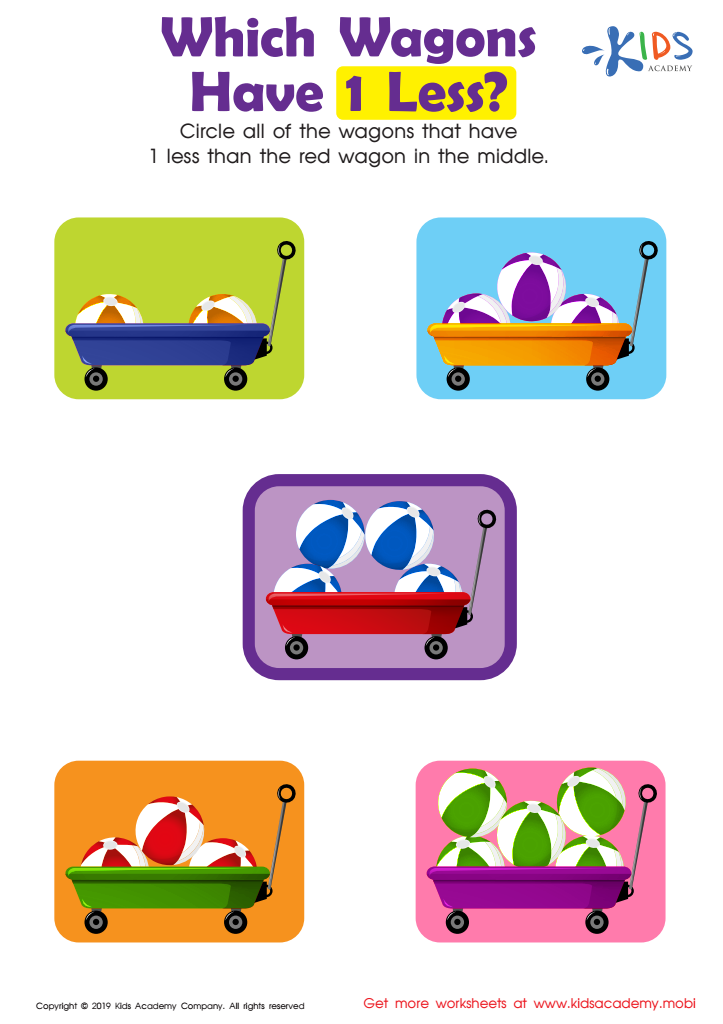
Which Wagons Have 1 Less? Worksheet
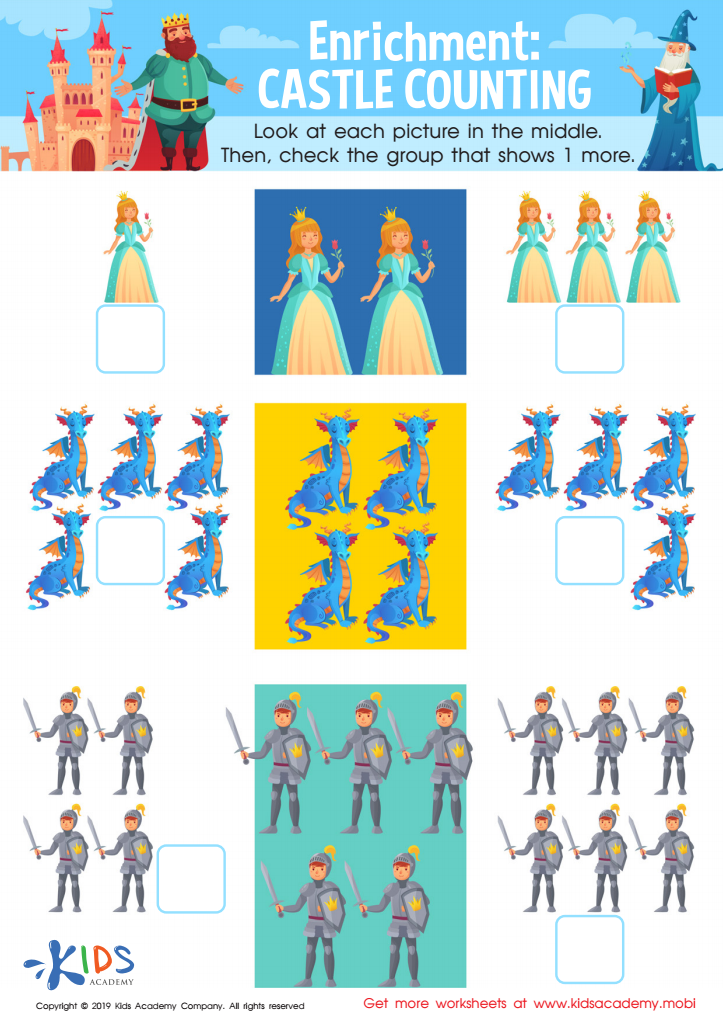
Enrichment: Castle Counting Worksheet





.jpg)


Visual perception is a crucial skill for young children, and it plays an essential role in their learning and development, particularly for those around the age of three. As children begin to explore the world, they rely heavily on their ability to interpret and understand visual information. Therefore, parents and teachers should prioritize activities that enhance visual perception in preschoolers, such as "Easy Numbers" exercises.
Developing visual perception helps children recognize shapes, colors, and patterns, which are foundational skills for early math and literacy. Improved visual processing enhances their ability to differentiate between similar objects, understand spatial relationships, and develop coordination. For instance, the recognition of numbers and counting will lay the groundwork for future mathematical concepts.
Moreover, strong visual perception skills boost a child's confidence and independence, enabling them to navigate their environment effectively and participate in everyday activities. Engaging children in fun, interactive learning using visually stimulating materials nurtures a love for learning and curiosity. By focusing on visual perception, parents and teachers are not only promoting cognitive development but also empowering children to thrive in their early educational experiences, setting a solid foundation for lifelong learning.








