Best offer
Days
Hours
Minutes
Seconds
3 filtered results
Discover engaging Reading Comprehension Easy Word Problems Worksheets designed specifically for 3-year-olds! These worksheets offer a fun and interactive way for young learners to develop critical thinking and comprehension skills through relatable and simple math scenarios. By integrating playful language and colorful visuals, children will be excited to solve age-appropriate word problems that bolster their understanding of numbers and counting. Ideal for early education settings or home learning, our worksheets promote cognitive growth while fostering a love for learning. Help your little ones build confidence in reading and math with our carefully crafted resources—perfect for nurturing young minds!
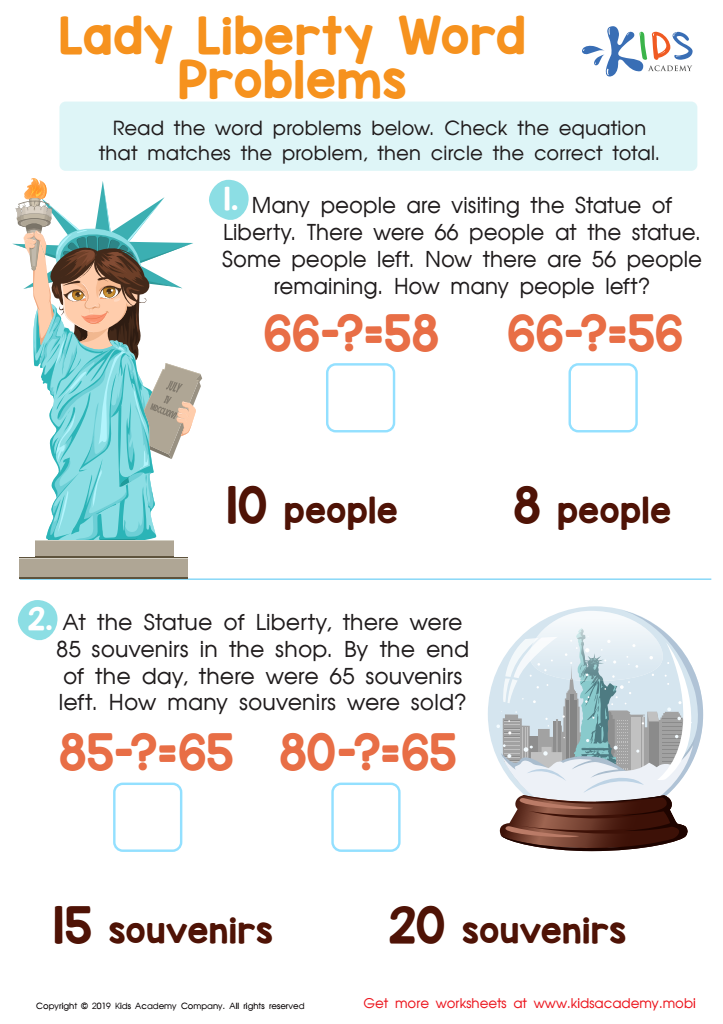
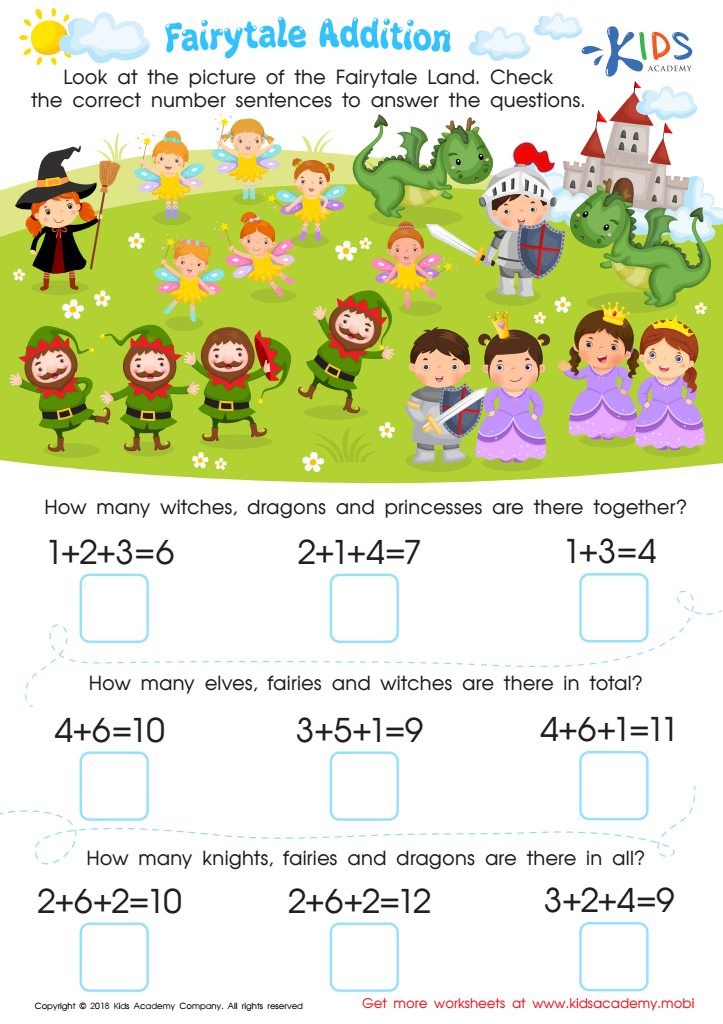
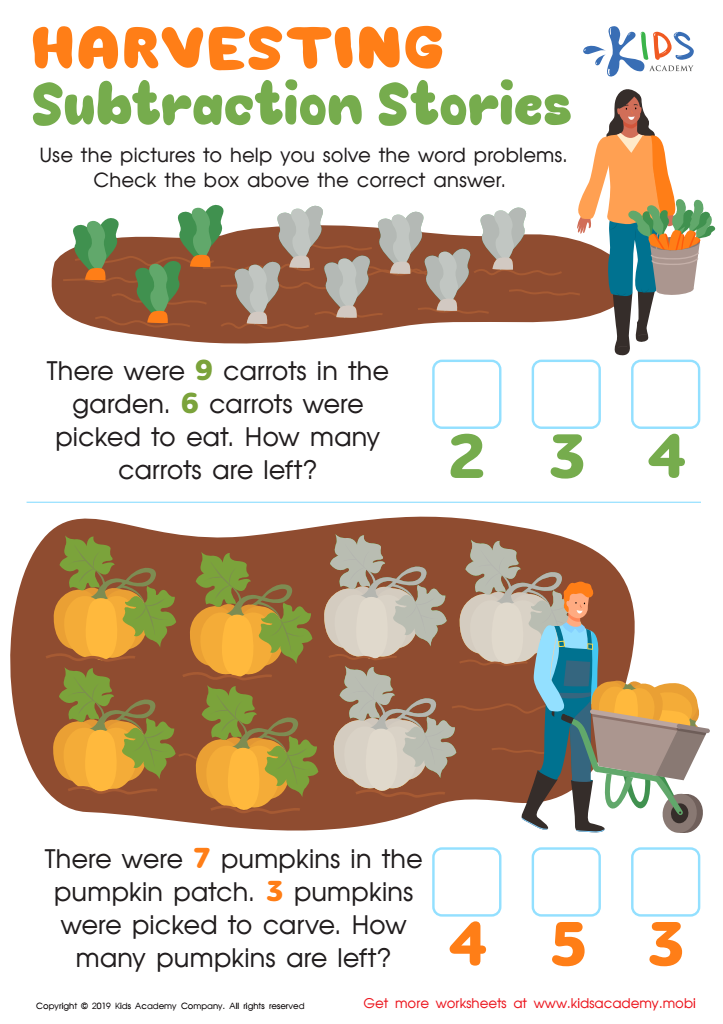
Reading comprehension, even in the context of easy word problems, is crucial for 3-year-olds as it sets the foundation for their future learning and cognitive development. At this age, children are beginning to grasp basic concepts and vocabulary through interactive reading. Easy word problems encourage them to actively engage with stories and understand relationships between characters and events, enhancing their critical thinking skills.
Parents and teachers should care about this aspect of literacy because early experiences with reading comprehension influence children's ability to process and analyze information throughout their lives. By introducing simple word problems, adults can foster an environment where kids are excited about problem-solving and language usage. This practice not only cultivates a love for reading but also develops essential listening and reasoning skills.
Moreover, early mastery of reading comprehension supports academic success later on. Children who engage with stories and practice comprehension skills are more likely to excel in subjects like math and science, which also involve reading and interpretation. Ultimately, investing time in reading comprehension and word problem-solving helps nurture well-rounded, confident learners ready to tackle challenges in their educational journey. By prioritizing this skill, we empower children with the tools necessary for lifelong learning.


$9.99

$9.99 / month
$ 1.99 / month
$ 1.99 / month
$9.99 / month
 Assign to My Students