Handwriting practice Easy Letter Recognition Worksheets for Ages 4-6
3 filtered results
-
From - To
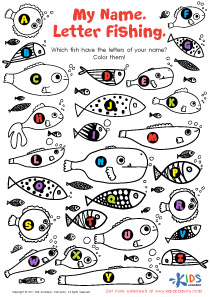
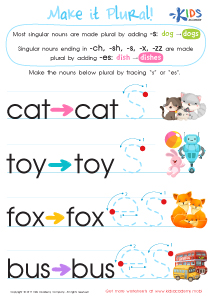
Boost your child's early literacy skills with our Handwriting Practice Easy Letter Recognition Worksheets designed for ages 4-6. Our engaging and educational worksheets make learning the alphabet fun and effective. Each worksheet focuses on familiarizing young kids with letter shapes and sequences, enhancing their fine motor skills essential for handwriting. Through a variety of exercises, children gain confidence in identifying and tracing letters in a playful, interactive manner. Perfect for preschoolers and kindergarteners, these printable resources provide a solid foundation for reading and writing success. Make handwriting practice enjoyable and productive with our expertly crafted worksheets!
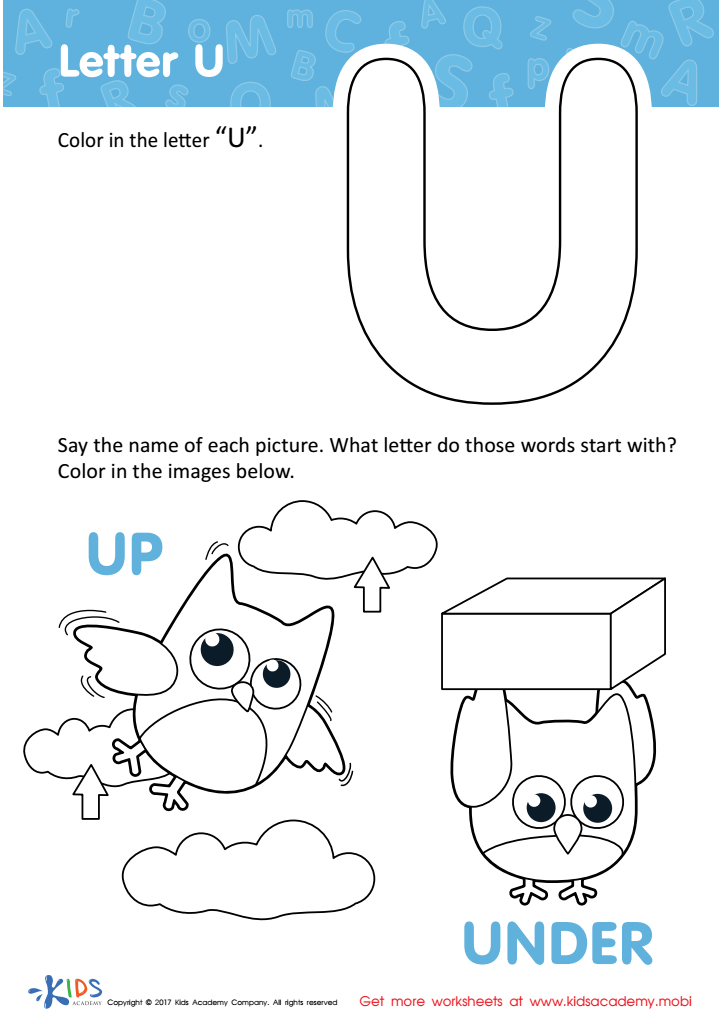
Letter U Coloring Sheet
 Assign to My Students
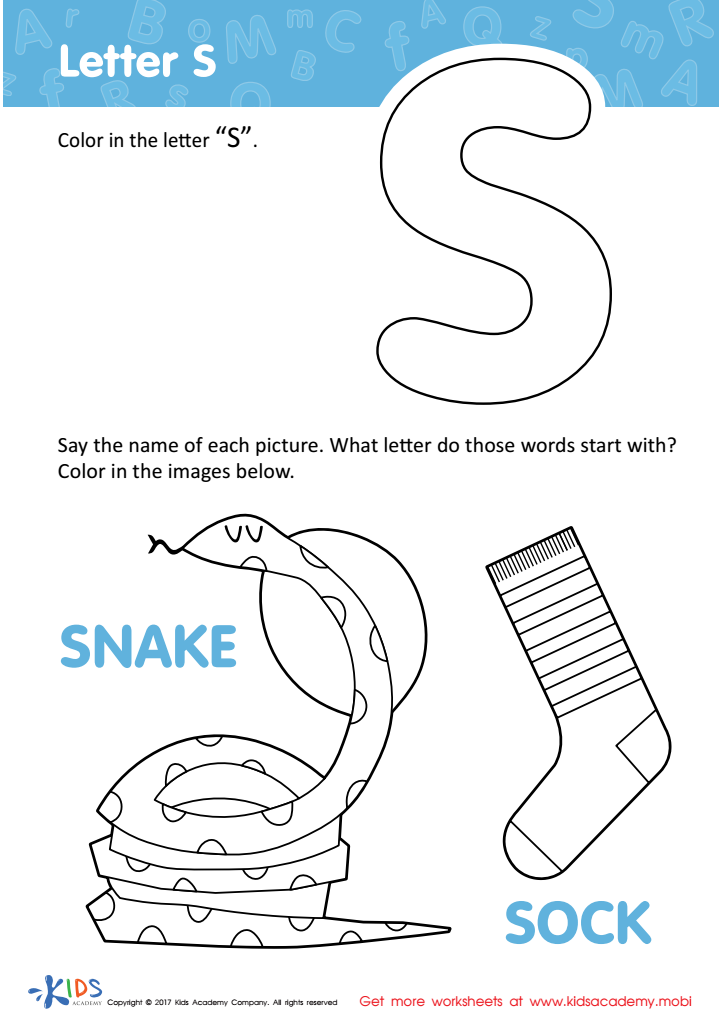
Letter S Coloring Sheet
Assign to My Students
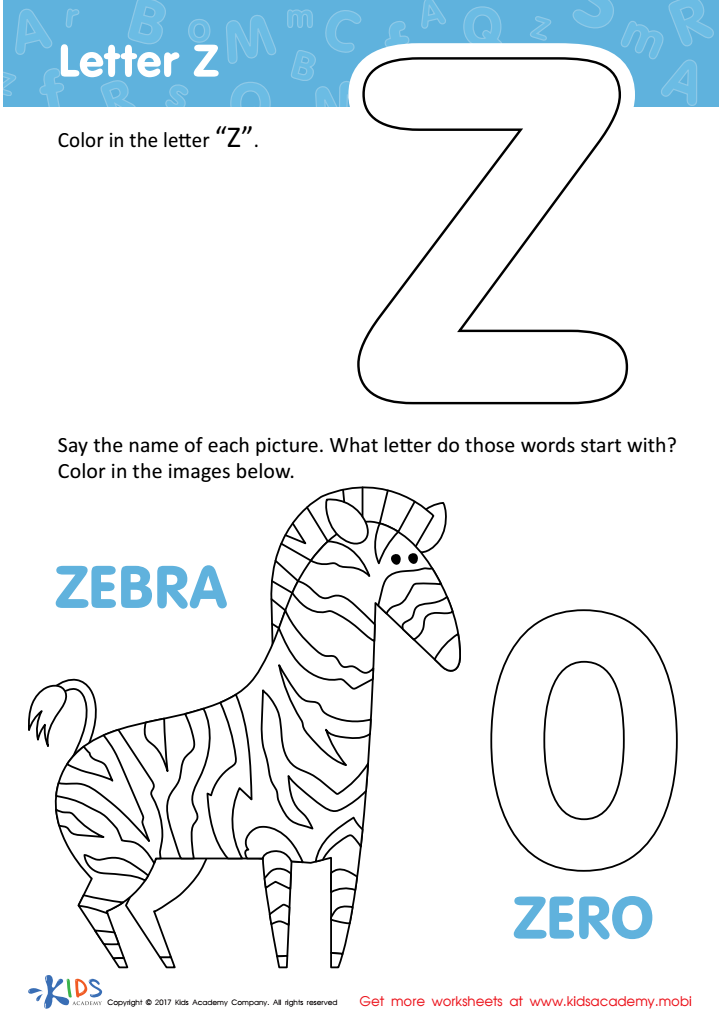
Letter Z Coloring Sheet
Assign to My Students








Handwriting practice is crucial for children ages 4-6 as it lays the foundation for essential skills that influence their academic and personal development. During these formative years, easy letter recognition plays a pivotal role in their educational journey. Firstly, understanding and forming letters enhances fine motor skills, which are vital for daily tasks like buttoning a shirt or tying shoelaces. Developing these skills early ensures smoother progression in other physical activities.
Additionally, handwriting practice improves cognitive abilities, such as memory and attention to detail. Writing letters continuously strengthens neural pathways associated with reading and spelling, thus aiding in quicker and more effective literacy development. Being able to recognize and form letters effortlessly allows children to understand the building blocks of words, fostering a smoother transition to reading and writing sentences.
Furthermore, regular handwriting practice boosts confidence and independence. When children can write legibly and recognize letters with ease, they feel a sense of accomplishment, motivating them to take on more complex tasks. It also facilitates better classroom engagement, as they can easily follow along with lessons and complete written assignments.
In summary, investing time in handwriting practice for children aged 4-6 engenders a trifecta of benefits: improved motor skills, enhanced cognitive development, and boosted self-esteem, setting a strong foundation for lifelong learning.