Sorting skills Easy Math Worksheets for Ages 4-6
5 filtered results
-
From - To
Boost your child's early learning journey with our "Sorting Skills Easy Math Worksheets" designed for ages 4-6. These engaging and colorful worksheets help young learners develop essential sorting and categorization skills through fun, interactive tasks. From grouping objects by size, shape, or color, to identifying patterns, our worksheets make learning math enjoyable and effective. Perfect for at-home practice or classroom activities, they cater to diverse learning styles and abilities. Encourage critical thinking and fine motor development while building a strong foundation in math. Explore our collection today and watch your child's confidence soar in sorting skills and beyond!
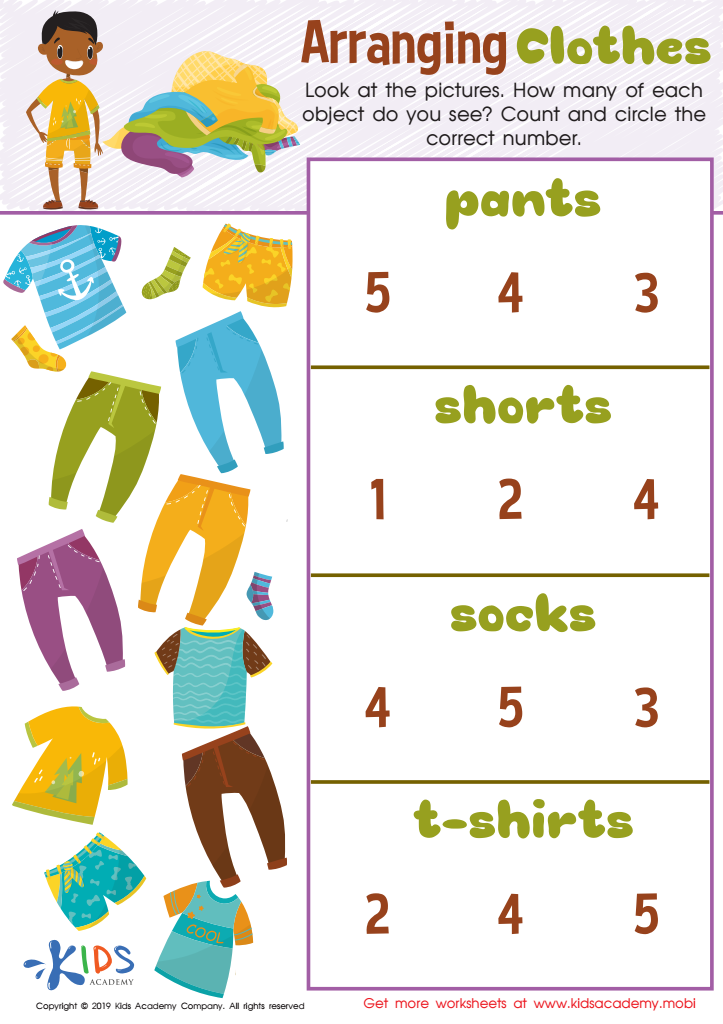
Arranging Clothes Worksheet
 Assign to My Students
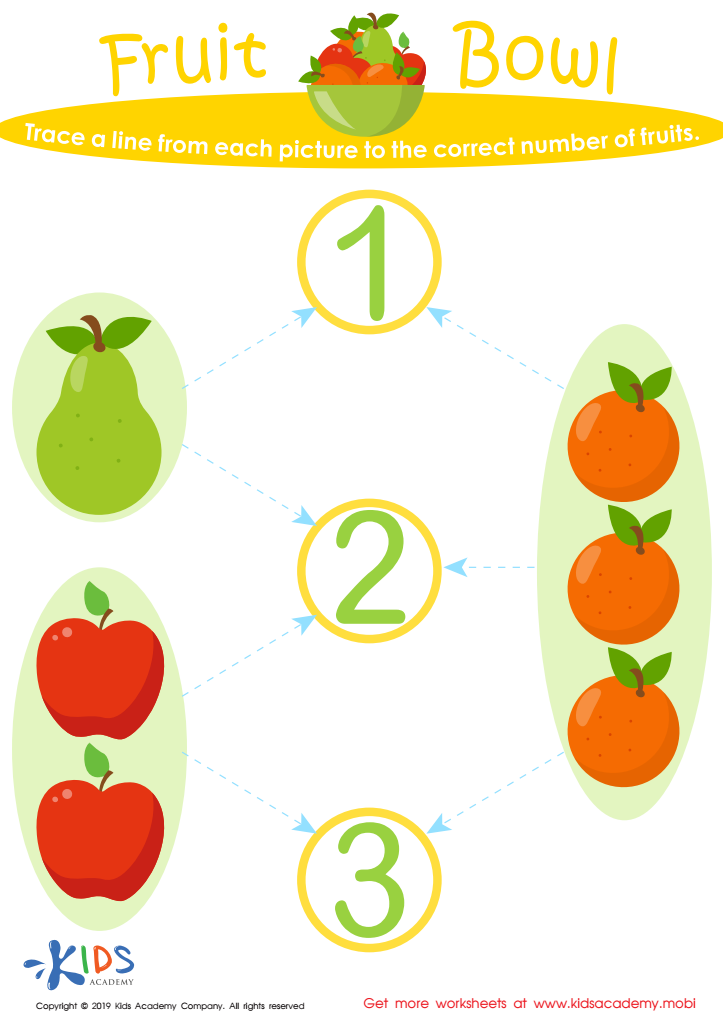
Fruit Bowl Worksheet
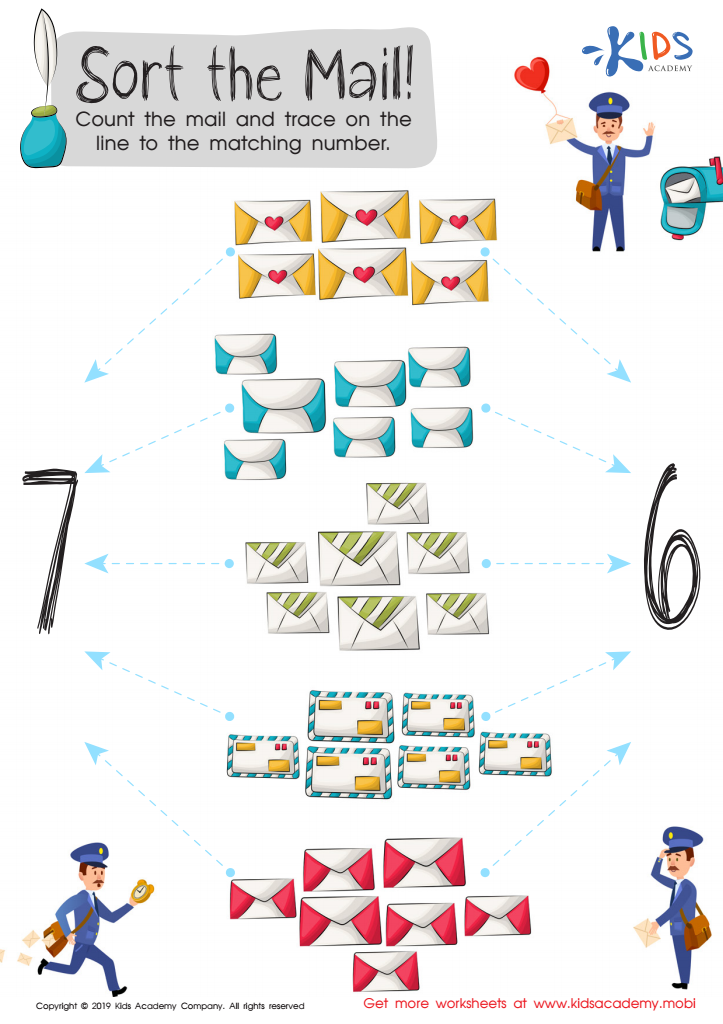
Sort the Mail Worksheet
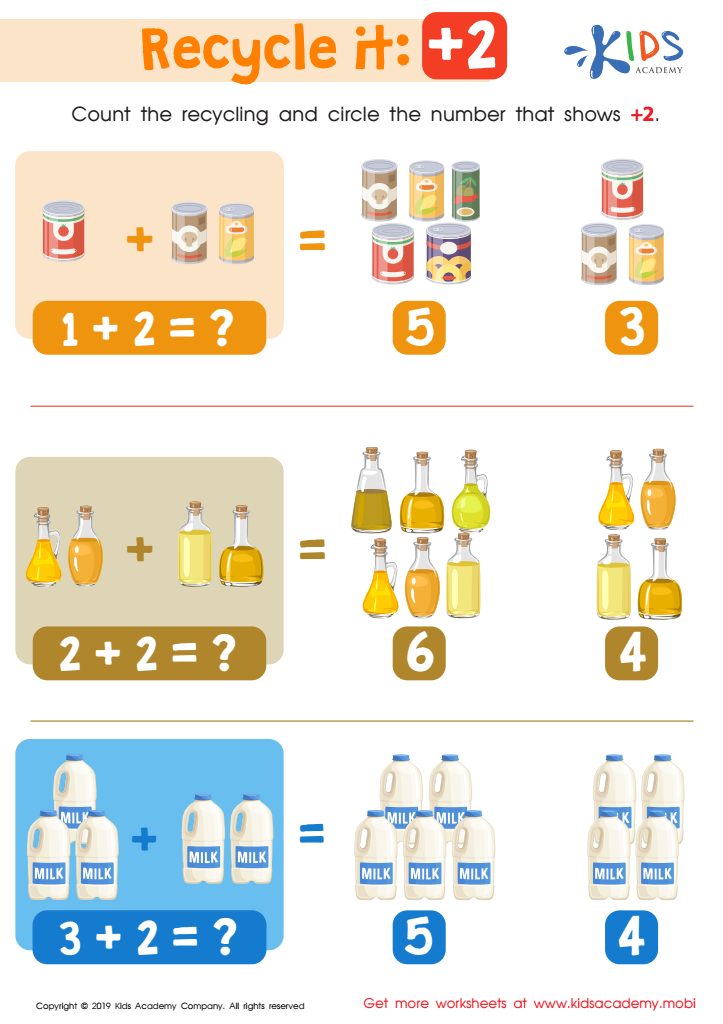
Recycle It: +2 Worksheet
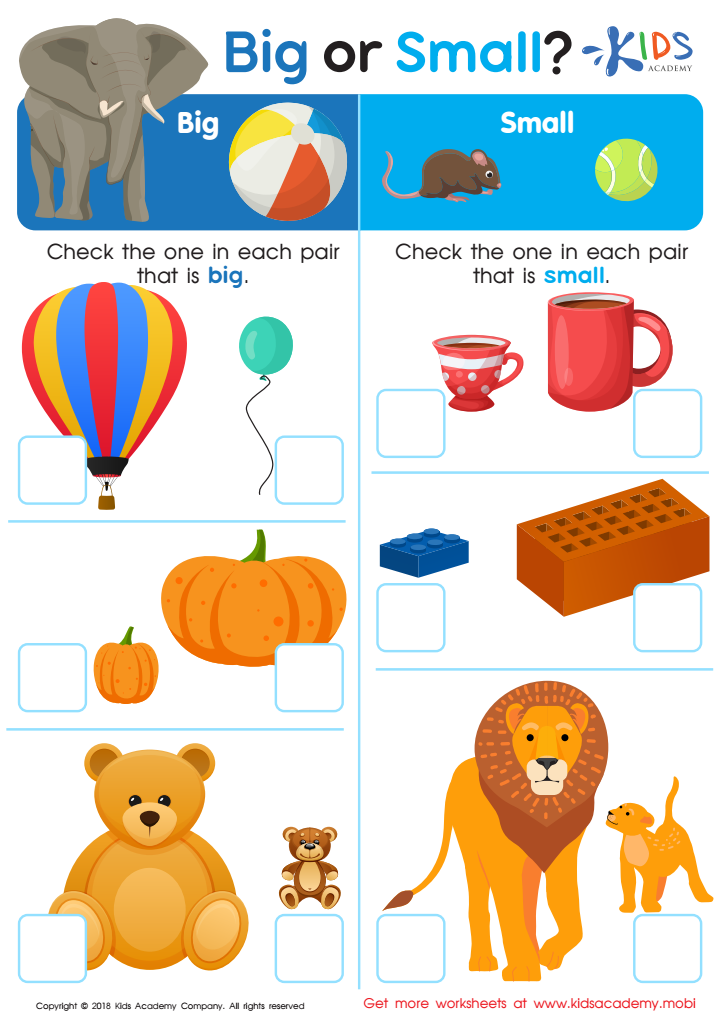
Big or Small? Worksheet







Sorting skills are fundamental for young children, particularly those aged 4 to 6, as they lay the groundwork for essential cognitive and mathematical abilities. Parents and teachers should care about these skills because sorting activities enhance critical thinking, problem-solving, and categorization skills, which are vital for success in later academic pursuits.
When children sort objects based on attributes like color, size, or shape, they develop an understanding of similarities and differences, fostering early mathematical concepts such as classification and grouping. These activities also encourage fine motor skills and focus, helping children become more adept in various tasks.
Moreover, sorting engages children in hands-on learning, promoting active participation and curiosity. This encourages cooperative play and communication, as children often work in groups or with adults, strengthening social skills.
Finally, sorting can be seamlessly integrated into everyday situations, such as organizing toys, helping with household chores, or engaging in crafts. By prioritizing sorting skills in early education, caregivers help children build a strong mathematical foundation and prepare them for more complex concepts in the future. In summary, nurturing sorting skills ignites a love for learning and equips young children with essential tools for lifelong success.








