Categorization skills Easy Numbers Worksheets for Ages 4-7
4 filtered results
-
From - To
Enhance your child's learning experience with our "Categorization Skills Easy Numbers Worksheets" designed specifically for ages 4-7. These engaging worksheets help young learners develop critical thinking skills by categorizing numbers in fun and interactive ways. Your little ones will enjoy sorting, matching, and grouping numbers, fostering their understanding of numerical relationships and enhancing their math aptitude. Our user-friendly formats make learning enjoyable, encouraging children to practice essential skills at their own pace. Perfect for use at home or in the classroom, these worksheets provide valuable resources for educators and parents alike who want to support their child's cognitive development while having fun!
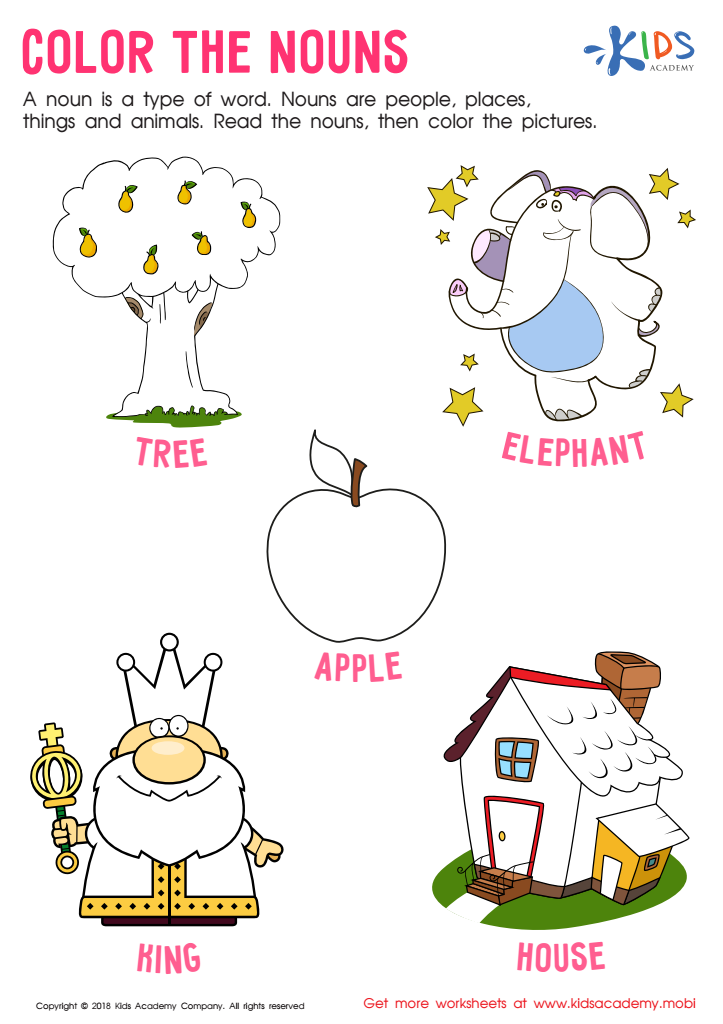
Color the Nouns Worksheet
 Assign to My Students
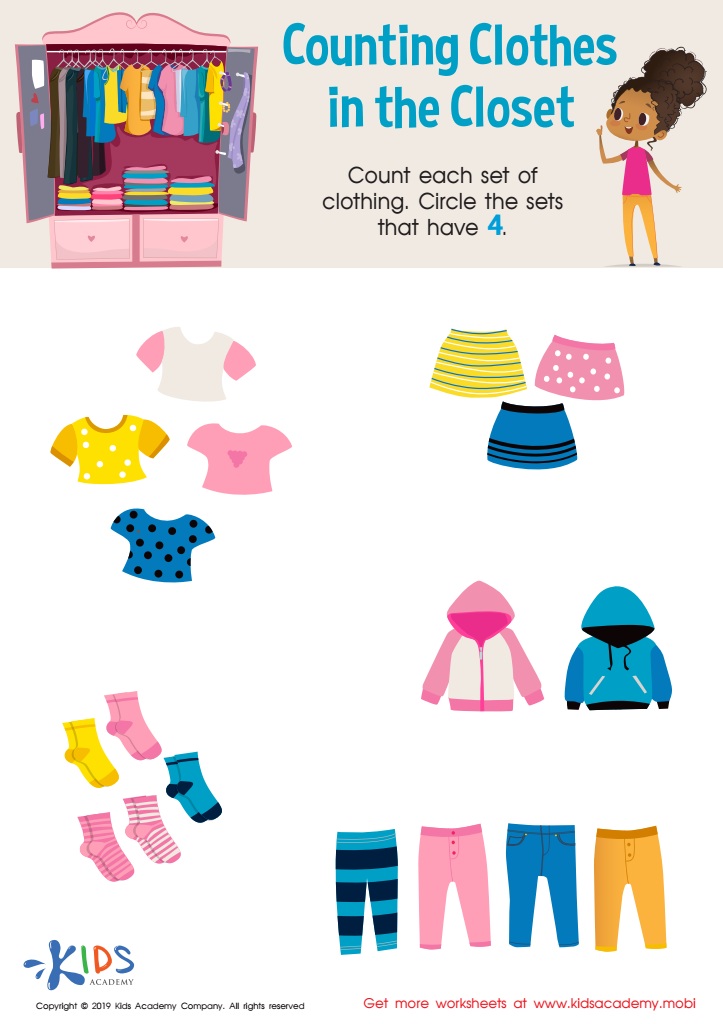
Counting Clothes Worksheet
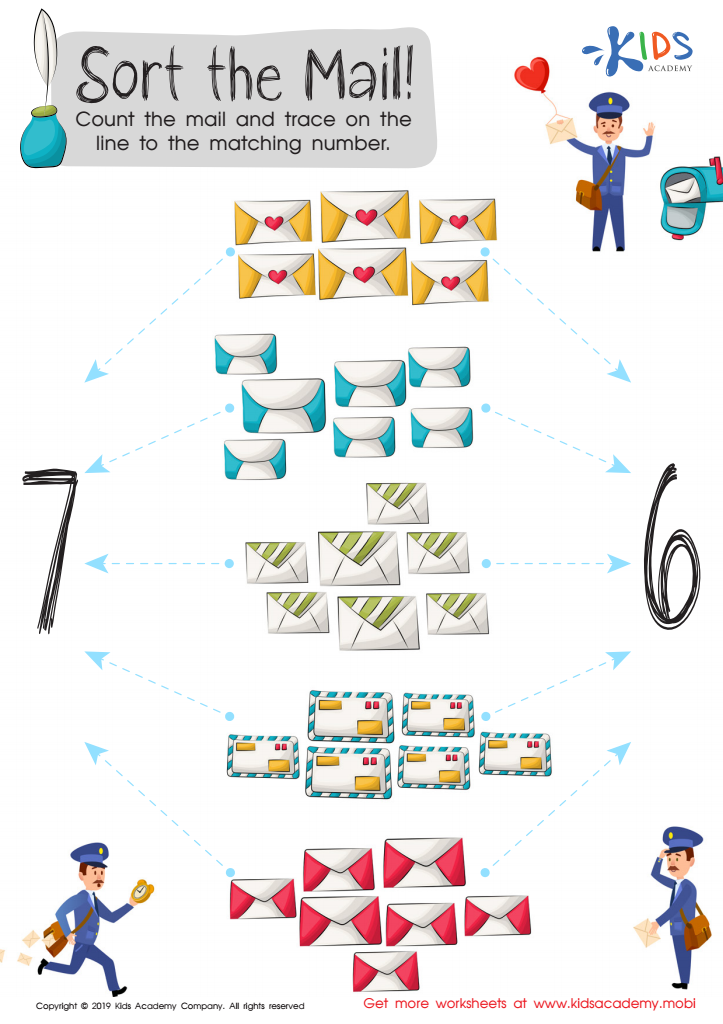
Sort the Mail Worksheet
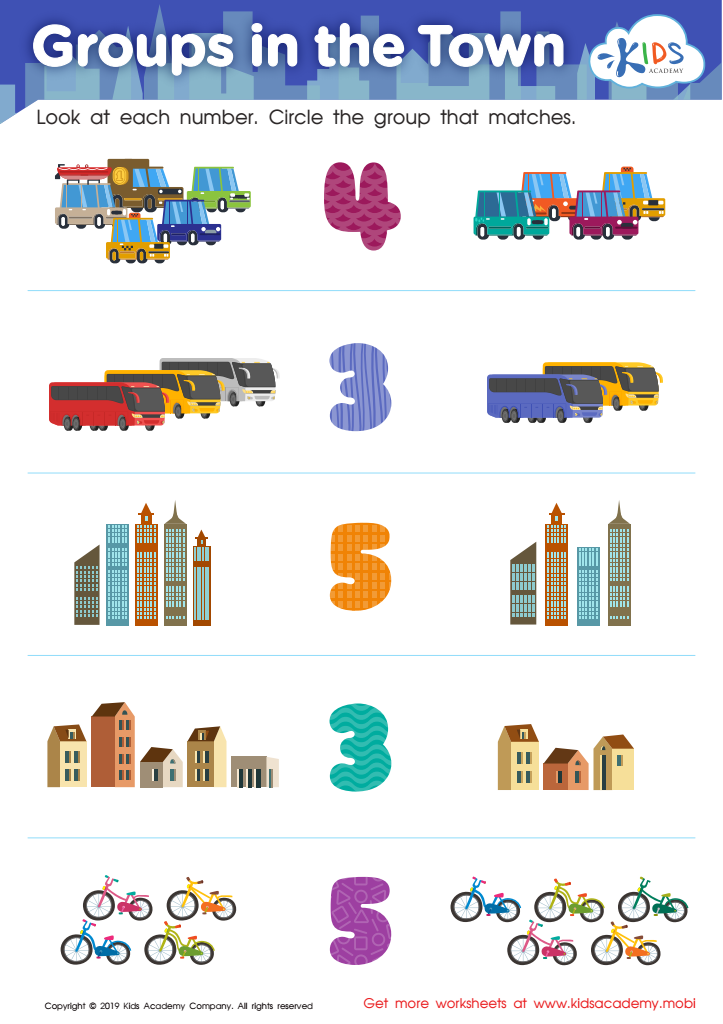
Groups in the Town Worksheet





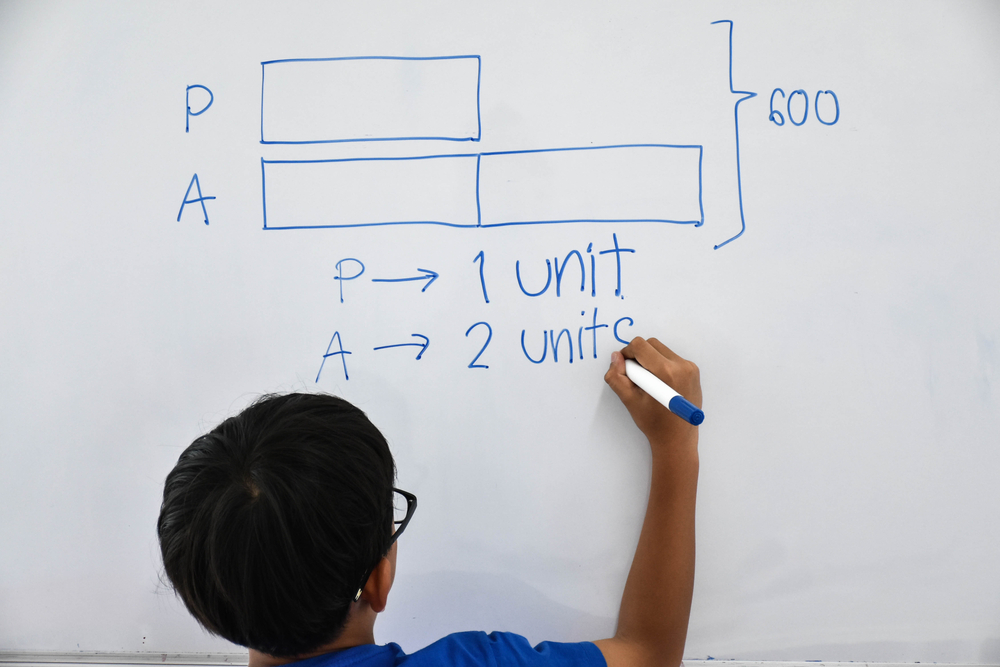


Categorization skills are essential for children aged 4-7 as they form the foundation for critical thinking, problem-solving, and effective communication. At this developmental stage, children begin to learn how to group objects, concepts, and ideas based on shared characteristics, which enhances their understanding of the world around them.
Parents and teachers should care about categorization for several reasons. First, it encourages cognitive development by helping children identify similarities and differences, essential skills for future learning in subjects like math and science. For example, children learn to categorize numbers as even or odd, or to arrange them in sequences, which lays the groundwork for more complex mathematical concepts.
Moreover, strong categorization skills support language acquisition. When children categorize words or items, they expand their vocabulary and improve comprehension, making it easier for them to express ideas and engage in conversations.
Additionally, categorization fosters socio-emotional development. As children learn to group friends or games, they navigate social situations more effectively, enhancing their ability to cooperate and work in teams.
Overall, nurturing categorization skills in early education not only boosts academic performance but also equips children with essential life skills, making it a vital area of focus for parents and educators.








