Reading Skills Easy Elementary Phonics Worksheets for Ages 4-8
3 filtered results
Difficulty Level
Grade
Age
-
From - To
Subject
Activity
Standards
Our "Reading Skills Easy Elementary Phonics Worksheets for Ages 4-8" are specifically designed to build a strong foundation for young readers. Perfect for early grade students, these engaging and interactive worksheets make learning phonics fun and effective. Through a variety of activities, children learn to recognize letter sounds, blend phonics, and improve their reading fluency. Each worksheet is crafted to cater to young learners, providing simple, straightforward exercises that boost confidence and reading proficiency. Ideal for classrooms and homeschooling, these resources are a valuable tool for every child's educational journey toward becoming proficient readers.
Favorites
With answer key
Interactive
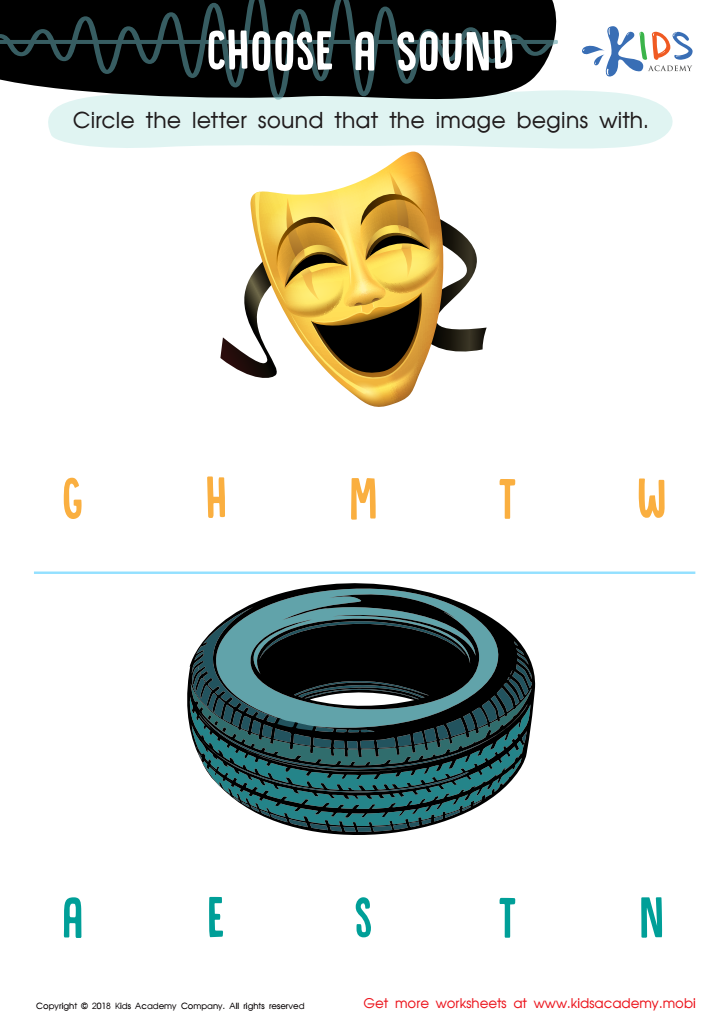
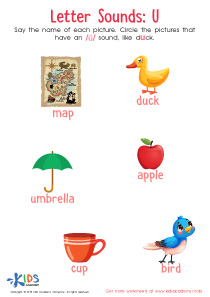
Choose a Sound Worksheet
Help your child hone pre-reading skills with this colorful worksheet! They'll practice tracing letter sounds, develop phoneme awareness, and gain confidence. Plus, it's a fun way to work on their fine motor skills.
 Assign to My Students
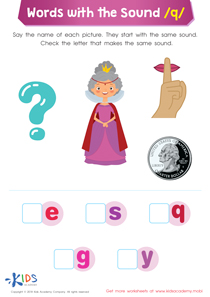
Choose a Sound Worksheet
Worksheet
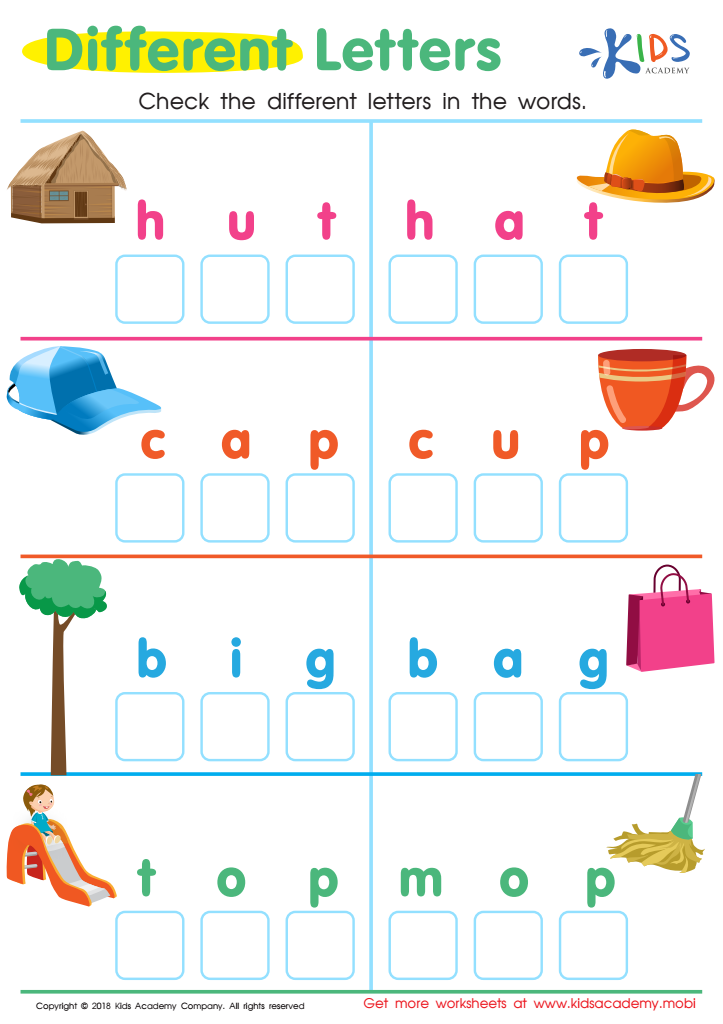
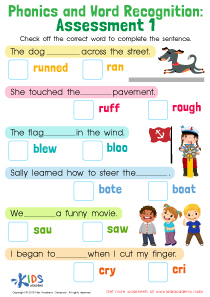
Different Letters Reading Worksheet
Download our phonics worksheet to help kids understand letter sounds. Have them sound out letters and join them to form words. Colorful pictures assist in recognition, making it perfect for kindergarteners. A great intro to phonics!
Different Letters Reading Worksheet
Worksheet
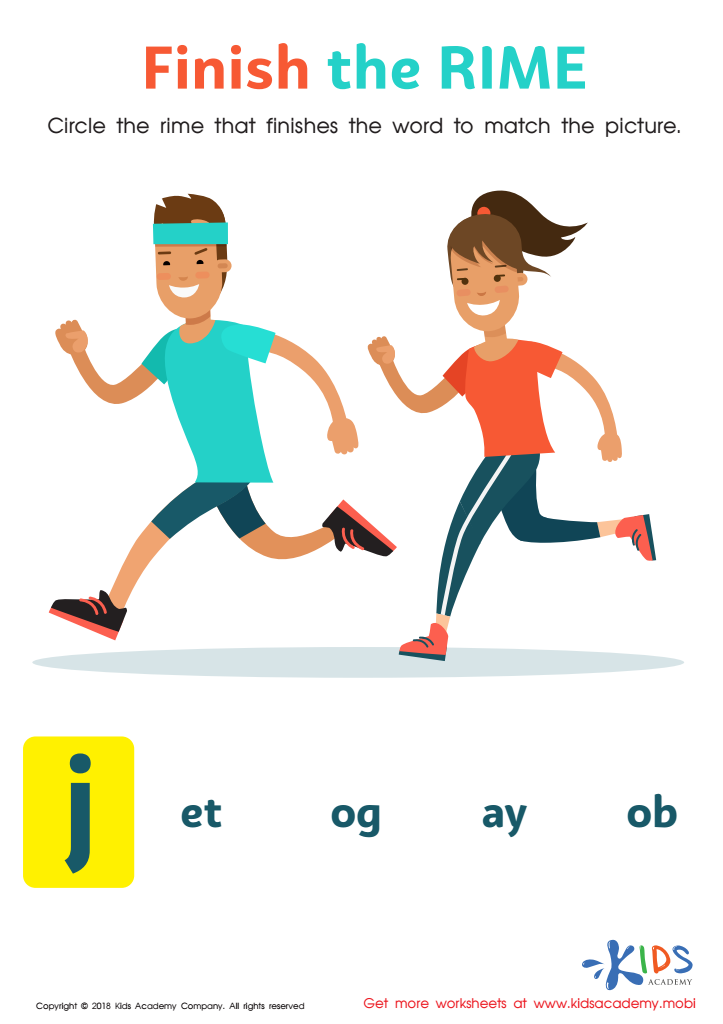
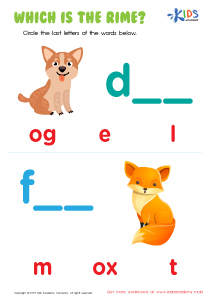
Finish the Rime Worksheet
Rimes help kids learn word families and spelling strategies. This PDF worksheet gives new readers practice with initial consonants, pictures, colors and motor skills. It's fun and cheery, and a great way to boost phonological awareness and rime identification.
Finish the Rime Worksheet
Worksheet
Join Kids Academy for Free
Who is primarily going to use this learning content?




Reading skills are foundational for academic success and lifelong learning, and parents or teachers should prioritize easy elementary phonics, especially for ages 4-8, as this period is critical for language acquisition. Phonics, the relationship between sounds and their spellings, equips children with the tools to decode new words, enhancing their reading fluency. Early mastery of phonics simplifies the reading process, allowing children to recognize patterns and read more accurately and confidently.
During ages 4-8, children’s brains are highly receptive to learning language. Phonics increases early reading proficiency, which is crucial since children who read well are more likely to love reading. A solid phonetic foundation can prevent reading difficulties, which may lead to frustration or disinterest in learning. Improved reading skills at this stage boost comprehension, enabling children to understand and absorb new information across all subjects.
Moreover, early phonics education fosters parent-child or teacher-child bonding through shared reading activities, enriching these relationships and creating a positive learning environment. By ensuring children develop strong reading skills early, parents and teachers set them on a path to academic achievement and open up a world of opportunities for future success. Investing in phonics now lays the groundwork for all future learning endeavors.