Writing practice Easy Alphabet Worksheets for Ages 4-8
3 filtered results
-
From - To
Discover our engaging Writing Practice Easy Alphabet Worksheets, specifically designed for children ages 4-8! These educational worksheets offer a fun and interactive way for young learners to master the alphabet by tracing and writing letters. Perfectly tailored for early grade students, the activities help improve handwriting, letter recognition, and fine motor skills. Each worksheet features clear instructions and playful illustrations, making learning enjoyable and effective. Give your child the tools they need to excel in writing with our comprehensive set of easy alphabet worksheets. Ideal for both classroom and home use!
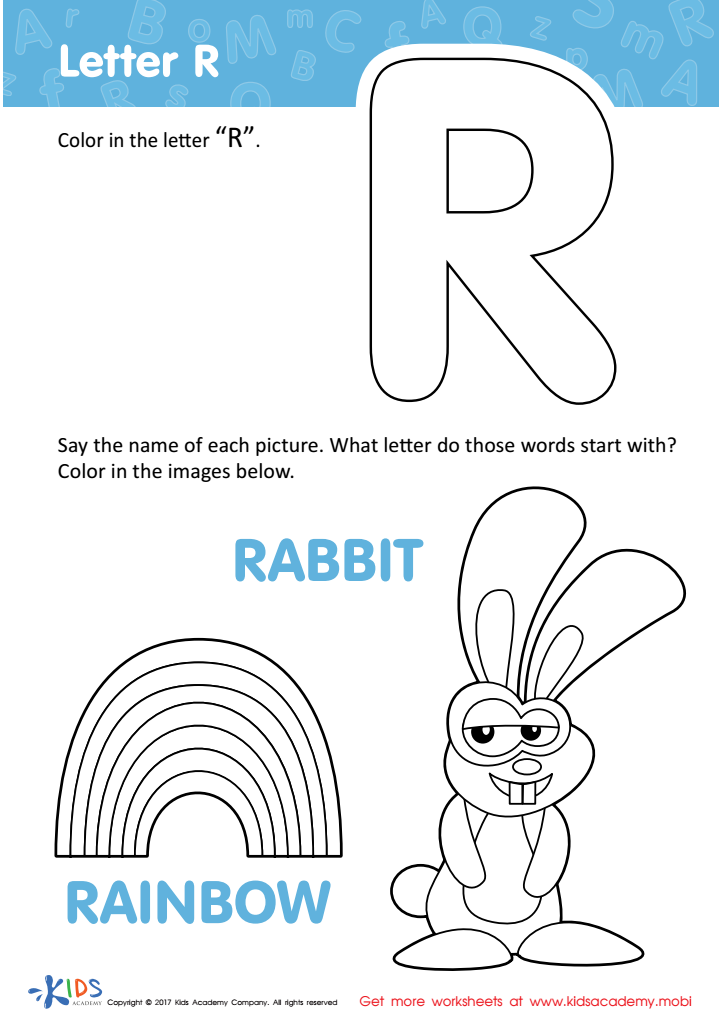
Letter R Coloring Sheet
 Assign to My Students
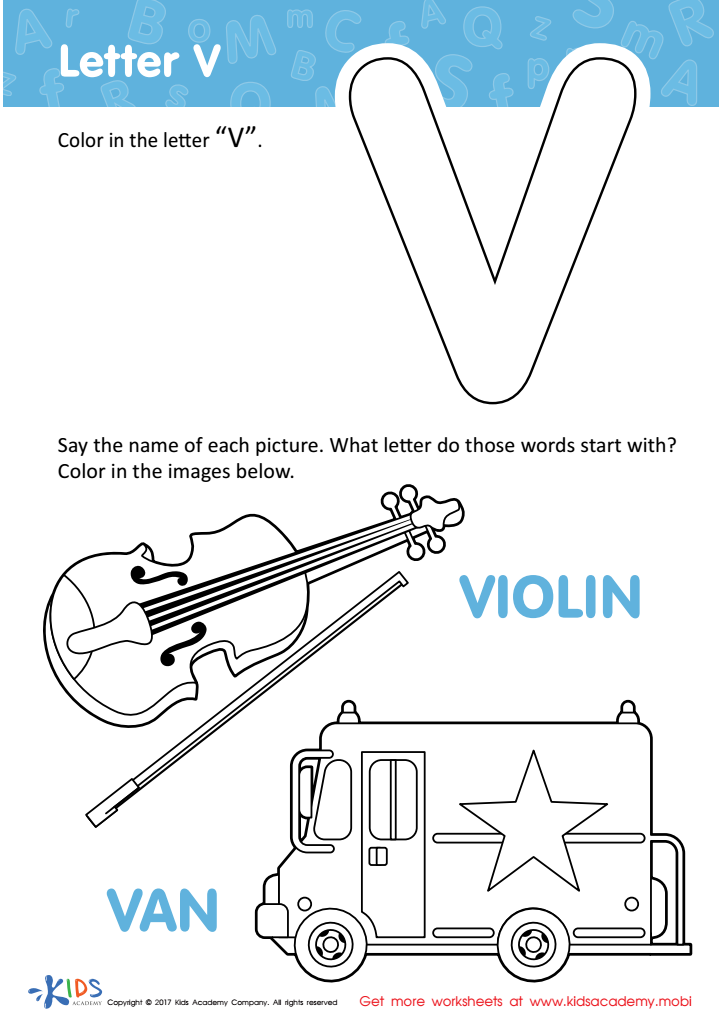
Letter V Coloring Sheet
Assign to My Students
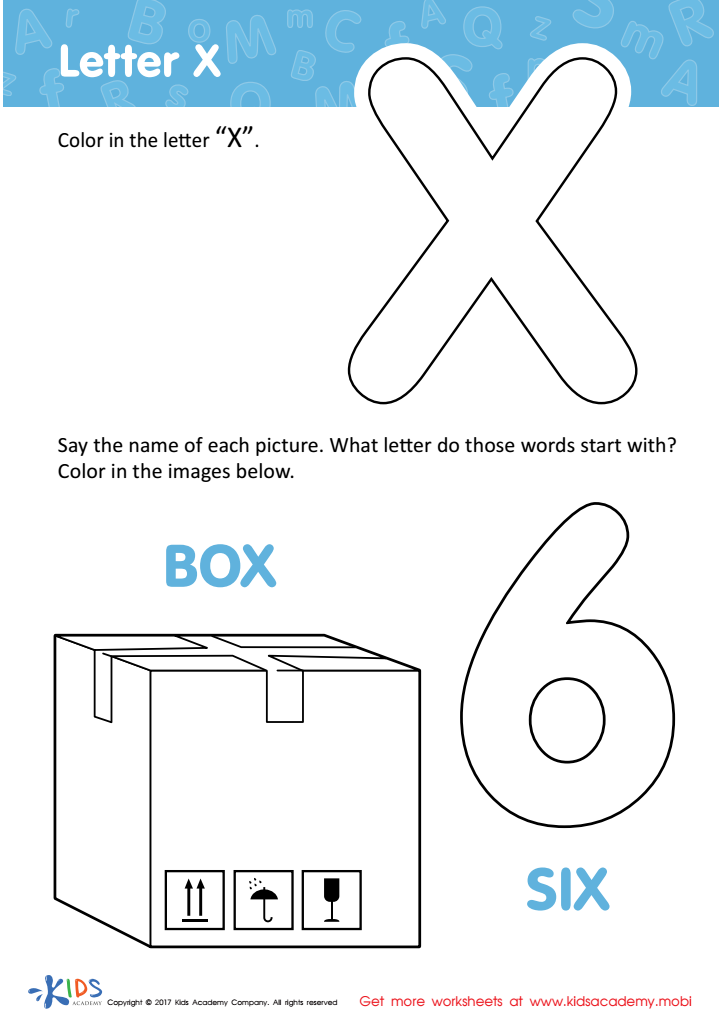
Letter X Coloring Sheet
Assign to My Students







Parents and teachers should care about writing practice, specifically with the Easy Alphabet for ages 4-8, because it lays the foundational skills for literacy and academic success. At this developmental stage, children’s brains are incredibly receptive and malleable. Introducing them to the alphabet, letter formation, and handwriting helps simultaneously with fine motor skills development, such as hand-eye coordination and muscle memory, which are crucial for all future writing activities.
Mastering the alphabet also boosts self-confidence. When children can recognize, write, and associate letters with sounds, they become more enthusiastic and confident readers and writers. This practice leads to quicker phonemic awareness, where they understand that letters represent sounds, serving as building blocks for reading proficiency and vocabulary expansion.
Additionally, early writing practice stimulates cognitive growth. It engages various areas of the brain, promoting neural connections vital for learning and problem-solving. Furthermore, fostering a positive attitude toward writing at an early age ensures children develop a lifelong appreciation and habit for written communication.
Lastly, structured alphabet practice can encourage good discipline and attention to detail. Following patterns, practicing strokes, and aiming for neatness can significantly improve a child’s focus and concentration. Therefore, ensuring regular writing practice with the alphabet is paramount for holistic development during these formative years.