Writing practice Easy Letter Recognition Worksheets for Ages 4-8
3 filtered results
-
From - To
Enhance your child's literacy journey with our Easy Letter Recognition Worksheets designed for ages 4-8! These engaging worksheets focus on writing practice, helping young learners develop their letter recognition and writing skills. Each worksheet is filled with fun activities that promote letter identification, proper formation, and phonetic awareness in an enjoyable format. Designed by educators, these resources ensure a seamless blend of learning and fun, engaging children and nurturing their confidence in writing. Perfect for homeschooling or supplementary activities, our worksheets make learning the alphabet an exciting adventure. Foster a love for literacy and set the foundation for your child's future success!
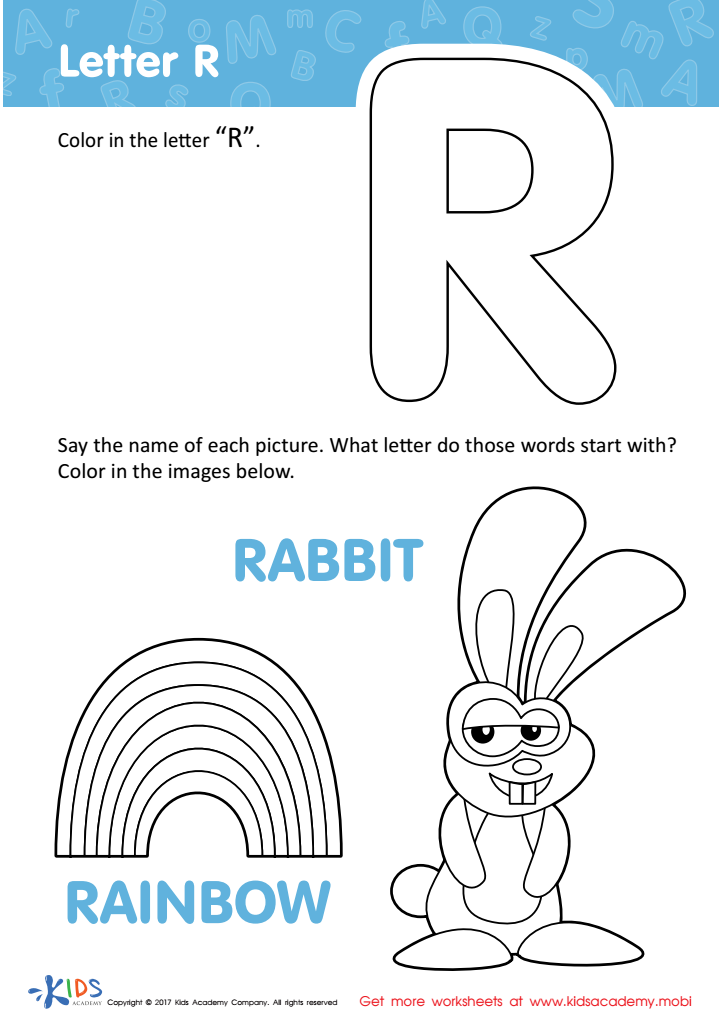
Letter R Coloring Sheet
 Assign to My Students
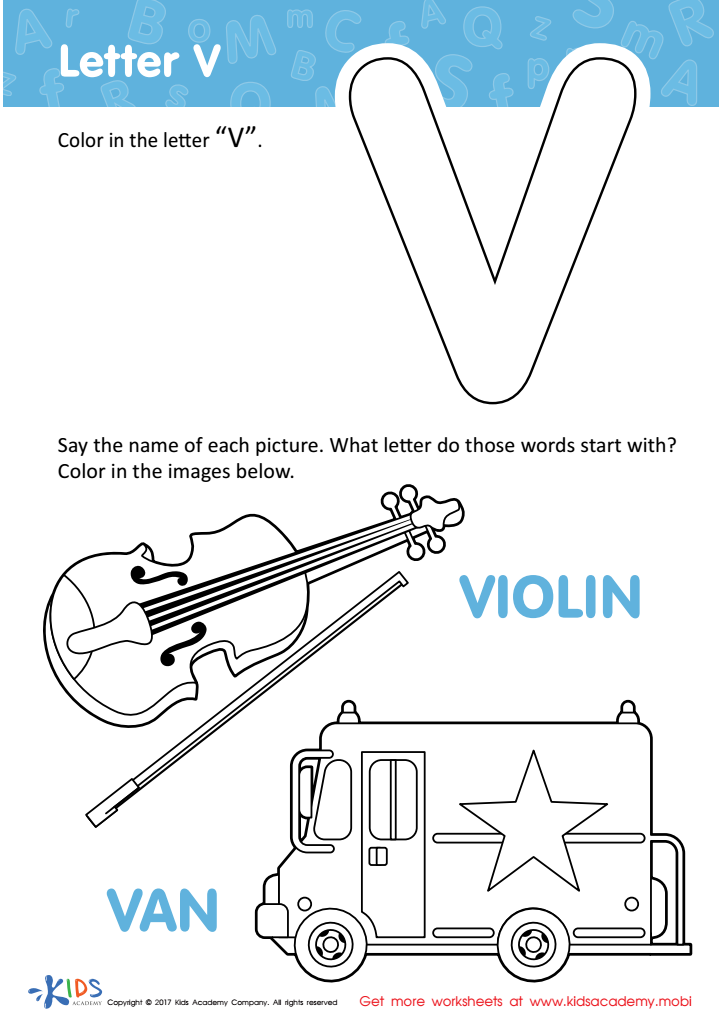
Letter V Coloring Sheet
Assign to My Students
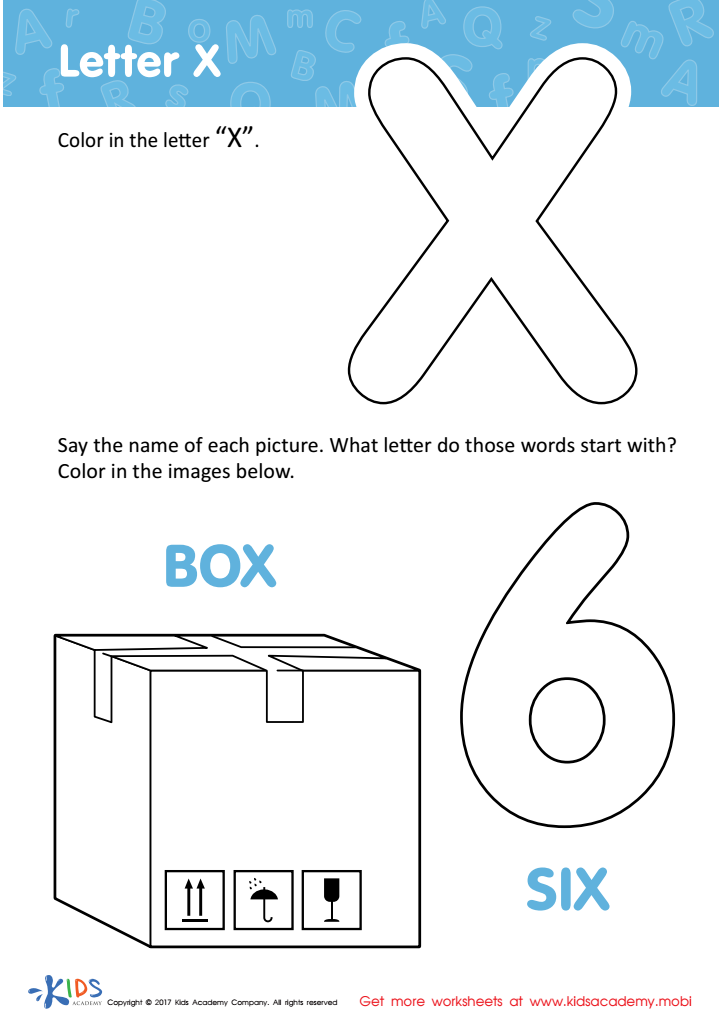
Letter X Coloring Sheet
Assign to My Students








Writing practice and easy letter recognition are crucial skills for children aged 4-8, forming the foundation for their literacy development. At this age, children are in a heightened state of learning, where they begin to connect spoken language with written words. Engaging in writing practice helps them recognize letters, understand their shapes, and learn the sounds they represent, all essential components of reading and writing.
Practicing letter recognition fosters confidence in young learners, enabling them to express themselves creatively and understand their surroundings better. This confidence can translate into a love for learning, encouraging them to engage with books and storytelling.
Moreover, early writing activities bolster fine motor skills. Holding a pencil, tracing letters, and forming words not only aids in handwriting but also prepares children for future academic tasks. For parents and teachers, encouraging writing practice can create a supportive and enriching environment that combines education with fun. Integrating games, art, and storytelling into writing activities promotes engagement, making learning enjoyable. By prioritizing these skills during this critical developmental period, adults can lay the groundwork for their children's lifelong literacy and learning success, ultimately shaping confident communicators in future educational settings.