Alphabet Recognition Easy Phonics Worksheets for Ages 4-8
4 filtered results
-
From - To
Discover our "Alphabet Recognition Easy Phonics Worksheets for Ages 4-8." Designed to foster early literacy in a fun and engaging way, these worksheets help children recognize and write each letter of the alphabet. Perfect for young learners, these exercises incorporate colorful pictures and delightful activities that reinforce phonics skills critical for reading success. Tailored to suit the developmental needs of children ages 4-8, our printable worksheets transform learning into an enjoyable journey. Boost your child's alphabet mastery and phonemic awareness with our expert-created resources. Explore now and watch your child's confidence soar!
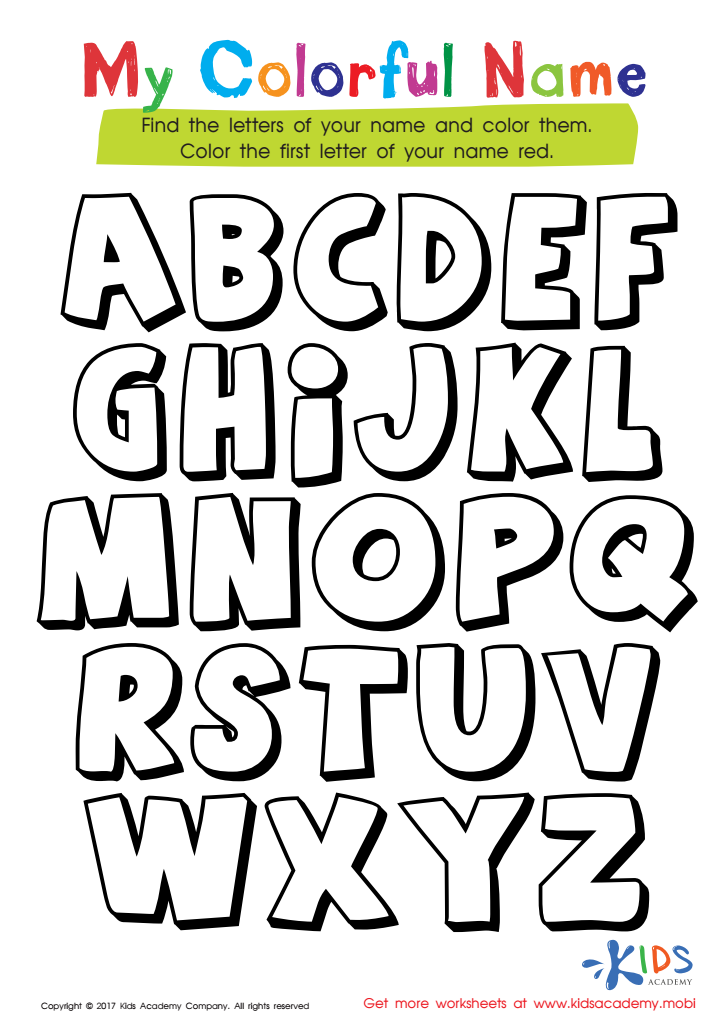
My Colorful Name Worksheet
 Assign to My Students
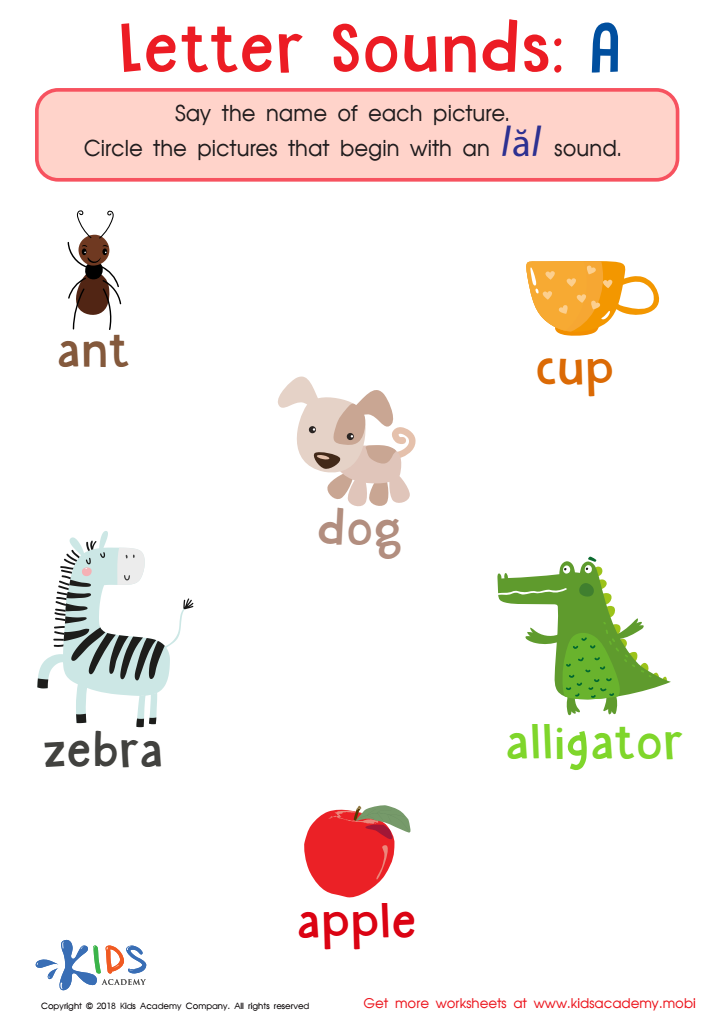
Letter A Sounds Worksheet
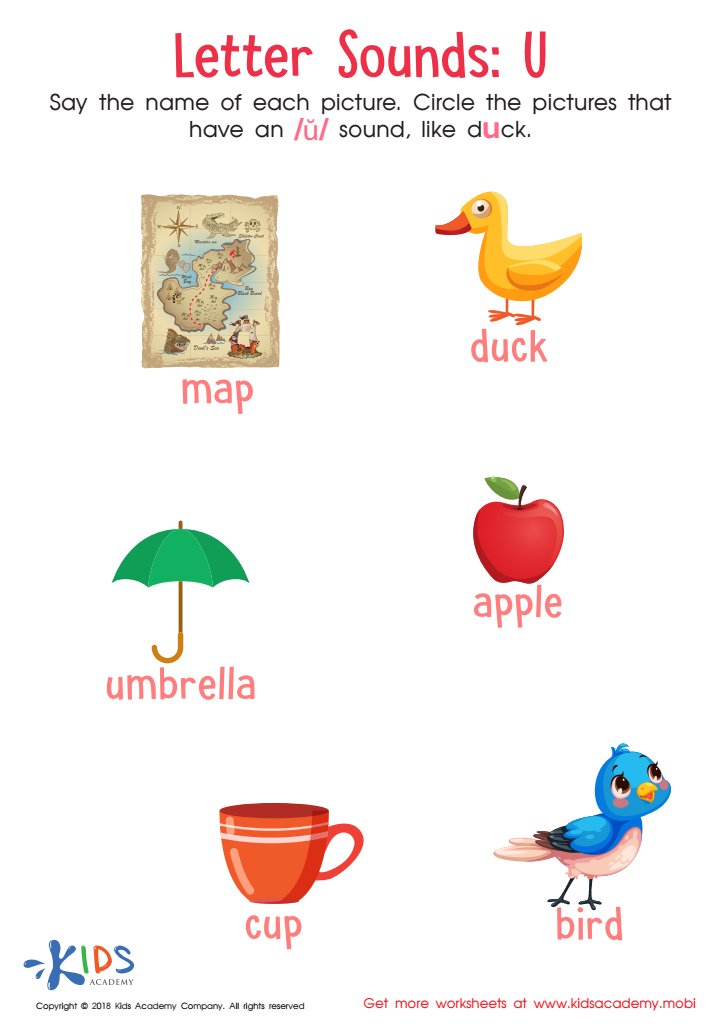
Letter U Sounds Worksheet
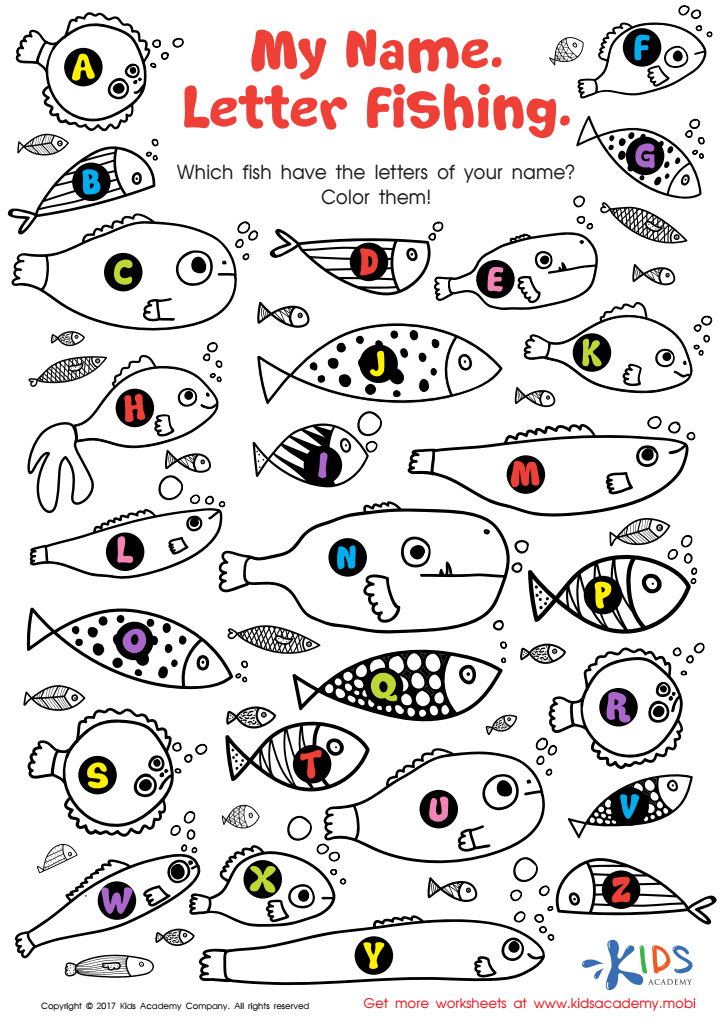
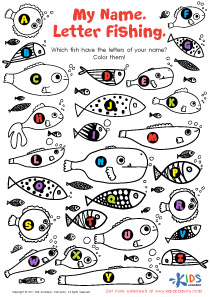
My Name: Letter Fishing Worksheet
Assign to My Students








Alphabet recognition is a foundational skill that sets the stage for successful reading and writing. For children aged 4-8, during their critical early development years, easy phonics-based alphabet recognition shapes their ability to understand and use language effectively. Parents and teachers should prioritize this because it helps establish phonemic awareness, a crucial component of becoming a proficient reader.
Integrating easy phonics into alphabet recognition creates a multifaceted learning experience. Children not only learn to identify letters but also connect them to their corresponding sounds, which is essential for decoding words. This bridges the gap between knowing the alphabet and reading actual text. These skills cumulatively build vocabulary, improve comprehension, and foster confidence in young learners.
Additionally, alphabet recognition with phonics supports early writing skills. When children grasp which sounds letters make, they can start to spell simple words, providing a strong foundation to build upon as their education progresses. Engaging activities that involve phonics make learning both fun and effective, catering to various learning styles, whether visual, auditory, or kinesthetic.
By caring about and focusing on alphabet recognition through easy phonics, parents and teachers empower children with the tools they need to leap into reading and writing, ensuring a smoother transition into more advanced literacy skills and setting them up for long-term academic success.