Phonics recognition Easy Phonics Worksheets for Ages 4-8
5 filtered results
-
From - To
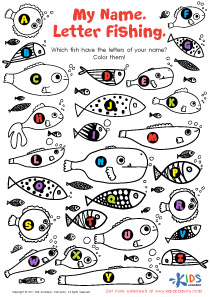
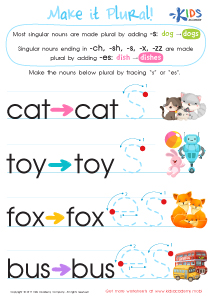
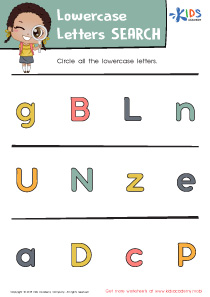
Discover the joy of reading with our "Easy Phonics Worksheets for Ages 4-8"! Designed to engage young learners, these interactive worksheets introduce essential phonics recognition skills in a fun and approachable manner. Perfect for beginner readers, each activity focuses on letter sounds, blending skills, and sight word recognition. Our resources cater to various learning styles, ensuring every child can thrive in their literacy journey. Whether at home or in the classroom, these printables provide exciting opportunities for hands-on learning. Help your child unlock the world of reading with our carefully crafted phonics worksheets today! Start their adventure in literacy now!
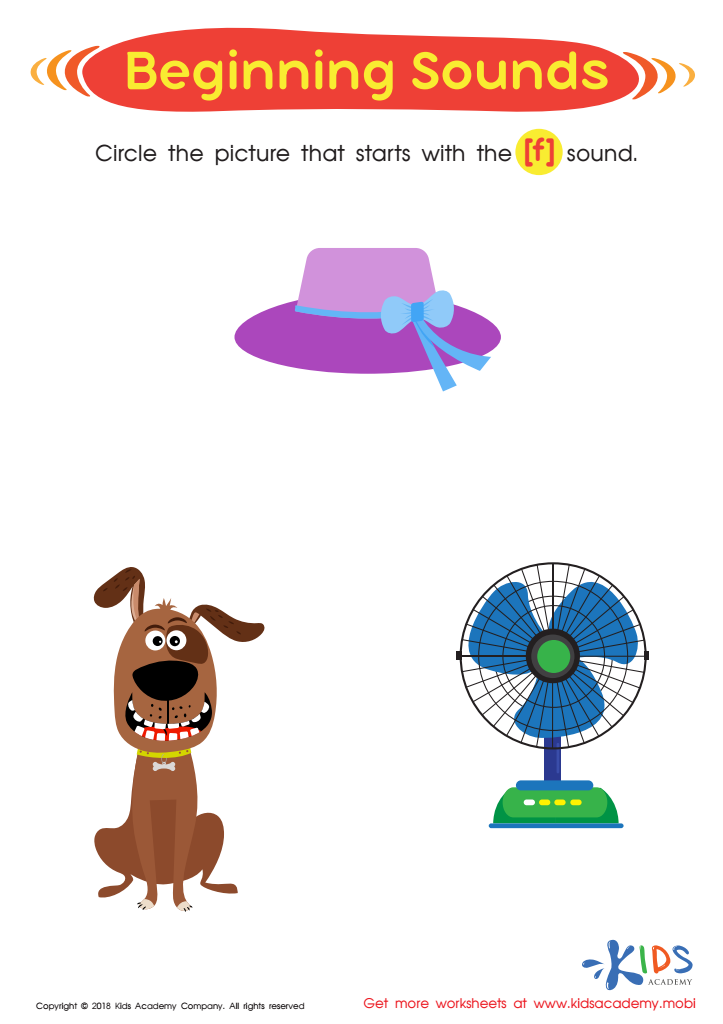
Beginning Sounds Assessment Printable
 Assign to My Students
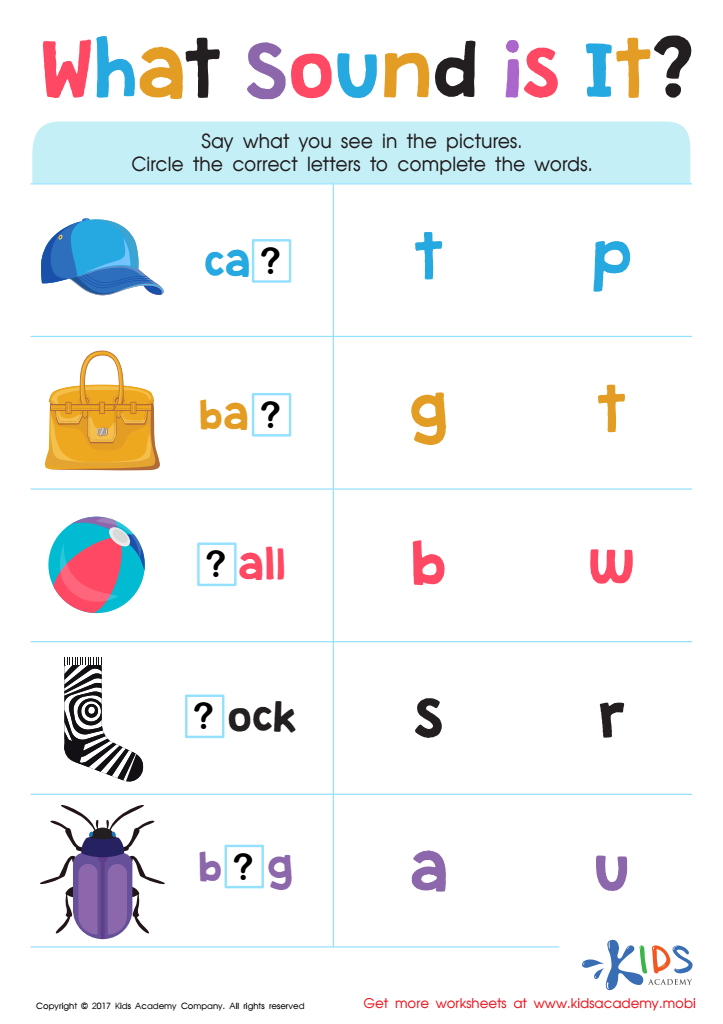
What Sound Is it? Worksheet
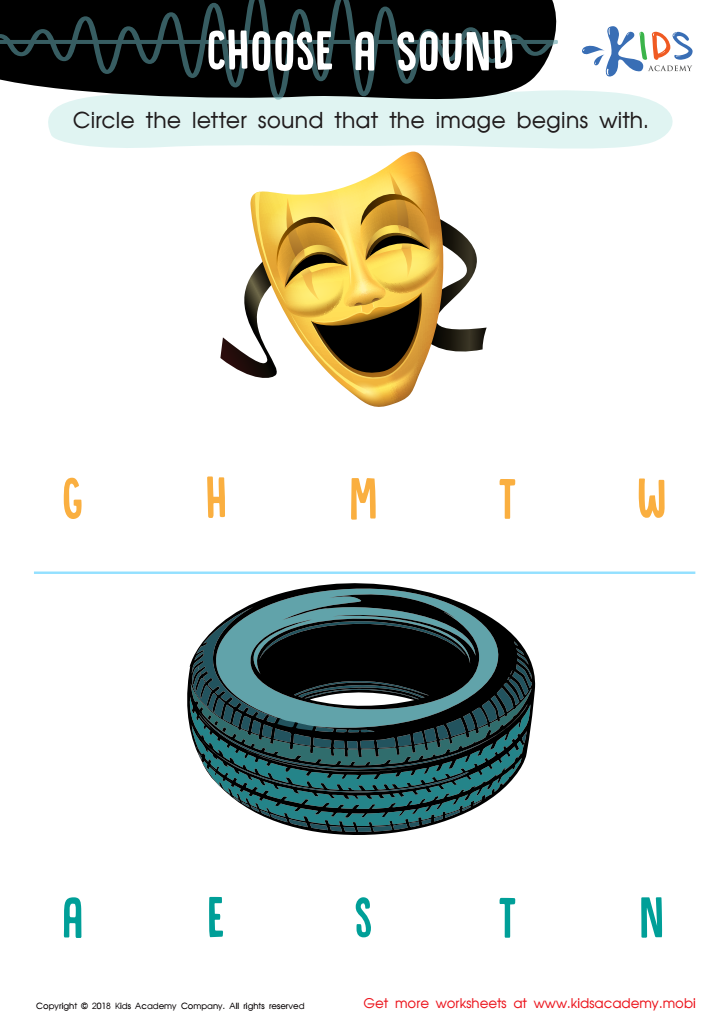
Choose a Sound Worksheet
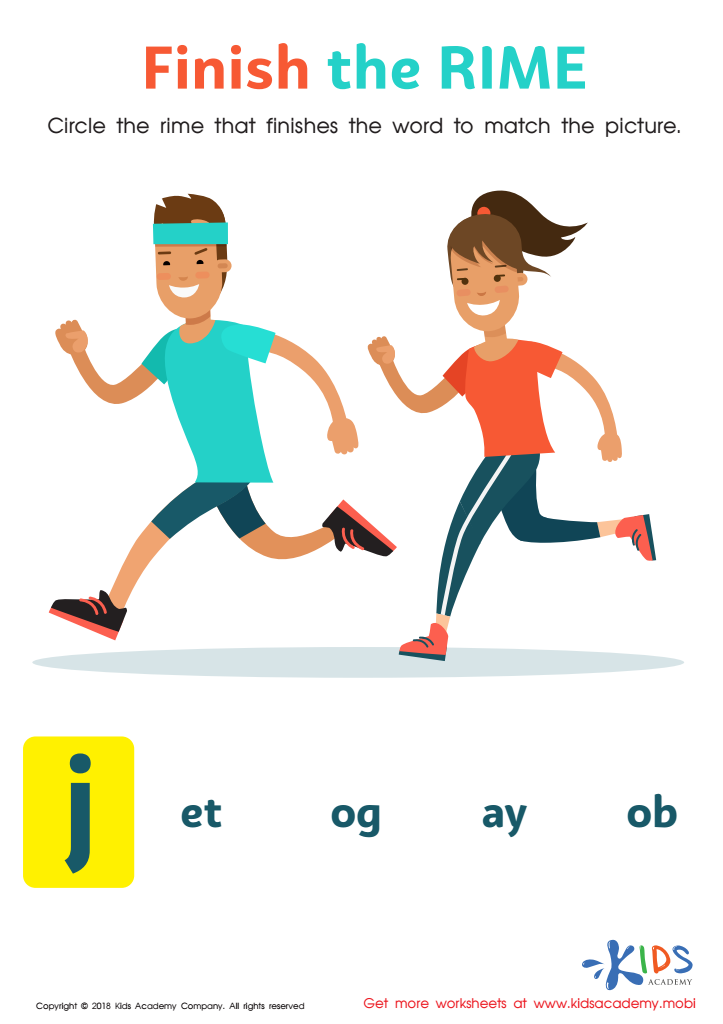
Finish the Rime Worksheet
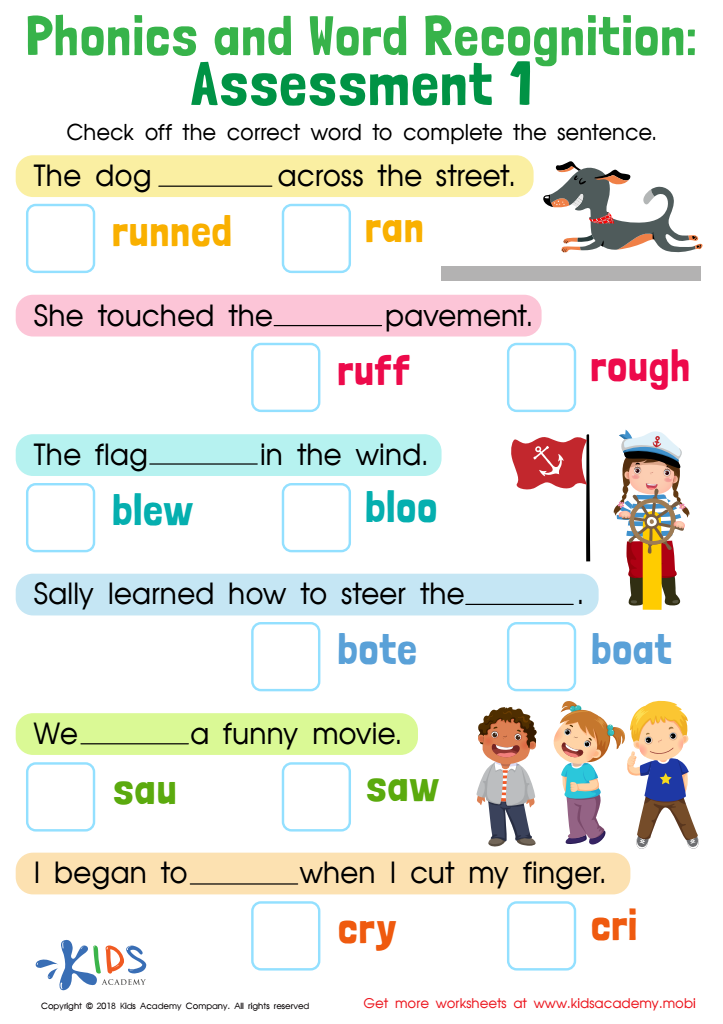
Phonics and Word Recognition: Assessment 1 Worksheet








Phonics recognition is a fundamental skill for early literacy development in children aged 4-8 and is crucial for parents and teachers to prioritize. Understanding phonics helps children interact with letters and sounds, forming the basis for reading and writing. By becoming proficient in phonemic awareness, young learners can decode words independently, fostering confidence in their reading abilities.
Early mastery of phonics contributes to improved reading fluency and comprehension, which are essential for academic success. When children recognize the relationship between sounds and their corresponding letters, they are better equipped to tackle unfamiliar words, leading to a more enjoyable reading experience. This increased motivation for reading can create a lifelong love for literature and learning.
Additionally, easy phonics programs often cater directly to the cognitive and developmental stages of children in this age group, using engaging activities and games that make learning enjoyable. By incorporating phonics into early education, parents and teachers can help mitigate the risk of later reading difficulties, ensuring a solid foundation for future academic achievement. Fostering phonics recognition not only enhances literacy skills but also supports overall cognitive development, critical thinking, and communication skills, making it a vital focus in early childhood education.