Counting practice Easy Addition & Subtraction Worksheets for Ages 4-8
6 filtered results
-
From - To
Discover essential counting practice with our Easy Addition & Subtraction Worksheets, designed specifically for children ages 4-8. These engaging worksheets offer a fun and interactive way to develop foundational math skills, making learning enjoyable! With colorful illustrations and simple problems, kids will practice basic counting while building their confidence in addition and subtraction. Our resources cater to varying skill levels, ensuring every child can succeed. Perfect for at-home learning or classroom activities, these worksheets encourage problem-solving and critical thinking. Download our printable worksheets today and watch your little ones flourish in their math abilities while having a blast!
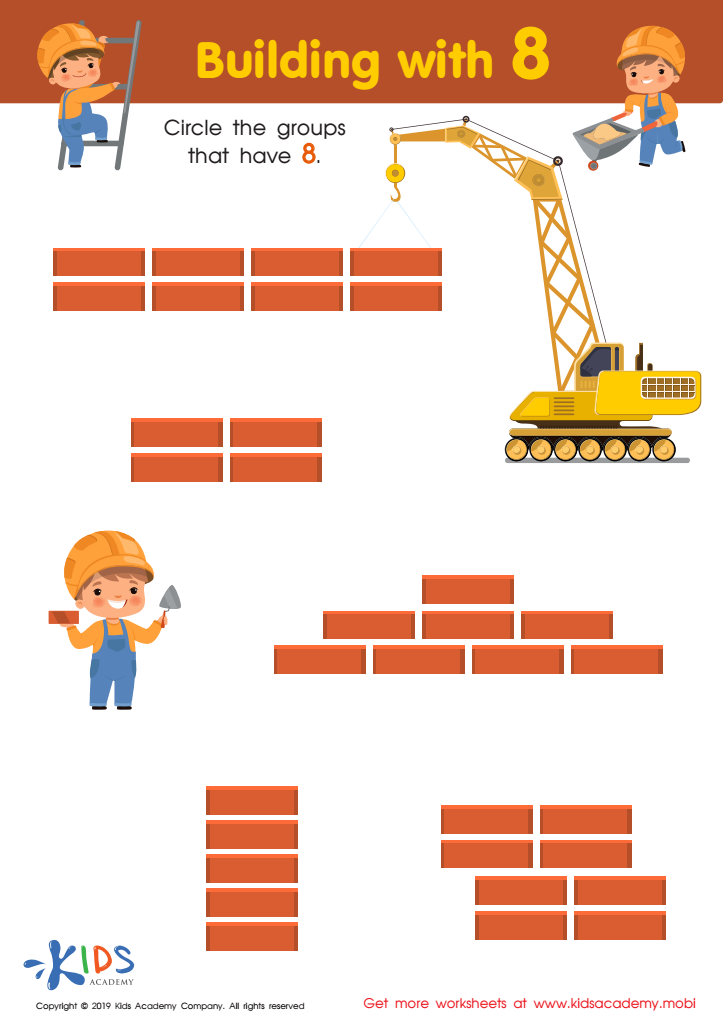
Building with 8 Worksheet
 Assign to My Students
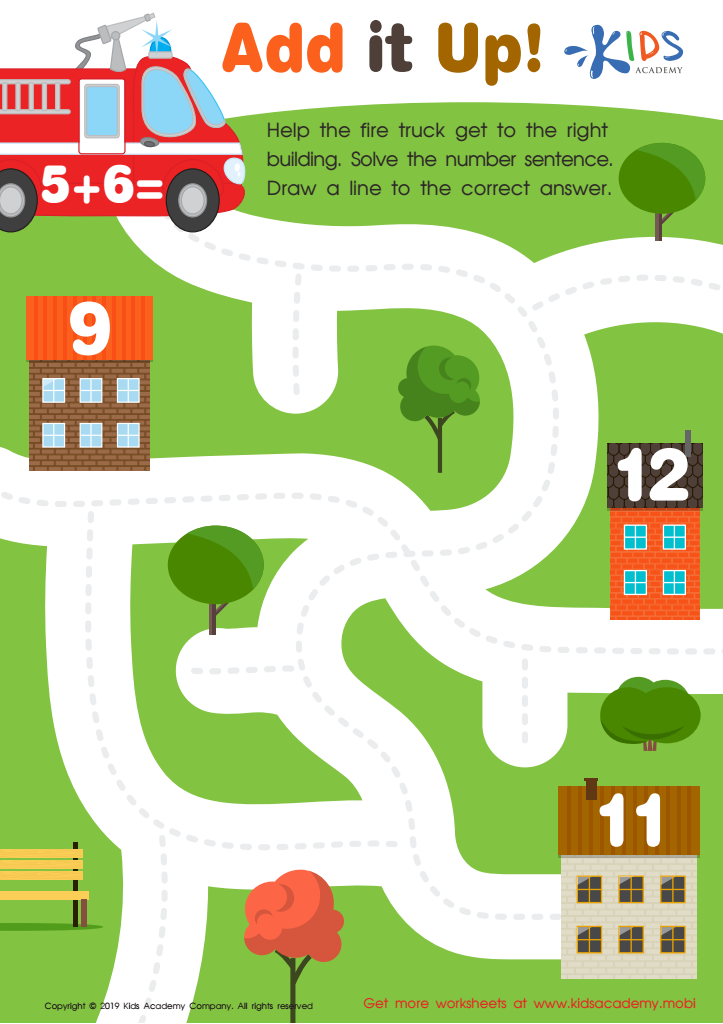
Add it Up Worksheet
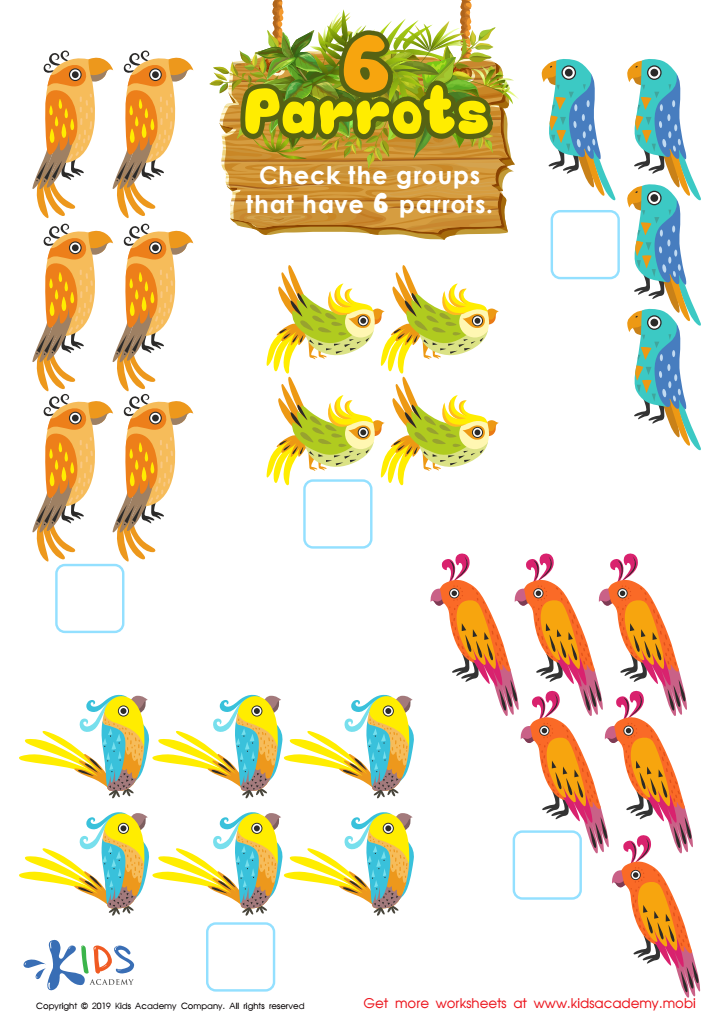
6 Parrots Worksheet
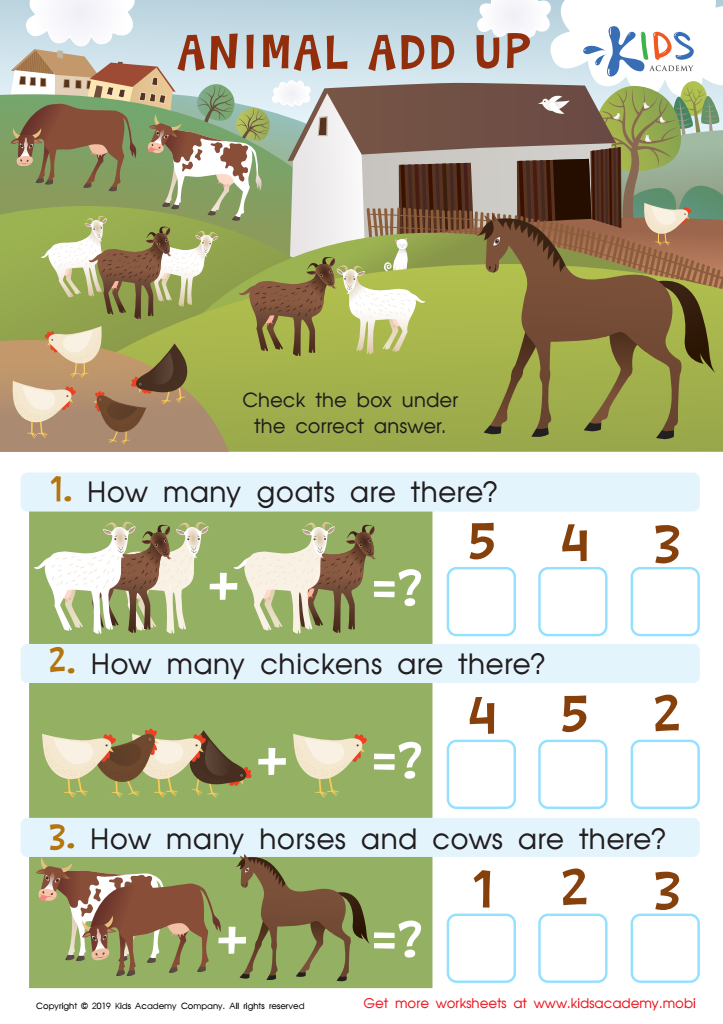
Animal Add Up Worksheet
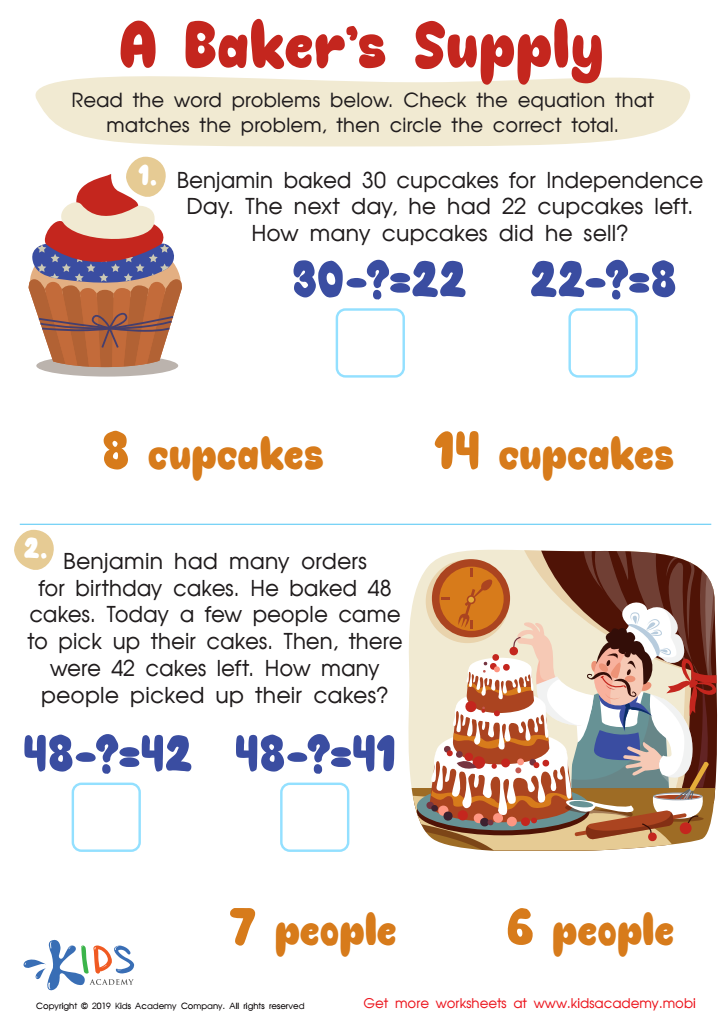
A Baker's Supply Worksheet
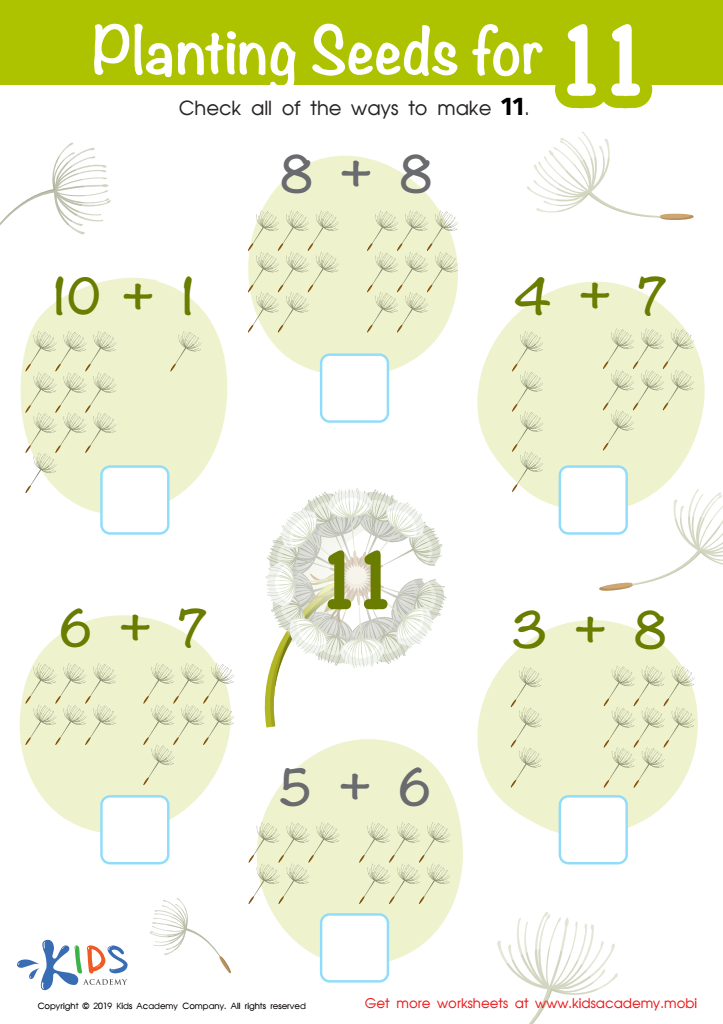
Planting Seeds for 11 Worksheet








Counting practice and easy addition and subtraction are foundational skills crucial for children ages 4-8, and parents and teachers should place a strong emphasis on these activities for several reasons. Firstly, these skills form the basis for more complex mathematical concepts that children will encounter as they progress in their education. Mastery of basic counting and simple operations enhances numerical fluency, thereby increasing a child's confidence in problem-solving and everyday mathematics.
Additionally, early math skills have been shown to correlate with future academic success. Engaging in counting and simple computations not only boosts cognitive development but also strengthens critical thinking and logical reasoning abilities. Moreover, incorporating counting practice in fun and interactive ways can stimulate a child's interest in math, transforming it from a daunting subject into an enjoyable experience.
Furthermore, these early mathematical exercises support the development of fine motor skills through hands-on activities, such as counting with objects or drawing. Lastly, consistent counting practice promotes parent-child or teacher-student interaction, fostering a holistic learning environment. By caring and investing time in these basic math skills, adults can play a significant role in shaping a child’s academic path and lifelong relationship with learning.








