Sorting skills Easy Math Worksheets for Ages 4-8
6 filtered results
-
From - To
Discover our delightful collection of “Sorting Skills Easy Math Worksheets for Ages 4-8” designed to make learning fun and engaging! These vibrant printable activities help young learners develop crucial sorting and classification skills. Ideal for children aged 4-8, our worksheets feature playful themes and familiar objects, making it easy for kids to group items by shape, color, size, and more. Promote critical thinking and enhance fine motor abilities with these educational resources. Whether used in the classroom or at home, our worksheets are perfect for foundational math practice and ensuring your child’s academic success.
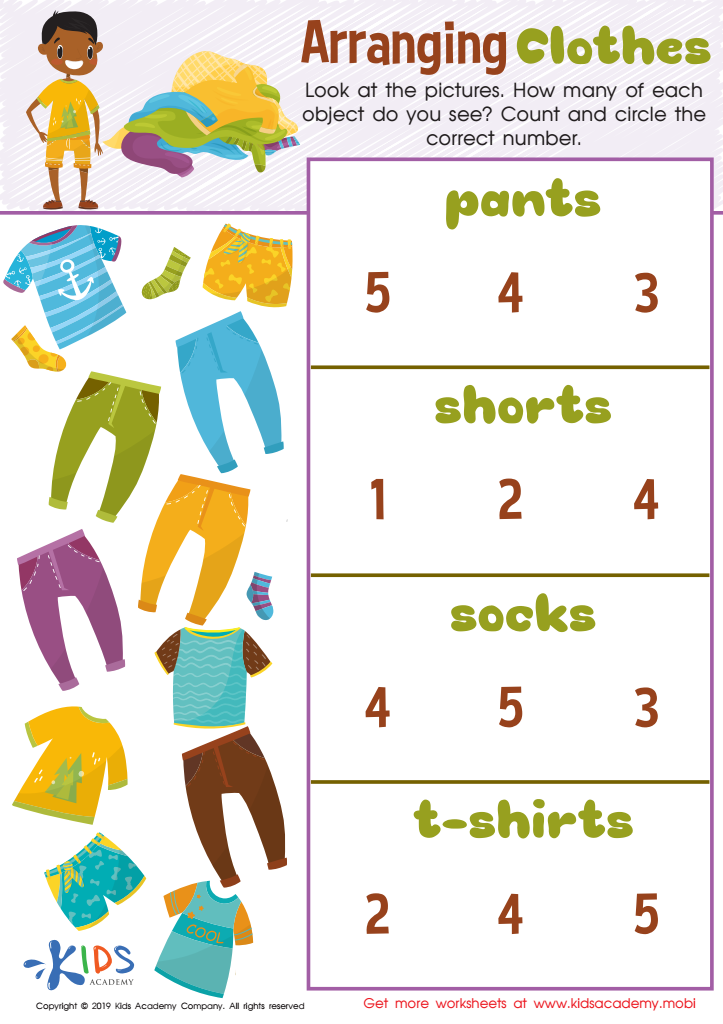
Arranging Clothes Worksheet
 Assign to My Students
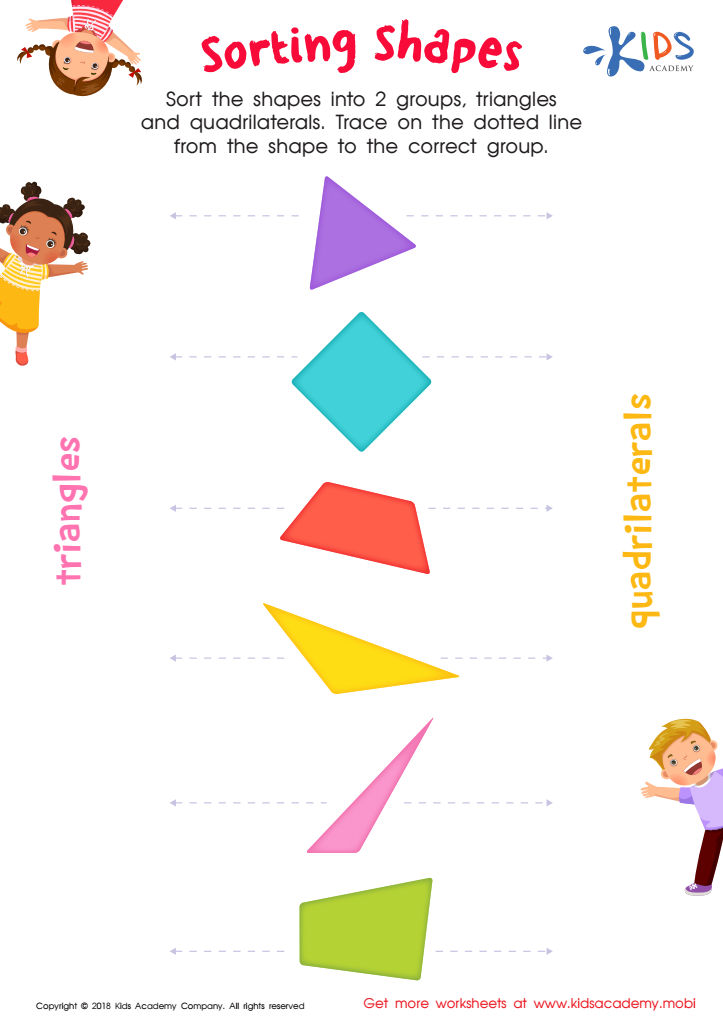
Sorting Shapes Worksheet
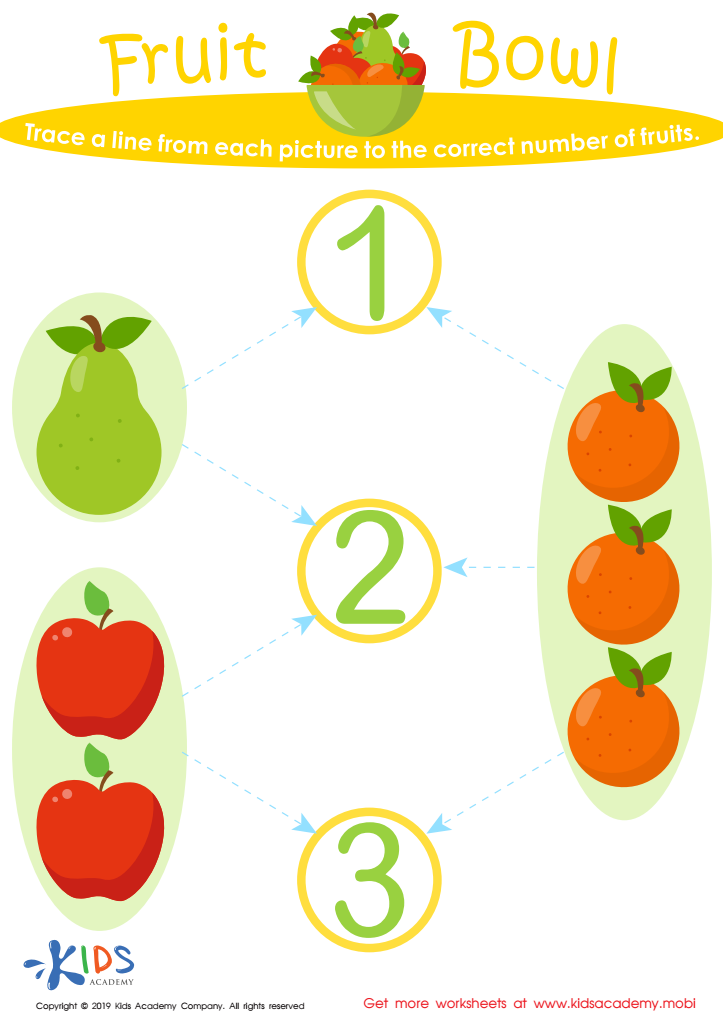
Fruit Bowl Worksheet
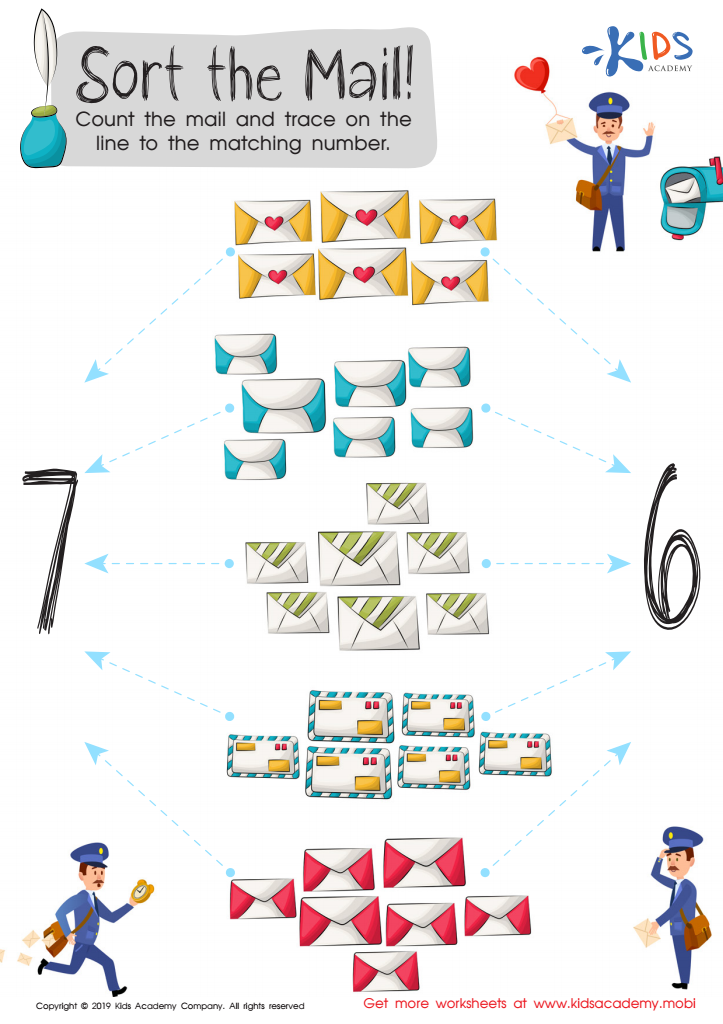
Sort the Mail Worksheet
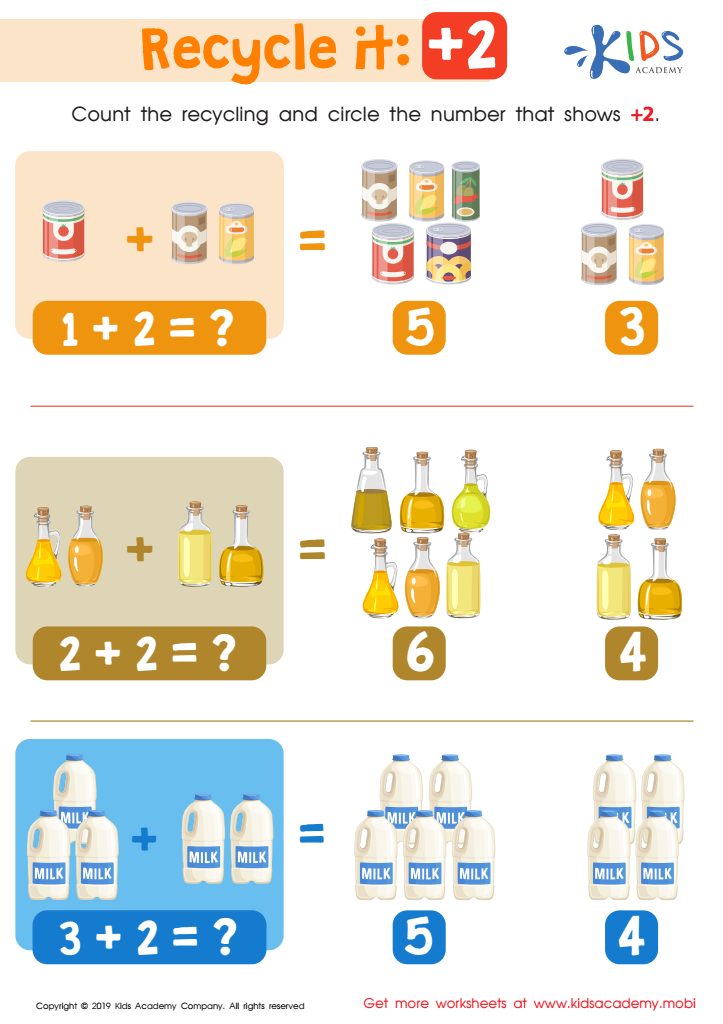
Recycle It: +2 Worksheet
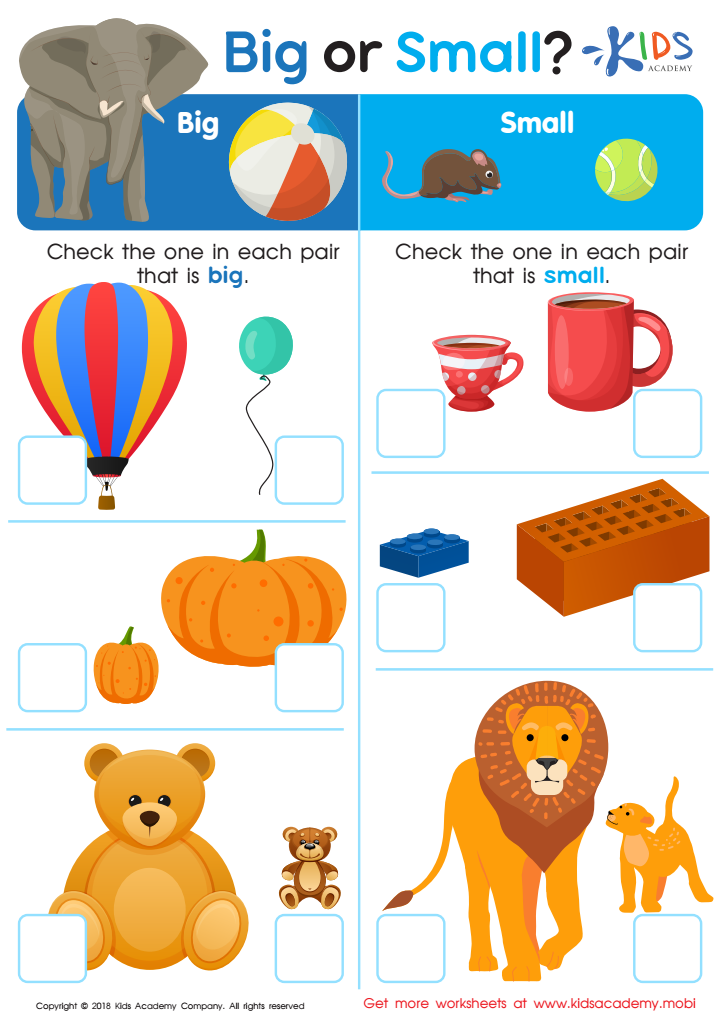
Big or Small? Worksheet








Sorting skills are fundamental to a child's cognitive development and serve as foundational building blocks for more complex mathematical concepts. For children aged 4-8, these skills help in organizing and categorizing information, which is essential for understanding relationships, recognizing patterns, and solving problems.
Incorporating sorting activities in early education encourages logical thinking and enhances observational skills. When children sort objects by color, size, shape, or type, they begin to make decisions based on attributes and properties. This action mimics the process of critical thinking, laying the groundwork for skills such as classification, sequencing, and organizing data.
Moreover, sorting tasks bolster language development. As children describe their sorting choices and processes, they expand their vocabulary and improve communication skills. They learn to articulate their thought processes and understand descriptive language.
Additionally, these activities support fine motor development. Handling objects, whether they are buttons, blocks, or cards, fine-tunes motor skills essential for writing and other daily tasks.
For parents and teachers, fostering sorting skills through play and structured activities not only makes learning math fun and engaging but also prepares children for future academic success by developing their cognitive and analytical abilities from an early age.








