Understanding Quantities Easy Math Worksheets for Ages 4-8
6 filtered results
-
From - To
"Understanding Quantities Easy Math Worksheets for Ages 4-8" make learning fun for young learners! These engaging, age-appropriate worksheets are designed to help children grasp the concept of quantities with ease. Featuring colorful visuals and simple exercises, kids can effortlessly recognize, count, and compare quantities. Ideal for early math skills development, these printables boost confidence in counting, basic arithmetic, and number sense. Perfect for parents and teachers, these resources promote interactive learning and foundational math proficiency, laying a solid groundwork for future mathematical success. Transform math time into an enjoyable and educational experience with these child-friendly worksheets!
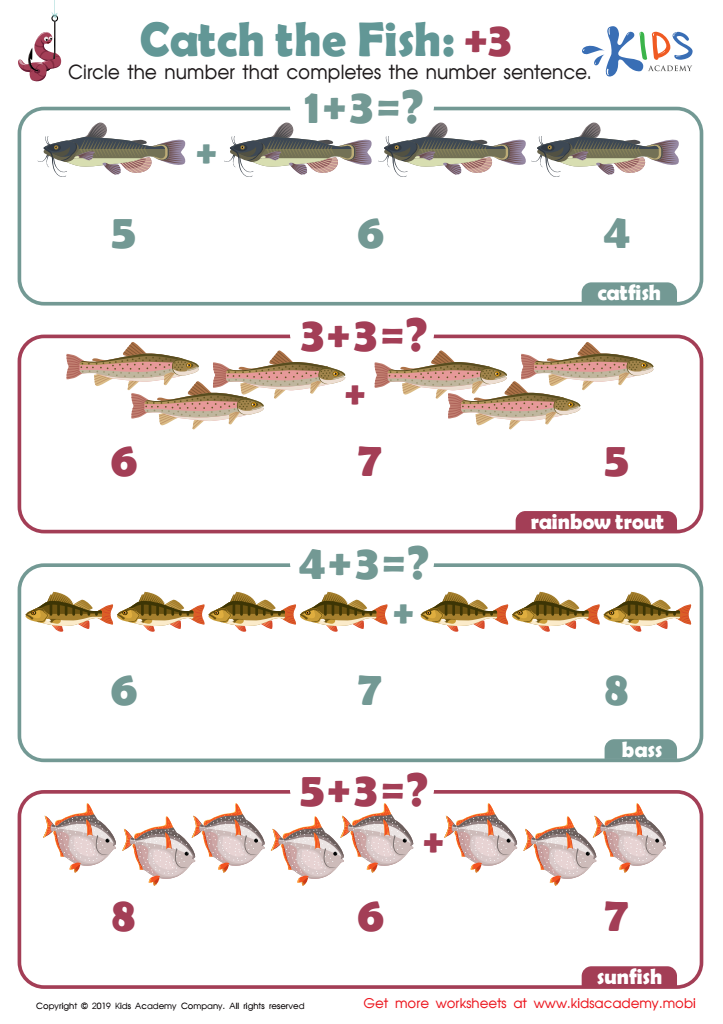
Catch the Fish: +3 Worksheet
 Assign to My Students
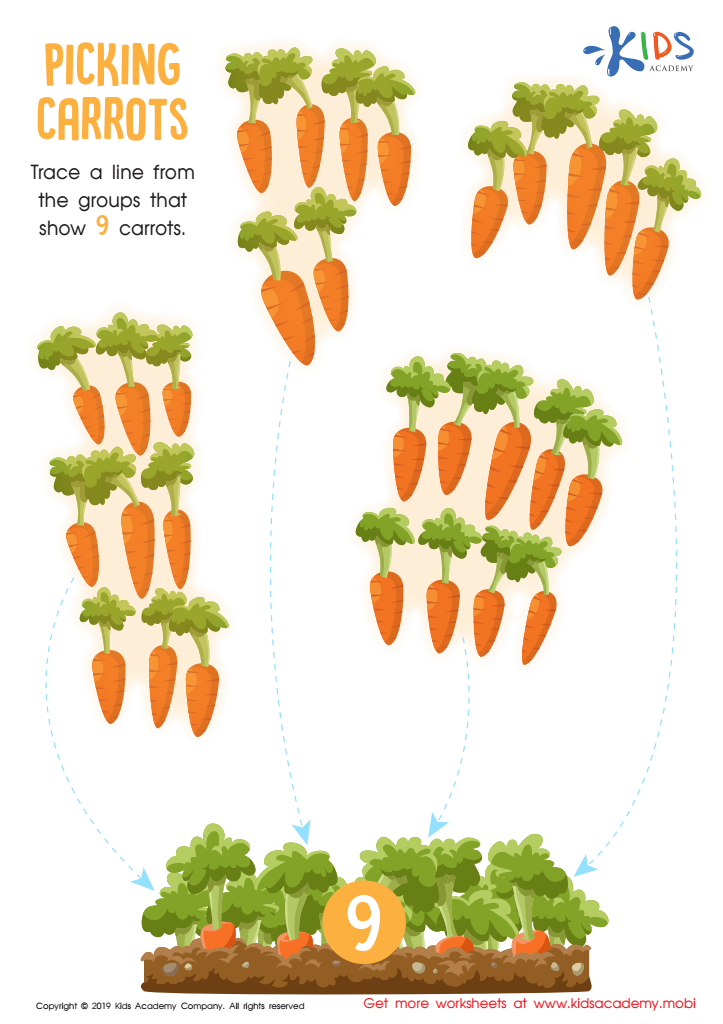
Picking Carrots Worksheet
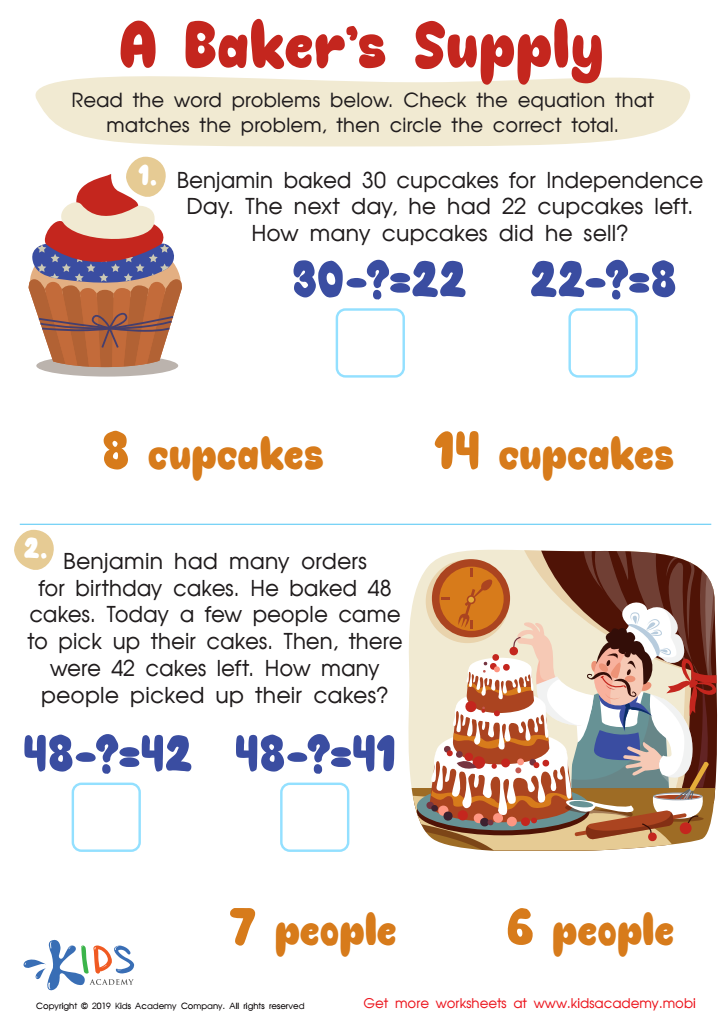
A Baker's Supply Worksheet
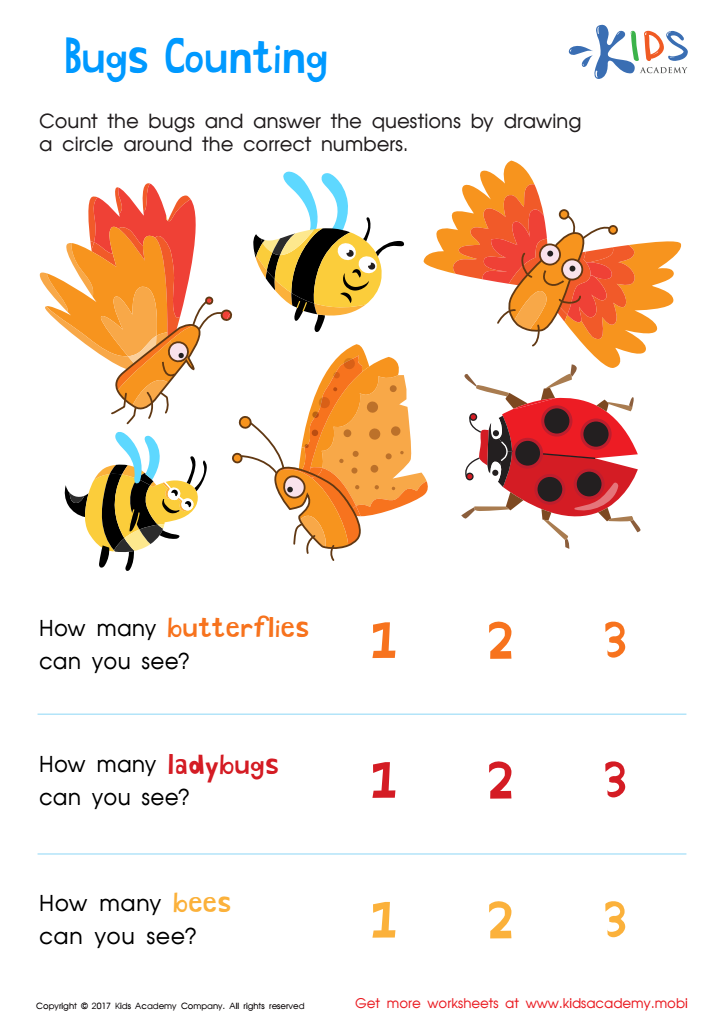
Bugs Counting Worksheet
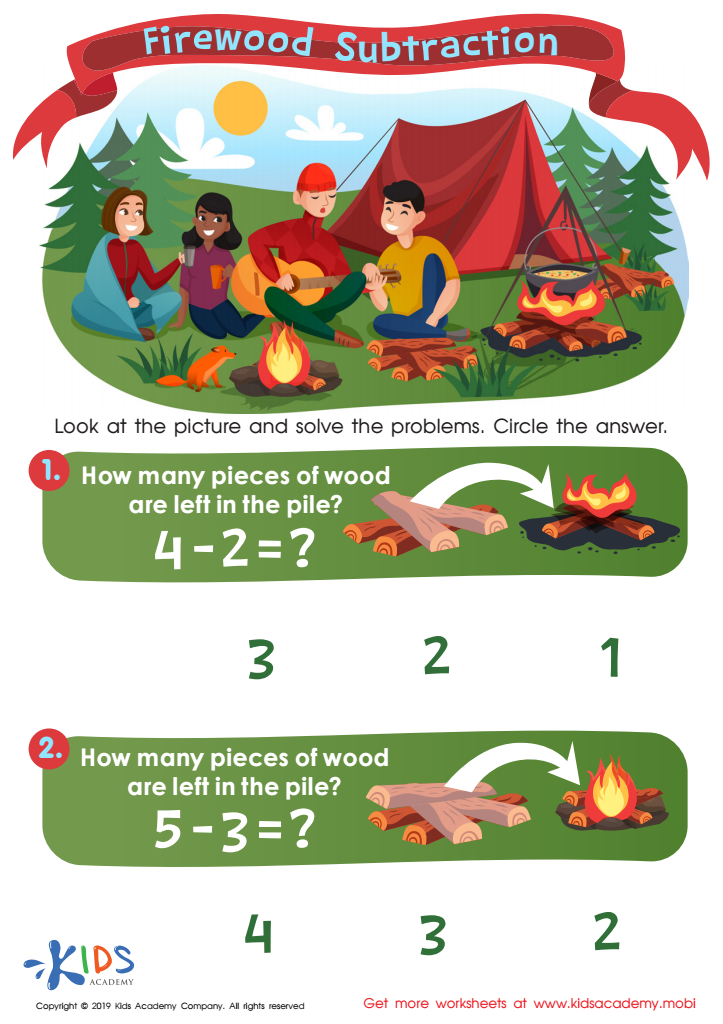
Firewood Subtraction Worksheet
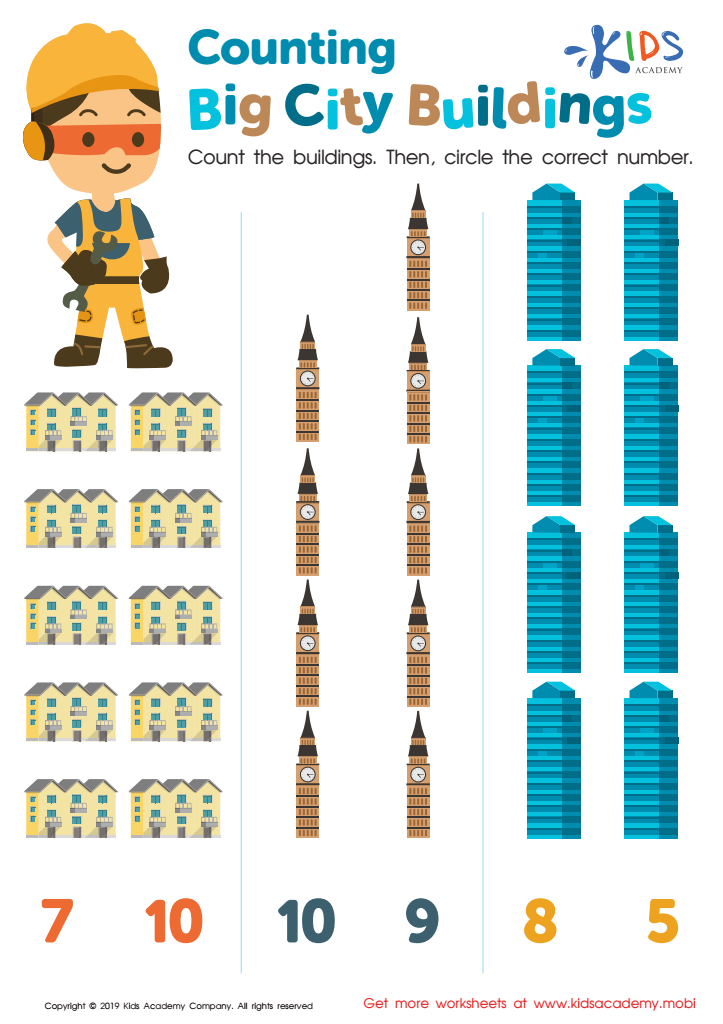
Counting Big City Buildings Worksheet



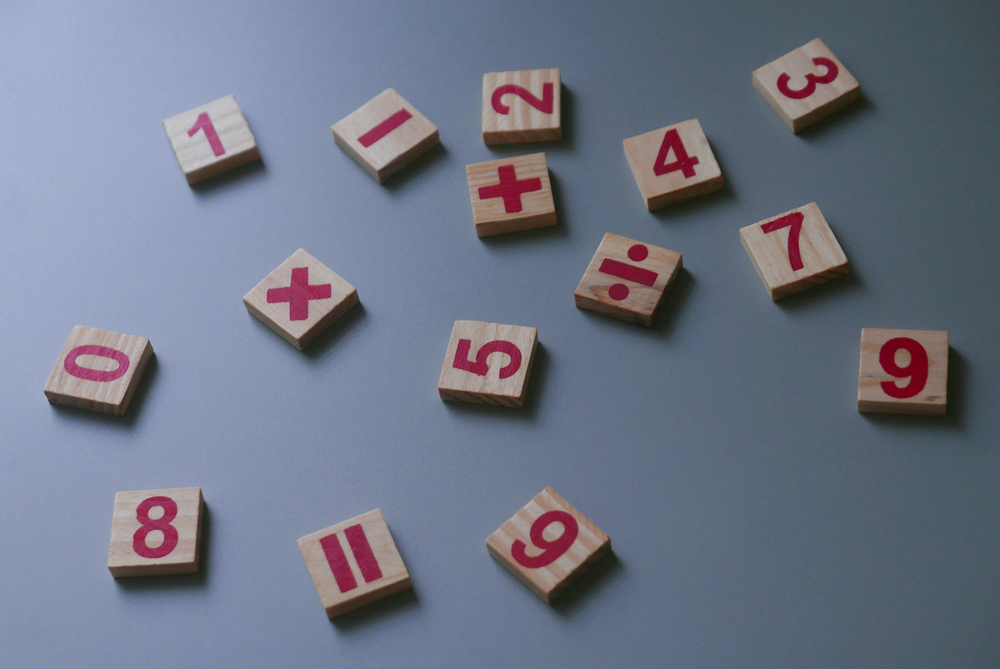




Understanding quantities is foundational in math education and critical for children aged 4-8, as it lays the groundwork for all future mathematical learning. During these early years, children's brains are highly receptive, and introducing them to basic mathematical concepts helps foster cognitive development and analytical thinking.
One primary reason parents and teachers should focus on teaching children about quantities is that it builds number sense—an intuitive understanding of numbers, their relationships, and how they are affected by operations like addition and subtraction. Number sense is crucial for everyday tasks, such as measuring ingredients for a recipe or managing time.
By understanding quantities, children develop the ability to make comparisons and understand relative sizes, which are essential skills not just in math but in many aspects of life. This approach also promotes problem-solving abilities and logical reasoning. For instance, when children recognize that four is more than three but less than five, they begin to grasp the concepts of sequencing and comparison.
Moreover, early proficiency in understanding quantities has been linked to future success in algebra and higher-level mathematics. Thus, emphasizing these skills supports academic achievement across subjects and fosters a positive attitude toward learning as a whole.
Ensuring children grasp these fundamental concepts motivates and prepares them for academic progression, cultivating a strong educational foundation that benefits them for years to come.








