Basic Math Skills Easy Math Worksheets for Ages 4-9 - Page 2
30 filtered results
-
From - To
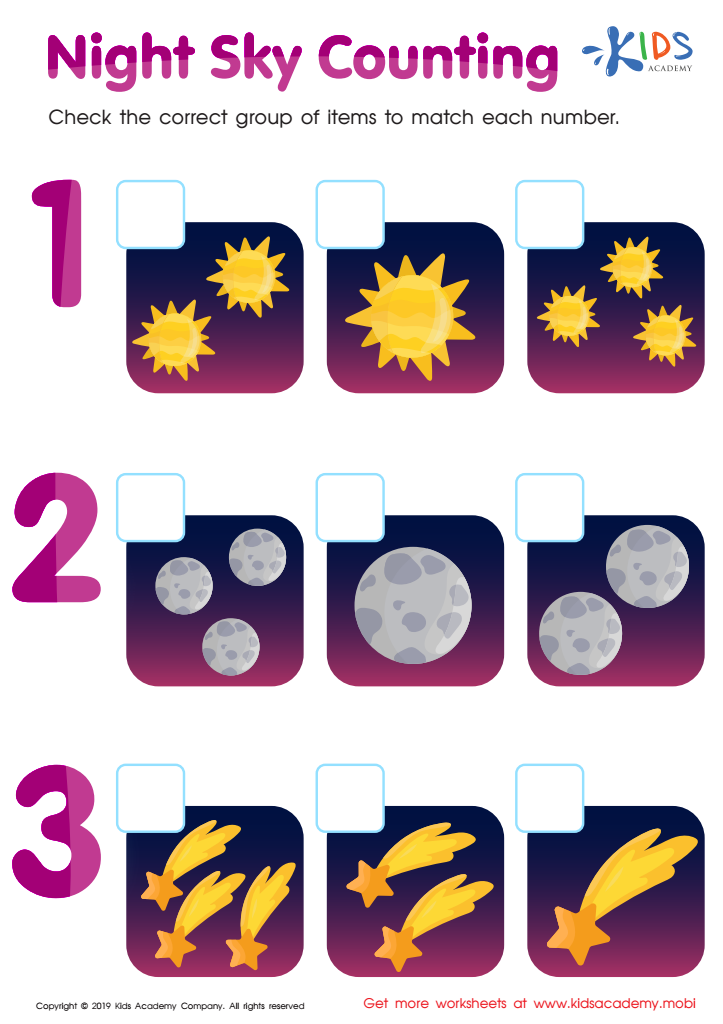
Night Sky Counting Worksheet
 Assign to My Students
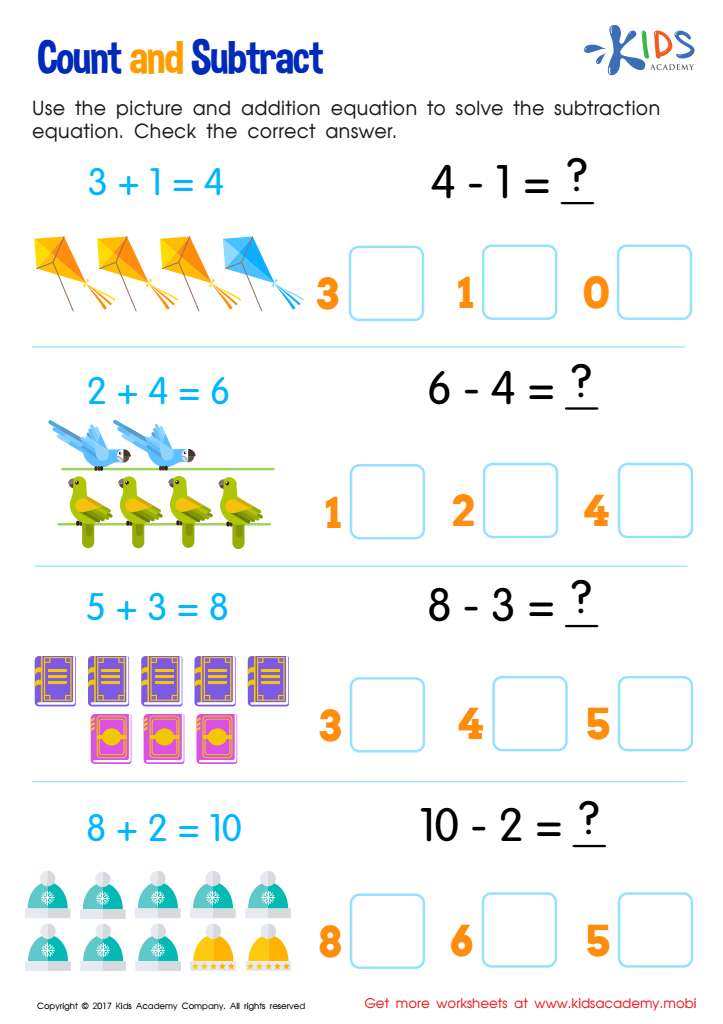
Count and Subtract Worksheet
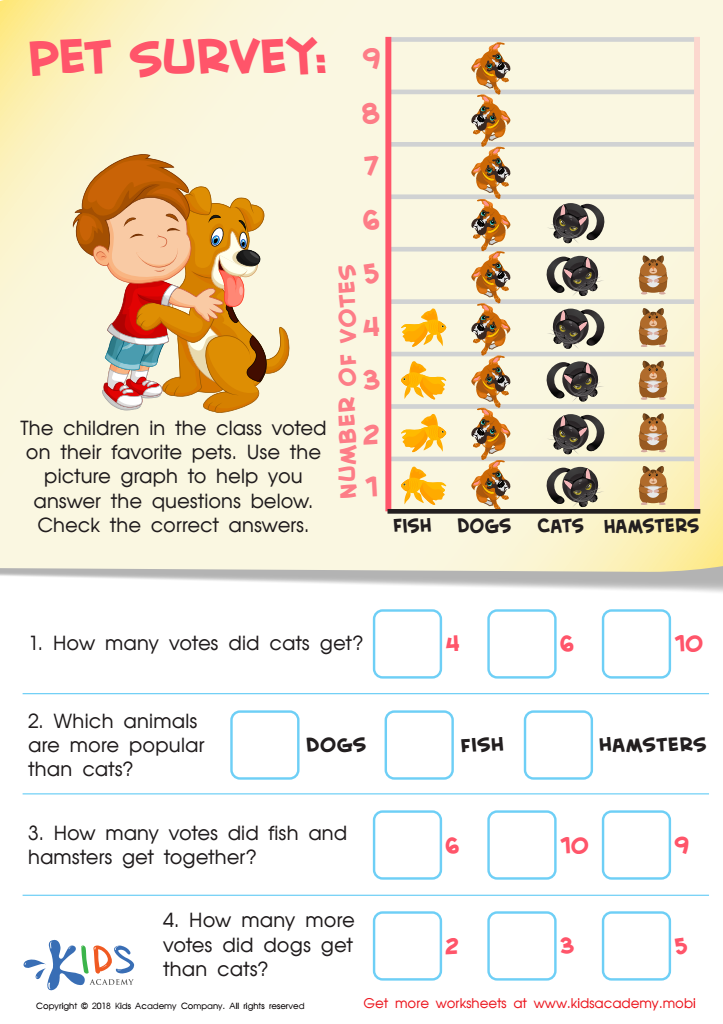
Pet Survey Worksheet
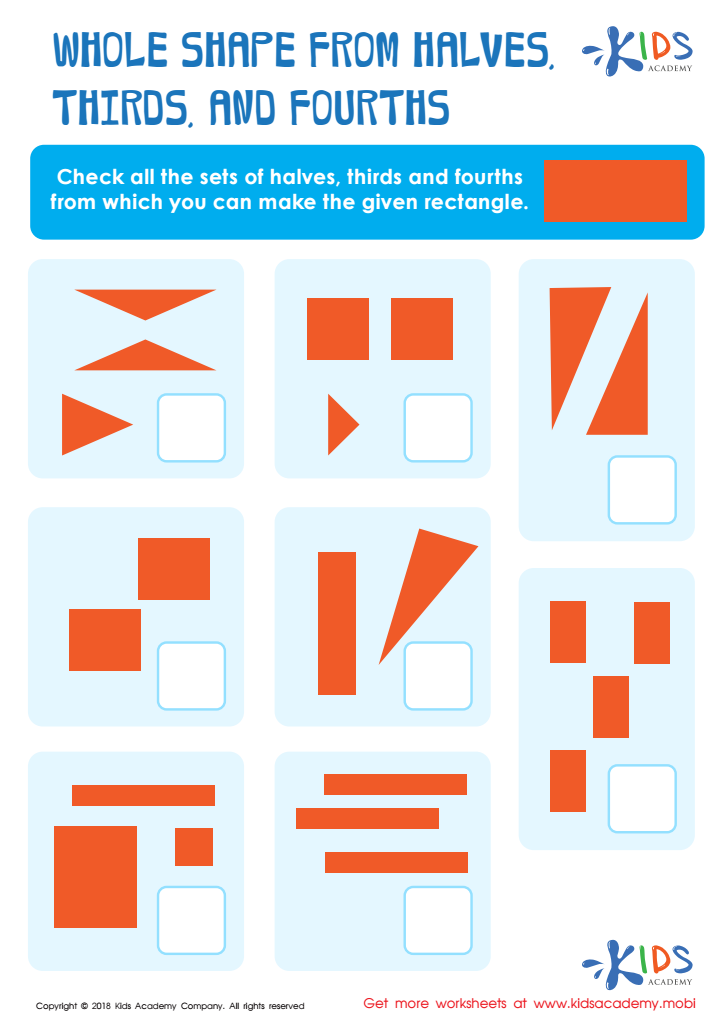
Whole Shape from Halves, Thirds and Fourths Worksheet
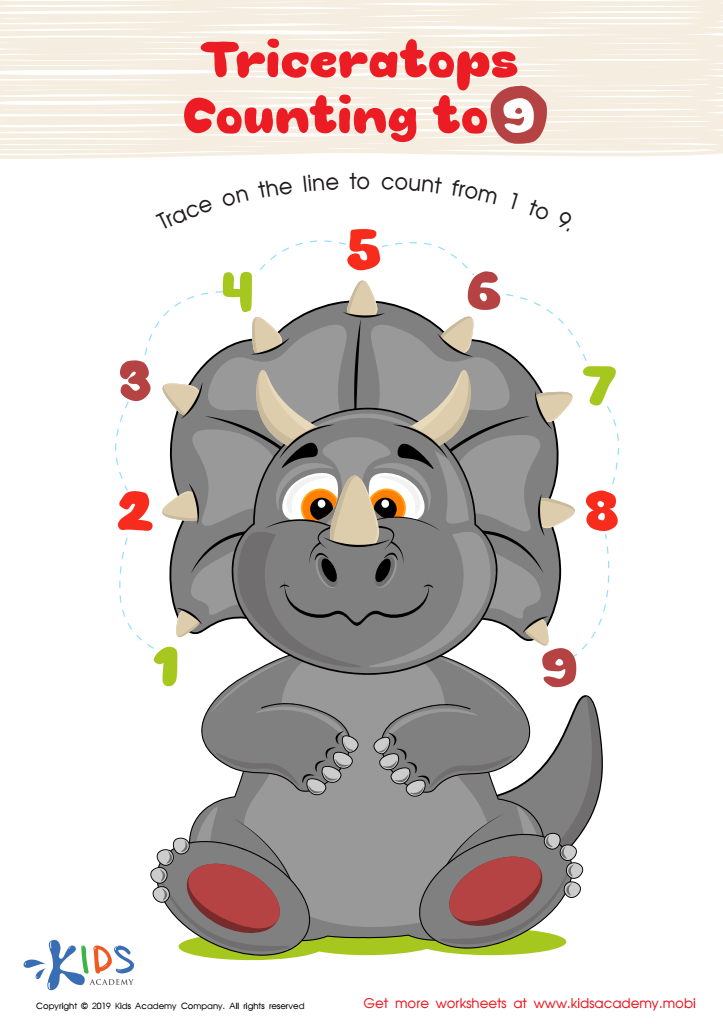
Triceratops Counting to 9 Worksheet
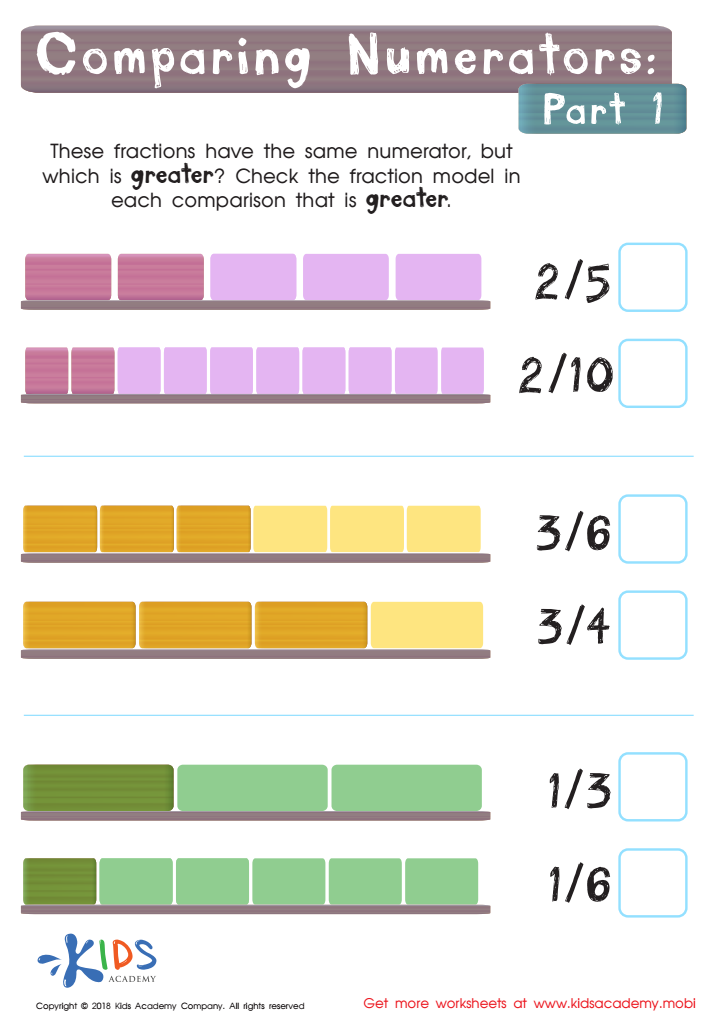
Comparing Numerators Part 1 Worksheet








Parents and teachers should care deeply about foundational math skills for children aged 4-9 because these early years are critical for cognitive development and establishing positive learning habits. Basic math skills, including counting, recognizing numbers, understanding shapes, and simple addition and subtraction, form the building blocks for all future mathematical learning. Mastery of these concepts in early childhood sets the stage for more complex problem-solving and analytical thinking.
Furthermore, early math proficiency is not just about numbers; it enhances logical reasoning, pattern recognition, and spatial awareness, all of which are essential skills across various subjects and everyday life. By making math enjoyable and accessible at a young age, we can foster a lifelong love for the subject, reducing anxiety and increasing confidence in children's academic abilities.
Integrating easy math concepts through play, interactive activities, and real-life scenarios helps children see the relevance of math beyond the classroom. It equips them with tools to navigate the world more effectively, from measuring ingredients for a recipe to managing money. Ultimately, investing time and effort into teaching basic math skills early on is an investment in a child’s overall educational journey and future success.








