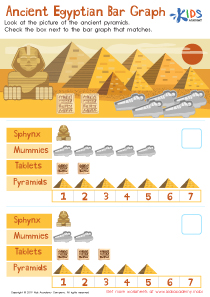
Sequencing Skills Easy Math Worksheets for Ages 4-9
5 filtered results
Difficulty Level
Grade
Age
-
From - To
Subject
Activity
Standards
Enhance your child's learning journey with our "Sequencing Skills Easy Math Worksheets for Ages 4-9" at Kids Academy. Our expertly designed worksheets provide engaging and fun activities that foster critical thinking and mathematical reasoning, helping young learners master sequencing concepts. Through interactive exercises, kids can practice arranging numbers, events, and objects in logical order, paving the way for improved problem-solving skills. Catered to children ages 4-9, these worksheets offer a variety of challenges tailored to different age groups and skill levels, ensuring steady progress. Empower your child with the foundational sequencing skills essential for academic success. Download now and start learning today!
Favorites
With answer key
Interactive
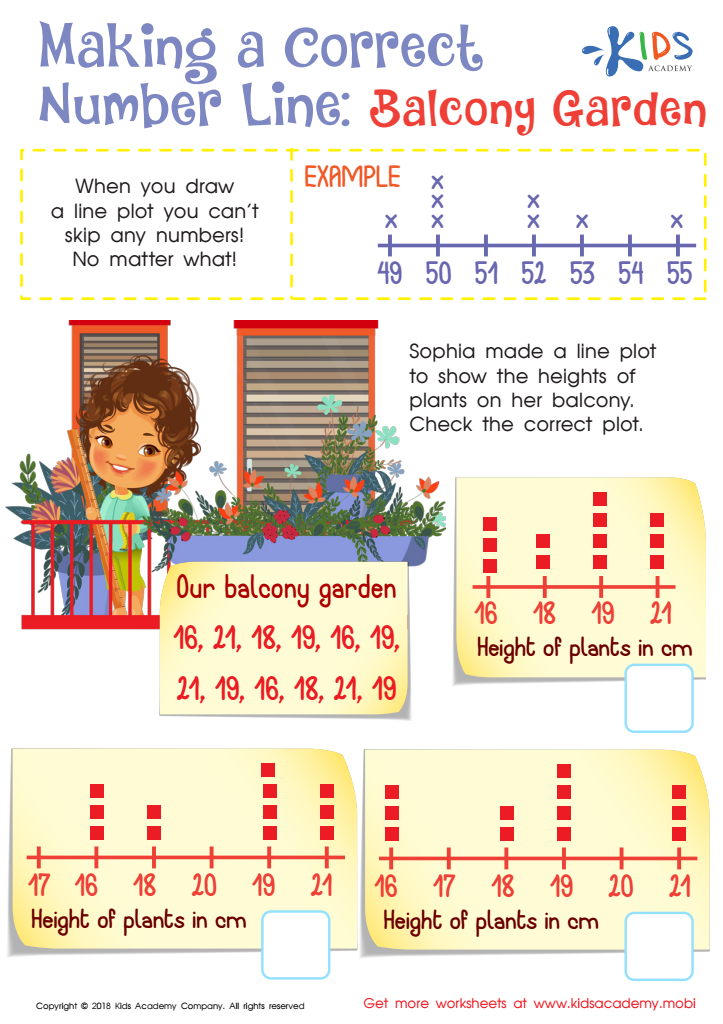
Making a Correct Number Line: Balcony Garden Worksheet
Teach your child to draw and identify a line plot with this worksheet. Have them help Sophia check her plot for the heights of plants in her balcony, ensuring no numbers are skipped. Line plots are a great way to quickly organize information and an essential skill your child needs.
 Assign to My Students
Making a Correct Number Line: Balcony Garden Worksheet
Worksheet
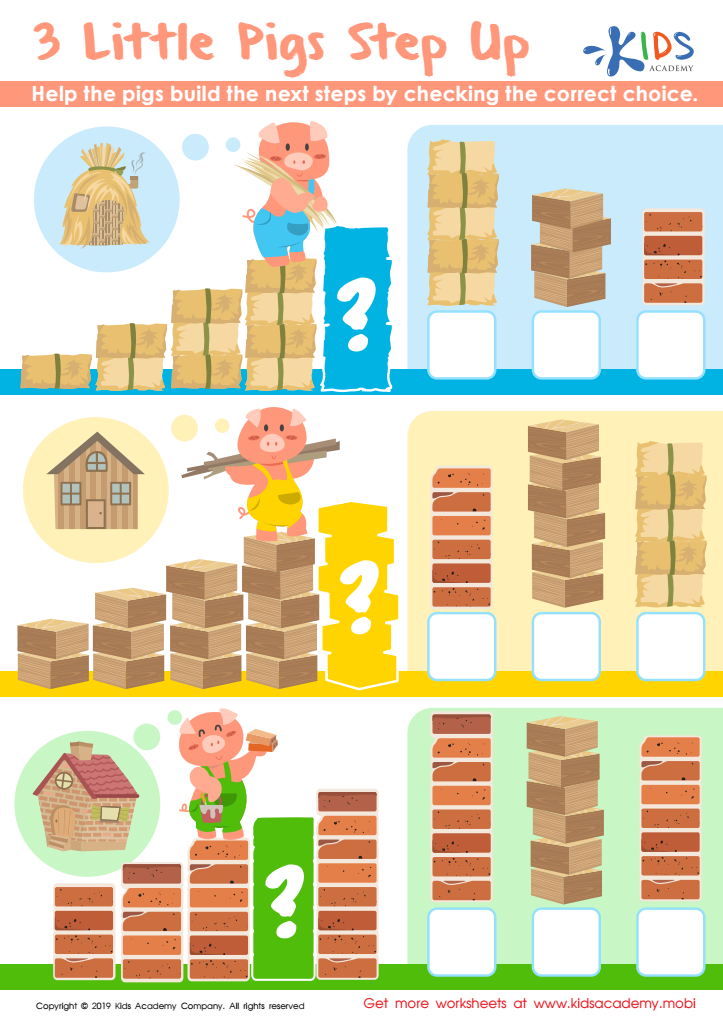
3 Little Pigs Step Up Worksheet
Test your kids' knowledge of the three little pigs' story. Ask them to tell you the important parts and then look at the pictures in this worksheet. Can they identify what's going on? They'll need to count the materials and help build the next steps by choosing the right option.
3 Little Pigs Step Up Worksheet
Worksheet
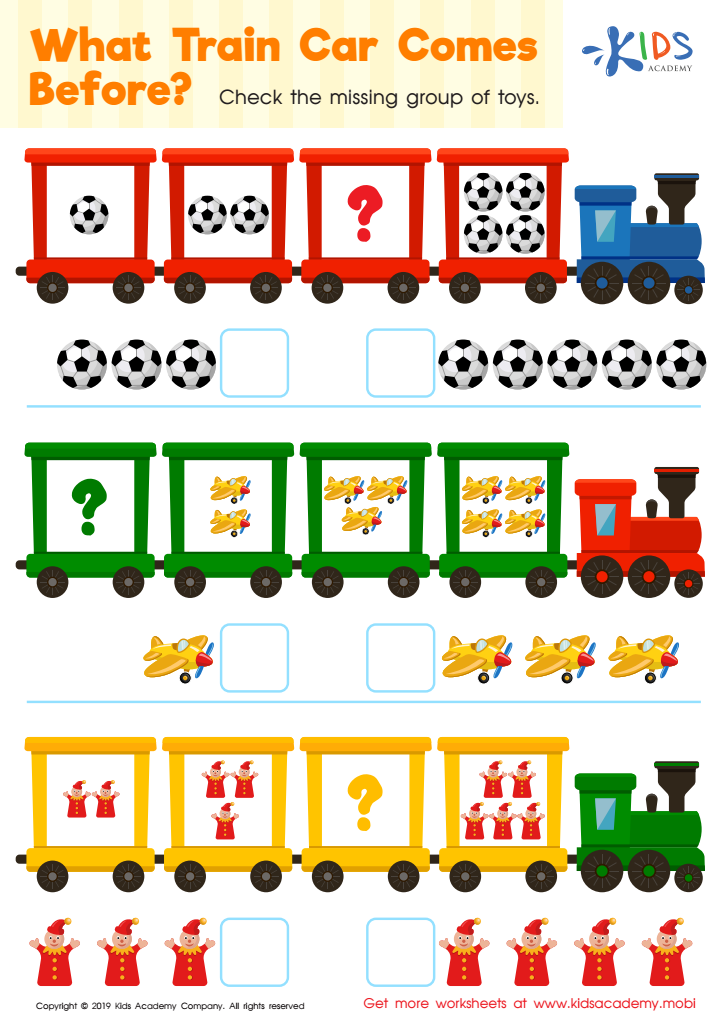
What Train Car Comes Before? Worksheet
Download this worksheet with your kids and have them identify the colorful objects pictured. Count the toys in the three trains together, then check the missing group of toys from the options provided. Have fun! (80 words)
What Train Car Comes Before? Worksheet
Worksheet
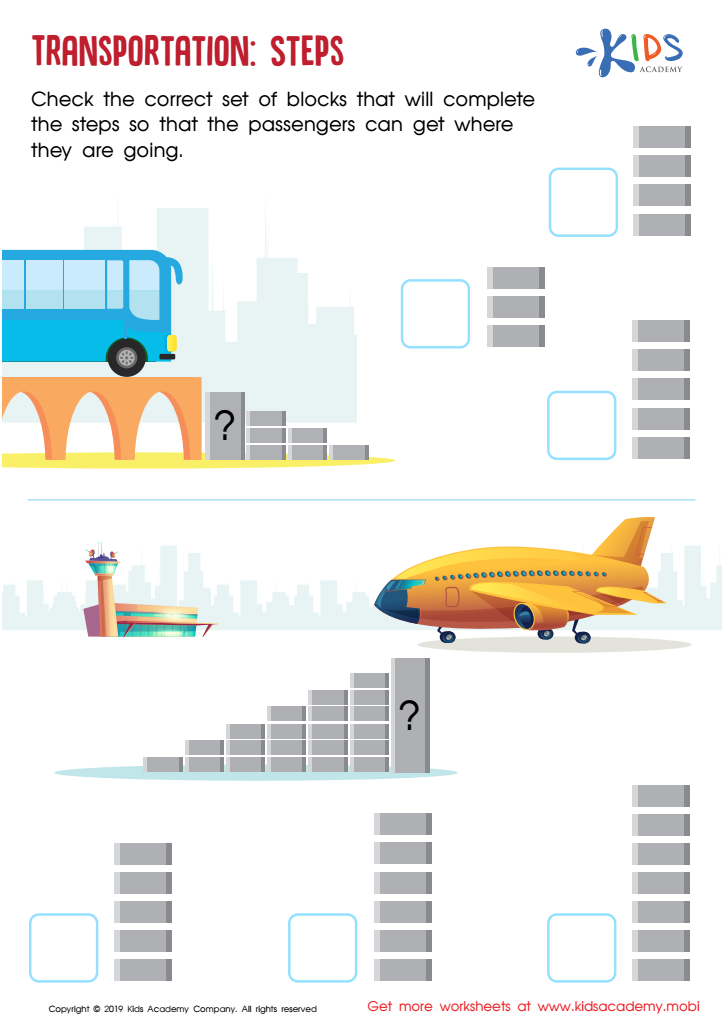
Transportation: Steps Worksheet
Trips are important to all - transportation and its modes have made travelling easier and quicker. Ask your kids to identify the transport in the picture then help them check the right blocks so passengers can reach their destination.
Transportation: Steps Worksheet
Worksheet
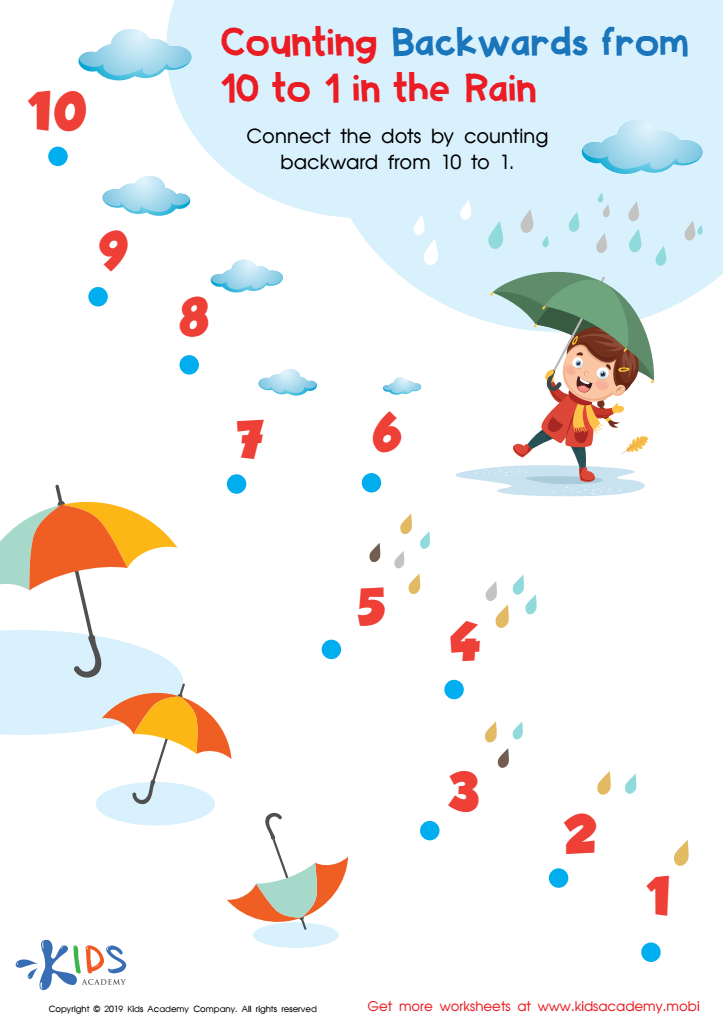
Counting Backwards from 10 to 1 in the Rain Worksheet
A rainy day can be fun - have your kids tell you their favorite activities! Then, look at the worksheet and ask them to identify the items. Count the numbers together, then help connect the dots from 10 to 1. It's an easy and fun way to spend time on a rainy day!
Counting Backwards from 10 to 1 in the Rain Worksheet
Worksheet
Join Kids Academy for Free
Who is primarily going to use this learning content?








Sequencing skills in early math education are crucial for young children, ages 4-9, as they form the foundation for understanding more complex concepts. When parents and teachers emphasize sequencing skills, they help children develop the ability to understand and organize events, numbers, and processes logically. This skill is fundamental not just in math, but also in reading comprehension, science, and everyday problem-solving.
For instance, sequencing is vital for understanding number order and learning to count, which are core early math competencies. Additionally, sequencing helps in grasping concepts like patterns, addition, subtraction, and eventually more advanced arithmetic. Beyond math, sequencing aids in the development of organizational and critical-thinking skills, which are key indicators of academic success.
Moreover, integration of easy math tasks in sequencing engages children in a fun, interactive way, making learning enjoyable and less intimidating. Young children better retain concepts when they are taught through activities that stimulate their curiosity and imagination.
Parents and teachers who prioritize sequencing in math create an environment where children feel confident in their abilities to tackle sequential steps and logical thinking throughout their educational journey. This strong foundation will ultimately lead to greater success in higher-level math and other subjects, as well as in daily life.