Problem-Solving Skills Easy Addition & Subtraction Worksheets for Ages 5-9 - Page 2
29 filtered results
-
From - To
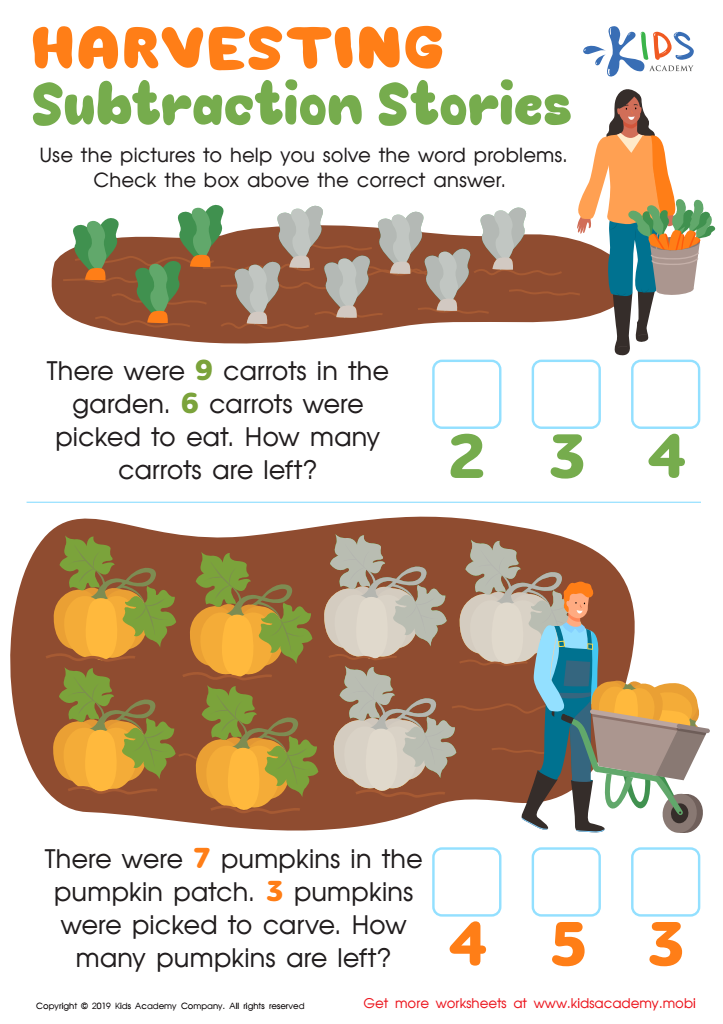
Harvesting Subtraction Stories Worksheet
 Assign to My Students
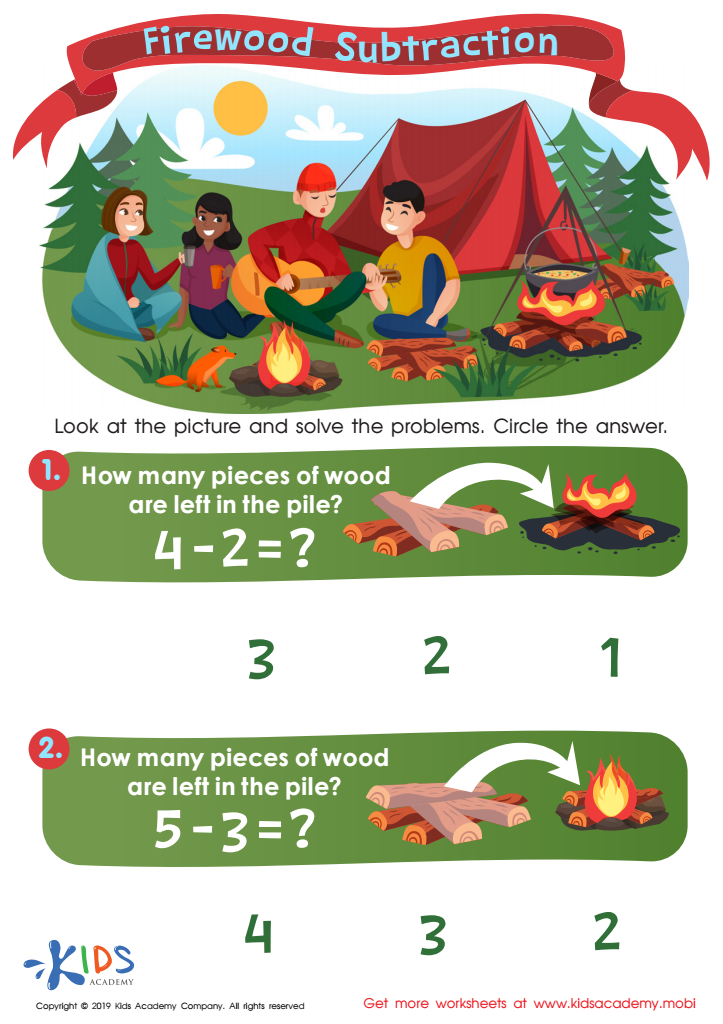
Firewood Subtraction Worksheet
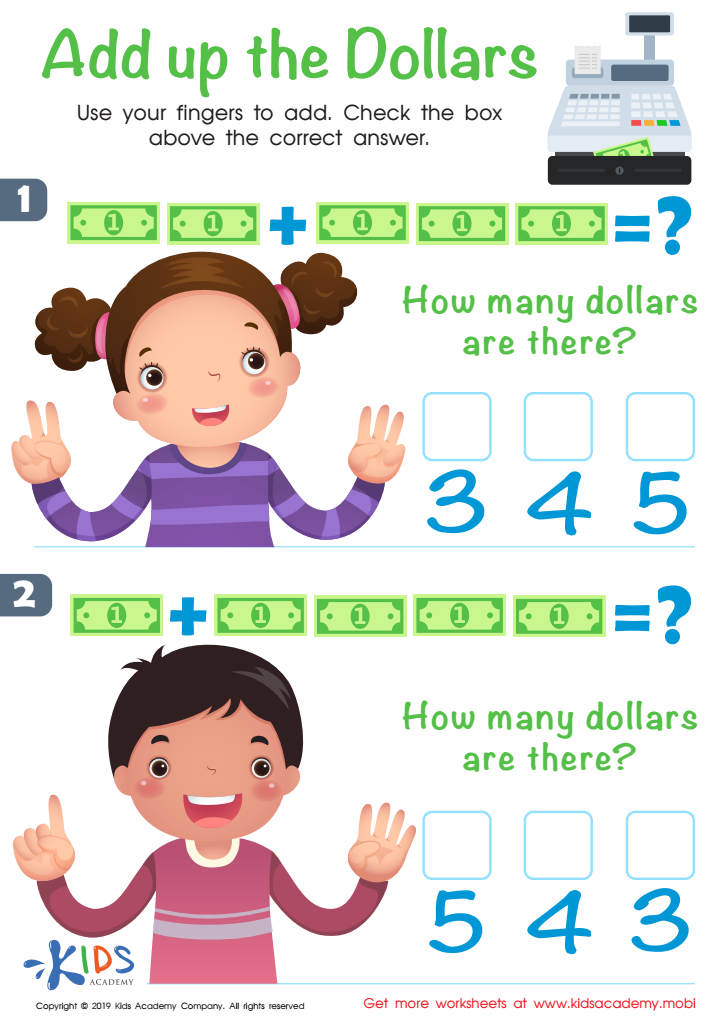
Add up the Dollars Worksheet
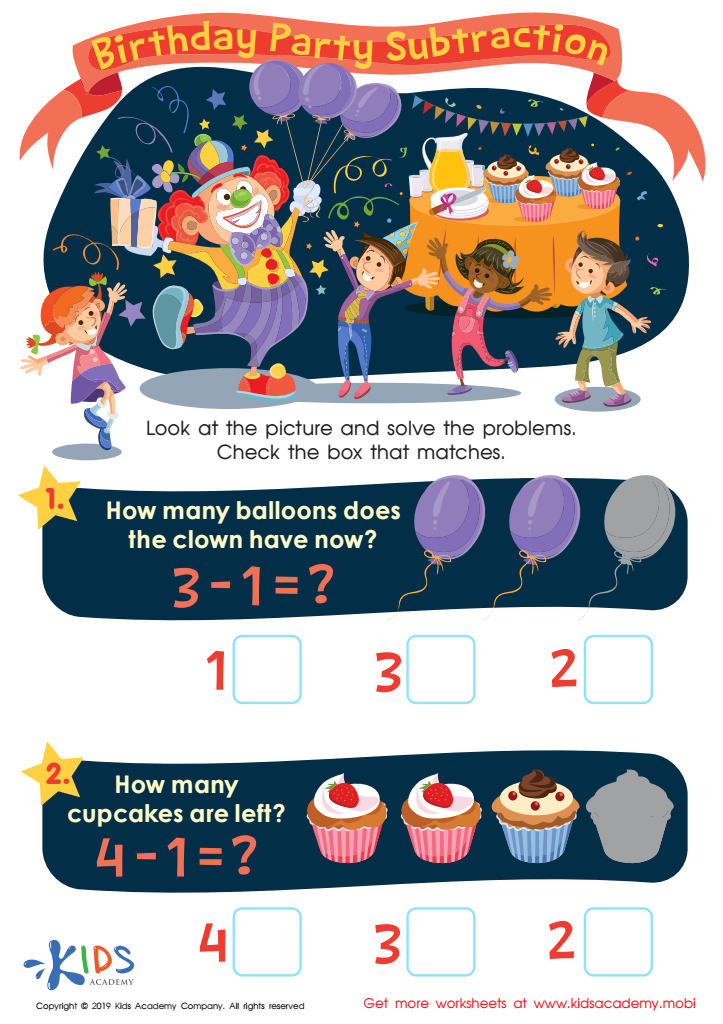
Birthday Party Subtraction Worksheet
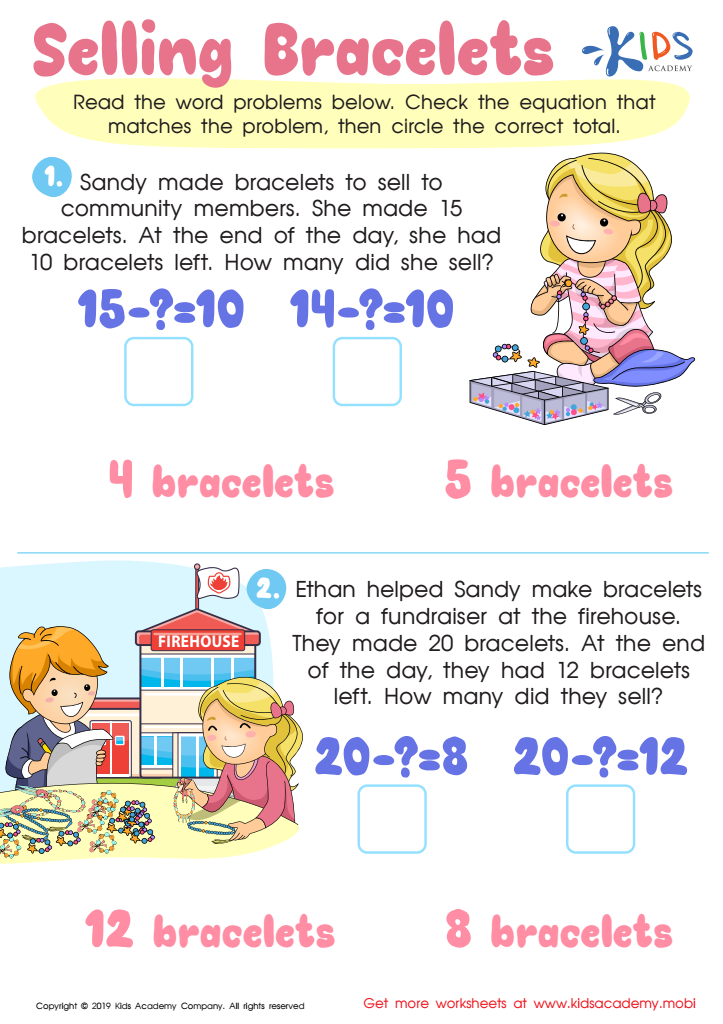
Selling the Bracelets Worksheet



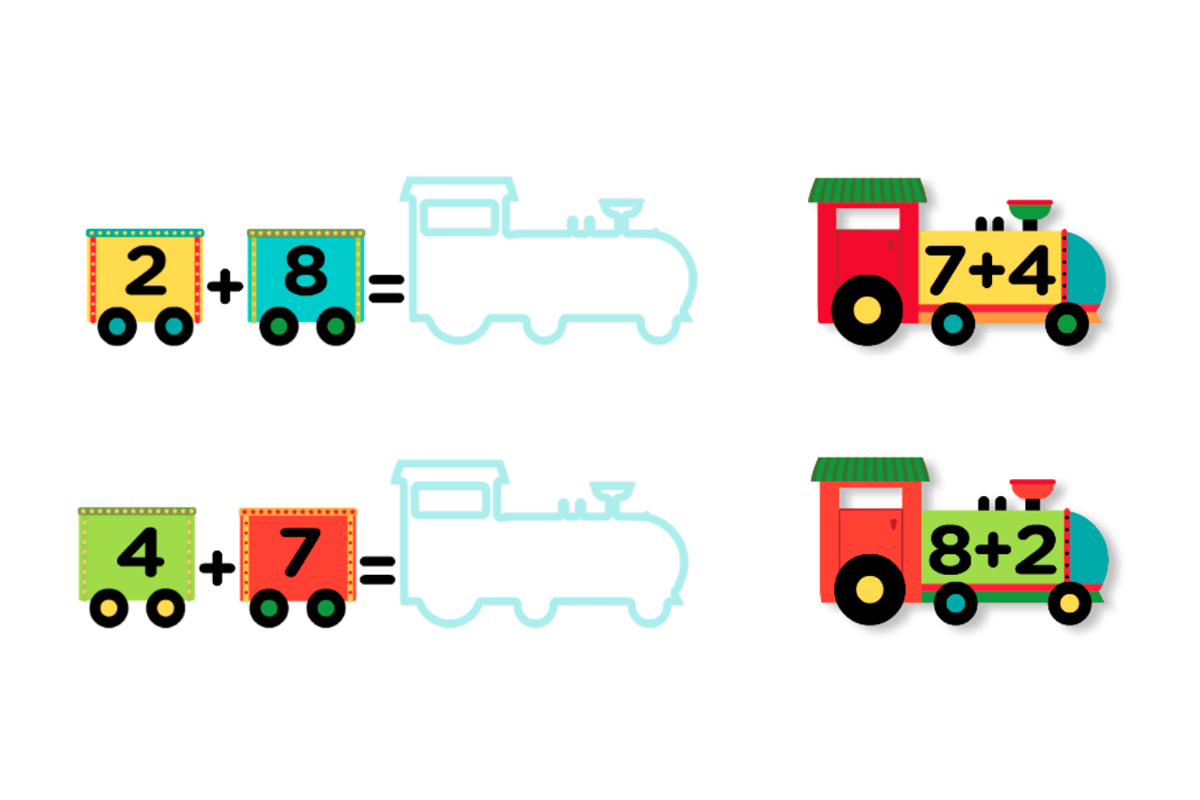




Parents and teachers should prioritize problem-solving skills in easy addition and subtraction for children aged 5-9 because these fundamental math concepts serve as the building blocks for more advanced mathematical reasoning and critical thinking. At this age, children are developing their cognitive abilities and learning how to approach problems analytically. Teaching problem-solving through addition and subtraction not only boosts numerical fluency but also encourages perseverance, creativity, and logical thinking.
Enhancing these skills helps children learn to break down complex problems into manageable steps, fostering independence and self-confidence in their learning journey. Additionally, early exposure to problem-solving enriches their understanding of real-world applications, as math is often used to make everyday decisions.
Furthermore, developing strong problem-solving skills can improve academic performance across subjects, as it nurtures an analytical mindset. It also prepares students to face challenges in higher education and beyond. By engaging in interactive games, hands-on activities, and collaborative exercises, parents and teachers can create a positive learning environment where children feel empowered to tackle mathematical challenges. Ultimately, nurturing these skills can lead to a lifelong love for learning and instilling confidence in children's ability to navigate both academic environments and real-world situations.








