Sound Association Easy Alphabet Worksheets for 5-Year-Olds
5 filtered results
-
From - To
Welcome to our Sound Association Easy Alphabet Worksheets designed specifically for 5-year-olds! These engaging and interactive worksheets help young learners recognize letter sounds through fun activities. By matching letters with corresponding images, children enhance their phonemic awareness and develop essential pre-reading skills. Our user-friendly worksheets make learning enjoyable, encouraging kids to practice their sound associations through coloring and connecting games. Ideal for parents and educators, these resources will support early literacy development in a playful way. Get ready to spark your child’s love for reading while building a solid foundation in letter sounds. Start exploring today and watch them thrive!
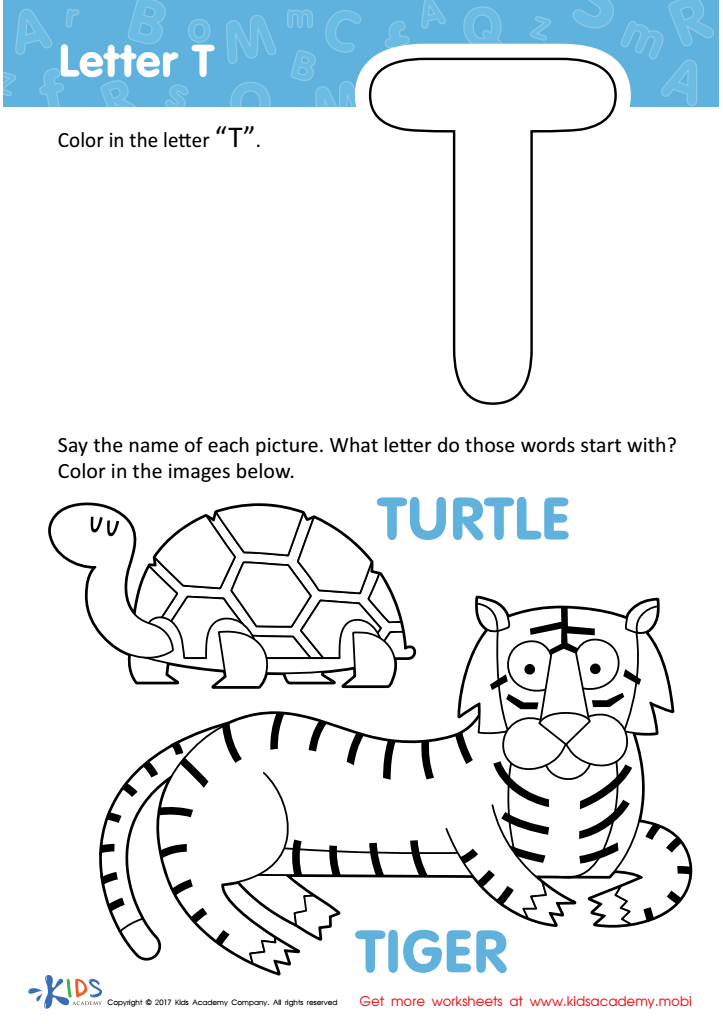
Letter T Coloring Sheet
 Assign to My Students
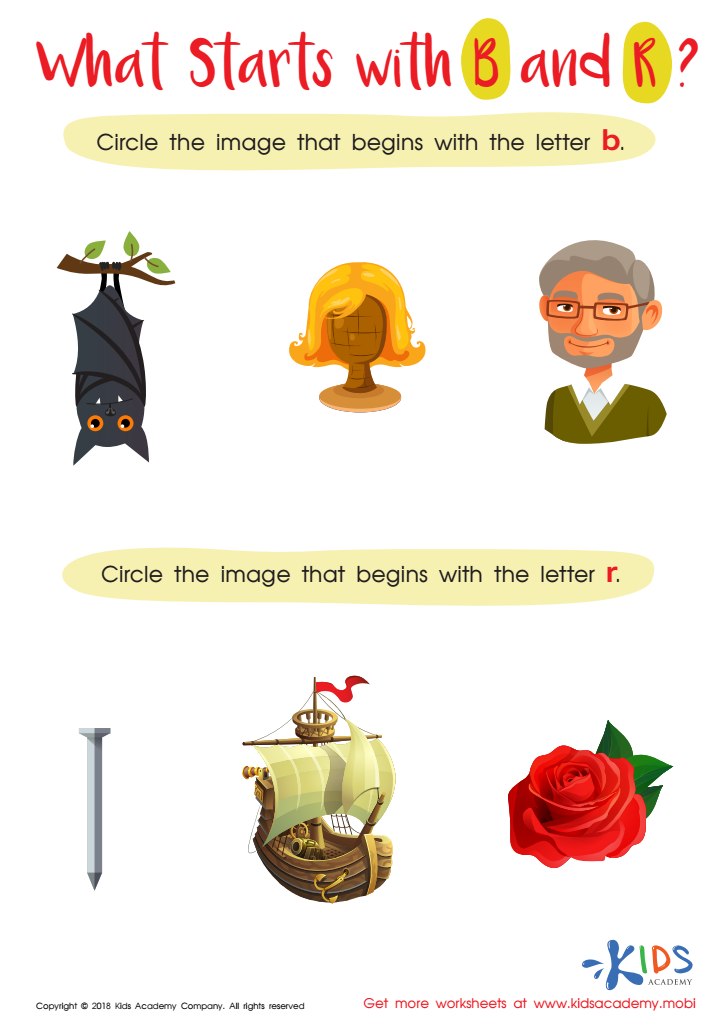
What Starts with B and R? Worksheet
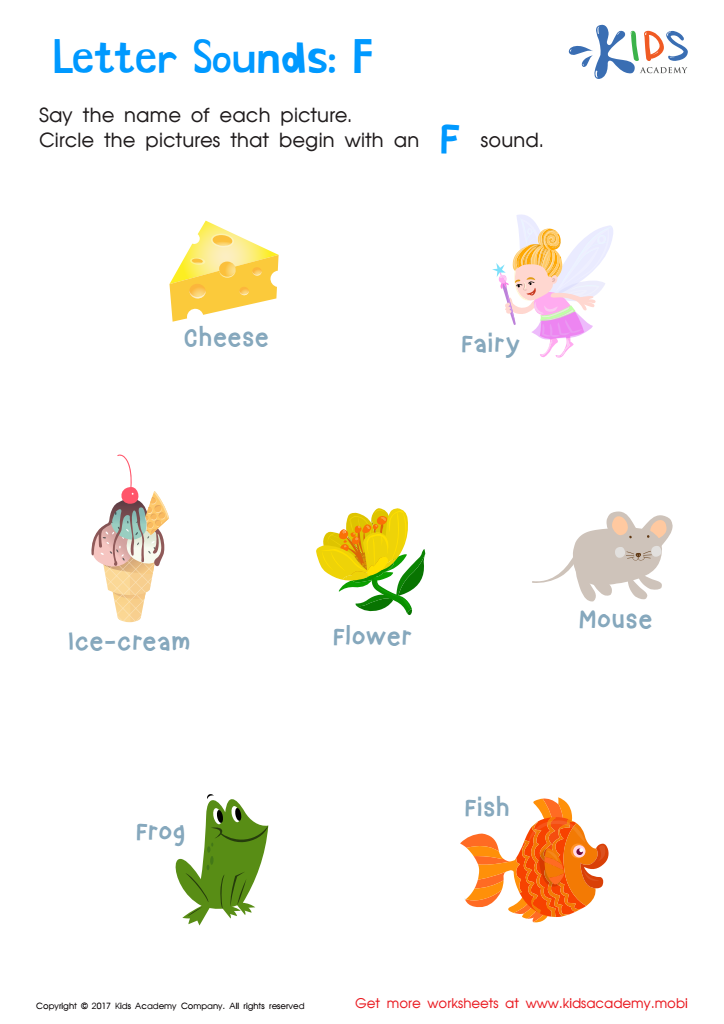
Letter F Sounds Worksheet
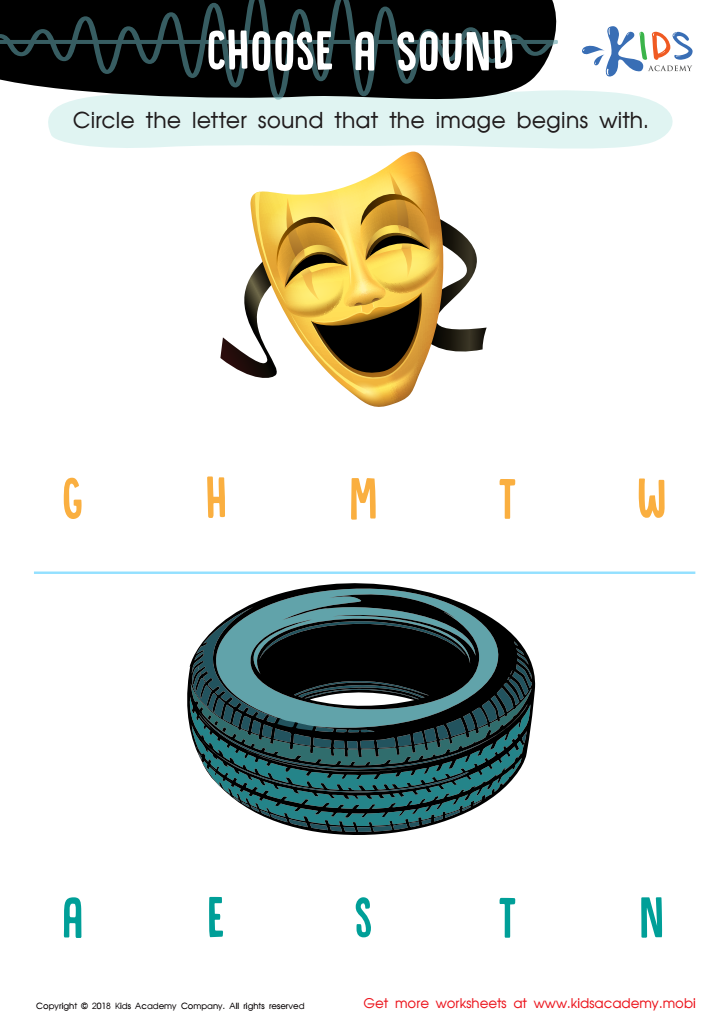
Choose a Sound Worksheet
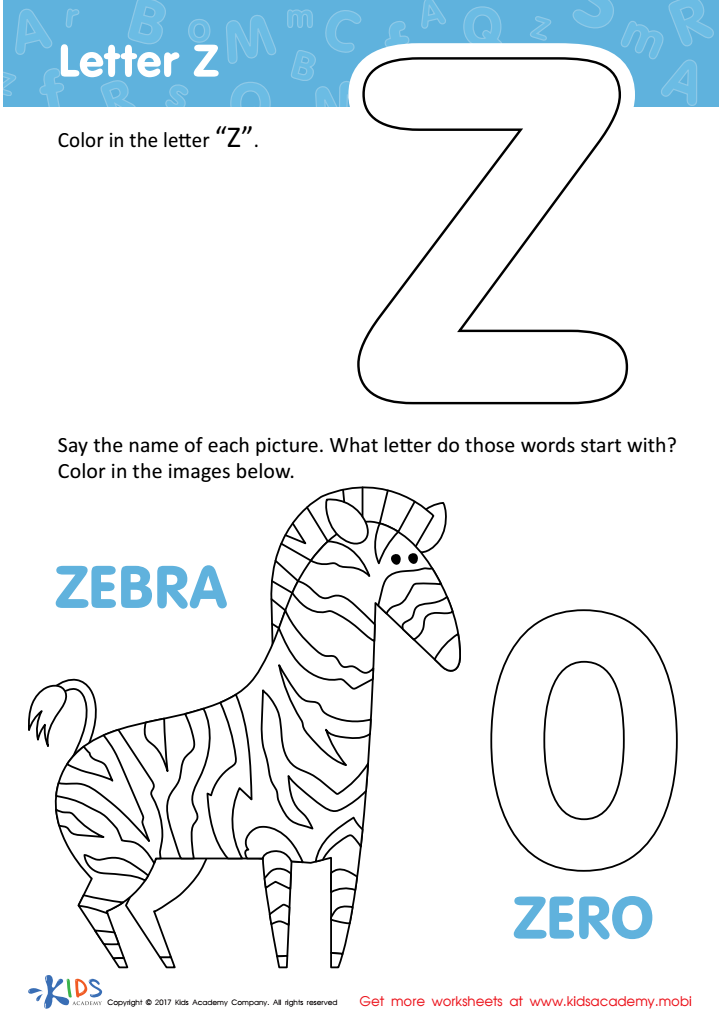
Letter Z Coloring Sheet
Assign to My Students





.jpg)
Parents and teachers should prioritize Sound Association Easy Alphabet for 5-year-olds as it lays the foundational skills for literacy development. At this age, children are naturally curious and more receptive to learning, making it the perfect time to introduce them to the relationships between letters and their corresponding sounds. Understanding sound-letter associations boosts phonemic awareness, a critical component of reading and writing.
Engaging with sound association activities helps children develop the auditory processing skills necessary for effective communication. As they practice identifying and articulating sounds, they begin to recognize common patterns within words, which enhances decoding skills. This is essential for their future academic success, as proficiency in reading directly impacts their performance across various subjects.
Moreover, programs focused on sound association often incorporate playful and interactive elements, making the learning experience enjoyable and memorable. By nurturing a love for language and literacy from a young age, parents and teachers can foster greater confidence in children, encouraging them to explore reading on their own.
Overall, emphasizing sound association in early education not only equips children with vital skills but also instills a lifelong appreciation for learning and literacy. Promoting this foundational knowledge can create enthusiastic readers and writers down the line.