Sequencing Skills Easy Numbers Worksheets for 5-Year-Olds
4 filtered results
-
From - To
Introducing our "Sequencing Skills Easy Numbers Worksheets for 5-Year-Olds," designed to boost your child’s numeracy skills through fun and engaging activities. These worksheets offer age-appropriate exercises that help children understand number order and foster their logical thinking. Perfect for young learners, each worksheet features colorful illustrations and simple tasks that guide kids in arranging numbers sequentially. Ideal for both classroom settings and at-home learning, our expertly crafted sheets provide a solid foundation for future math success. Make learning enjoyable and effective with these sequencing skills worksheets, paving the way for your child's academic achievement.
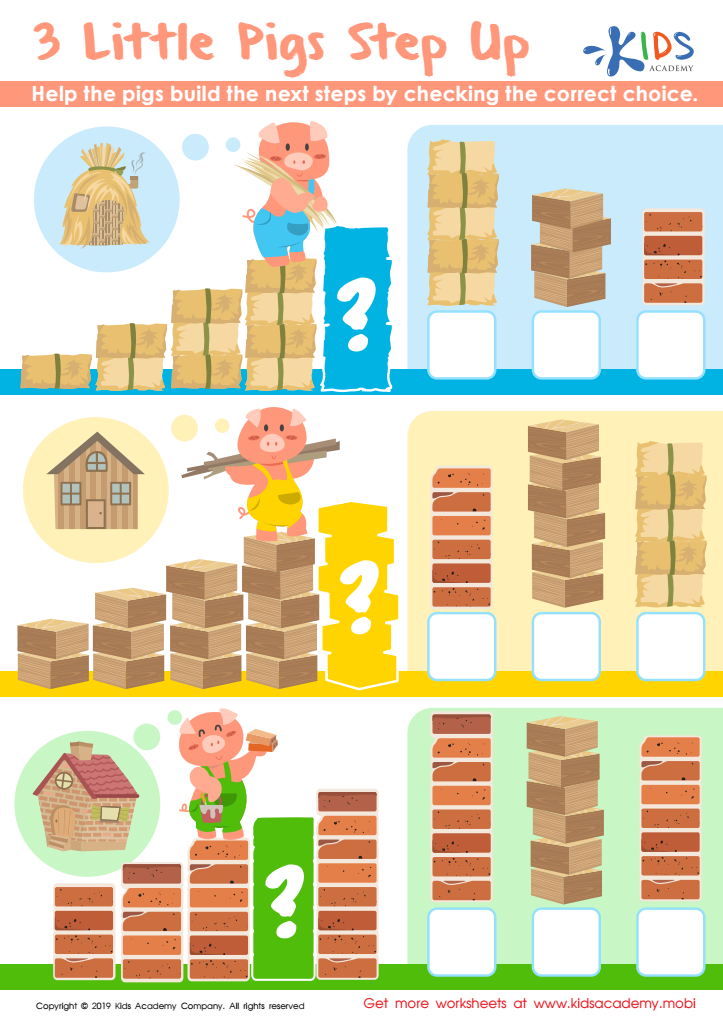
3 Little Pigs Step Up Worksheet
 Assign to My Students
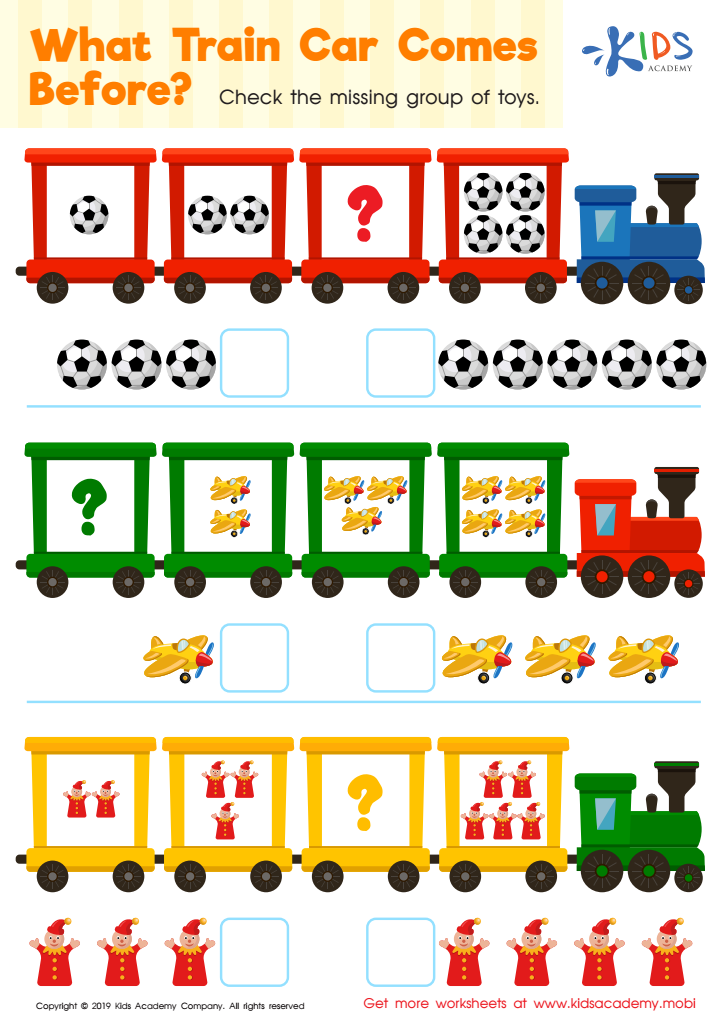
What Train Car Comes Before? Worksheet

Transportation: Steps Worksheet
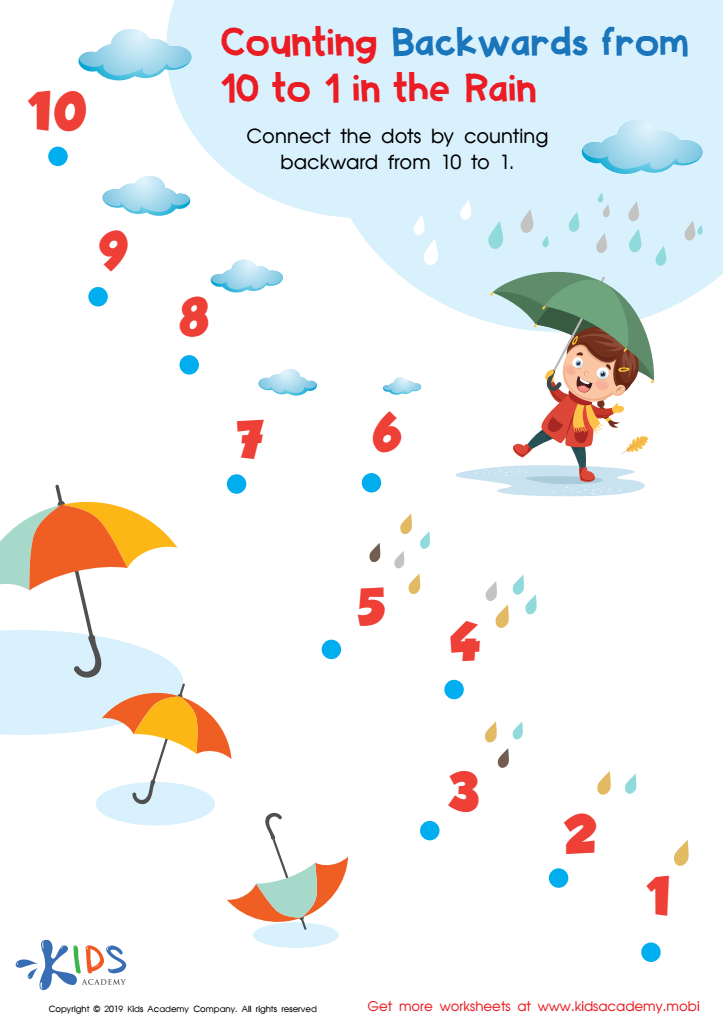
Counting Backwards from 10 to 1 in the Rain Worksheet






%20(1).jpg)

Sequencing skills are crucial for 5-year-olds as they lay the foundation for multiple aspects of learning and day-to-day functioning. At this pivotal age, children are rapidly developing cognitive abilities, and understanding sequences, especially with numbers, supports their overall intellectual growth.
For one, sequencing skills with easy numbers enhance mathematical understanding. Recognizing number patterns and practicing sequential order fosters early numeracy, making the transition to addition, subtraction, and more complex arithmetic smoother and less intimidating. It is through these early experiences that children gain confidence in handling numbers.
Moreover, sequencing is fundamental to literacy development. Many literacy activities, like story-telling or understanding the order of events in a narrative, rely on a child's ability to comprehend sequences. By mastering these skills early, children become better at following instructions, predicting outcomes, and comprehending stories, which are essential for reading and communication.
On a broader scale, sequencing helps in everyday life skills. It teaches children the logical progression of activities, such as getting dressed, following a recipe, or organizing tasks. This nurtures their independence and problem-solving skills.
Parents and teachers should prioritize sequencing skills in early education because these abilities provide a vital framework for future academic success and everyday competence, ensuring children are well-prepared for the challenges ahead.








