Comparing Fractions Easy Math Worksheets for Ages 6-9
3 filtered results
-
From - To
Discover our engaging "Comparing Fractions" easy math worksheets designed specifically for children ages 6-9! These resources make learning fractions fun and accessible, helping young learners develop essential math skills. Our worksheets feature colorful visuals and interactive activities that encourage hands-on exploration, making it easy to grasp the concept of comparing fractions. Suitable for both classroom and home use, these worksheets promote critical thinking and boost confidence in math. Download these exciting worksheets today and watch your child progress in their understanding of fractions while enjoying meaningful learning experiences! Perfect for parents and teachers alike, let's inspire a love for math in young minds!
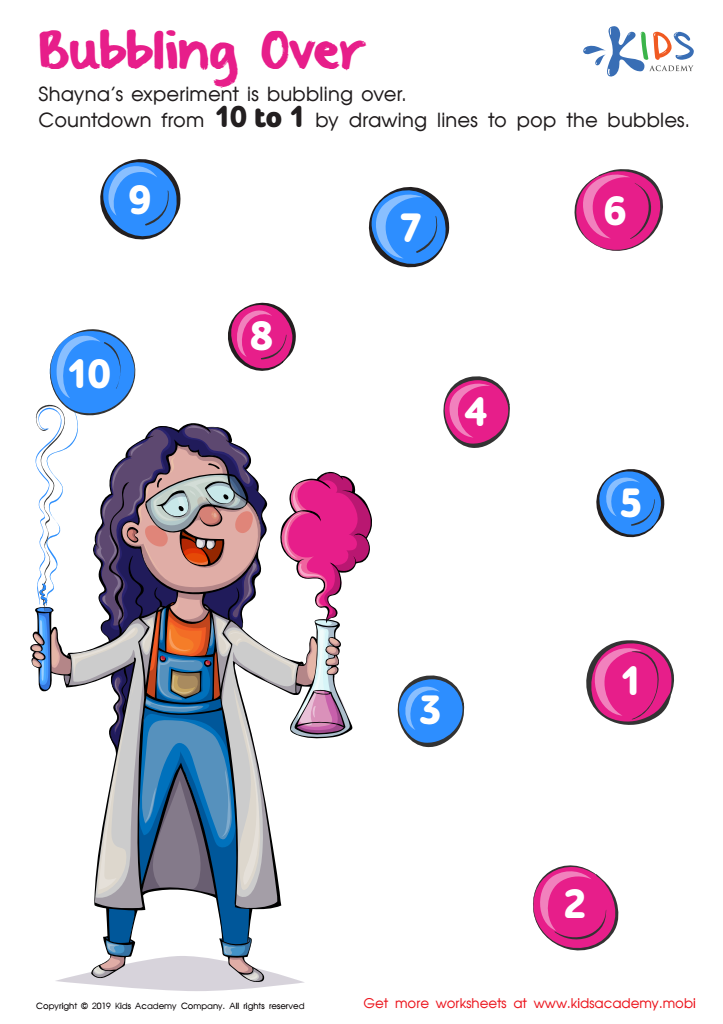
Bubbling Over Worksheet
 Assign to My Students
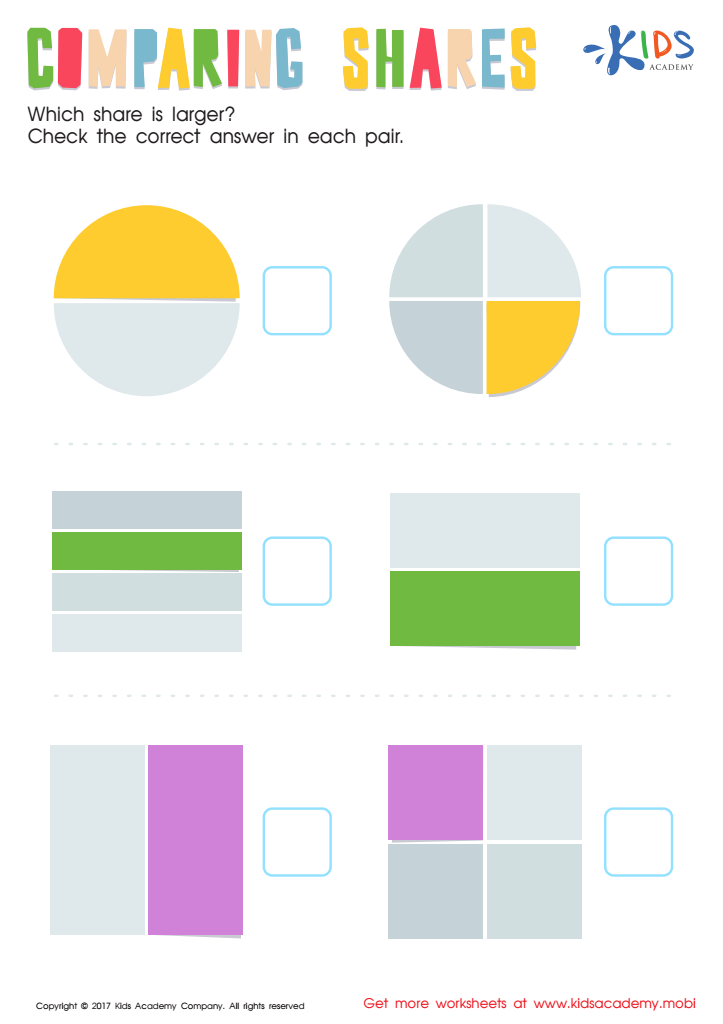
Comparing Shares Worksheet
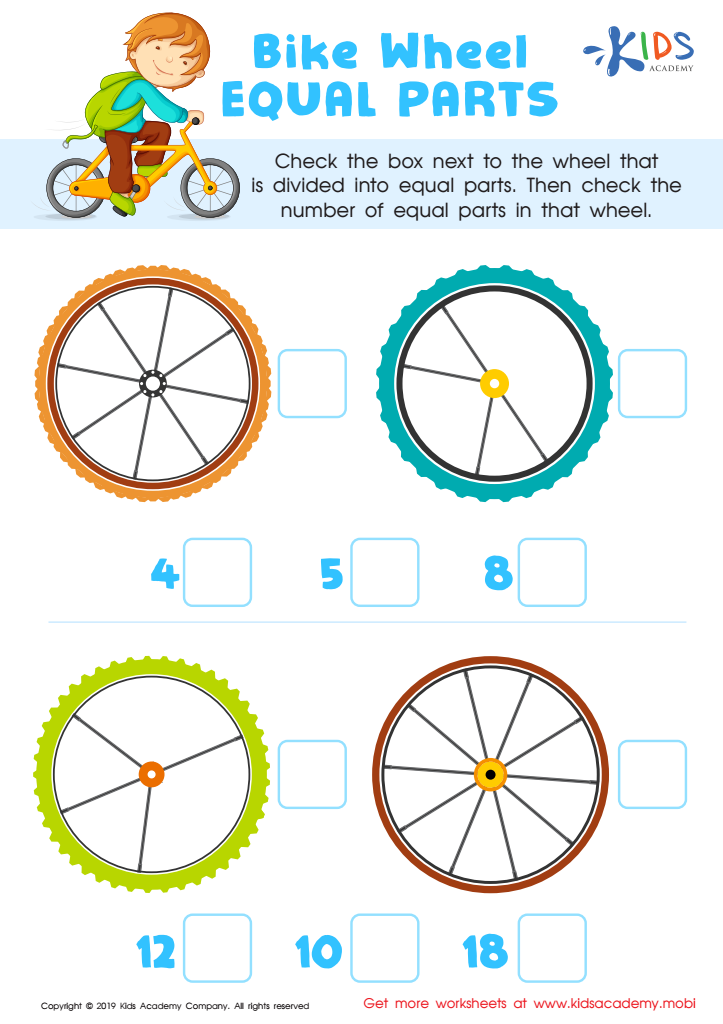
Bike Wheel Equal Parts Worksheet







Comparing fractions is a fundamental math skill that builds a strong foundation for future mathematical understanding. At ages 6-9, children are in a critical stage of cognitive development where they start to grasp abstract concepts. Understanding how to compare fractions helps them recognize relationships between numbers and enhances their number sense, which is crucial for more advanced math topics later on, such as addition, subtraction, and division of fractions.
For parents and teachers, fostering competence in comparing fractions encourages students to build confidence in their math abilities. This skill also promotes problem-solving and critical-thinking skills, as children learn to assess the size of fractions in real-life situations, such as measuring ingredients in cooking or dividing snacks among friends.
Moreover, this topic introduces the idea of non-whole numbers, helping children develop a more comprehensive understanding of the number system. By employing engaging methods such as visual aids, manipulatives, or games to teach comparing fractions, adults can enhance a child's learning experience and stimulate their interest in mathematics.
In summary, comparing fractions is essential not just for math skills but also for cultivating a positive attitude toward learning. Parents and teachers play key roles in nurturing these abilities during this important developmental stage.








