Understanding sequencing Easy Math Worksheets for Ages 6-9
3 filtered results
-
From - To
Discover the joy of learning with our "Understanding Sequencing Easy Math Worksheets" designed for children ages 6-9. These engaging, printable worksheets help young learners develop essential sequencing skills through fun math activities and exercises. By presenting concepts in a clear and interactive way, children will enhance their ability to recognize patterns, follow lists, and understand the order of operations. Ideal for classroom or home use, these worksheets are tailored to cater to young minds, ensuring they grasp mathematical foundations while enjoying their learning journey. Explore our collection today and watch your child's confidence in math flourish!
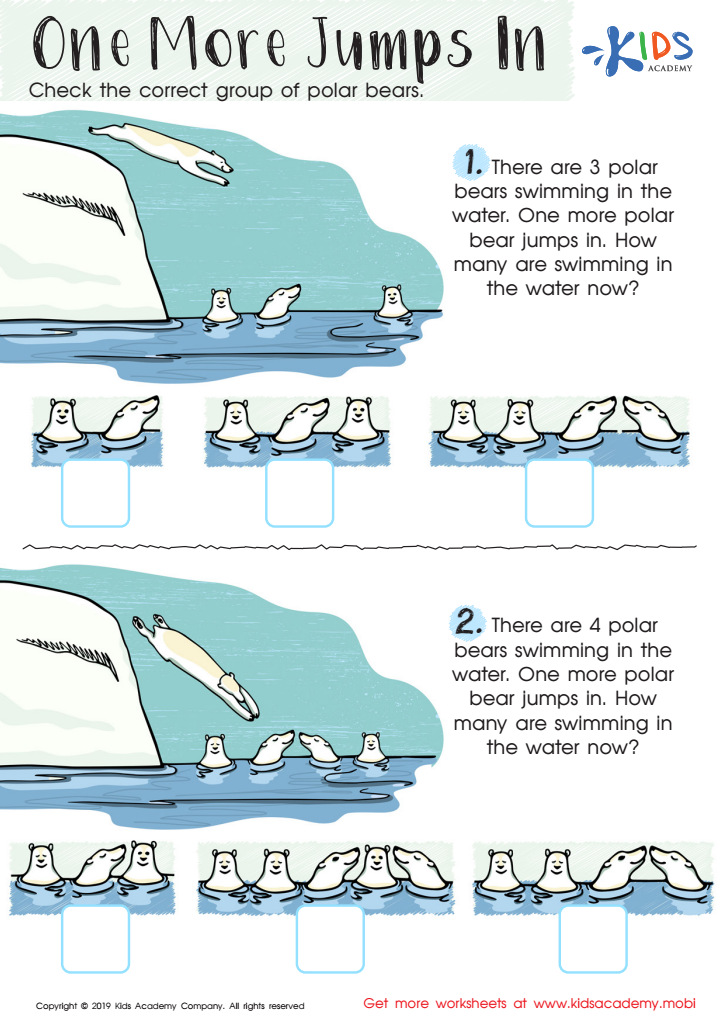
One More Jumps In Worksheet
 Assign to My Students
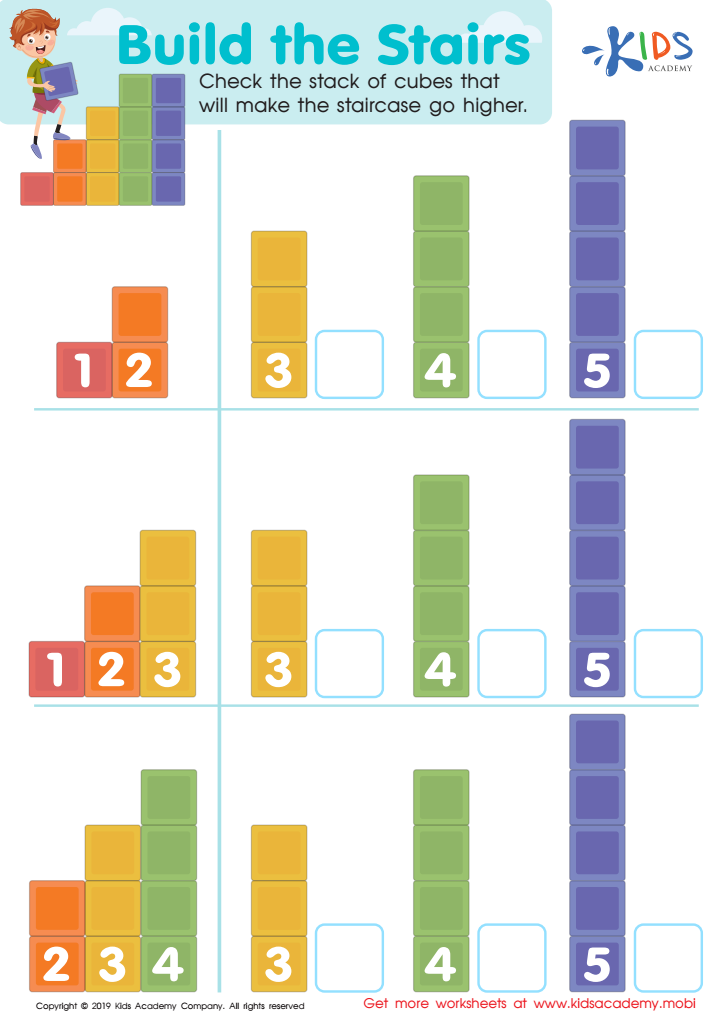
Build the Stairs Worksheet
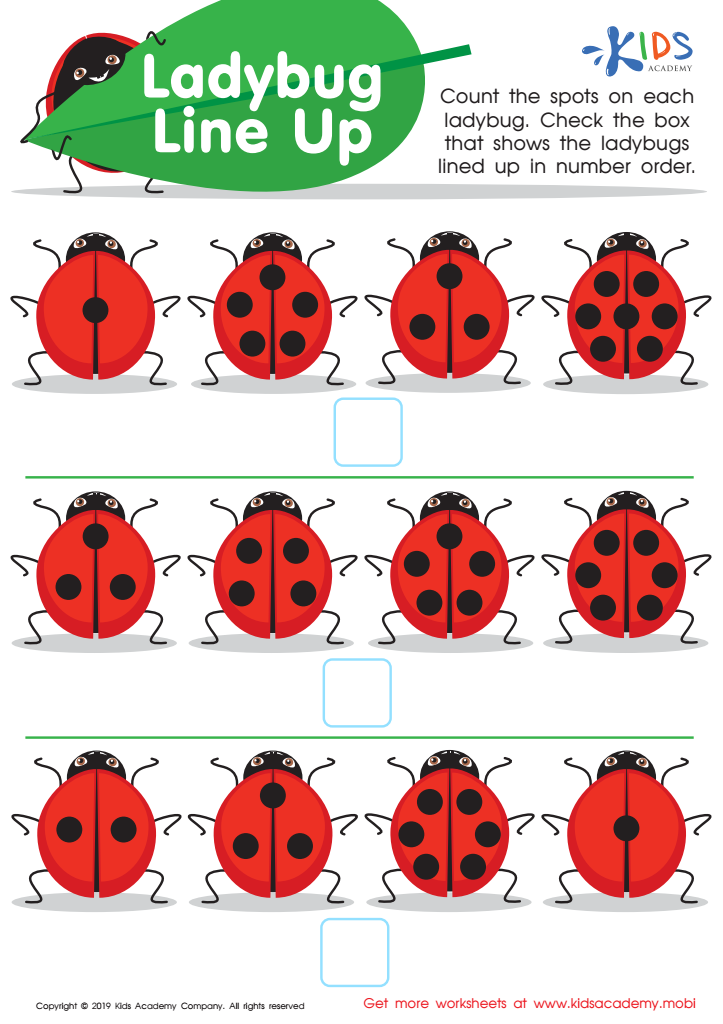
Ladybug Line Up Worksheet








Understanding sequencing in math is crucial for children aged 6-9, as it forms the foundation for more complex mathematical concepts. For parents and teachers, recognizing the importance of sequencing helps to foster deeper comprehension and problem-solving skills in young learners. Sequencing involves arranging numbers and operations in the correct order, which is essential not just in mathematics but also in daily life decisions and activities.
By mastering sequencing, children develop logical reasoning capabilities that enhance their ability to approach problems systematically. This skill is vital in understanding operations, such as addition and subtraction, where the order can significantly affect the outcome. Moreover, sequencing builds a child’s ability to follow multi-step instructions, critical for math puzzles and real-world situations, like cooking or construction tasks.
Ultimately, emphasizing sequencing in early math education goes beyond numerical understanding; it nurtures cognitive growth and cultivates essential life skills. By prioritizing this aspect of math education, parents and teachers can equip children with the tools to navigate challenges confidently and lay the groundwork for success in more advanced mathematics as they continue their educational journey. Engaging children in sequential activities also makes learning fun and interactive, fostering a positive attitude towards math.








