Reading comprehension Easy Numbers Worksheets for Ages 7-8
4 filtered results
-
From - To
Enhance your child's reading comprehension with our "Easy Numbers Worksheets" designed specifically for ages 7-8! These engaging and interactive worksheets focus on helping young learners develop essential skills while making learning fun. Each activity encourages kids to practice reading and understanding contextual math questions, fostering both literacy and numeracy in an enjoyable way. With vibrant illustrations and age-appropriate challenges, our worksheets ensure your child remains motivated and confident as they work through their exercises. Perfect for home or classroom use, these resources will help cultivate a strong foundation in reading comprehension and encourage a love for learning in early grades!
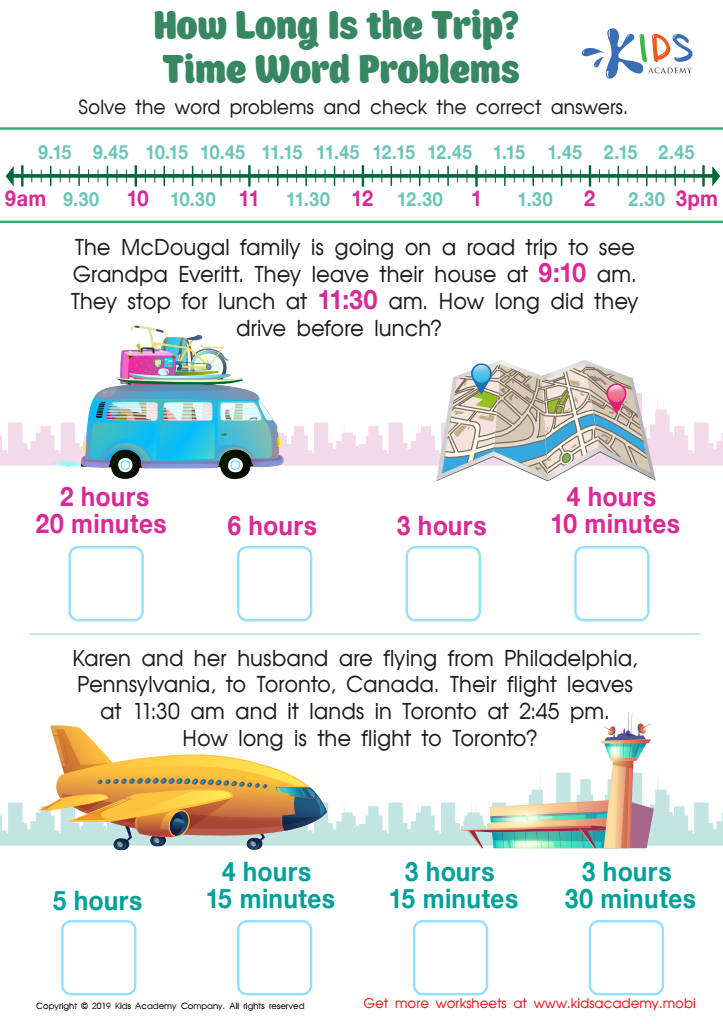
How long is the Trip? Time Word Problems Worksheet
 Assign to My Students
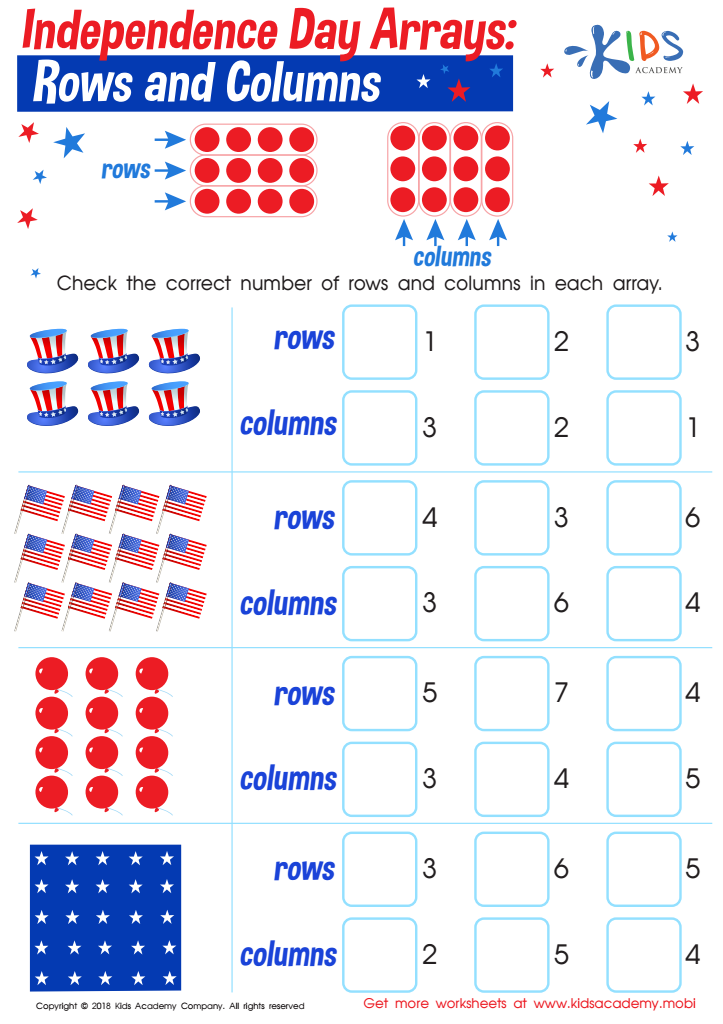
Independence Day Arrays: Rows and Columns Worksheet
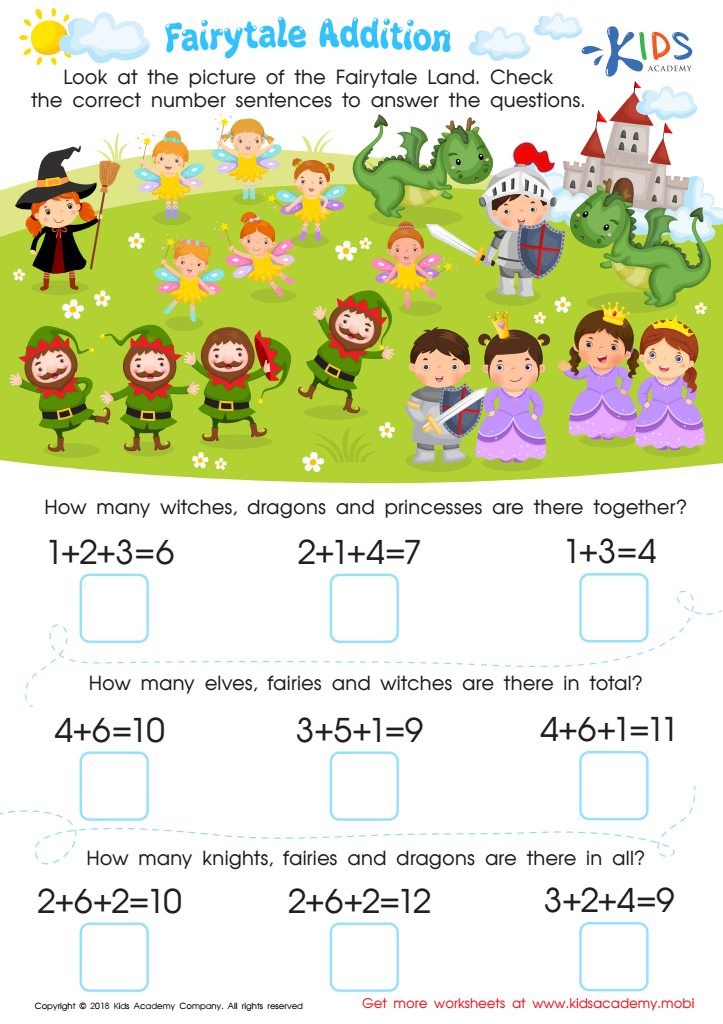
Fairytale Addition Worksheet
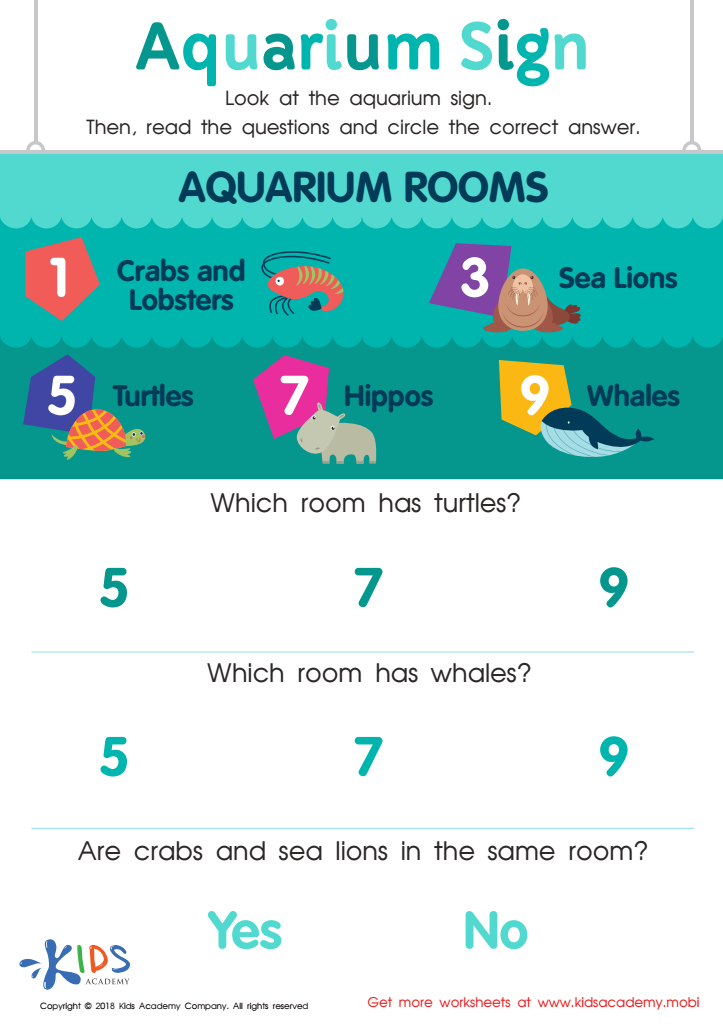
Assessment: Aquarium Sign Worksheet







%20(1).jpg)
Reading comprehension is critical for children ages 7-8 as it lays the foundation for their academic success and lifelong learning. At this age, children transition from learning to read, to reading to learn. Developing strong comprehension skills enhances their ability to understand and engage with various texts, whether in stories, science, or social studies.
Parents and teachers should particularly care about reading comprehension in relation to “Easy Numbers” content because these foundational math concepts often require reading skills to grasp. If children can effectively understand and interpret mathematical word problems, they'll be better equipped to solve them successfully. Furthermore, good comprehension skills help in critical thinking and application, which are essential for problem-solving in real-life situations.
Moreover, fostering reading comprehension at this stage cultivates a love for reading, helping children become lifelong readers and confident learners. Engaging children in discussions about texts can deepen their understanding and promote language development.
Involving parents in their child's reading journey can enhance their support system, reinforcing lessons learned in school. Ultimately, prioritizing reading comprehension not only boosts academic performance but also empowers children to explore and make sense of the world around them.








