Writing practice Easy Letter Recognition Worksheets for Ages 8-9
3 filtered results
-
From - To
Discover an engaging and effective way for children to enhance their letter recognition skills with our "Writing Practice Easy Letter Recognition Worksheets for Ages 8-9." These worksheets are thoughtfully designed to help children reinforce their knowledge of the alphabet while developing essential writing abilities. Each worksheet provides a fun, hands-on approach to learning, making it easier for kids to remember and recognize letters. Perfect for classroom or home use, these activities will boost your child's confidence in reading and writing. Download now and watch your child's literacy skills soar to new heights!
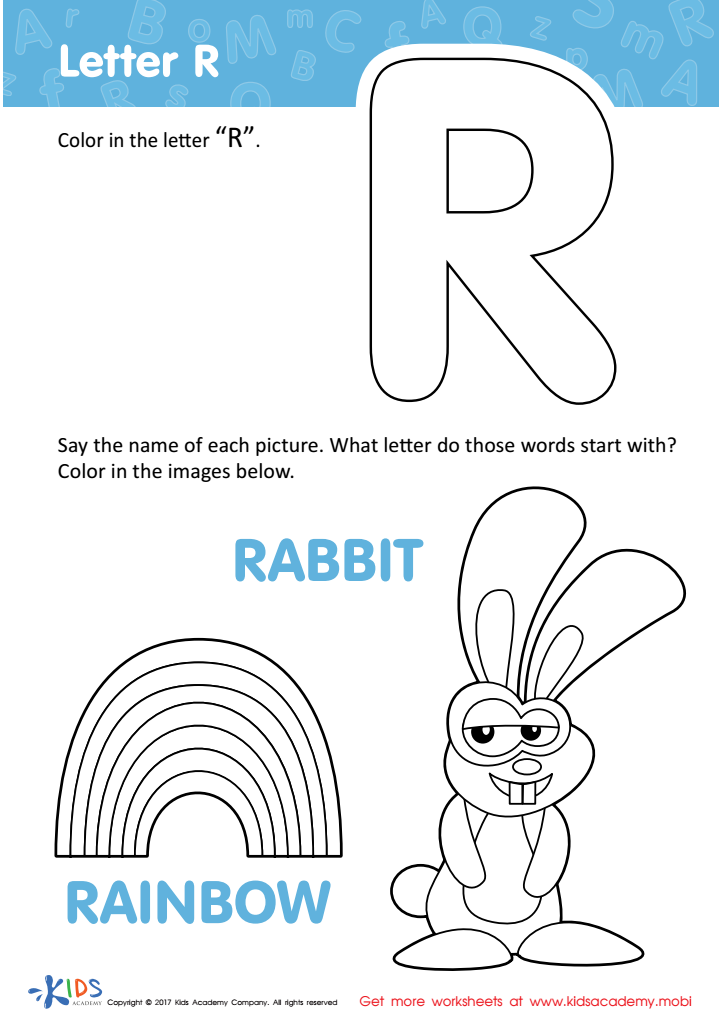
Letter R Coloring Sheet
 Assign to My Students
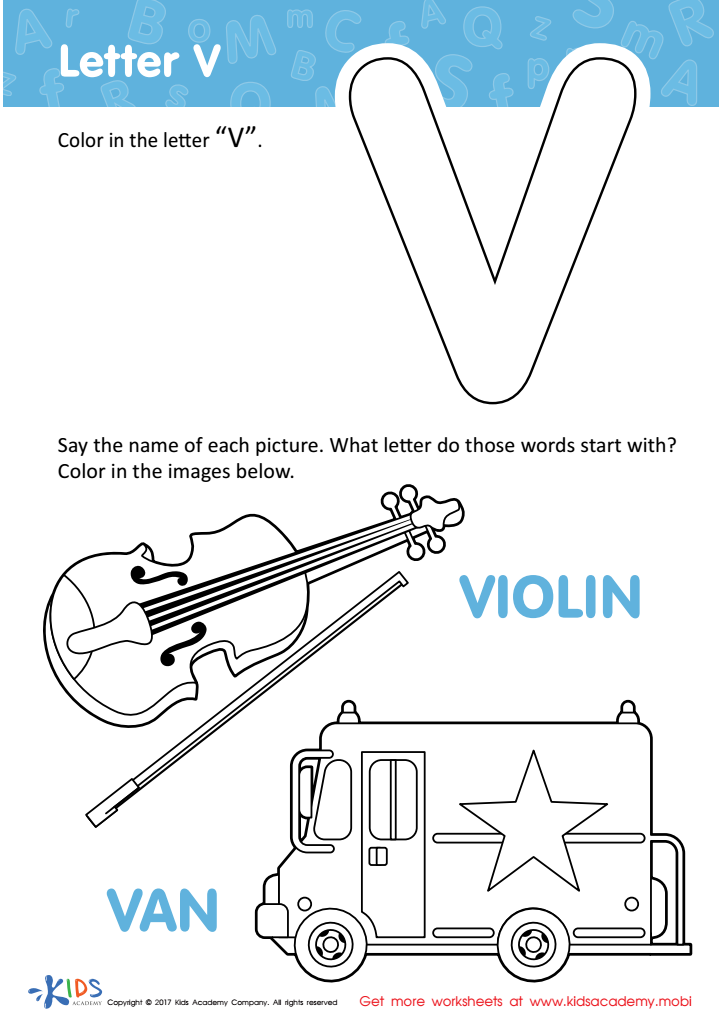
Letter V Coloring Sheet
Assign to My Students
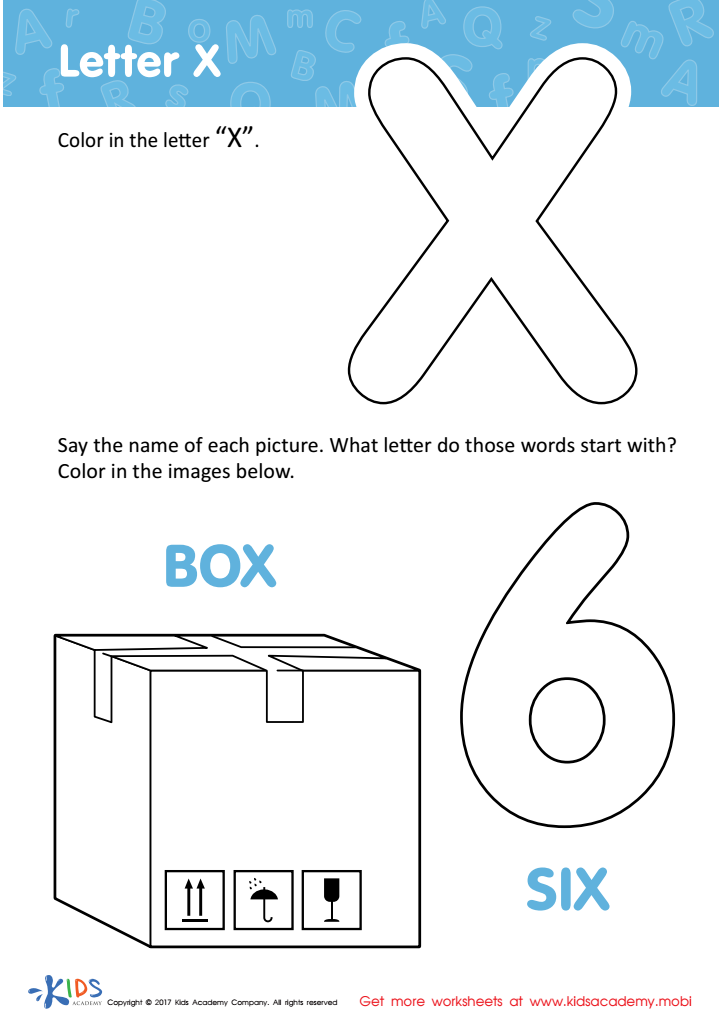
Letter X Coloring Sheet
Assign to My Students








Writing practice, which incorporates easy letter recognition, is crucial for children aged 8-9 because it lays the foundation for effective communication and academic success. At this developmental stage, children are transitioning from the early stages of literacy to more advanced reading and writing skills. Ensuring they can easily recognize and correctly write letters boosts their confidence and competence in composing words and sentences.
First, strong letter recognition skills are directly linked to reading fluency. Children who can quickly and accurately identify letters tend to read faster and with better comprehension. This competency opens doors to a world of information and learning, making it easier for them to grasp more complex concepts across subjects.
Second, effective writing practices reinforce good handwriting habits. Handwriting that is neat and legible helps avoid confusion, ensuring that their written work is easier for others to read and evaluate. Good handwriting skills cultivated early can prevent future issues like dysgraphia, a neurological disorder that affects handwriting and fine motor skills.
Finally, mastering writing and letter recognition builds cognitive and motor skills. Children develop fine motor control through the physical act of writing, which benefits other areas such as coordination and task execution.
In conclusion, focusing on writing practice and letter recognition enables children to grow into skilled readers and writers, fostering lifelong learning and academic achievement.