Writing practice Easy Letter Recognition Worksheets for 8-Year-Olds
3 filtered results
-
From - To
Foster your child's writing and literacy skills with our easy letter recognition worksheets designed specifically for 8-year-olds. These engaging activities provide perfect practice opportunities to enhance both writing and alphabet knowledge. Each worksheet combines fun with learning, making it easier for children to recognize and confidently form letters. Ideal for both in-class and at-home learning, our worksheets support the development of fundamental writing skills while cultivating a love for literacy. Download Kids Academy’s writing practice worksheets today and set your child on the path to reading and writing success!
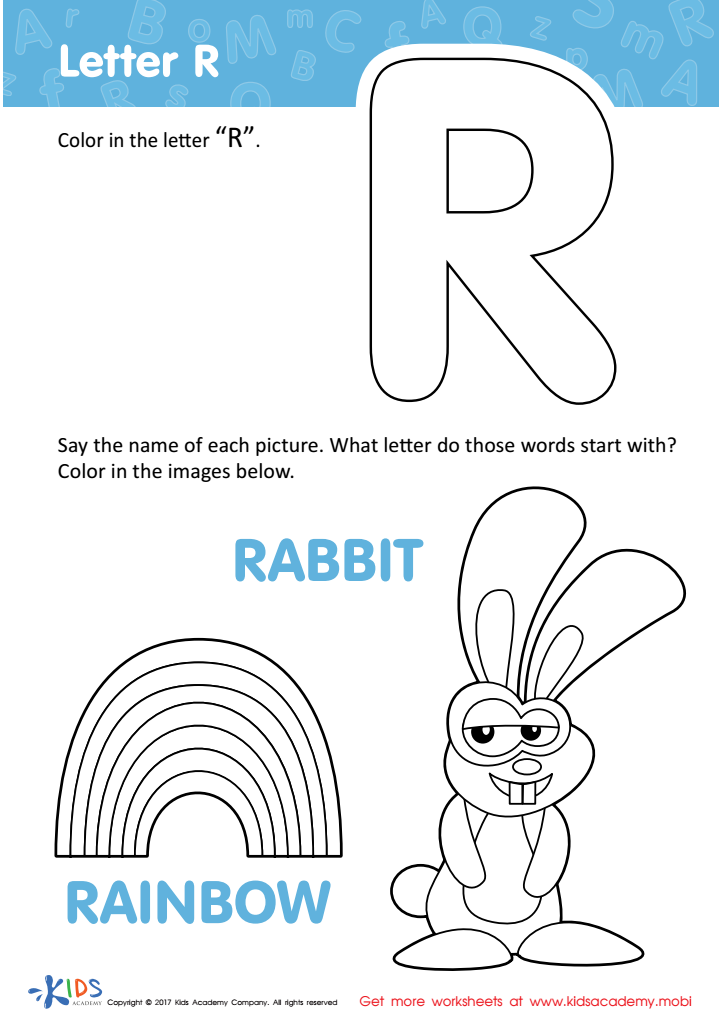
Letter R Coloring Sheet
 Assign to My Students
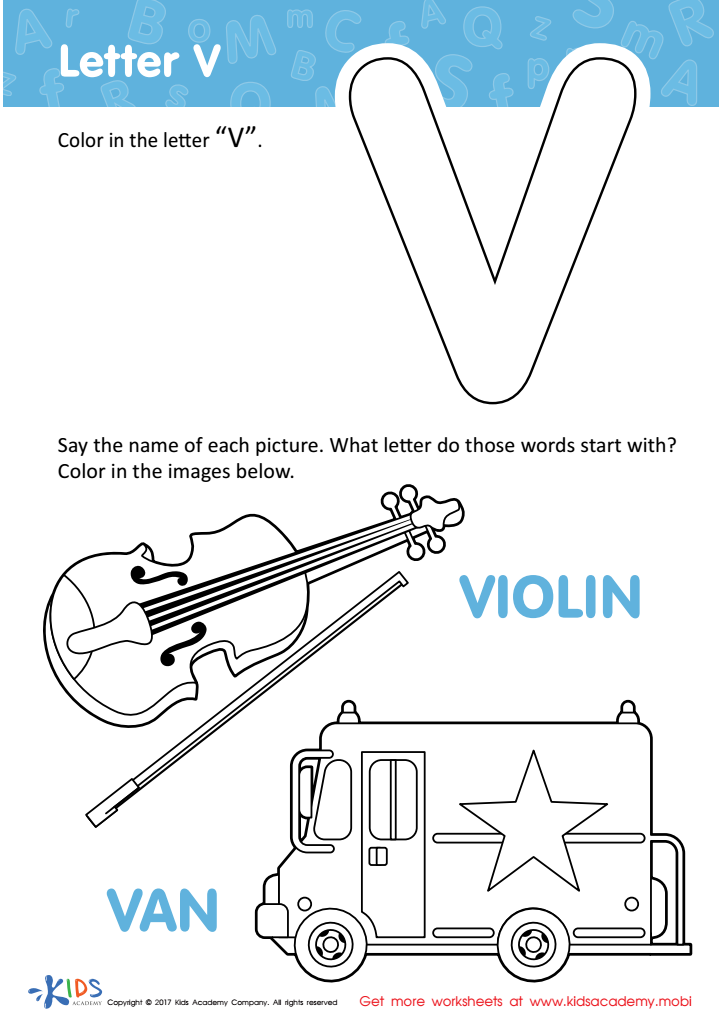
Letter V Coloring Sheet
Assign to My Students
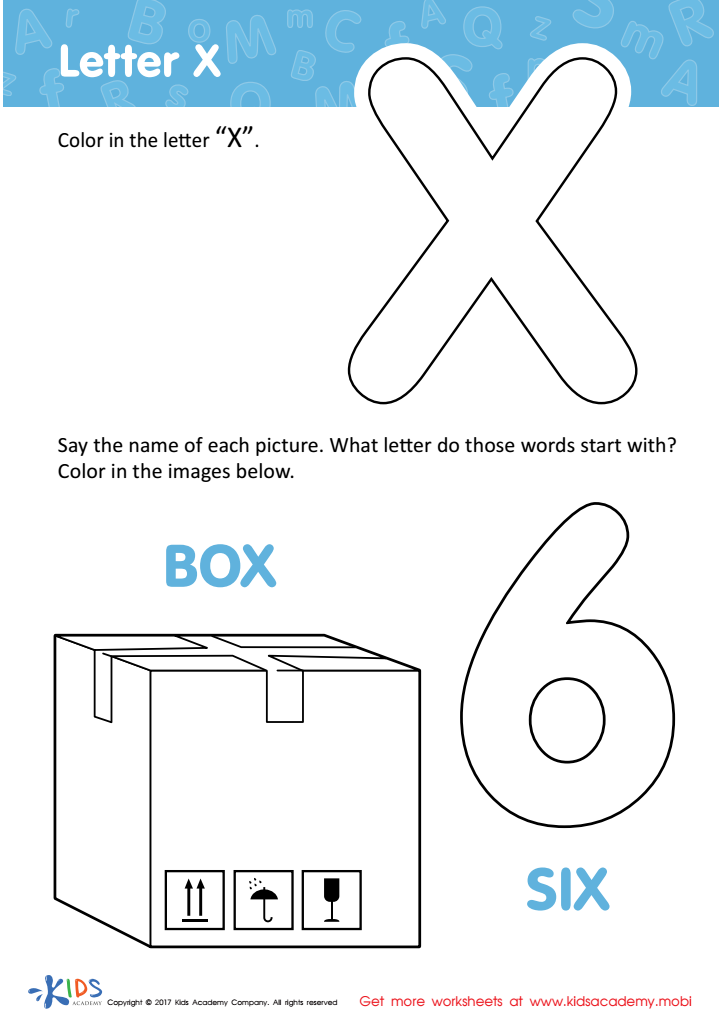
Letter X Coloring Sheet
Assign to My Students








Parents and teachers should prioritize writing practice and easy letter recognition for 8-year-olds because these foundational skills are crucial for children's overall literacy development. At this age, children transition from learning to read to reading to learn, meaning that solid writing and letter recognition skills are vital for their academic success.
Writing practice helps children develop fine motor skills and hand-eye coordination, which are important for performing many everyday tasks. As kids practice forming letters and words, they also improve their ability to express ideas clearly and coherently, boosting both their written and verbal communication skills.
Easy letter recognition ensures that children can quickly and accurately identify each letter of the alphabet, which underpins their ability to decode words—a key component in reading proficiency. When children can recognize and write letters effortlessly, they can focus more on comprehension and less on the mechanical aspects of reading and writing. This fluency contributes to greater confidence and motivation to engage with written materials.
By instilling these fundamental skills early on, parents and teachers set the stage for successful reading and writing experiences throughout a child's academic journey, making these early efforts invaluable for long-term educational development.