Problem-Solving Skills Easy Addition and Subtraction Word Problems Worksheets for 8-Year-Olds
7 filtered results
-
From - To
Jumpstart your 8-year-old's math journey with our "Problem-Solving Skills Easy Addition and Subtraction Word Problems Worksheets." These engaging worksheets are designed to make problem-solving fun and accessible, helping young learners grasp fundamental math concepts with ease. Each worksheet provides thought-provoking scenarios that encourage children to apply their addition and subtraction skills, enhancing their critical thinking and analytical abilities. Perfect for both classroom and home use, our worksheets are tailored to meet the educational needs of budding mathematicians, paving the way for more advanced mathematical exploration. Turn everyday math struggles into victories with our creative and interactive problem-solving exercises.
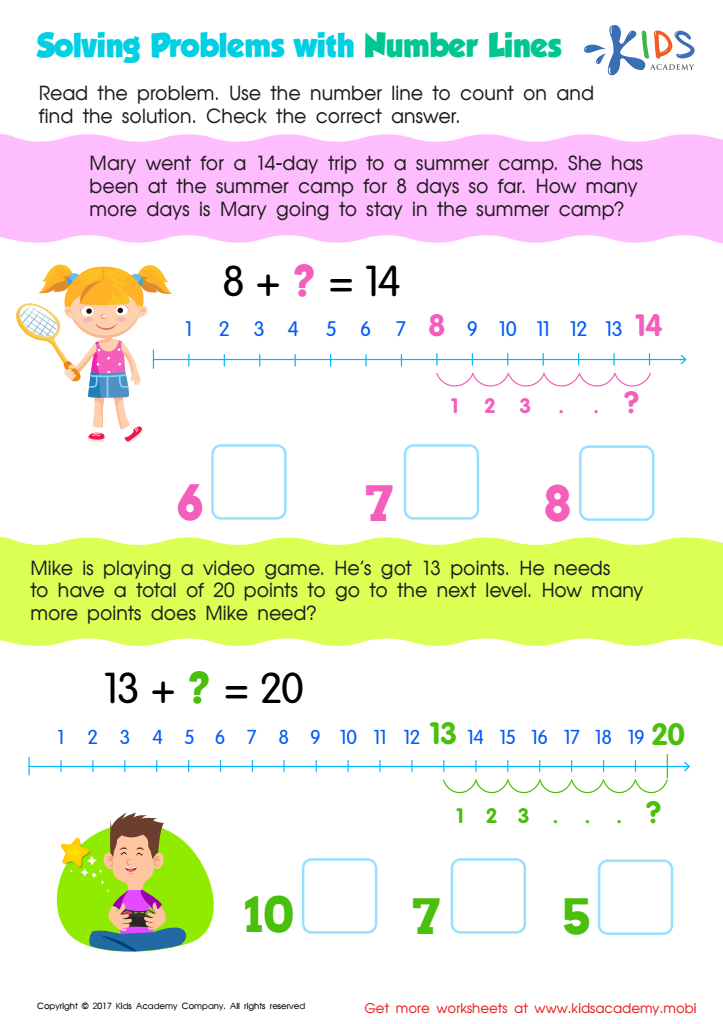
Solving Problems: Number Lines Worksheet
 Assign to My Students
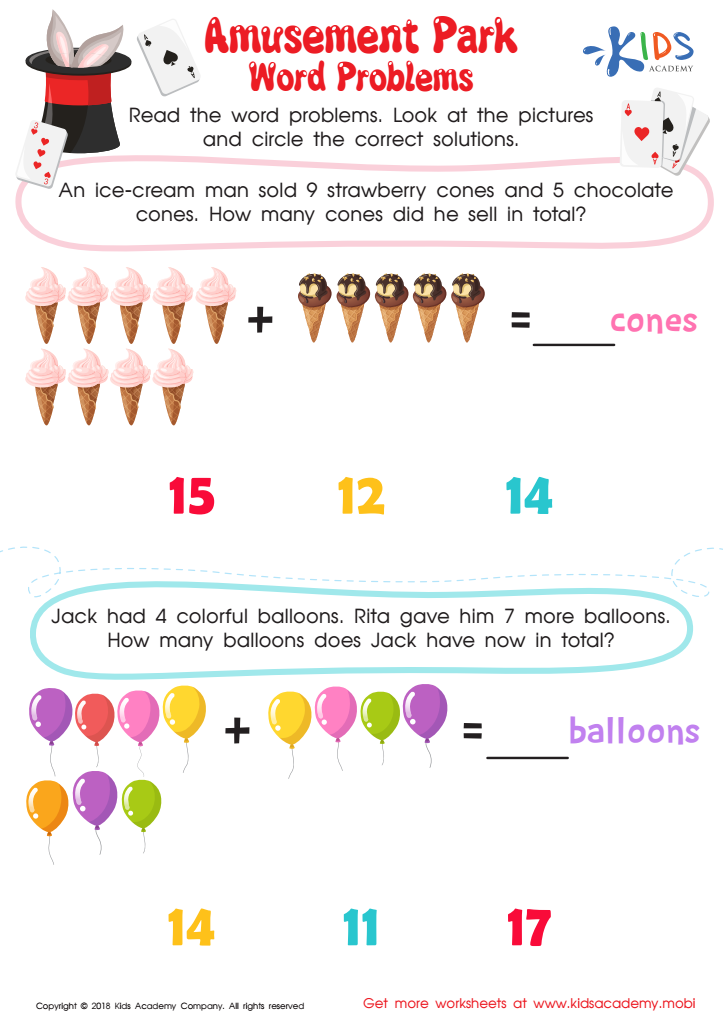
Amusement Park Word Problems Worksheet
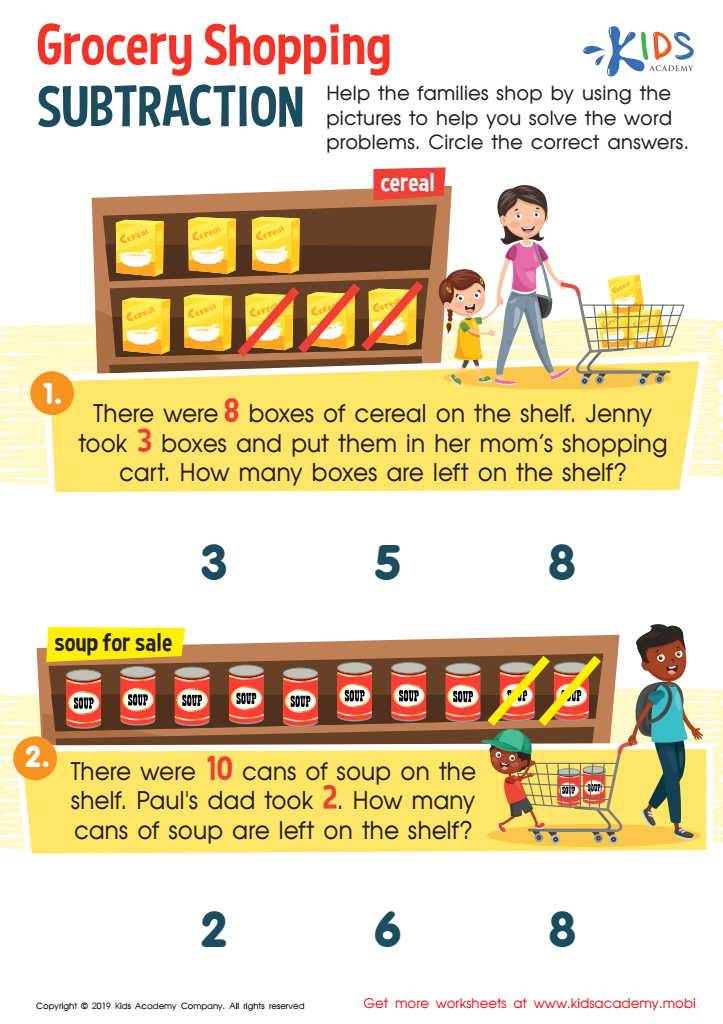
Grocery Shopping Subtraction Worksheet
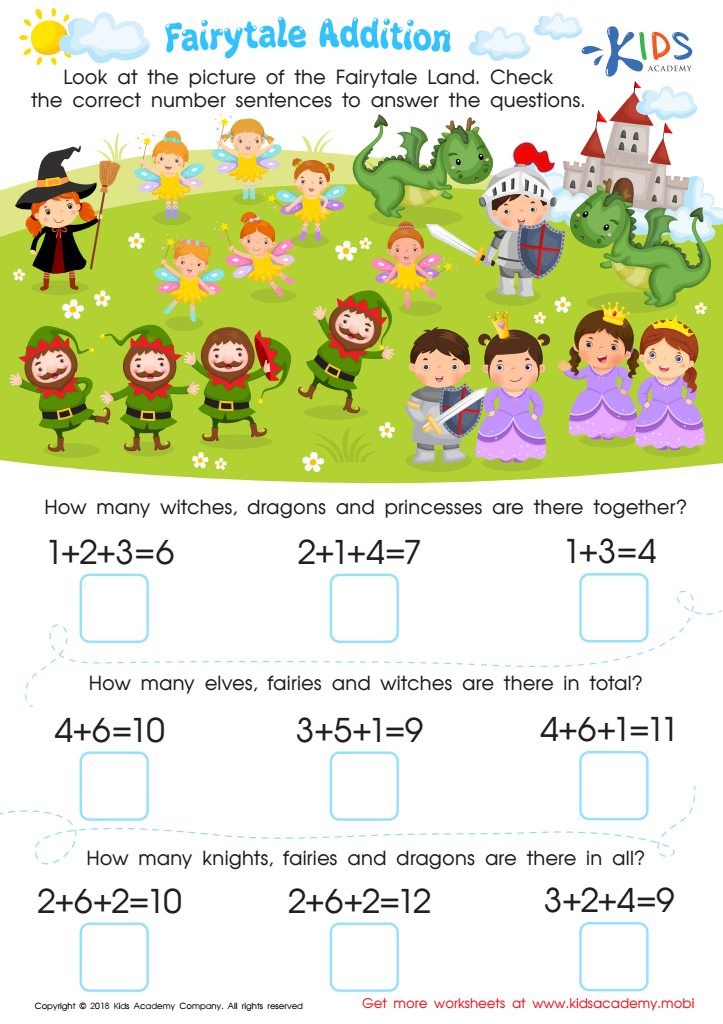
Fairytale Addition Worksheet
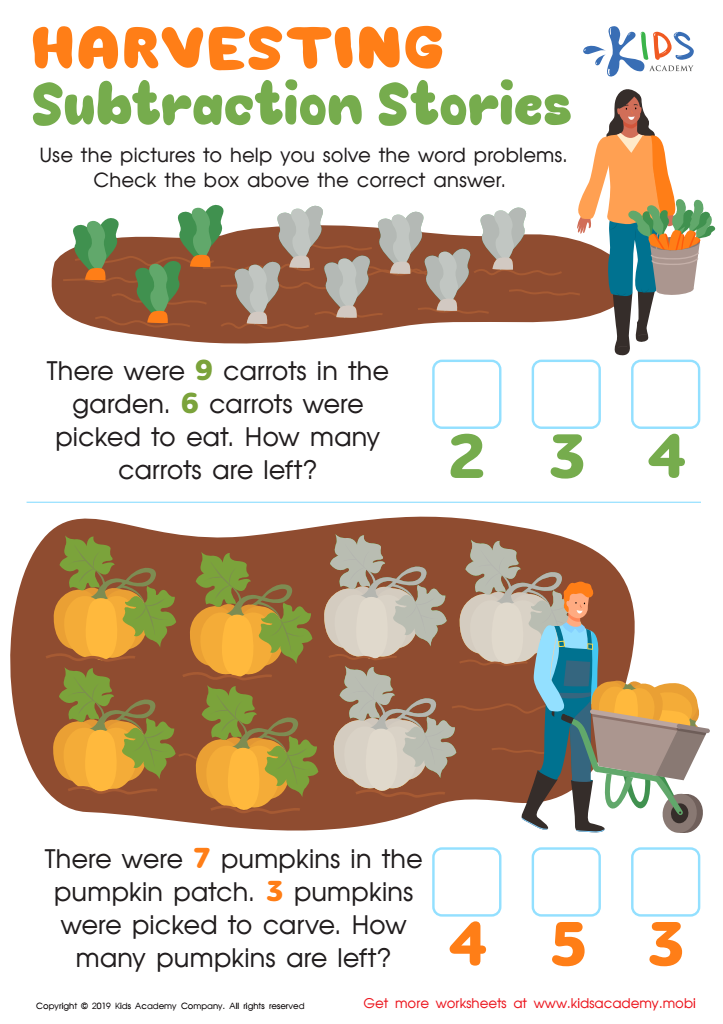
Harvesting Subtraction Stories Worksheet
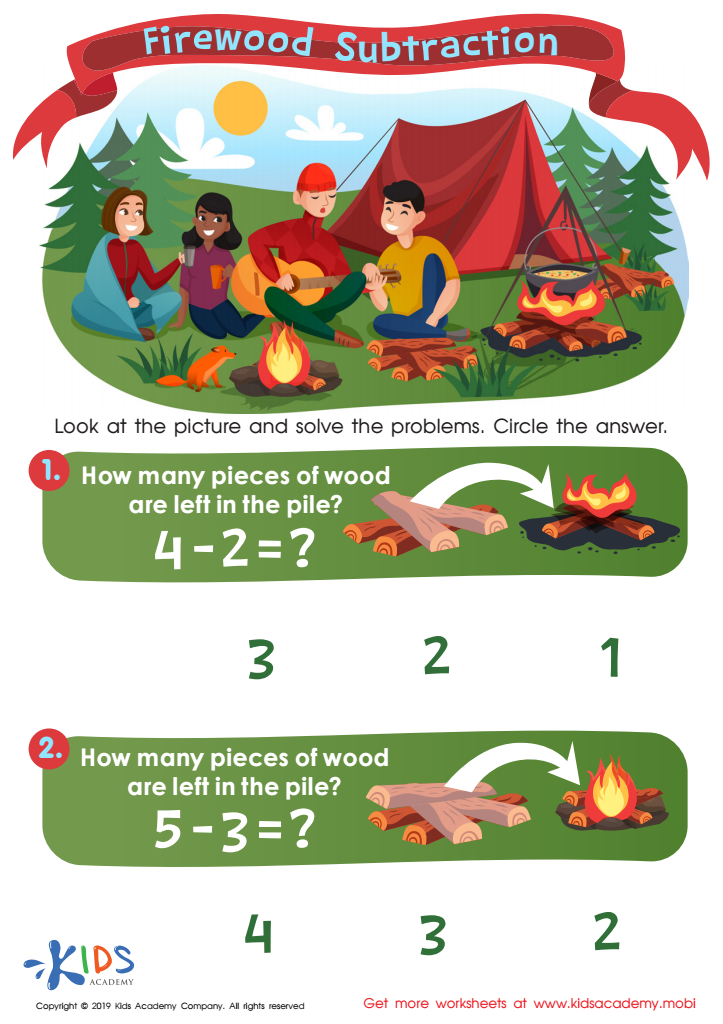
Firewood Subtraction Worksheet
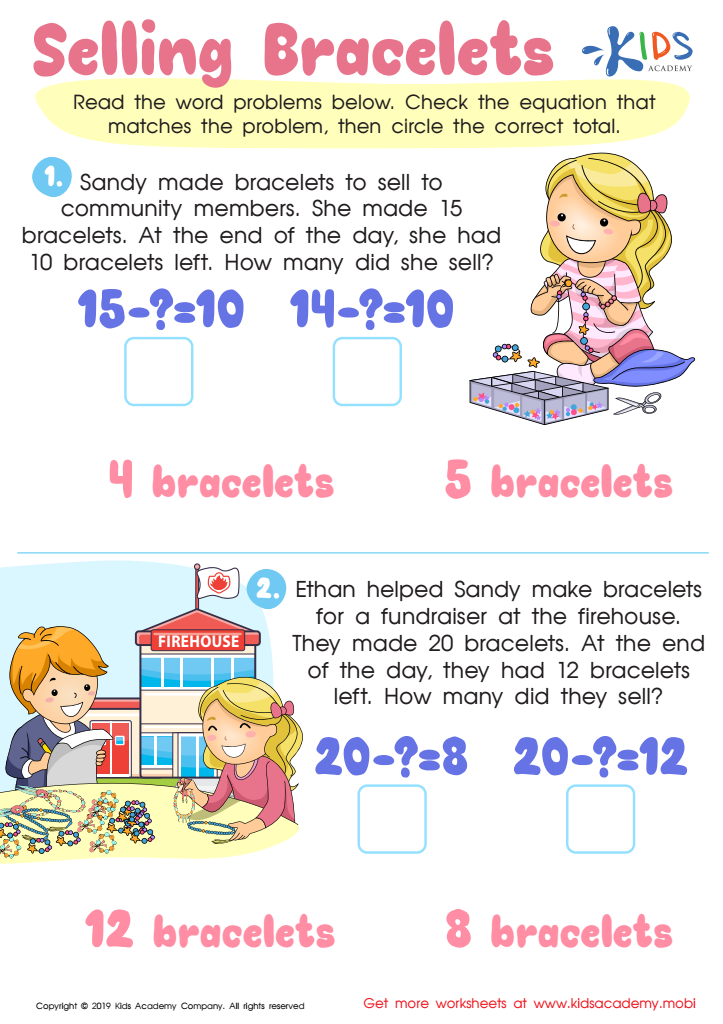
Selling the Bracelets Worksheet








Fostering problem-solving skills through easy addition and subtraction word problems is crucial for 8-year-olds as it lays a foundational stone for their overall cognitive development and practical daily living. At this age, children are at a pivotal point in their learning journey where they start to make sense of numbers and basic arithmetic. Word problems transform abstract math concepts into concrete scenarios, thereby enhancing comprehension and retention.
Engaging with these word problems hones critical thinking and analytical skills, as children must decipher the narrative, identify relevant information, and decide on mathematical operations to arrive at a solution. These mental exercises promote logical reasoning and systematic approach, essential traits for higher-level math and diverse real-world problem-solving.
Moreover, early and frequent practice in problem-solving empowers children with confidence and competence in tackling academic challenges. It fosters a growth mindset, encouraging resilience and persistence, as kids learn that struggle can be a productive part of learning. Teachers and parents supporting this endeavor enrich a child's educational experience, making math enjoyable and relatable. Additionally, solving word problems together can be a valuable bonding activity, further motivating the child through positive reinforcement and shared accomplishments. Investing time in cultivating these skills helps ensure well-rounded intellectual and emotional development.