Writing practice Easy Letter Recognition Worksheets for 9-Year-Olds
3 filtered results
-
From - To
Enhance your child’s writing skills with our easy letter recognition worksheets designed for 9-year-olds. These engaging printables help kids develop essential handwriting techniques while reinforcing their understanding of the alphabet. Each worksheet features fun activities, including tracing, matching, and filling in letters, ensuring that children gain confidence in their writing abilities. Tailored specifically for young learners, our resources make the process enjoyable, promoting a love for writing and learning. Ideal for home or classroom use, these worksheets are perfect for reinforcing letter recognition in a creative way. Start today and watch your child excel in their writing practice!
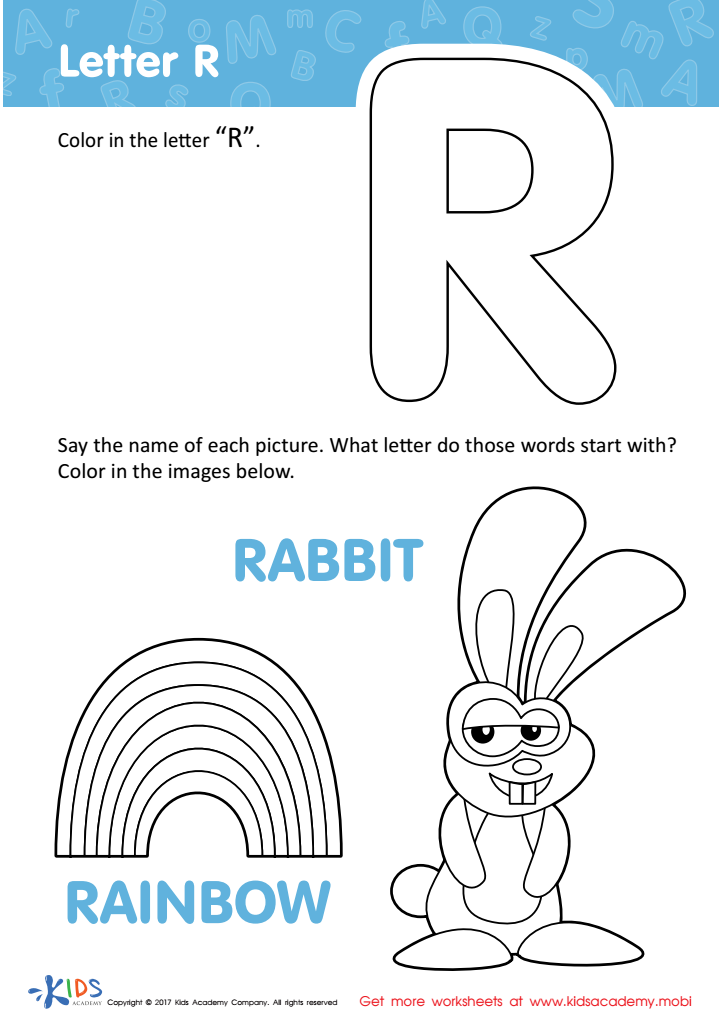
Letter R Coloring Sheet
 Assign to My Students
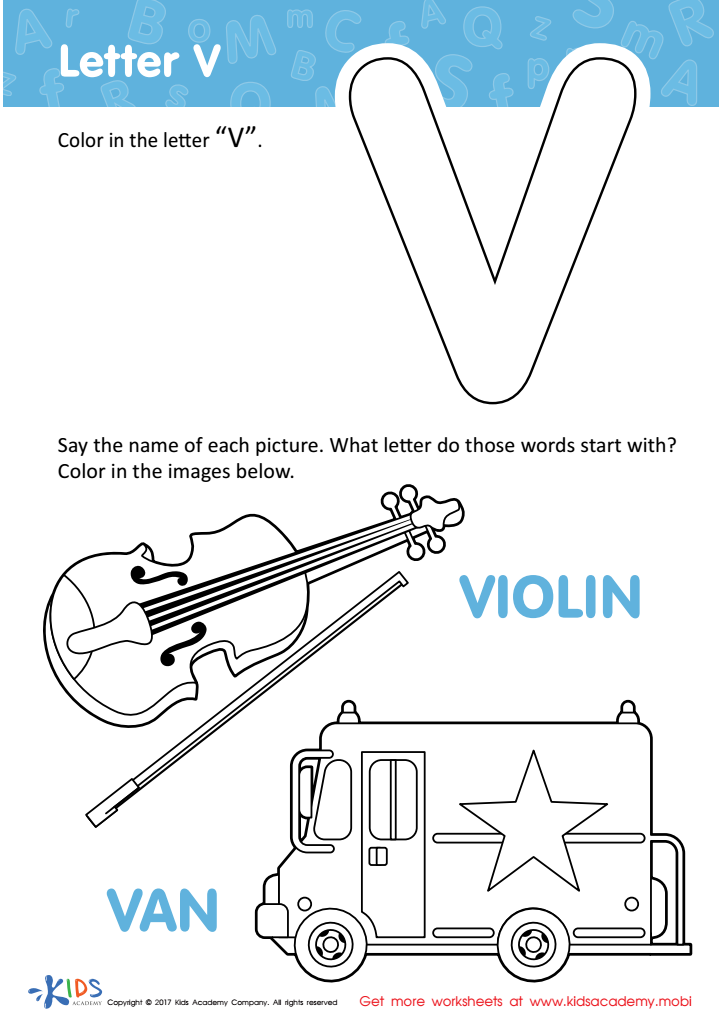
Letter V Coloring Sheet
Assign to My Students
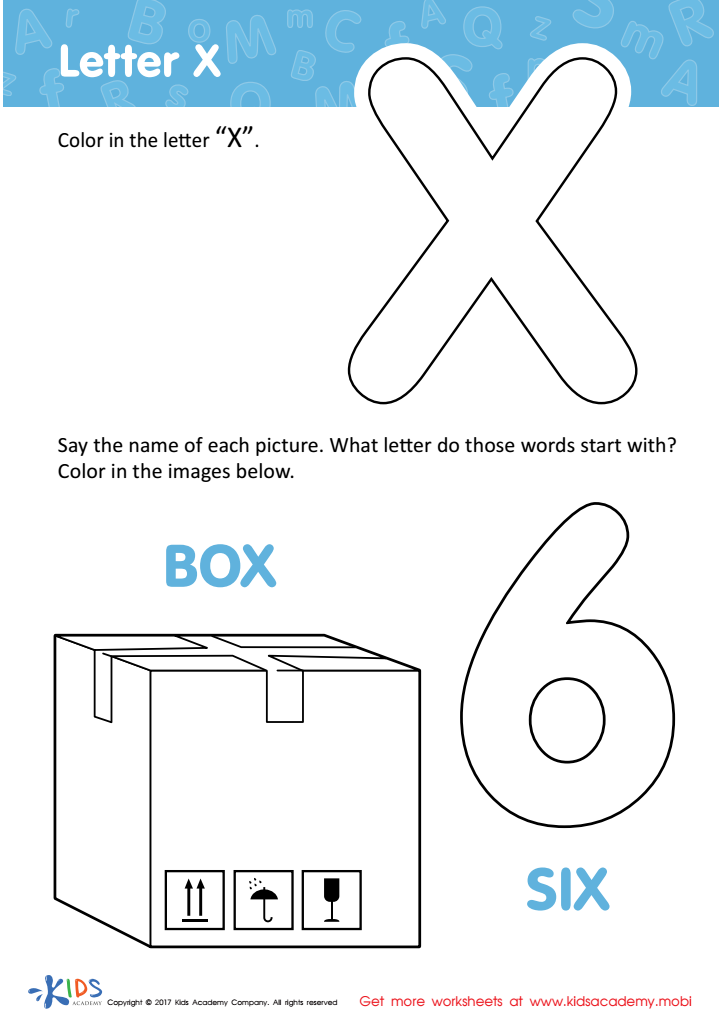
Letter X Coloring Sheet
Assign to My Students








Parents and teachers should care about writing practice and easy letter recognition for 9-year-olds because these foundational skills are crucial for lifelong learning and communication. At this age, children are refining their literacy skills, which are essential for academic success across subjects. Writing practice helps improve spelling, grammar, and sentence structure, enabling children to express their thoughts clearly and creatively.
Easy letter recognition is equally important, as it supports reading fluency. By recognizing letters quickly and accurately, children can decode words more efficiently, enhancing their reading comprehension. Furthermore, strong reading and writing skills foster confidence and curiosity, encouraging a love for learning.
Additionally, writing and letter recognition activities can be tailored to be engaging and fun, using games or creative prompts to make the process enjoyable. By emphasizing these skills, parents and teachers create a nurturing environment that builds a child's intellectual foundation and self-esteem. Supporting writing practice and letter recognition ultimately paves the way for better communication skills, critical thinking, and academic achievement, allowing children to express themselves effectively in an increasingly complex world. Investing in these early literacy skills is investing in a child's future success.