Color recognition Easy Grade 1 Building Vocabulary Worksheets
6 filtered results
-
From - To
Welcome to our Color Recognition Easy Grade 1 Building Vocabulary Worksheets! Designed specifically for young learners, these engaging worksheets help first graders develop essential color recognition skills while expanding their vocabulary. Each worksheet features colorful visuals and interactive activities that make learning fun and effective. Students will complete exercises that encourage them to identify, name, and associate various colors with everyday objects. Perfect for both classroom and at-home learning, our worksheets foster independent thinking and boost confidence in early learners. Empower your child’s language development and creative skills today with our vibrant resources that inspire a love for learning!
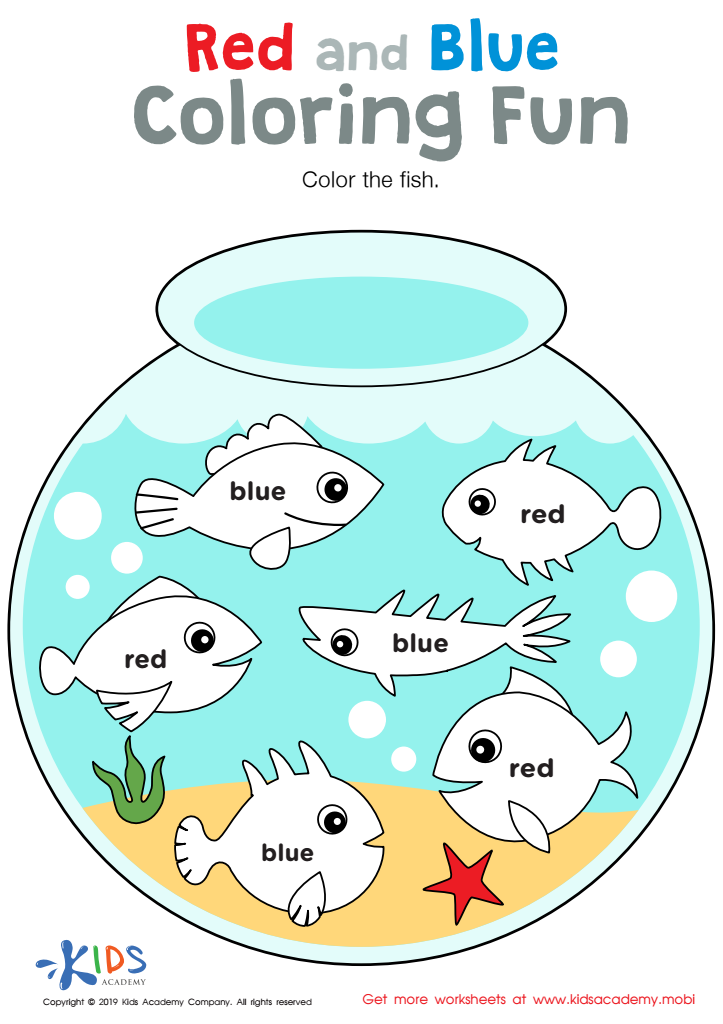
Red and Blue Coloring Fun Worksheet
 Assign to My Students









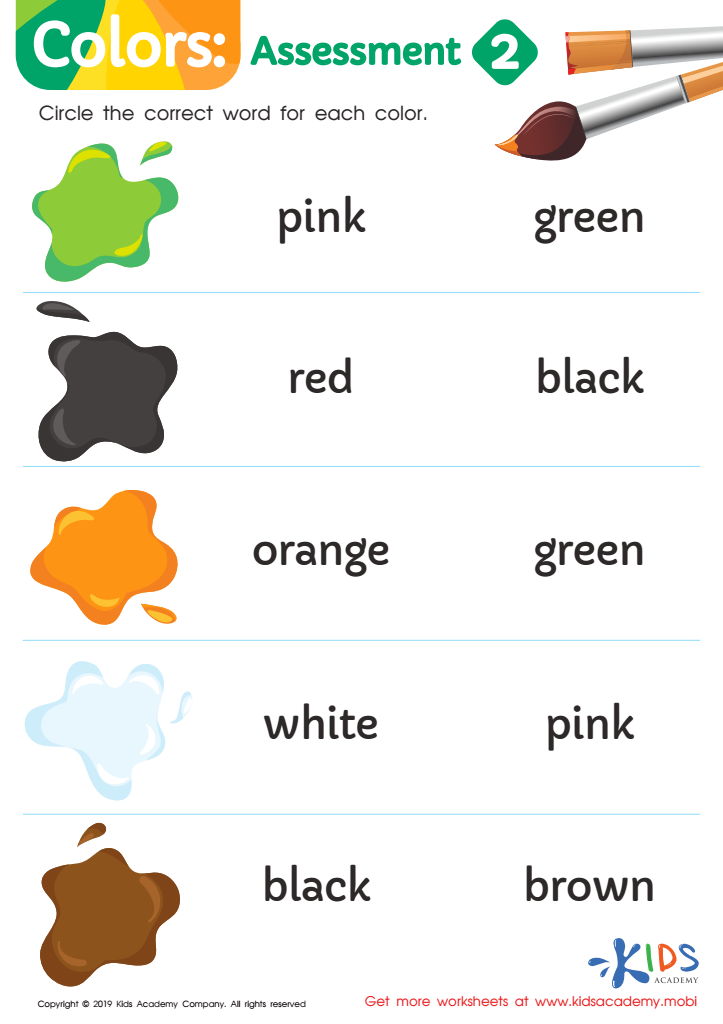
Colors: Assessment 2 Worksheet
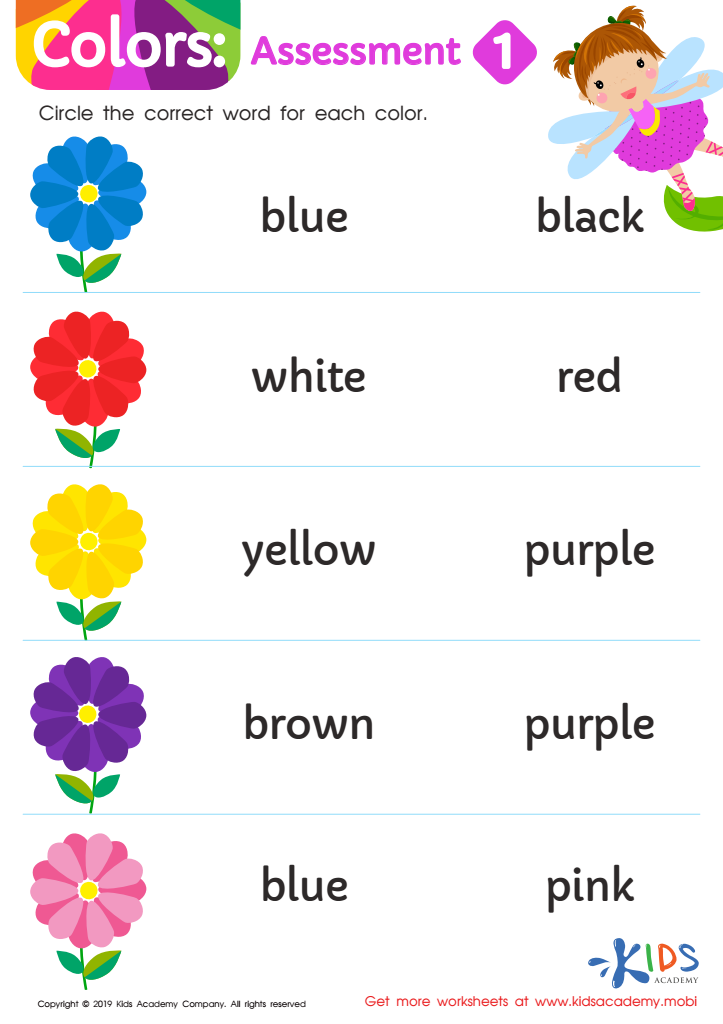
Colors: Assessment 1 Worksheet
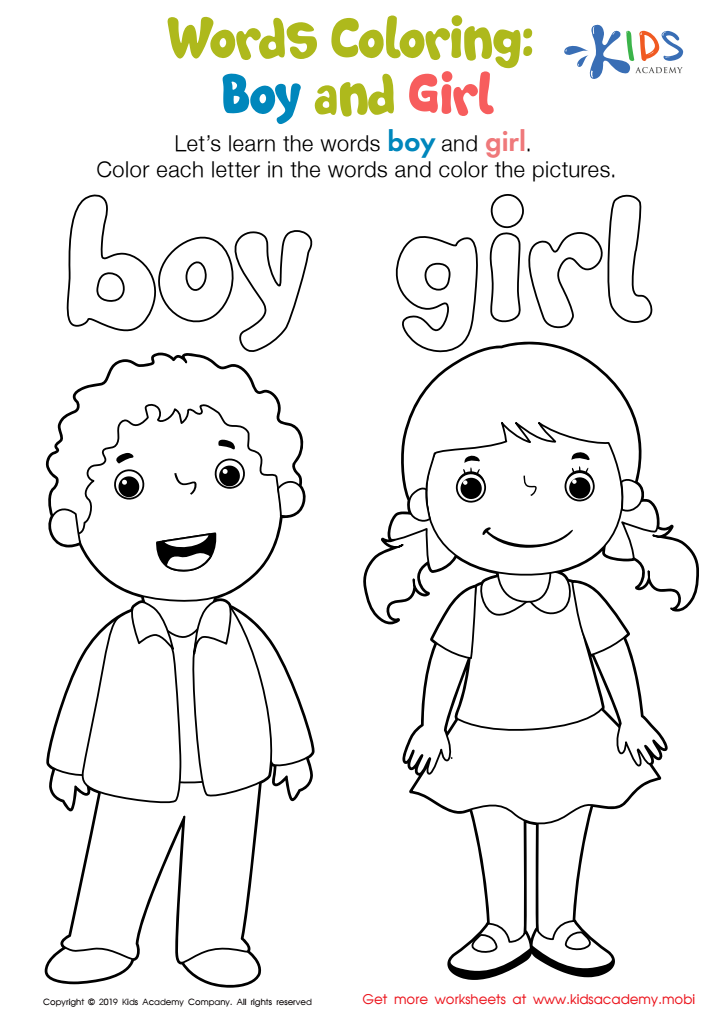
Boy and Girl Words Coloring Worksheet
Assign to My Students
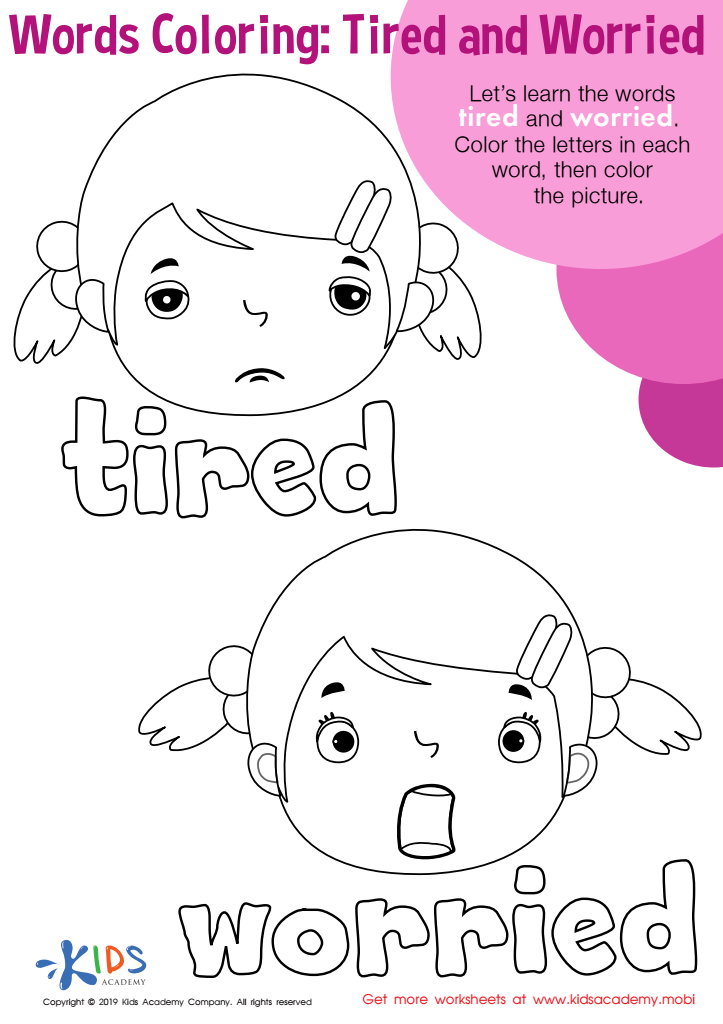
Tired and Worried Words Coloring Worksheet
Assign to My Students
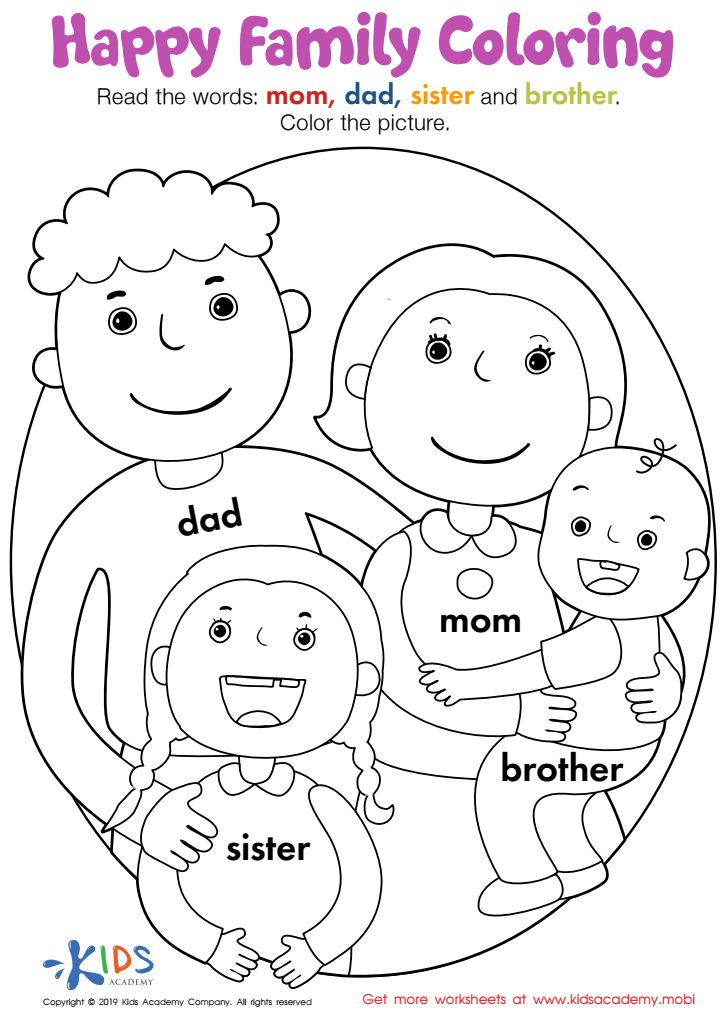
Happy Family Coloring Worksheet
Assign to My Students








Color recognition is a foundational skill essential for early childhood development and learning. For Grade 1 students, mastering color identification helps in building vocabulary and enhances cognitive abilities. When children learn to recognize and name colors, they gain the ability to communicate their observations and experiences more effectively, allowing them to express themselves creatively.
Moreover, colors are prevalent in everyday life and serve as critical context in various subjects, from art and science to math and nature studies. Understanding colors assists with categorization and differentiation, which are key components of critical thinking. When children can group objects by color, they begin to recognize patterns, a skill that is vital for later mathematical understanding.
Parents and teachers should prioritize color recognition not just for its artistic relevance, but also for its broader educational impact. Engaging activities focused around colors—such as games, storytelling, and art projects—foster an enjoyable learning environment that keeps young learners motivated. Ultimately, helping children with color recognition lays the groundwork for future learning, equipping them with essential skills for academic success and everyday interactions. Encouraging practice in this area can lead to improved communication, creativity, and critical thinking skills.