Counting skills Easy Kindergarten Worksheets - Page 3
65 filtered results
-
From - To
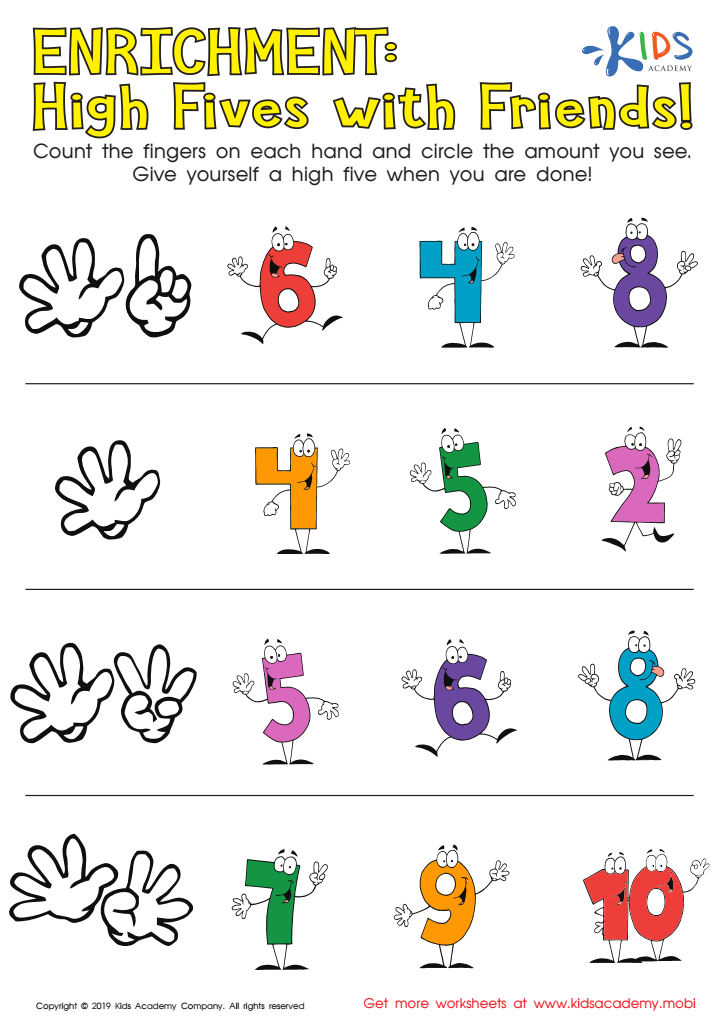
Enrichment: High Fives with Friends! Worksheet
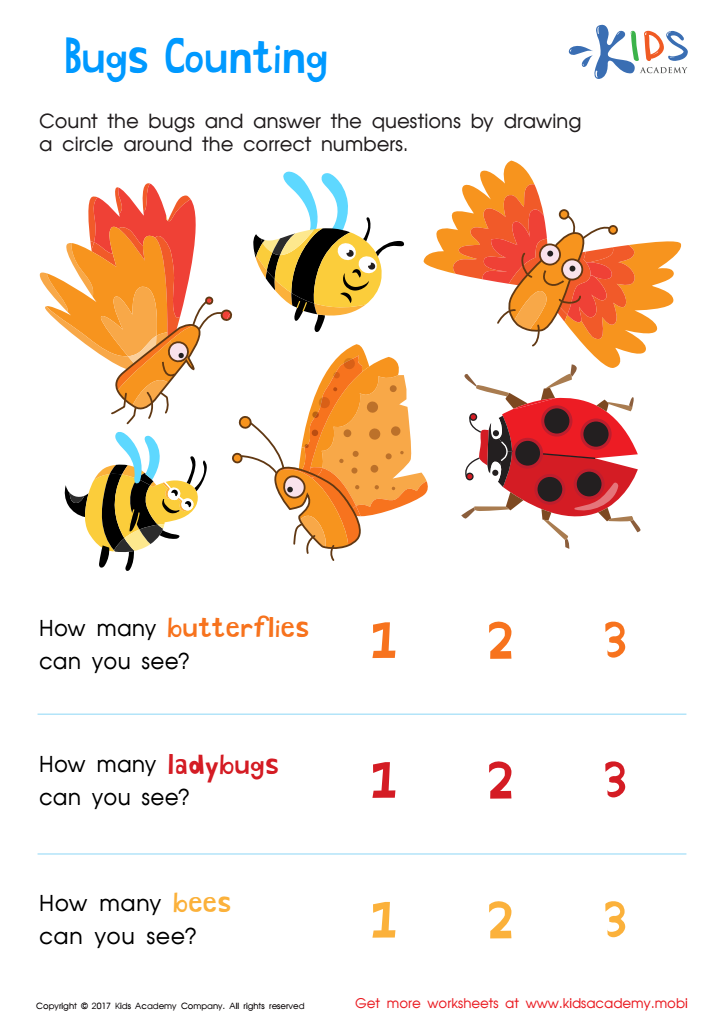
Bugs Counting Worksheet
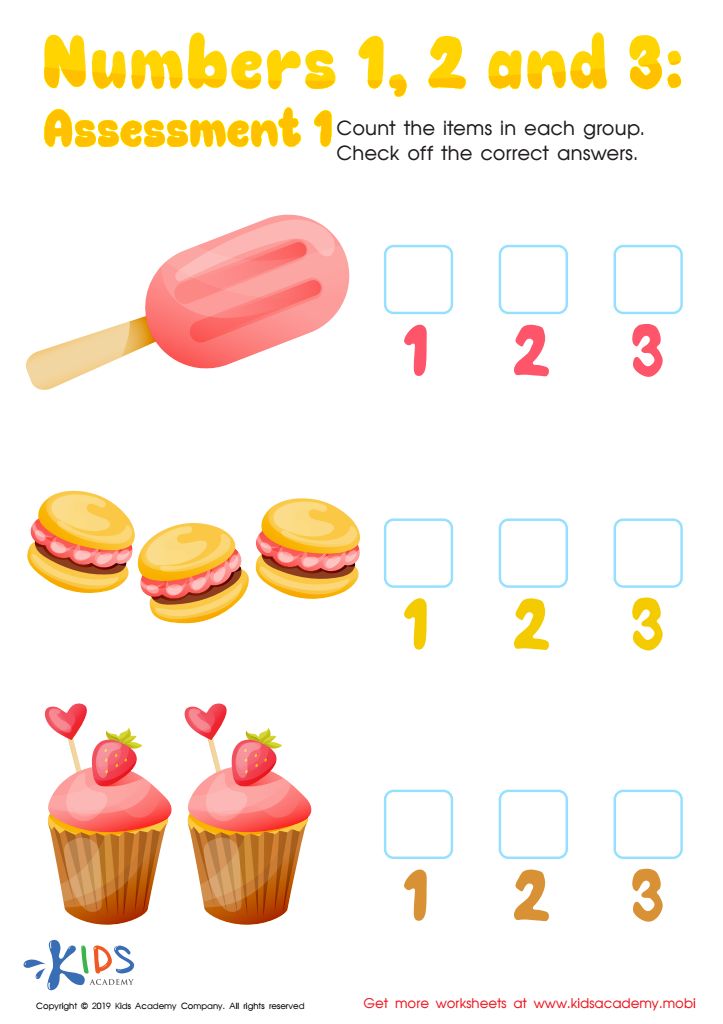
Numbers 1, 2 and 3: Assessment 1 Worksheet
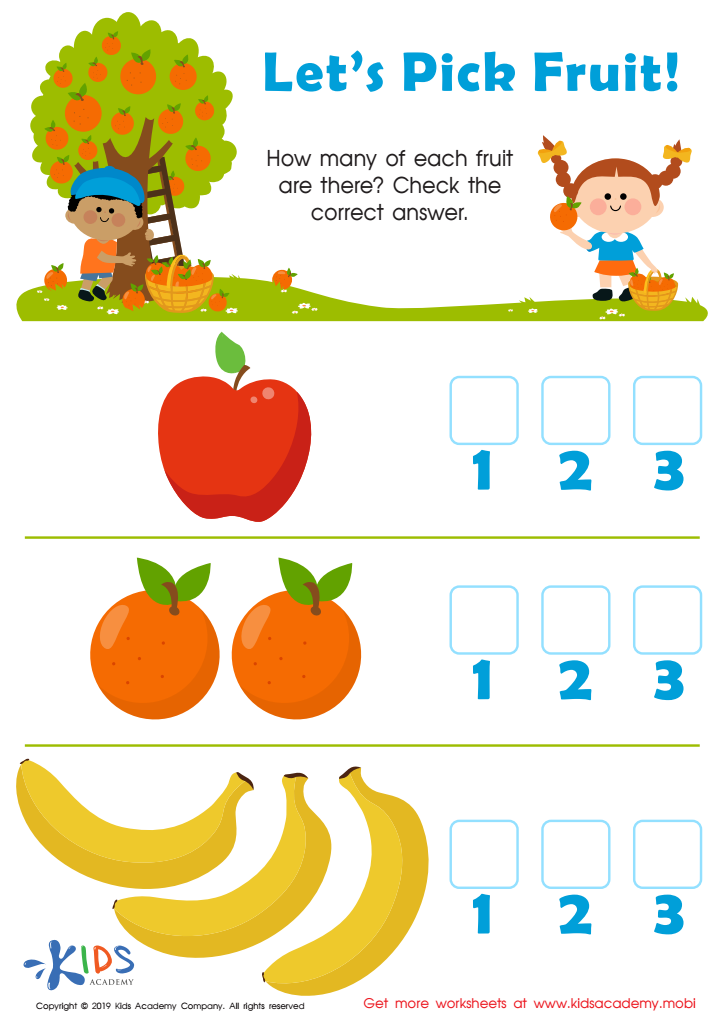
Let's Pick Fruit Worksheet
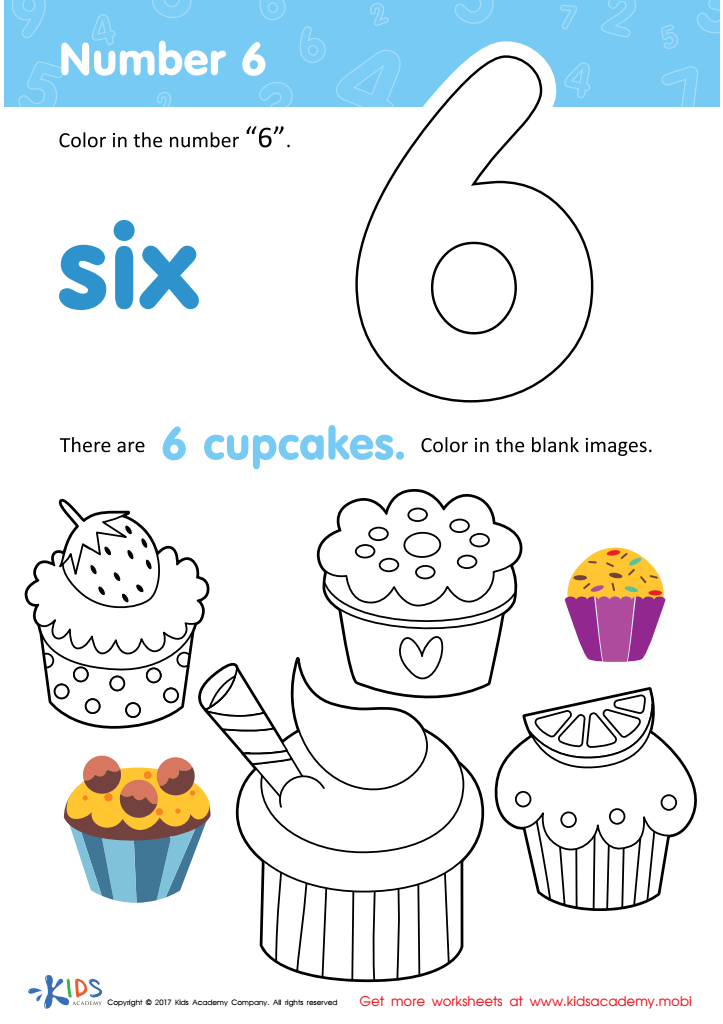
Number 6 Worksheet
 Assign to My Students
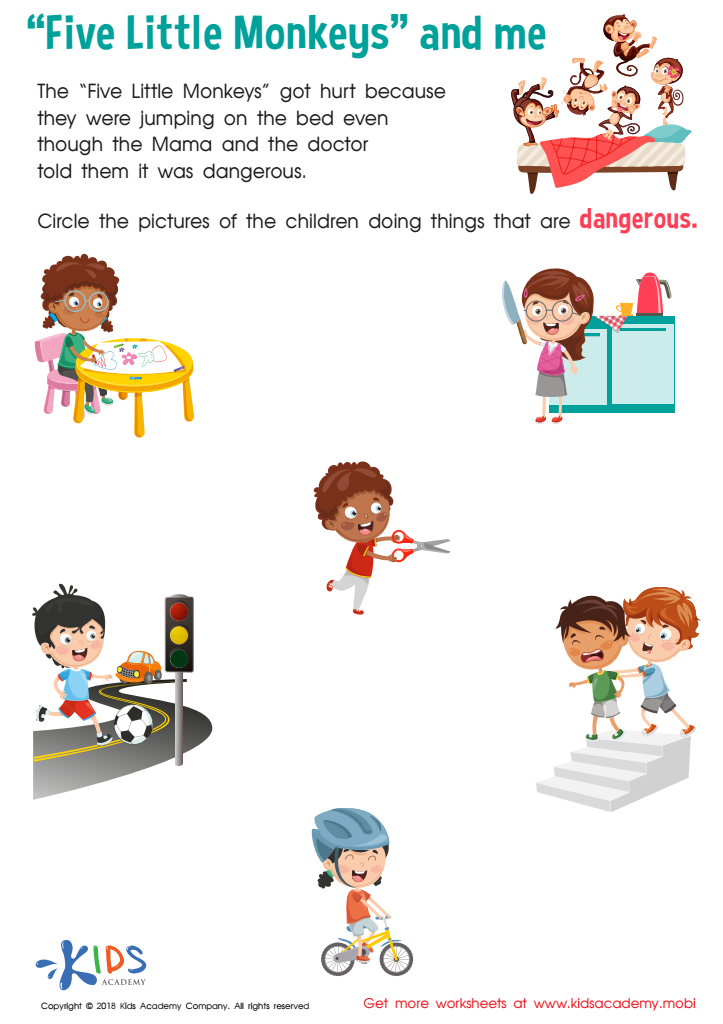
Five Little Monkeys and Me Worksheet
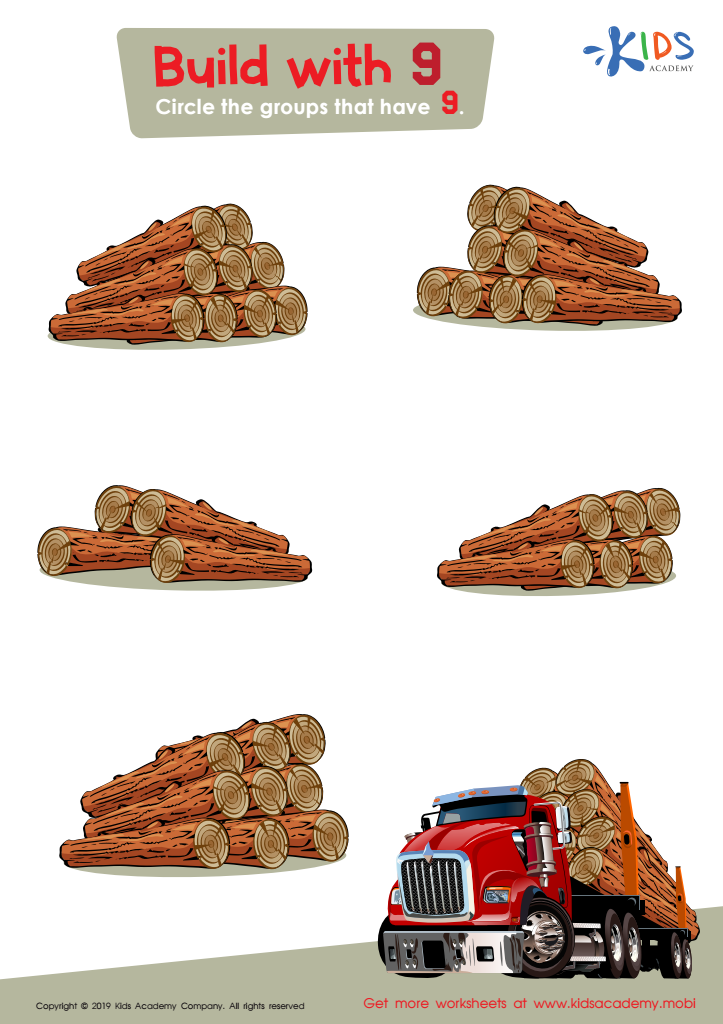
Build with 9 Worksheet
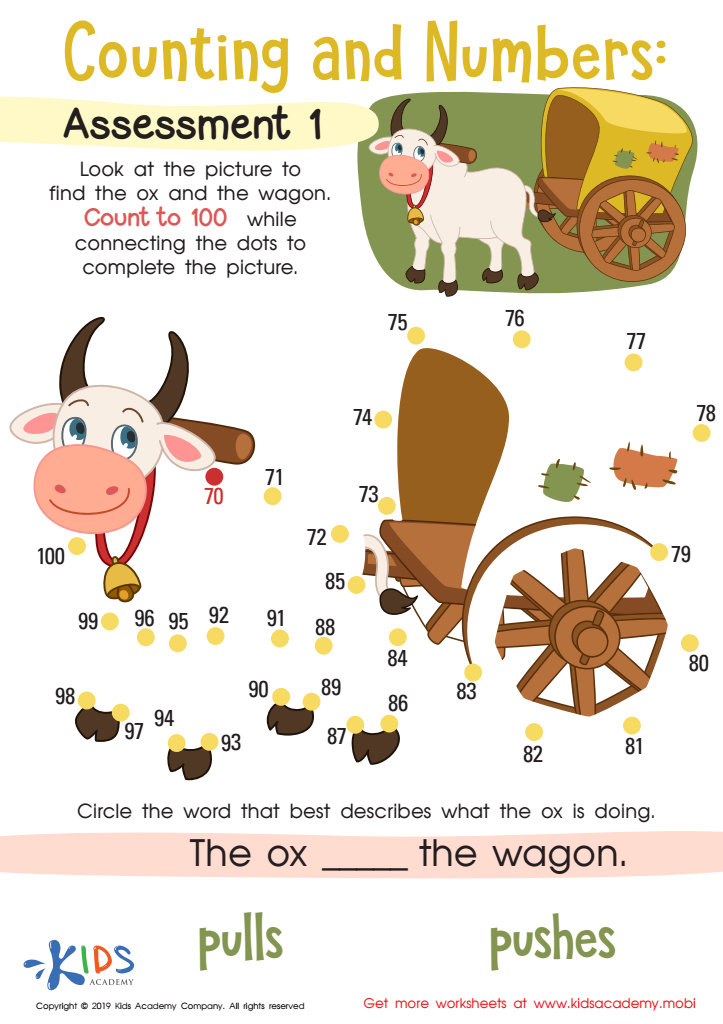
Counting and Numbers: Assessment 1 Worksheet
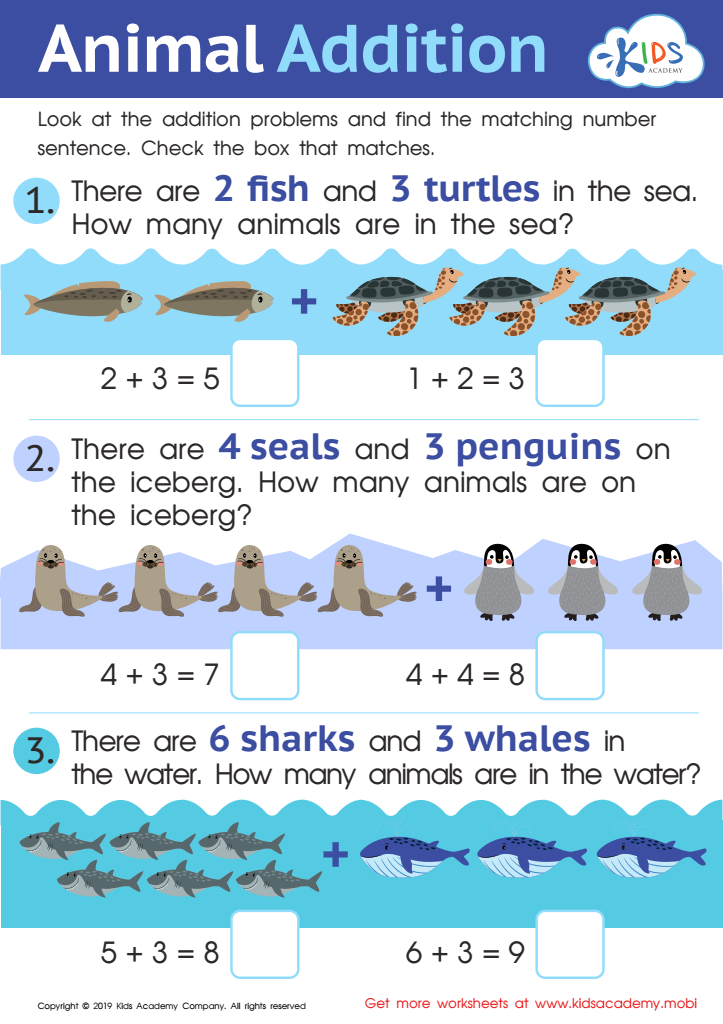
Animal Addition Worksheet
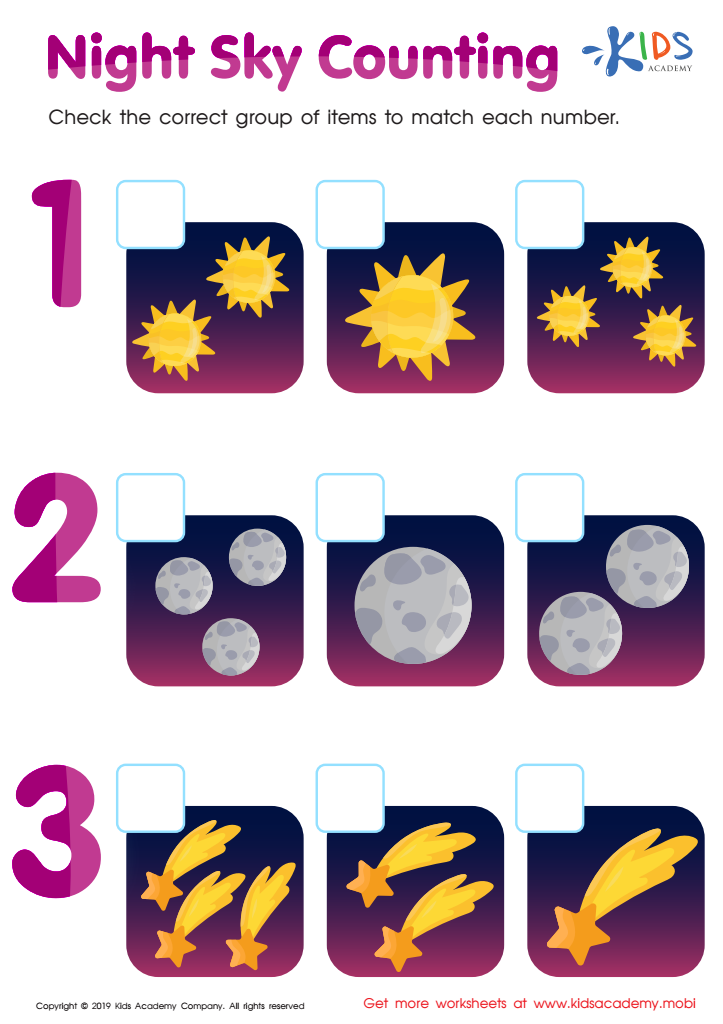
Night Sky Counting Worksheet
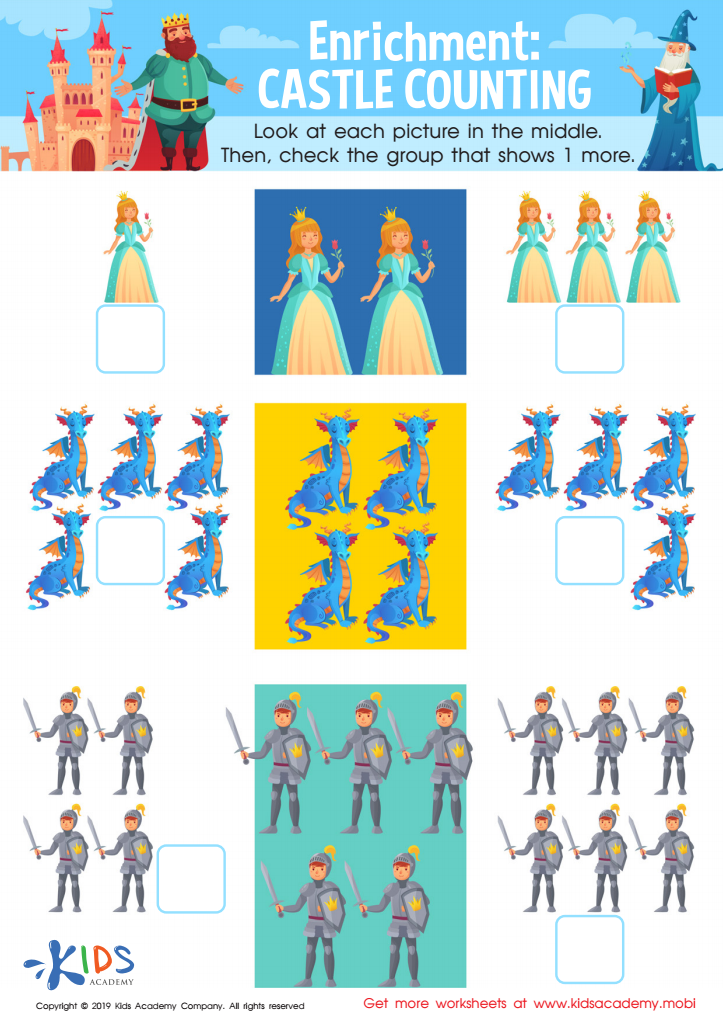
Enrichment: Castle Counting Worksheet
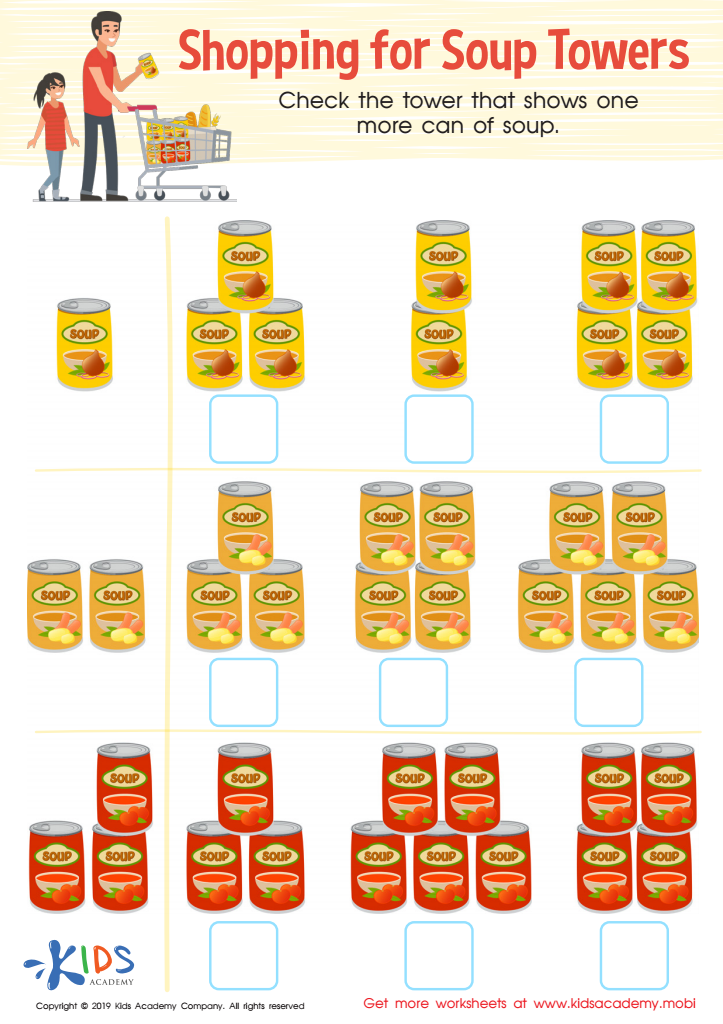
Soup Towers Worksheet
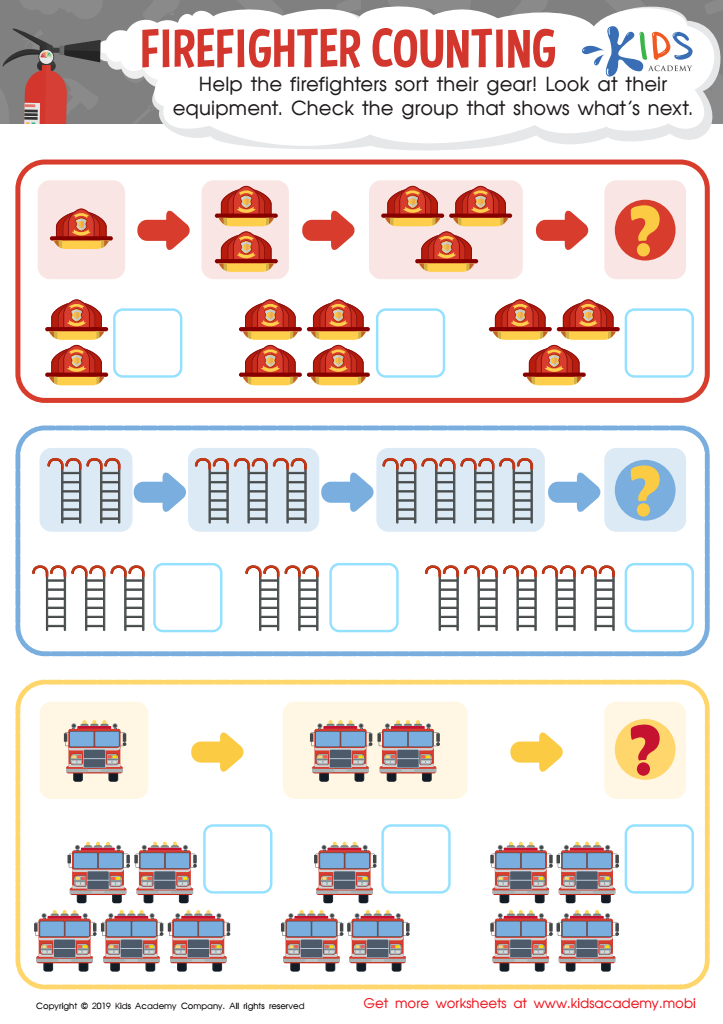
Firefighter Counting Worksheet
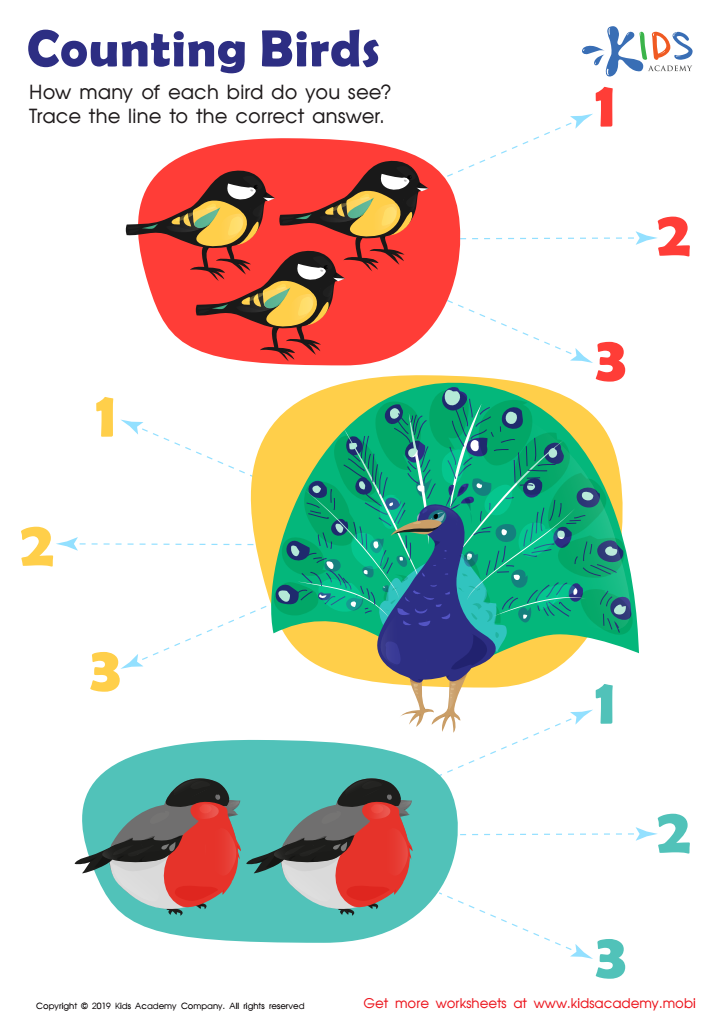
Counting Birds Worksheet
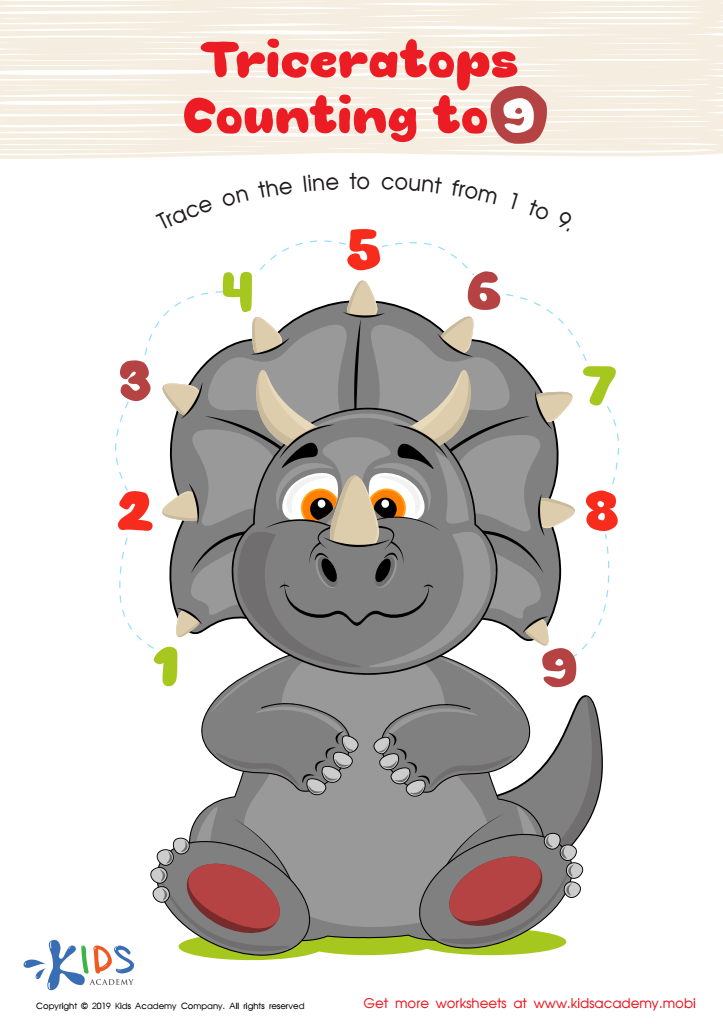
Triceratops Counting to 9 Worksheet
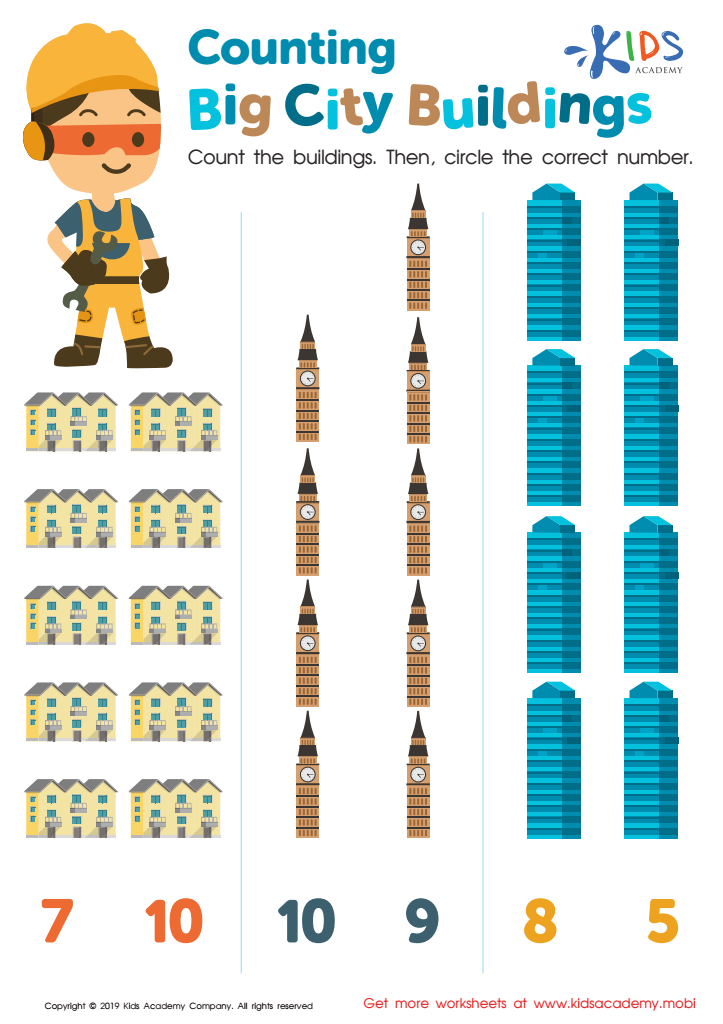
Counting Big City Buildings Worksheet

Night Sky Numbers Worksheet




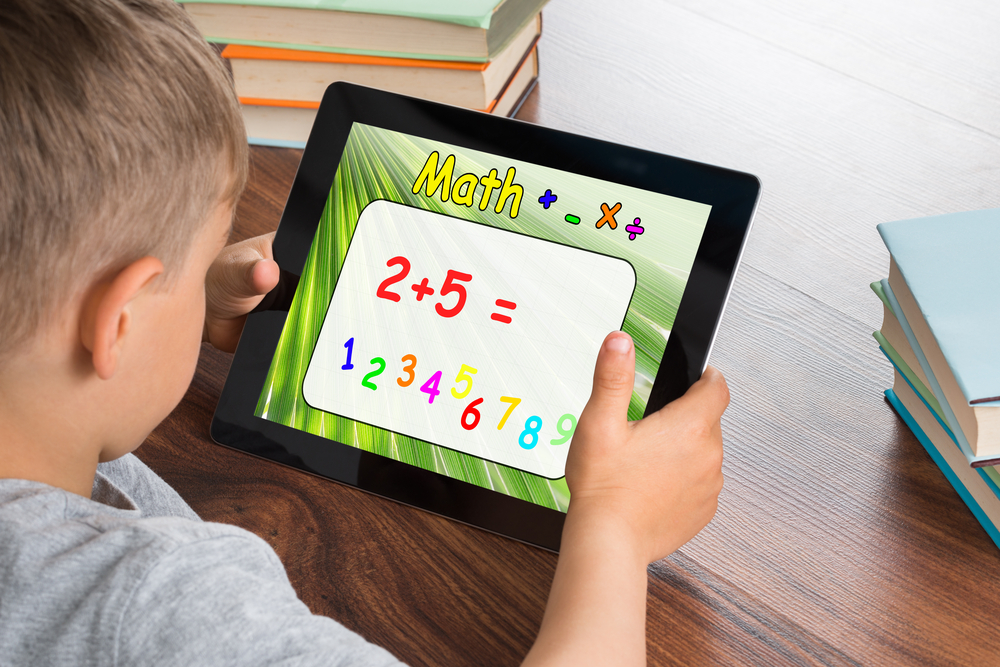



Counting skills are fundamental for young children's cognitive development and early mathematics education, which makes it crucial for parents and teachers to prioritize them in kindergarten. Firstly, counting lays the groundwork for more complex mathematical concepts such as addition, subtraction, and understanding quantities. Early proficiency in counting enables children to engage confidently in various math-related activities later in their educational journey.
Moreover, counting skills enhance critical thinking and problem-solving abilities. Children learn to recognize patterns, group items, and understand the value of numbers. This foundational learning fosters a positive attitude towards mathematics and builds self-esteem in their abilities.
Furthermore, counting skills are not confined to the classroom. Parents can integrate counting into everyday activities, such as counting fruits at the grocery store or steps during a park walk, reinforcing learning in meaningful contexts.
Additionally, developing counting skills includes important social-emotional aspects. Collaborative counting games promote communication and teamwork, essential skills in children's overall development. In summary, nurturing counting skills in kindergarten supports children's academic growth, enhances cognitive abilities, and fosters a lifelong love of mathematics. For these reasons, both parents and teachers should prioritize early counting experiences and create a supportive learning environment.