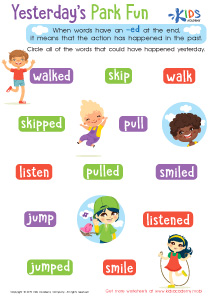
Shape Recognition Easy Kindergarten Worksheets
9 filtered results
-
From - To
Introduce your little learners to the basics of geometry with our Shape Recognition Easy Kindergarten Worksheets from Kids Academy! Specially designed for young minds, these worksheets help children identify and differentiate various shapes through engaging activities. Each worksheet offers fun and interactive exercises, promoting visual learning and enhancing fine motor skills. Perfect for classroom settings or at-home practice, our easy-to-follow worksheets ensure that children build a strong foundation in recognizing shapes while developing critical thinking and problem-solving abilities. Make learning exciting and seamless with Kids Academy’s expertly crafted shape recognition worksheets!
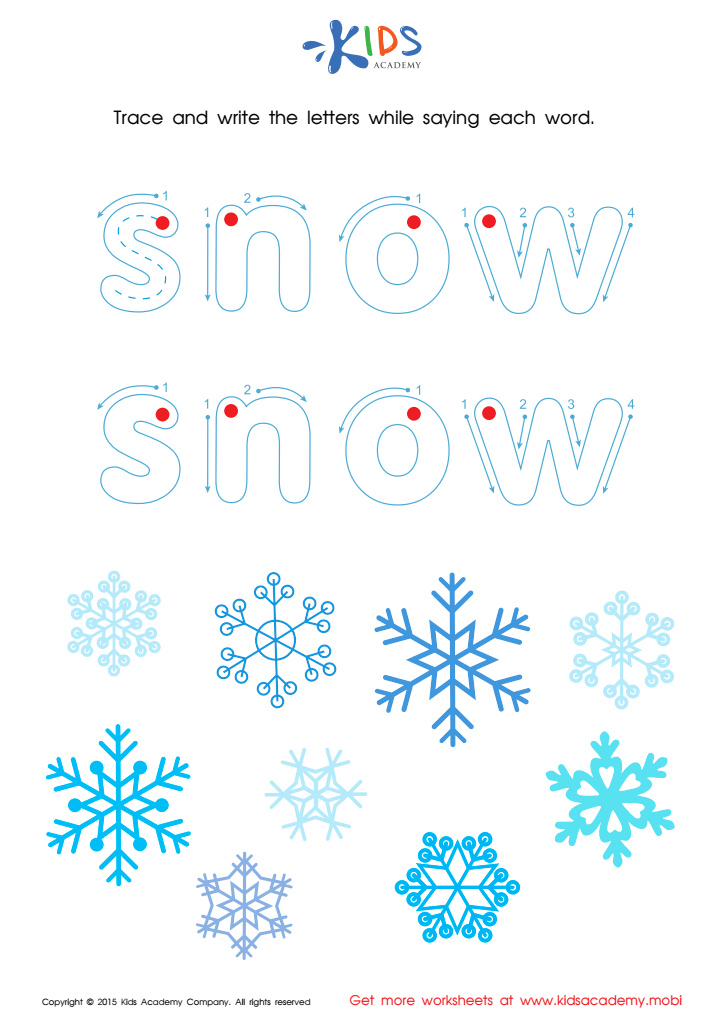
Snowflake Tracing Winter Words Worksheet
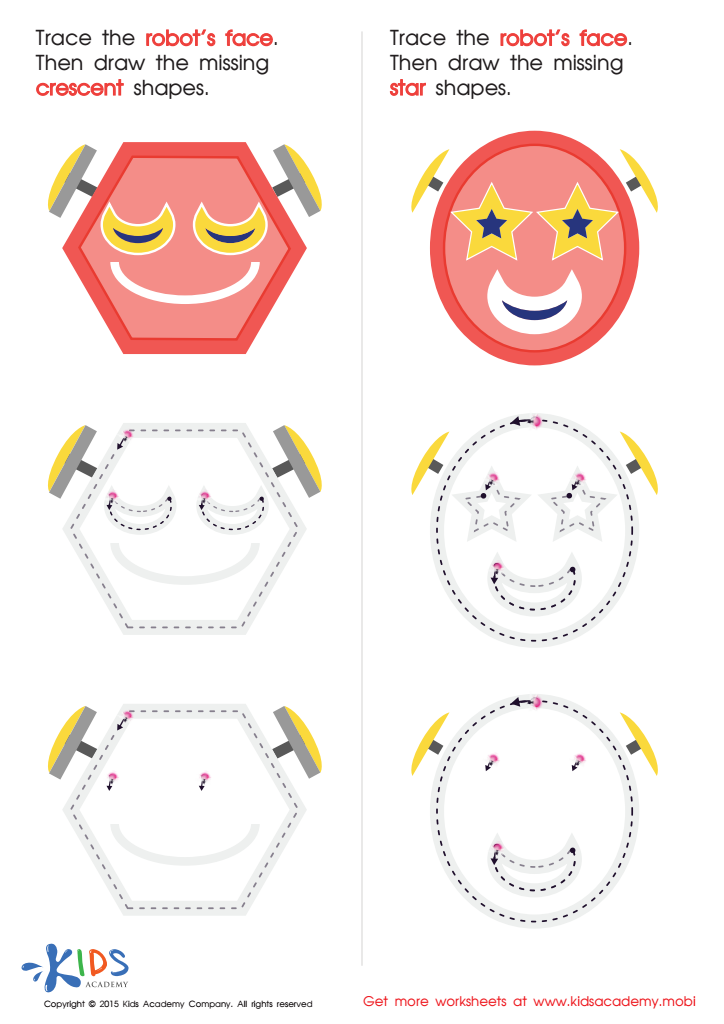
Composing a Robot's Face of Crescents And Stars Worksheet
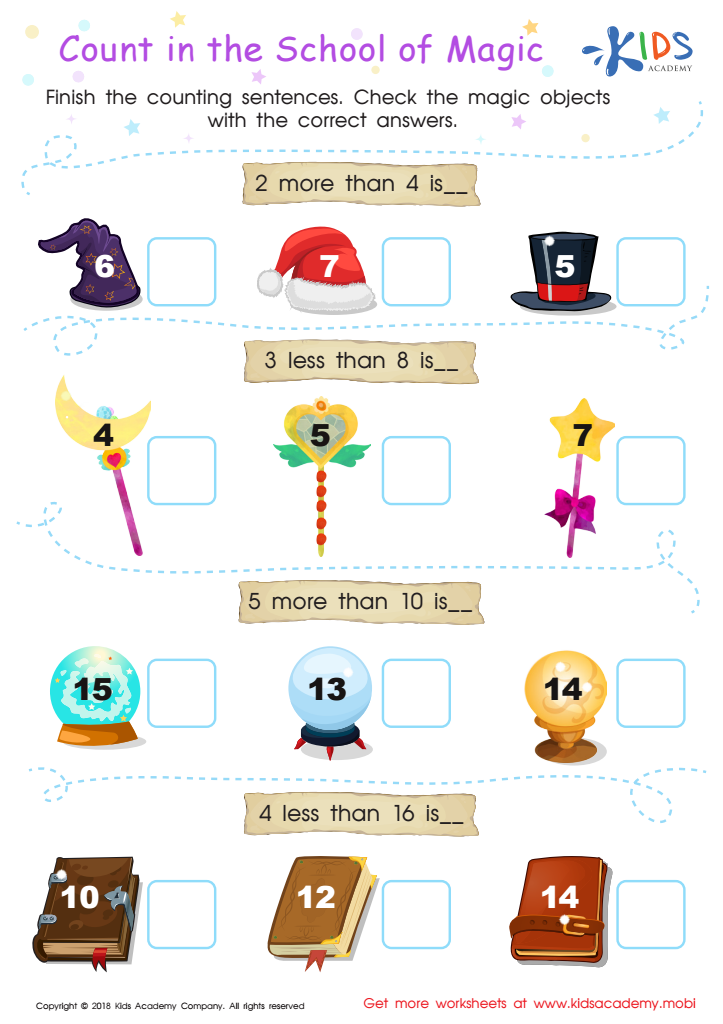
Count in the School of Magic Worksheet
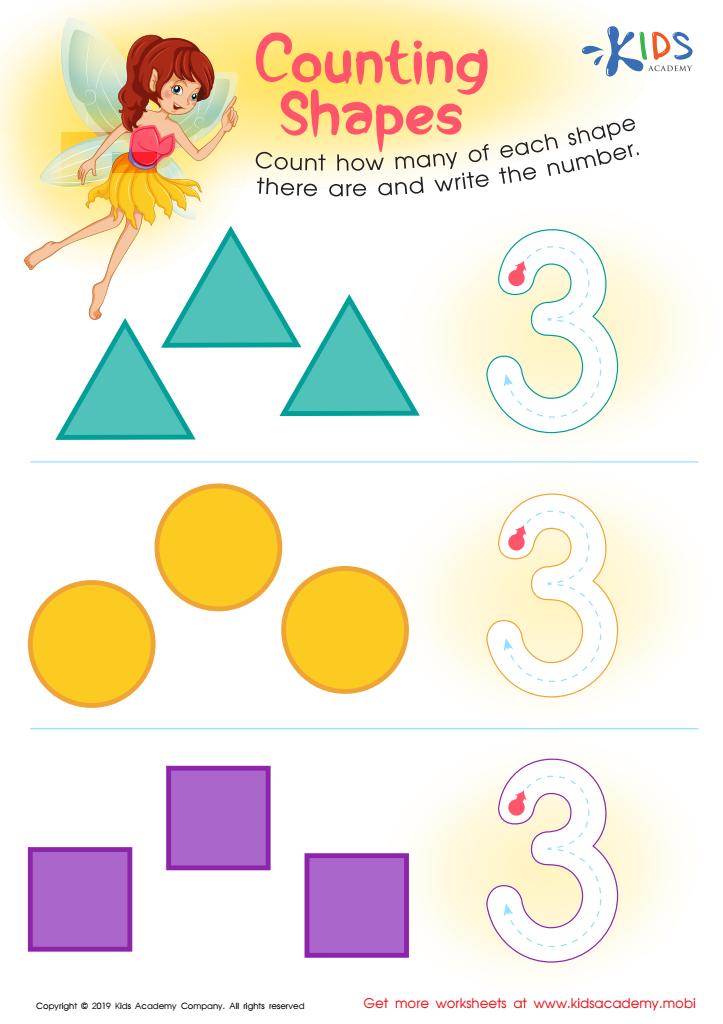
Counting Shapes Worksheet
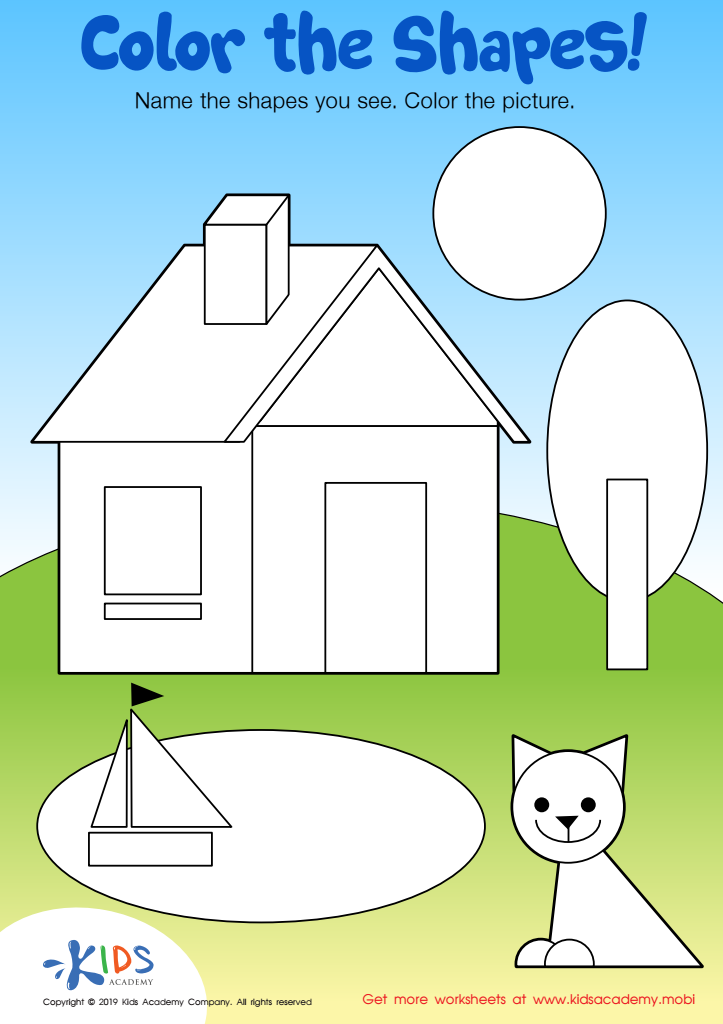
Color the Shapes Worksheet
 Assign to My Students
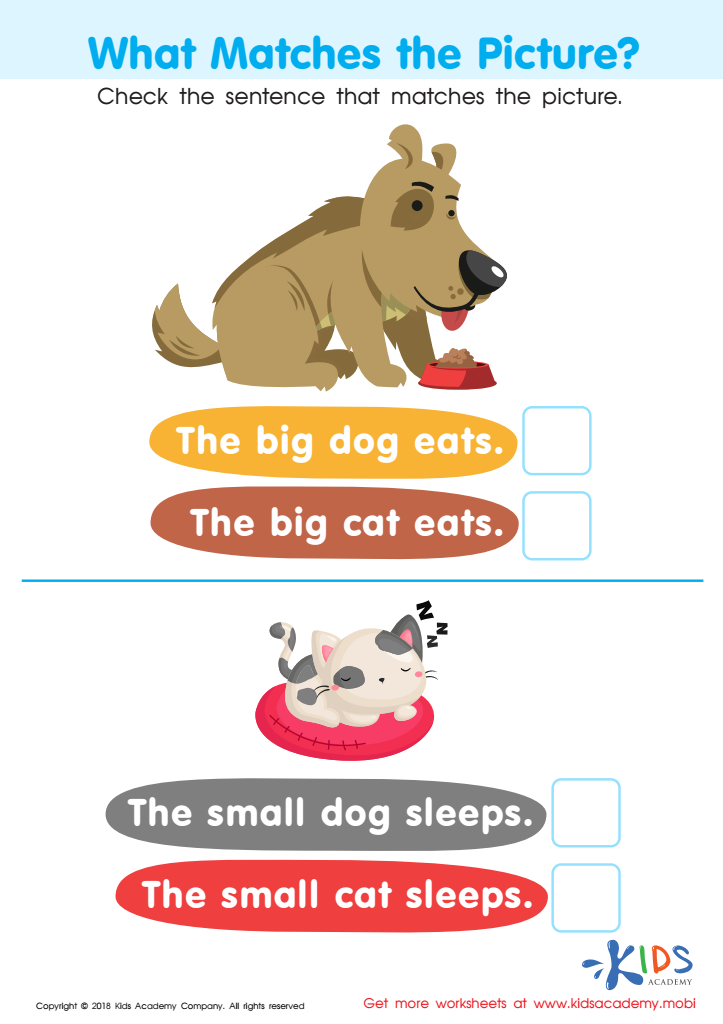
What Matches the Picture? Worksheet
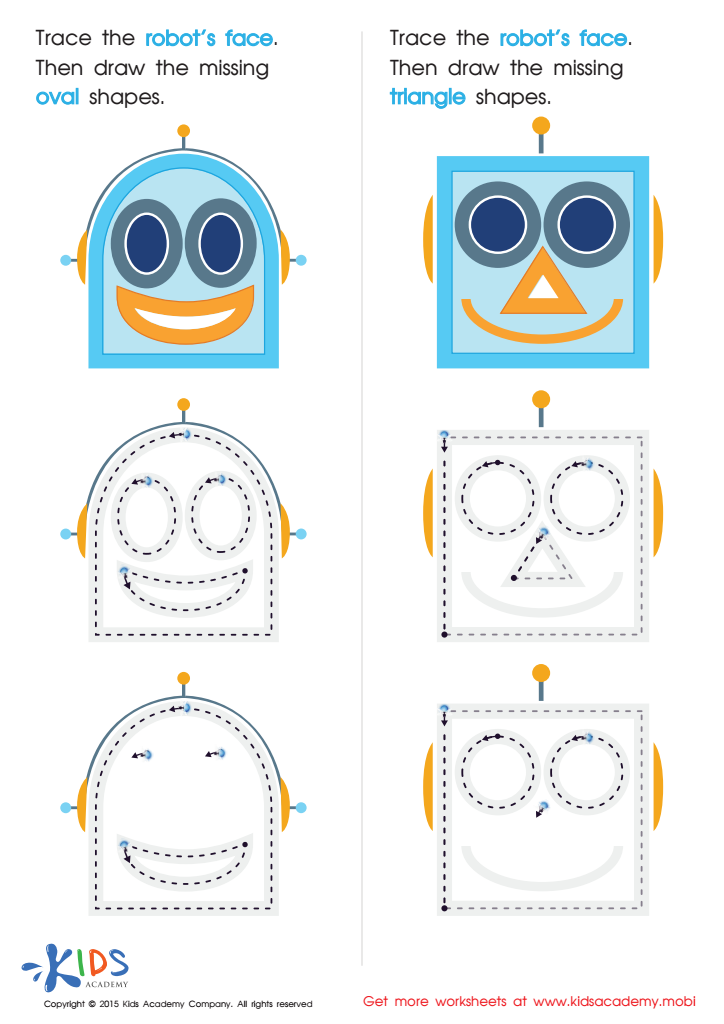
Drawing Ovals And Triangles with Fun Printable
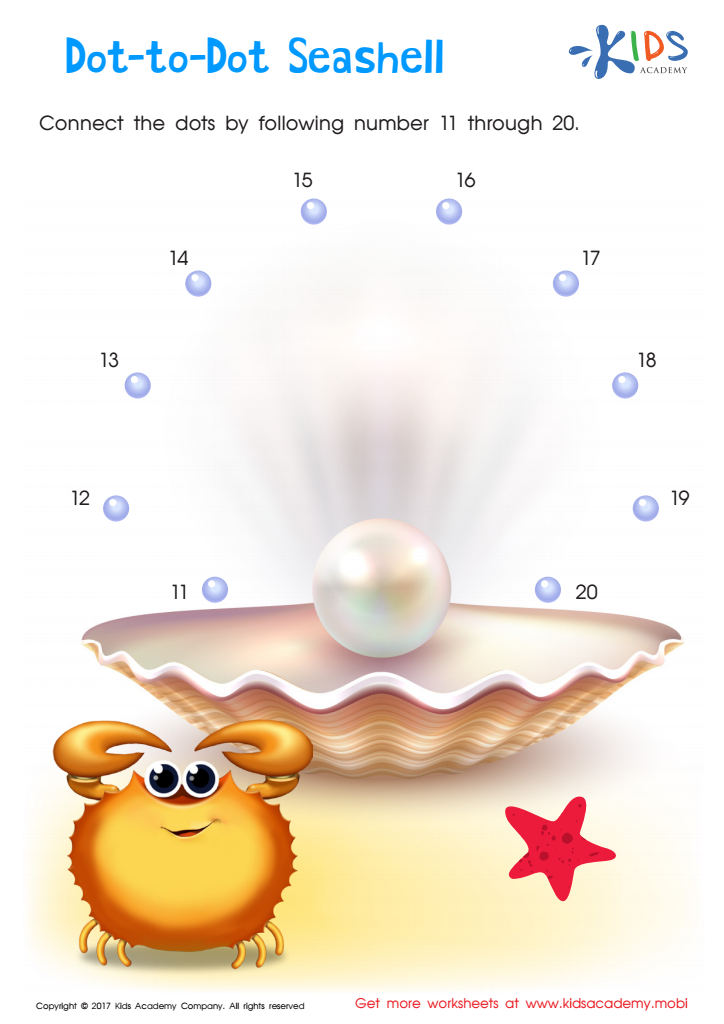
Ordering 11–20: Dot–to–dot Seashell Printable
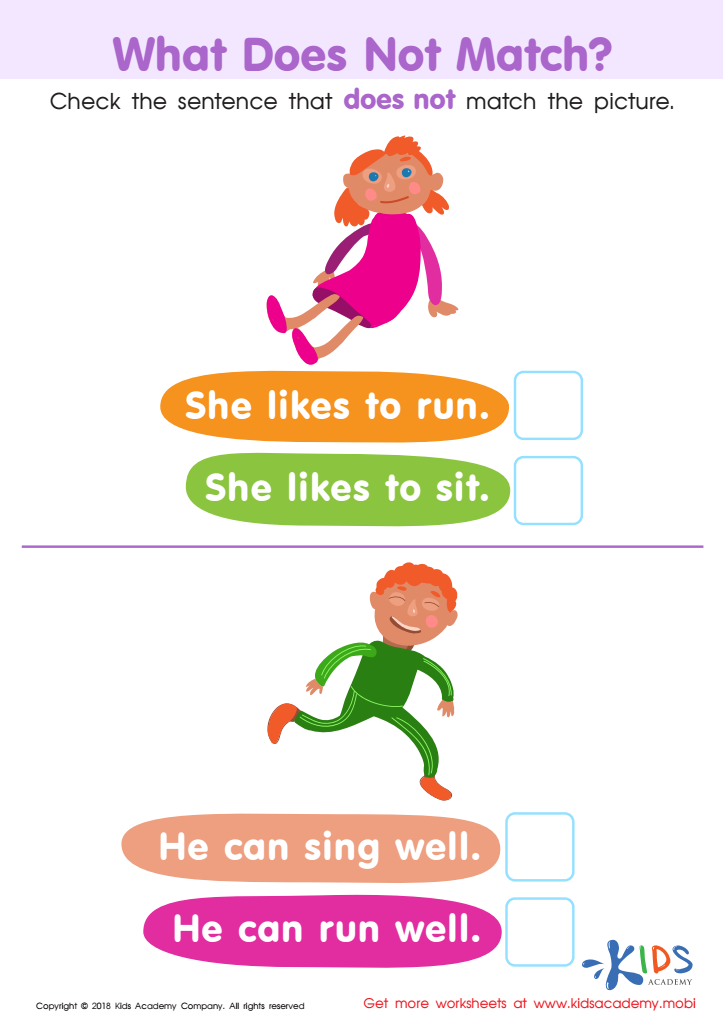
What Does Not Match? Worksheet








Shape recognition is a foundational skill that offers numerous benefits for young children, making it essential for both parents and teachers to focus on it during kindergarten. Firstly, understanding and recognizing shapes help in developing early math skills. Shapes are the building blocks of geometry, and recognizing their attributes is crucial for understanding concepts like area, perimeter, and symmetry later on. Secondly, shape recognition also enhances other critical cognitive skills such as visual-spatial awareness, pattern recognition, and problem-solving. These skills are important for tasks ranging from navigating spaces to solving puzzles.
Moreover, recognizing shapes aids in literacy development. The ability to distinguish different shapes helps children learn to differentiate between letters and numbers, which is a key component in reading and writing. For example, understanding the differences between circular "O", triangular "V," and rectangular "H" assists with letter formation and recognition.
Furthermore, learning about shapes helps in developing fine motor skills. Activities like drawing, cutting, and piecing together shapes enable children to refine hand-eye coordination and dexterity.
Lastly, engaging with shapes in various playful and educational activities offers a positive, interactive learning experience. This not only makes learning fun but also establishes a strong parent-child and teacher-student bond, encouraging a lifelong love for learning. For these reasons, integrating shape recognition into early childhood education is crucial for holistic development.