Number Recognition Easy Kindergarten Counting Worksheets
6 filtered results
-
From - To
Delight your kindergarten students with our engaging "Number Recognition Easy Kindergarten Counting Worksheets," designed to make learning numbers enjoyable. Each worksheet blends playful themes with educational activities, helping young children identify, trace, and count numbers from 1 through 10. These carefully crafted resources ignite a passion for math in early learners, providing a solid foundation in number recognition. Ideal for classroom use or at-home practice, these printable worksheets encourage hands-on, interactive learning. Foster confidence and mathematical skills in your kindergartener with our fun, effective counting worksheets tailored for young minds.
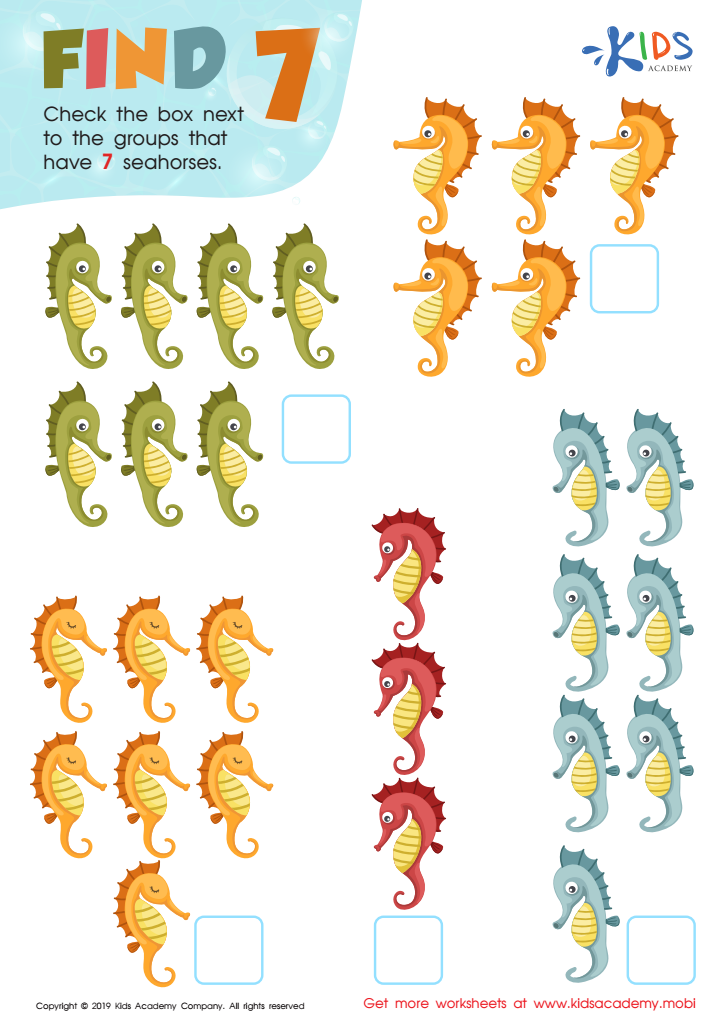
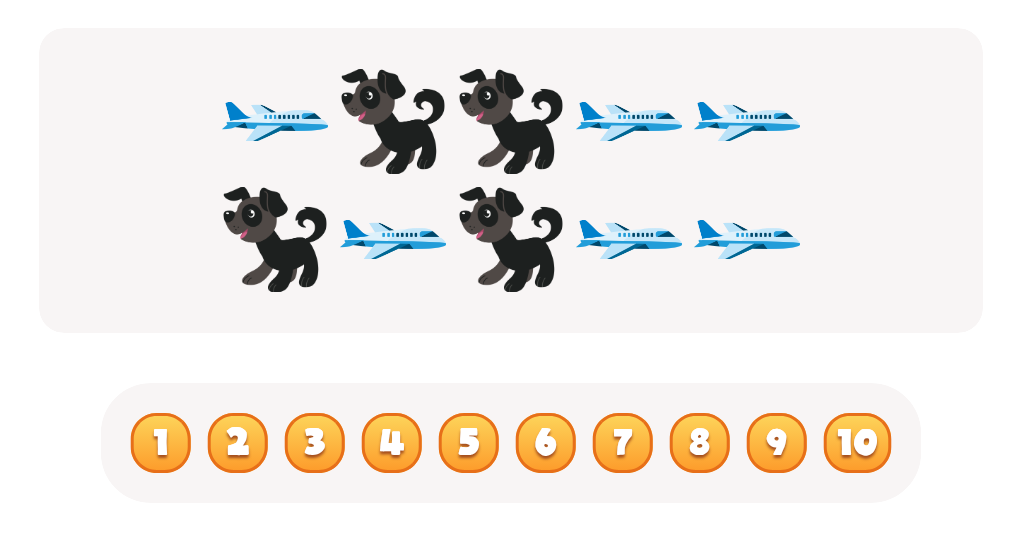
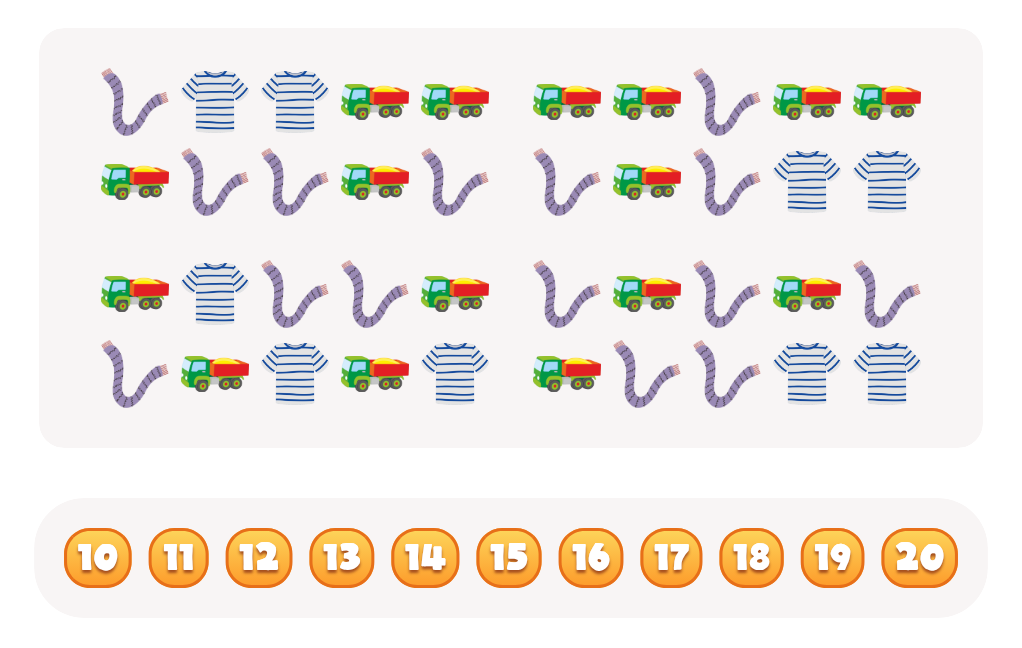
Find 7 Worksheet
 Assign to My Students
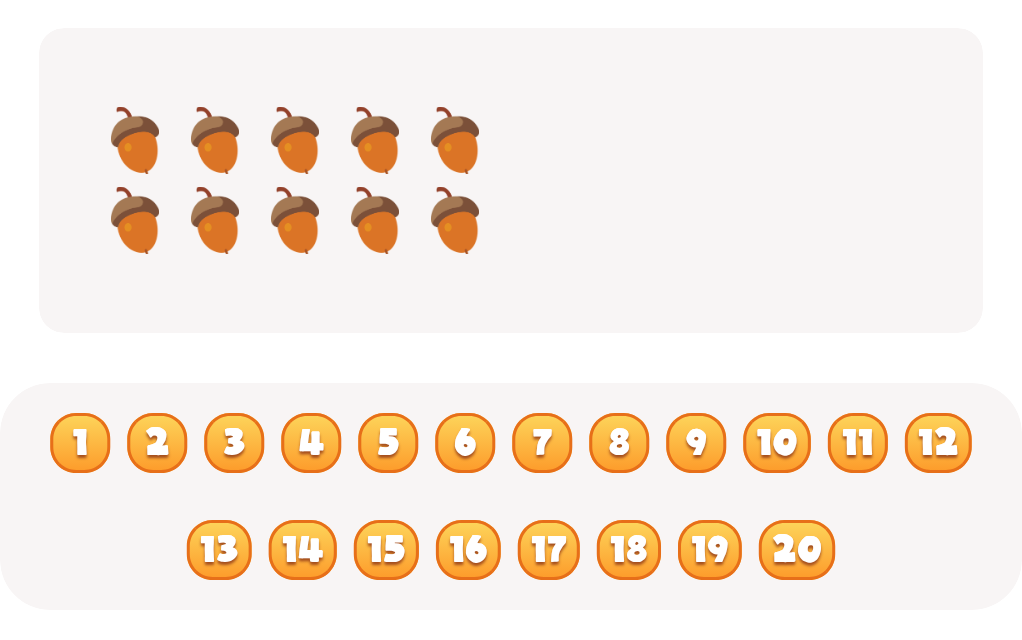

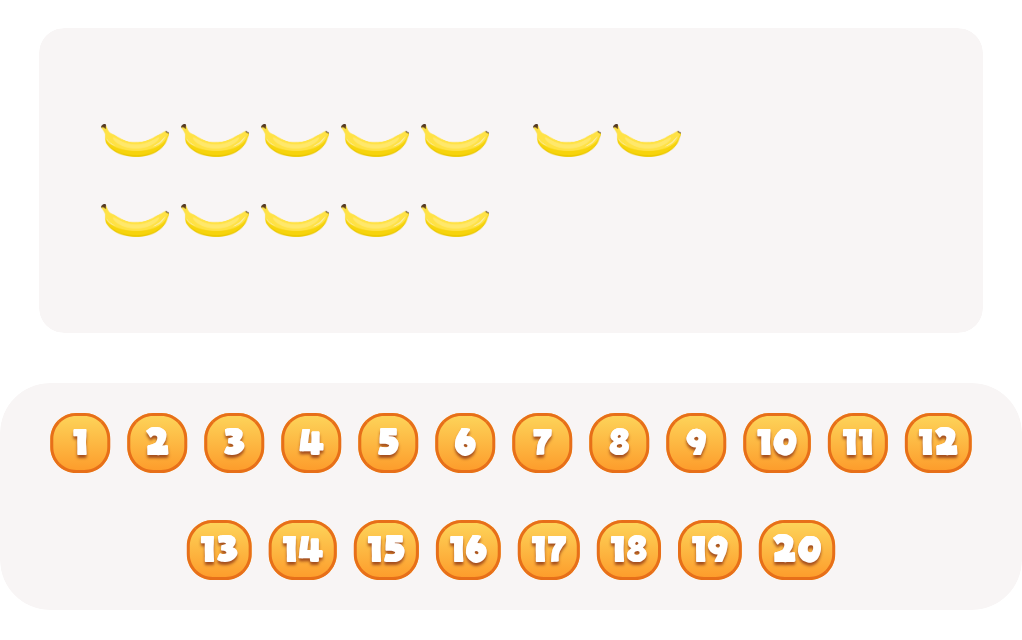
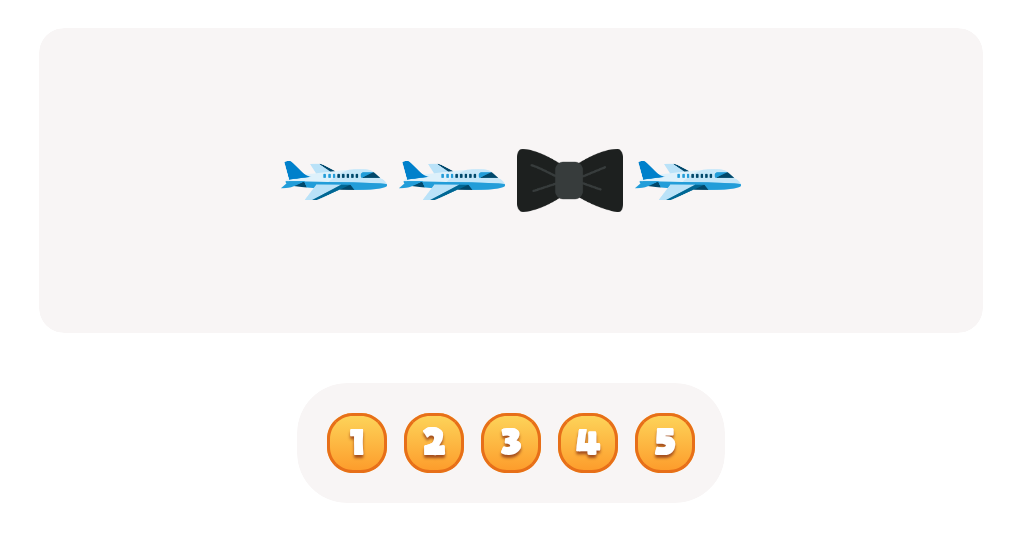
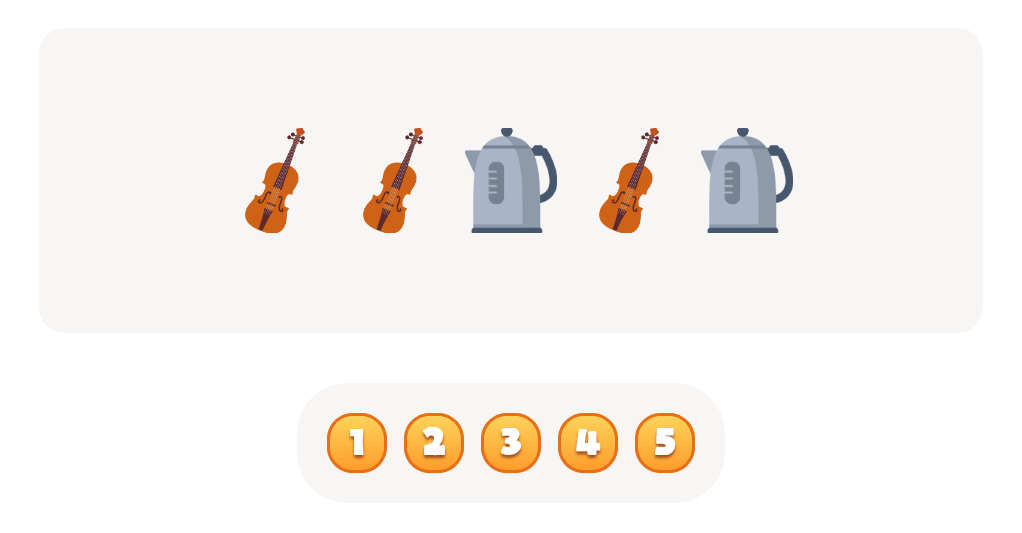
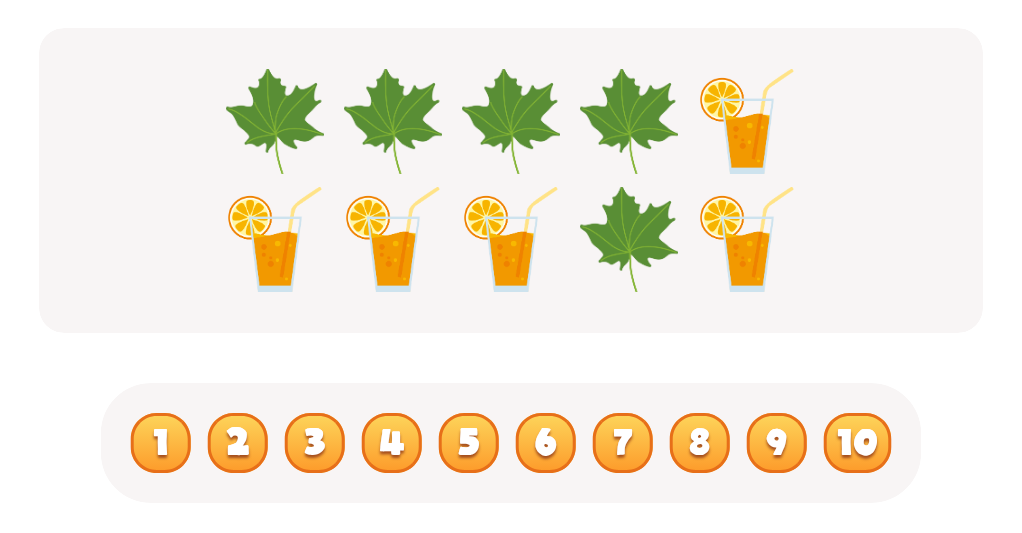
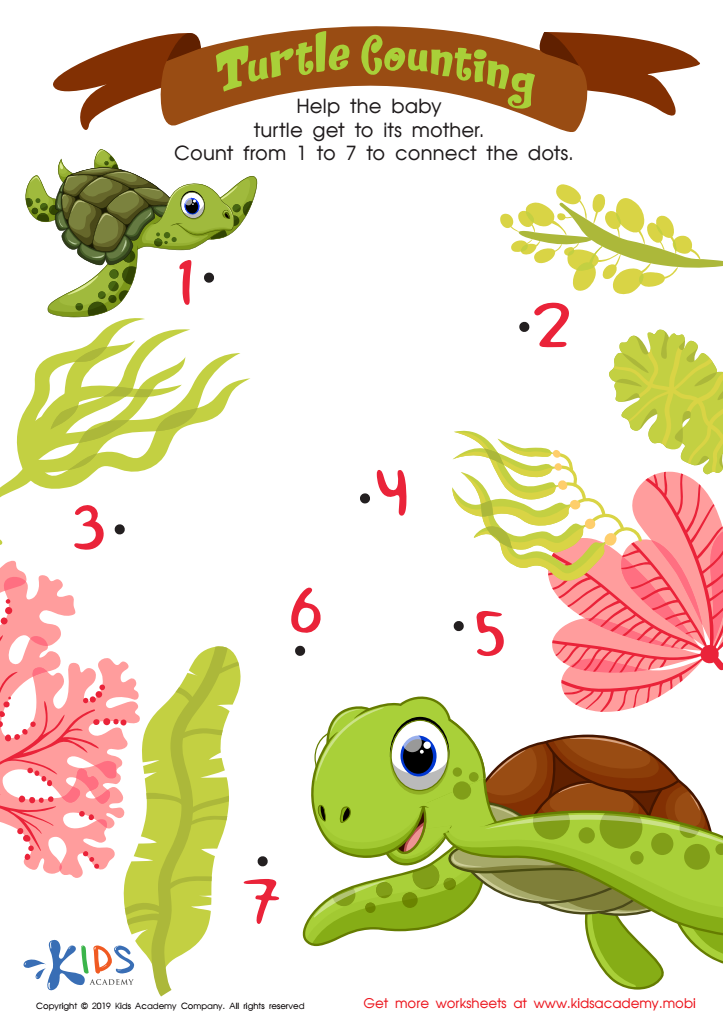
Turtle Counting Worksheet
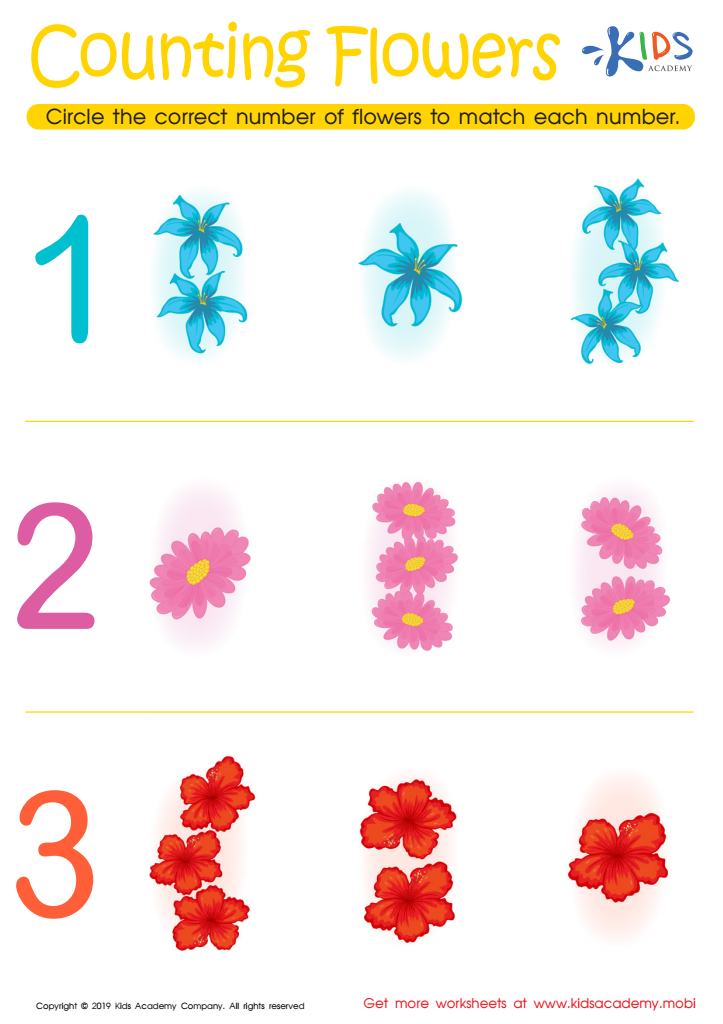
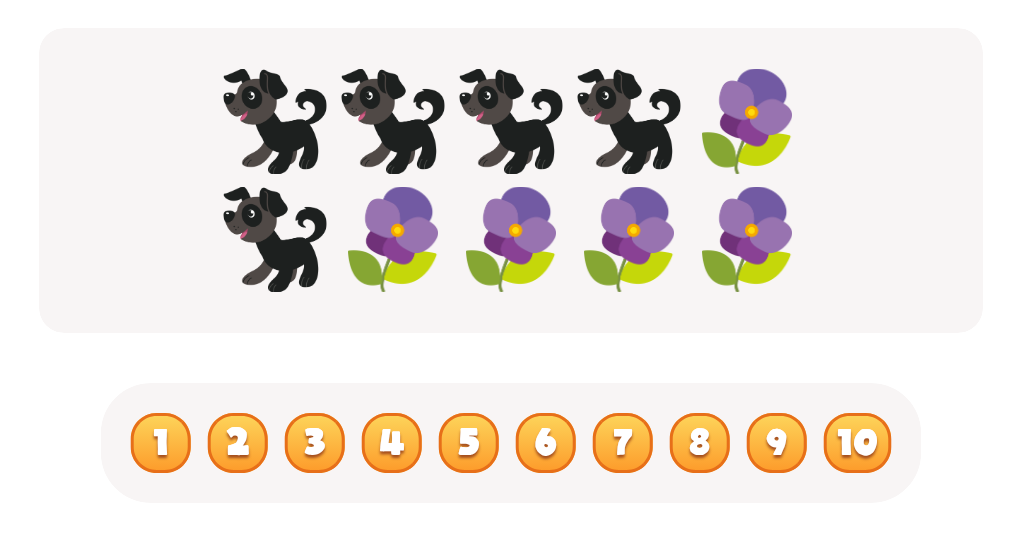
Counting Flowers Worksheet
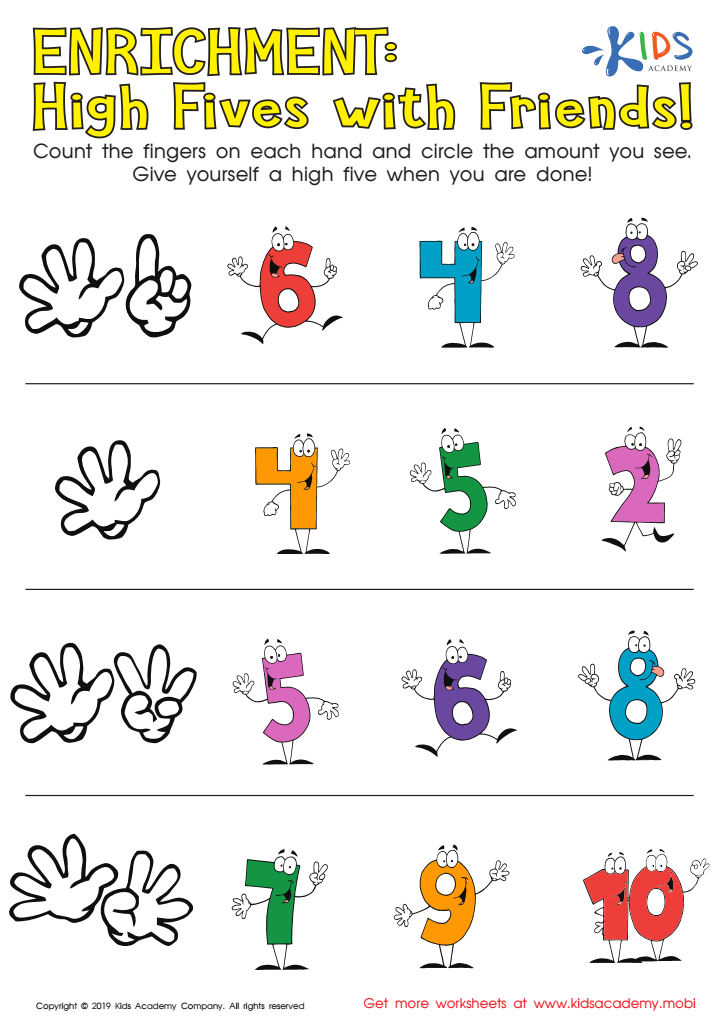
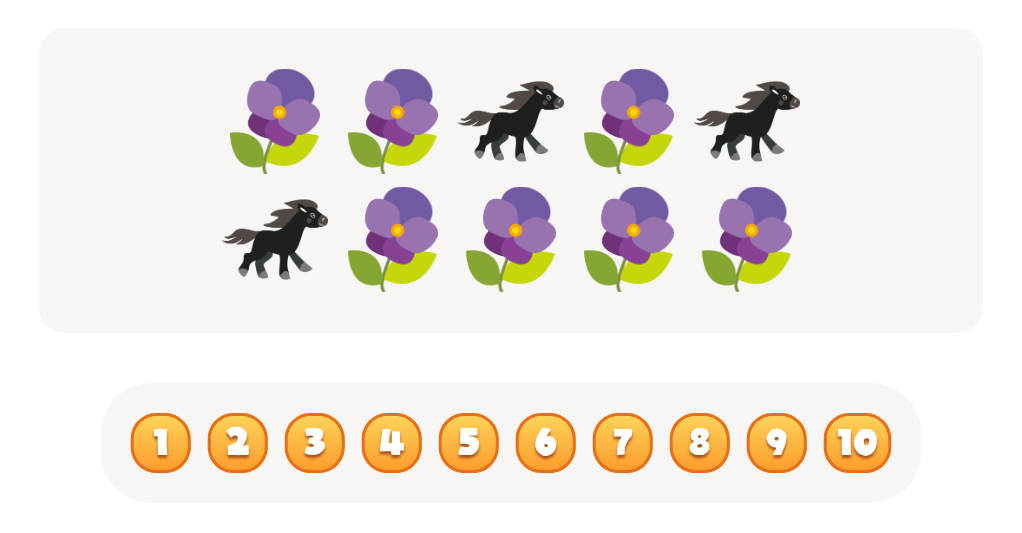
Enrichment: High Fives with Friends! Worksheet
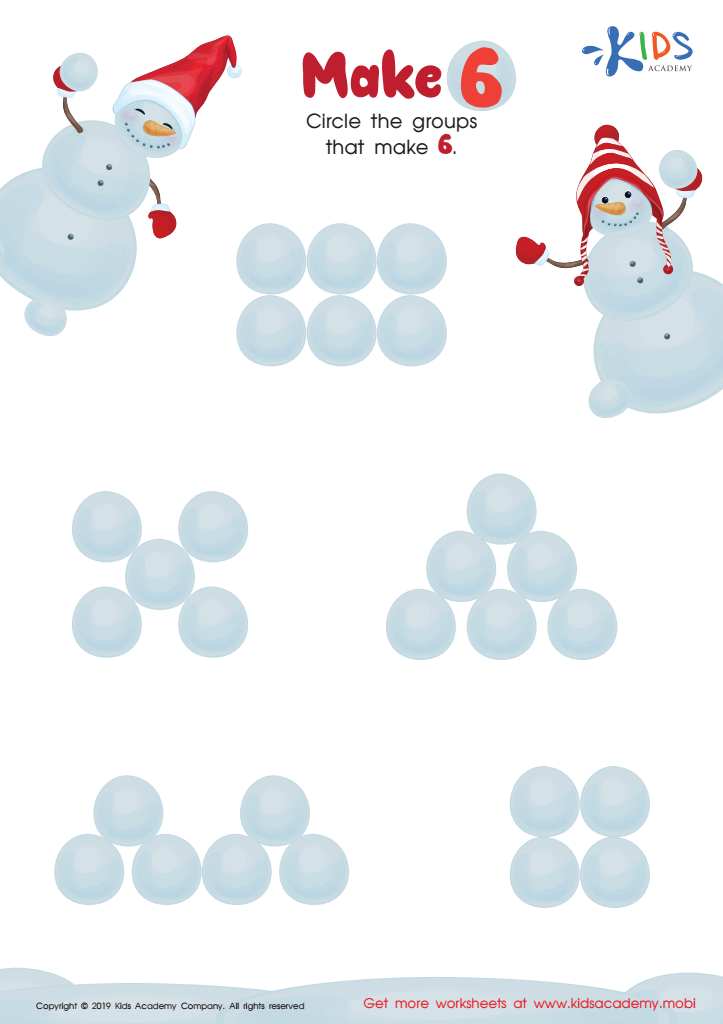
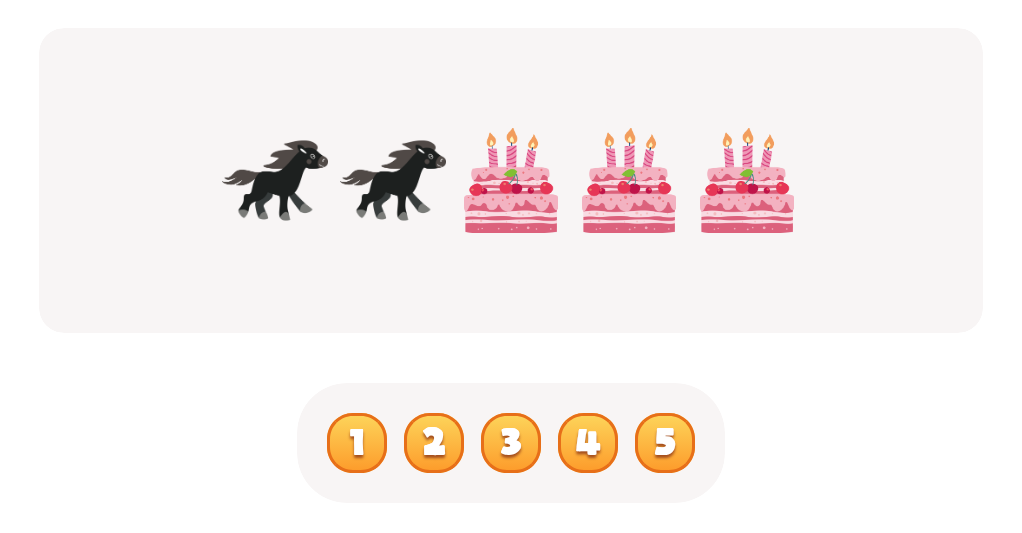
Make 6 Worksheet
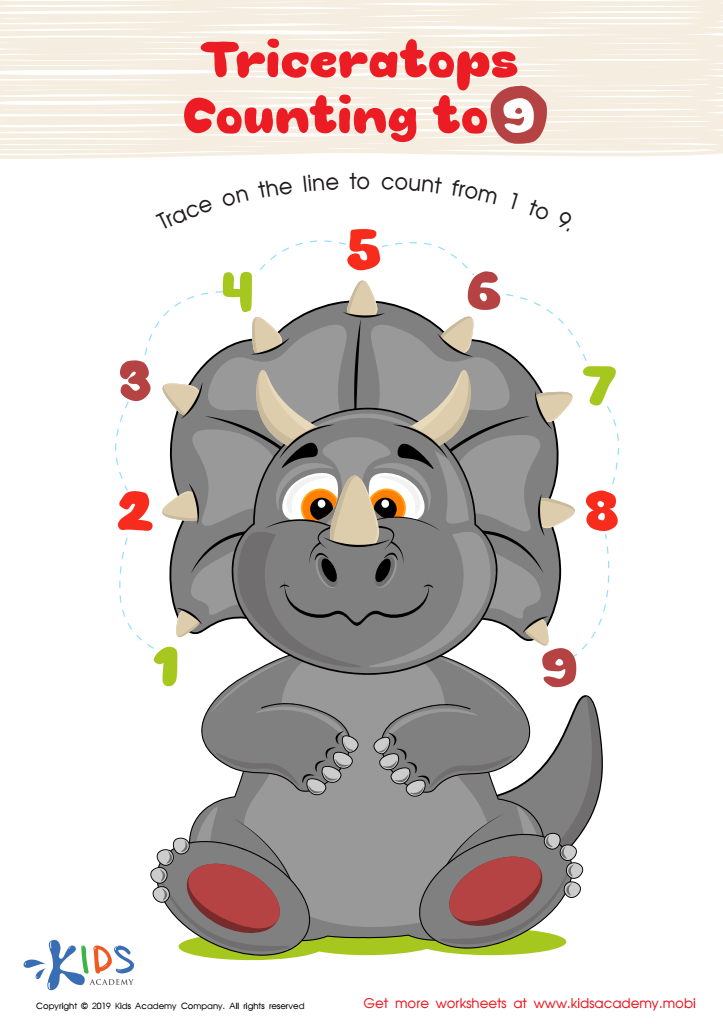
Triceratops Counting to 9 Worksheet








Number recognition is a critical foundational skill that parents and teachers should profoundly value and nurture in early childhood education. This stage is vital because it serves as the gateway to all future mathematical understanding and numeracy. When children can accurately recognize and identify numbers, they develop essential cognitive skills such as memory, attention to detail, and logical thinking.
Easy kindergarten counting is not just about memorizing the sequence of numbers; it fosters comprehension of quantity and the concept of numbers representing specific values. This foundational knowledge aids in more complex mathematical concepts, including addition, subtraction, and pattern recognition. Early exposure to these skills sets children up for success, boosting their confidence and enthusiasm for learning.
Moreover, children with strong number recognition skills are better equipped to tackle everyday problems and activities that involve numbers, such as reading clocks, measuring ingredients in a recipe, or even playing simple board games. Socioeconomically, early numeracy fluency is linked to better academic achievement, leading to broader life opportunities.
By prioritizing number recognition and easy counting, parents and teachers can provide children with a solid foundation, ensuring they are not only prepared for more advanced mathematics but also equipped with critical life skills. This early intervention ultimately supports overall cognitive development and lifelong learning.