Basic subtraction Easy Addition & Subtraction Worksheets
3 filtered results
-
From - To
Welcome to our Basic Subtraction Easy Addition & Subtraction Worksheets page, designed to enhance young learners' math skills! Our resources offer engaging worksheets that make subtraction simple and fun for early grade students. With a variety of problems targeted at different skill levels, children can practice essential concepts at their own pace. These worksheets not only reinforce basic math skills but also boost confidence in addition and subtraction. Perfect for classroom use or at-home learning, they include colorful visuals and interactive elements to keep kids motivated. Download today to help your child master subtraction with ease!
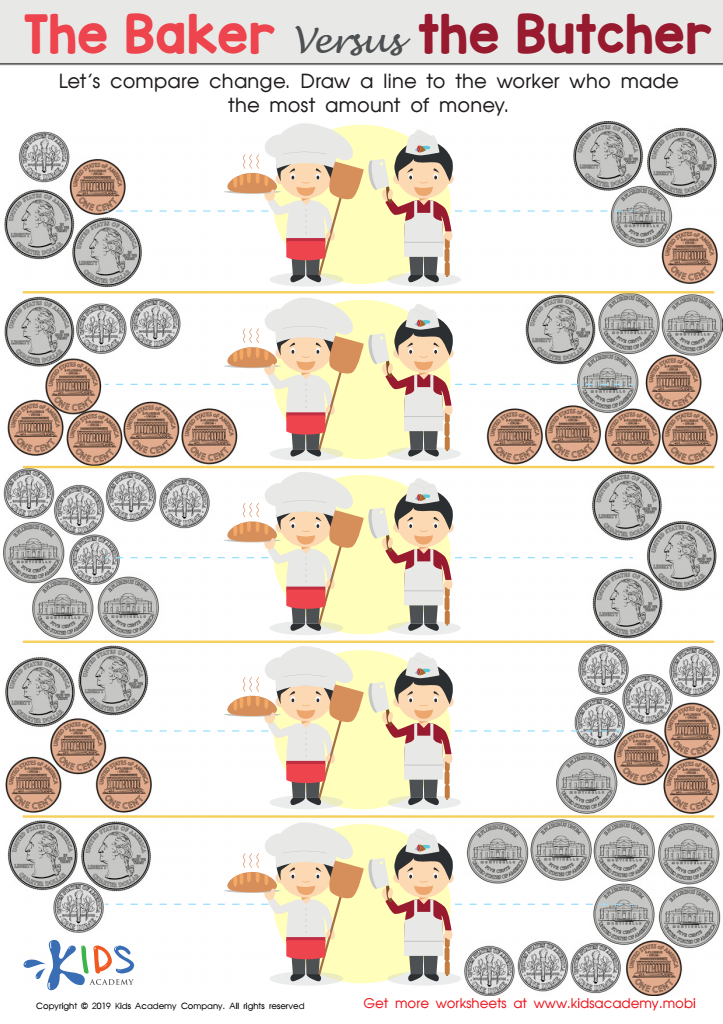
The Baker versus the Butcher Worksheet
 Assign to My Students
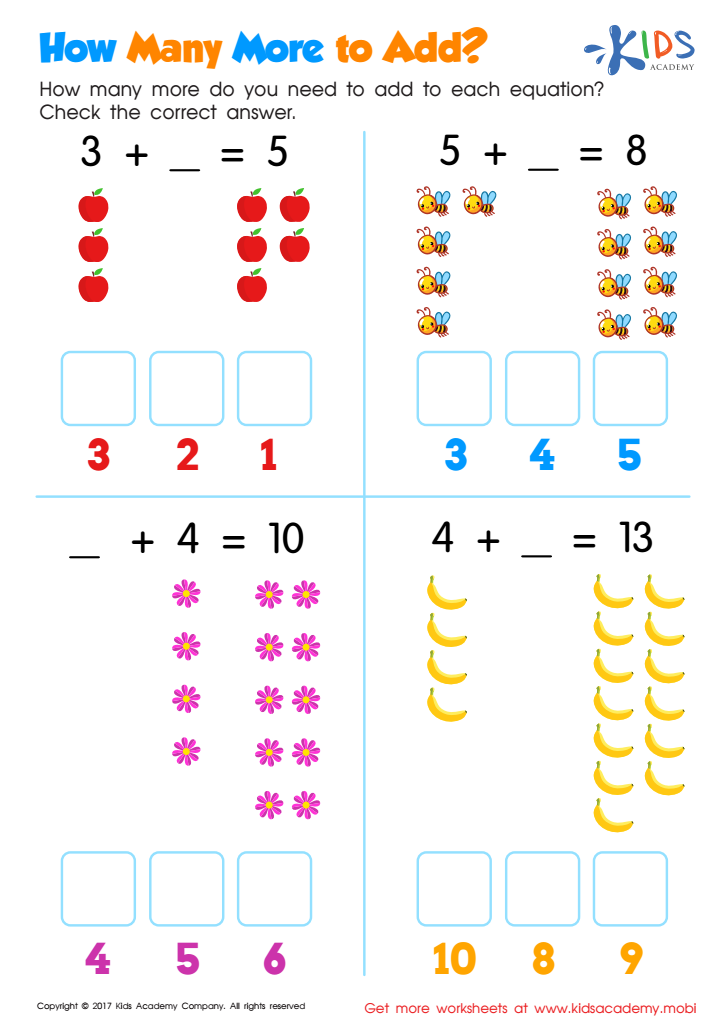
How Many More to Add Worksheet
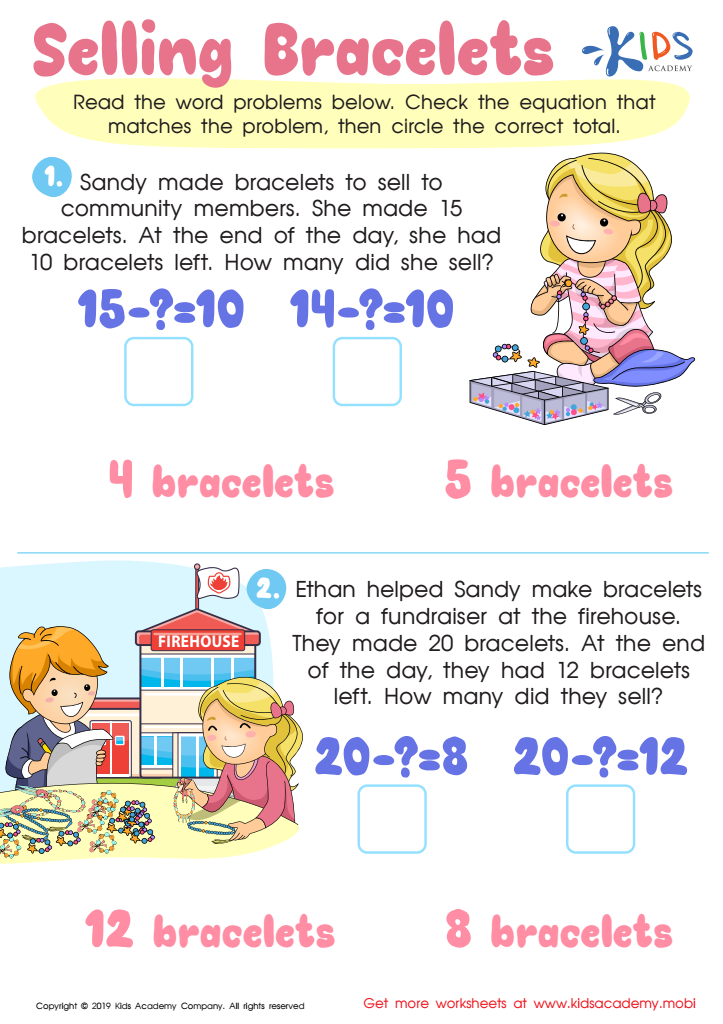
Selling the Bracelets Worksheet








Understanding basic subtraction and addition is essential for young learners, as these foundational math skills serve as the building blocks for more advanced mathematical concepts. Parents and teachers should prioritize these skills because they directly influence a child's academic success and overall cognitive development.
Firstly, mastering easy addition and subtraction enhances critical thinking and problem-solving abilities. Children learn to analyze numbers, recognize patterns, and develop logical reasoning. These competencies extend beyond math and apply to everyday situations, fostering a well-rounded intellect.
Secondly, early math skills build confidence. When children grasp basic arithmetic, they experience a sense of achievement, which motivates them to tackle more challenging concepts. This confidence translates to resilience in learning, encouraging them to embrace new challenges across all subjects.
Lastly, proficient addition and subtraction skills are vital for life skills. Budgeting, shopping, cooking, or simply sharing resources require a clear understanding of these concepts. By fostering these skills early, parents and teachers equip children to navigate their daily lives effectively.
In summary, prioritizing basic subtraction and easy addition is crucial for cognitive development, academic achievement, confidence building, and essential life skills. Ultimately, investing in these areas supports children's overall growth and prepares them for future successes.








